Source Automatic Water Immersion Food Sterilizer for Milk Yogurt Dog Food
Compare 30 Automatic Water Immersion Food Sterilizer units from verified suppliers in China. These electric machines feature SUS304 construction, thermal processing capabilities, and customizable automation for milk, yogurt, and pet food applications.
Key considerations
Products List


Food Sanitary Stainless Steel Water Bath Type Bottle Juice Sterilizer
$8000.00 - $20000.00
MOQ: 1 Sets


Automatic Temperature Controlled Water Immersion Food Autoclave Sterilizer Enhanced Safety Feature
$21800.00 - $28500.00
MOQ: 1 Pieces

Water Immersion Sterilizer Food Sterilization Retort for Pouches and Flexible Packaging
$19000.00 - $20000.00
MOQ: 1 Pieces

Milk Sterilization Autoclave Sterilizer for Food and Beverage Industry
$19800.00 - $22500.00
MOQ: 1 Pieces
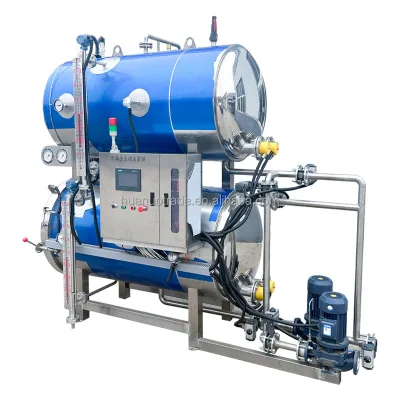


Food Sterilizing Full automatic water immersion autoclave sterilizer machinery
$8900.00 - $26000.00
MOQ: 1 Sets


Full automatic water immersion type autoclave food sterilization equipment for meat
$12000.00 - $26000.00
MOQ: 1 Sets

Multiple Repurchase Hot Sale Automatic Control Water Immersion Pasteurizer
$22000.00 - $24000.00
MOQ: 1 Sets

Spot Supply OEM Service Own Control Good Performance SUS304 food sterilizer
$13000.00 - $27000.00
MOQ: 1 Sets

High-Efficiency OEM Service autoclave sterilizer price For Food Factroy
$12000.00 - $26000.00
MOQ: 1 Sets

Automatic Continuous Packed Food Sterilization Sterilizing Machine
$12000.00 - $35000.00
MOQ: 1 Pieces
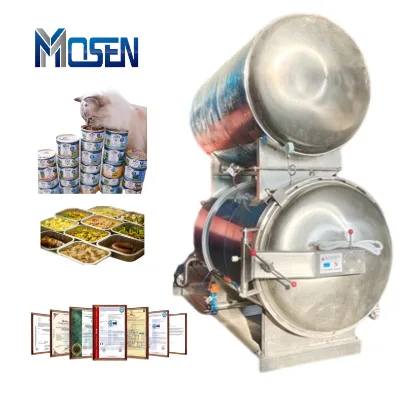
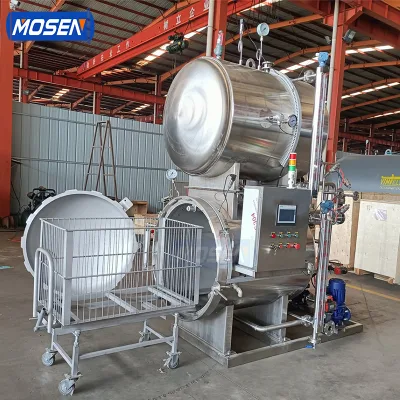


Snack Foods Sterilization Sterilizer Autoclave Water Immersion Retort Machine
$2000.00 - $20000.00
MOQ: 1 Sets


Food Sterilizer/Sterilizing Machine/Sterilization Autoclave for Food and Beverage
$8000.00 - $60000.00
MOQ: 1 Sets

Comprehensive Sourcing Guide
Strategic Sourcing Guide for Automatic Water Immersion Food Sterilizers
Understanding the Core Technology and Operational Principles
When evaluating an Automatic Water Immersion Food Sterilizer, procurement professionals must first grasp the fundamental operating mechanism that distinguishes this equipment from other thermal processing units. The core principle relies on static heat sterilization, where products are submerged in a heated medium to achieve the necessary lethality for food safety. This process typically utilizes water, steam, or air as the primary medium, with water immersion being the most common method for ensuring uniform heat distribution across the product load. The system is designed to operate at specific temperatures, often ranging below 98 degrees Celsius for certain applications, though the exact sterilizing temperature is frequently customizable based on the specific food product requirements and regulatory standards of the target market.
The automation level is a critical differentiator in this category. Modern units are available in both fully automatic and semi-automatic configurations, allowing buyers to select a system that aligns with their production volume and labor strategy. The equipment is generally constructed from high-grade stainless steel, specifically SUS304 or 316L, which ensures resistance to corrosion and meets strict hygiene standards required for food processing. The structural integrity of the vessel is paramount, as it must withstand significant pressure and temperature fluctuations during the sterilization cycle. Key components driving this operation include the PLC (Programmable Logic Controller), pressure vessels, and high-efficiency pumps, all of which work in concert to maintain precise control over the sterilization environment. The design temperature for these units can reach up to 147 degrees Celsius, providing the thermal capacity necessary for high-temperature short-time (HTST) processes or standard retort operations.
Technical Specifications and Performance Metrics
Selecting the right unit requires a detailed examination of technical specifications that directly impact production efficiency and product quality. Capacity is a primary variable, with observed ranges spanning from 500 to 30,000 bottles or units per hour. This wide spectrum allows for scalability, accommodating everything from small-batch artisanal producers to large-scale industrial facilities. The physical dimensions of the sterilizer, including length, width, and height, are often customizable to fit specific factory layouts, ensuring that the equipment integrates seamlessly into existing production lines. Weight is another significant factor, with some standard models weighing approximately 2,000 kilograms, necessitating robust floor support and careful logistical planning during installation.
The power requirements for these systems are substantial, typically operating on a three-phase 380V/50Hz electrical supply. This high-voltage requirement underscores the need for proper facility infrastructure before installation. The sterilization method itself can vary between water spray and water immersion, with the latter offering superior heat transfer for dense or irregularly shaped products. The system's auxiliary requirements must also be accounted for in the total cost of ownership; these include the need for a steam boiler, air compressor, air tank, and water tank to support the continuous operation of the sterilizer. The design temperature and pressure ratings are critical for safety and compliance, ensuring that the vessel can handle the thermal stress without compromising the integrity of the seal or the safety of the operators.
Compliance, Certification, and Regulatory Standards
Navigating the regulatory landscape is essential for any procurement of industrial food processing equipment. Buyers must verify that the equipment meets the necessary international and local safety standards. Common certifications observed in this sector include CE marking, which indicates conformity with health, safety, and environmental protection standards for products sold within the European Economic Area. Additionally, ISO certifications, such as ISOCE, may be present, reflecting adherence to international quality management systems. However, it is crucial for buyers to confirm the specific validity and scope of these certifications for the exact model being purchased, as standards can vary by manufacturer and region.
The material composition of the sterilizer plays a vital role in regulatory compliance. The use of SUS304 or 316L stainless steel is standard, as these materials are approved for food contact in most jurisdictions due to their non-toxic and corrosion-resistant properties. The electrical components and control systems must also comply with relevant safety standards to prevent hazards such as electrical shock or fire. For operations targeting specific markets, additional certifications may be required, such as UL for North American markets or specific national food safety standards. Buyers should request documentation proving that the core components, including the PLC and pressure vessel, meet the necessary safety and performance criteria before finalizing a purchase.
Cost Drivers and Financial Considerations
The total cost of acquiring an Automatic Water Immersion Food Sterilizer is influenced by several interconnected factors beyond the base unit price. The primary cost driver is the production capacity; units capable of processing 30,000 units per hour will naturally command a higher price point than those designed for 500 units per hour. The level of automation is another significant variable, with fully automatic systems involving more complex PLC programming and sensor integration, thereby increasing the initial investment. Customization options, such as specific dimensions, unique sterilization cycles, or specialized material grades like 316L instead of 304, will also add to the overall cost.
Lead times and shipping logistics are critical financial considerations. Production lead times can extend to 60 days after the deposit is received, requiring careful planning to align with production schedules. The packaging method, typically a standard export wooden case, adds to the shipping weight and volume, influencing freight costs. Buyers should also consider the cost of auxiliary equipment, such as steam boilers and air compressors, which are often sold separately or require additional installation fees. The warranty period, often one year for core components, provides some financial protection but may necessitate a higher upfront cost for extended coverage. Understanding these cost drivers allows buyers to create a more accurate budget and avoid unexpected expenses during the procurement process.
Typical Applications and Industry Use Cases
Automatic water immersion sterilizers are versatile tools used across various sectors of the food and beverage industry. The primary application involves the thermal processing of liquid and semi-liquid food products, such as milk and yogurt, where precise temperature control is essential to maintain product quality and safety. The ability to customize the sterilizing temperature allows these units to handle a wide range of products with different thermal requirements. Beyond dairy, these sterilizers are increasingly utilized in the pet food industry for processing dog, cat, and fish food, ensuring that these products are safe for consumption and have an extended shelf life.
The flexibility of the system makes it suitable for both large-scale industrial operations and smaller, specialized production lines. The "Large" scale classification indicates that these units are designed for high-volume output, making them ideal for major food manufacturers. However, the availability of semi-automatic options allows smaller producers to benefit from the technology without the full investment in a fully automated line. The application of these sterilizers extends to any product requiring thermal processing to eliminate pathogens and extend shelf life, provided the product can withstand the temperature and pressure conditions of the sterilization cycle.
Supplier Evaluation and Quality Assurance
Evaluating potential suppliers requires a rigorous assessment of their technical capabilities, manufacturing standards, and after-sales support. Buyers should prioritize suppliers who offer comprehensive installation and testing services, as the proper setup of a high-pressure sterilizer is critical for safe operation. The location of the manufacturing facility, such as Shanghai, Zhucheng, or Shandong in China, can provide insights into the supplier's logistical capabilities and regional expertise. However, the physical location should not be the sole determinant; the quality of the manufacturing process and the consistency of the product output are more important.
Quality control measures should be a central part of the supplier evaluation. Buyers must verify that the supplier adheres to strict quality standards during the manufacturing process, ensuring that the stainless steel construction and welding meet industry benchmarks. The warranty period for core components, typically one year, serves as an indicator of the supplier's confidence in their product. Additionally, the availability of spare parts and the responsiveness of the technical support team are crucial for minimizing downtime. Buyers should request references from existing clients to gain insight into the supplier's reliability and the long-term performance of their equipment.
Long-Term Procurement and Lifecycle Management
Sourcing an Automatic Water Immersion Food Sterilizer is not merely a one-time transaction but the beginning of a long-term partnership. The longevity of the equipment, often highlighted as a key selling point, depends on regular maintenance and proper operation. Buyers should plan for the lifecycle of the machine, considering the availability of replacement parts and the expertise required for maintenance. The "Key Selling Points" of long service life suggest that these units are built for durability, but this is contingent upon adherence to the manufacturer's maintenance guidelines.
Future-proofing the procurement decision involves considering the scalability of the system. As production demands grow, the ability to upgrade or expand the sterilization capacity becomes important. The customizable nature of the equipment allows for modifications that can adapt to changing product lines or increased throughput requirements. Furthermore, staying informed about evolving food safety regulations and technological advancements ensures that the investment remains relevant and compliant over time. By focusing on these long-term considerations, buyers can maximize the return on investment and ensure a stable, efficient production process for years to come.
FAQs
What materials are used for the sterilizer construction?
The equipment is constructed from SUS304 or 316L stainless steel to ensure corrosion resistance and hygiene. This material choice meets strict food safety standards and supports the high-pressure requirements of the thermal processing cycle.
Can the sterilizing temperature be customized for specific products?
Yes, the sterilizing temperature is customizable and typically operates below 98 degrees Celsius based on customer requirements. This flexibility allows the system to handle various food products like milk, yogurt, or pet food with different thermal needs.
What is the production capacity range for these units?
Capacity ranges from 500 to 30,000 bottles or units per hour depending on the specific model configuration. This wide spectrum accommodates both small-batch artisanal producers and large-scale industrial facilities requiring high throughput.
How long is the delivery lead time after deposit?
The standard delivery lead time is 60 days after the deposit is received. Buyers should plan their production schedules accordingly to account for this manufacturing and shipping duration before installation begins.
Which certifications are available for this equipment?
Common certifications include CE, UL, and ISOCE, indicating conformity with international safety and quality standards. Buyers should verify the specific validity of these certifications for the exact model to ensure regulatory compliance in their target market.
What level of automation is offered for operation?
The system is available in both fully automatic and semi-automatic configurations to suit different labor strategies. This allows buyers to select a setup that aligns with their production volume and operational efficiency goals.
What is the warranty period for core components?
The warranty for core components, such as the PLC and pressure vessel, is typically one year. This coverage provides financial protection and indicates the supplier's confidence in the durability and performance of the key parts.