Source Automobile Seat Heating Switch for Cars, Trucks, and SUVs
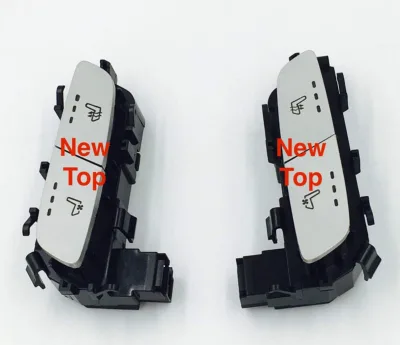
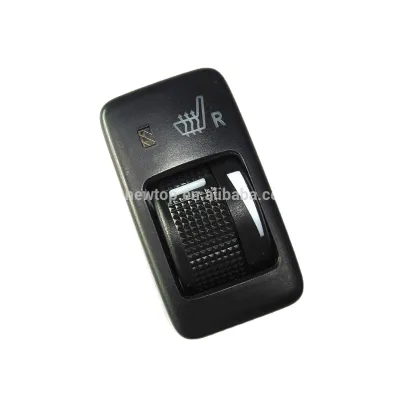
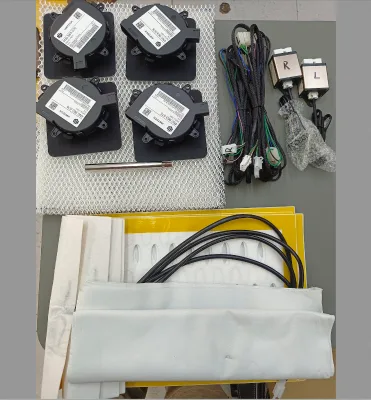
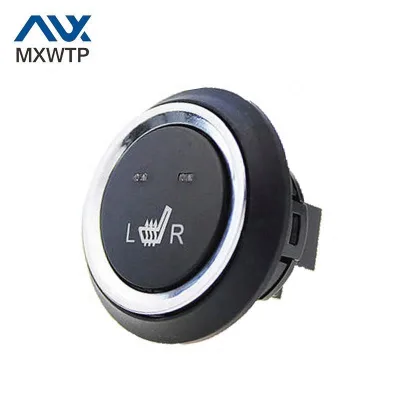
Find and compare 30 Automobile Seat Heating Switch options from verified Chinese suppliers. Buyers can review specifications like voltage ratings, mechanical life, and material types to select the right component for vehicle repair or replacement.
Key considerations
Products List
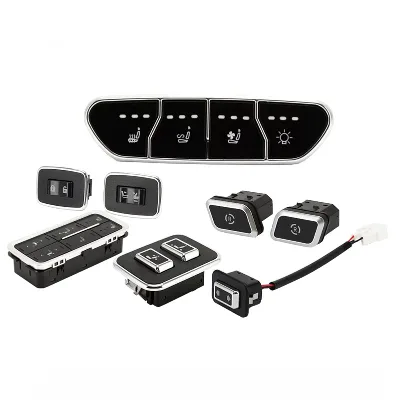
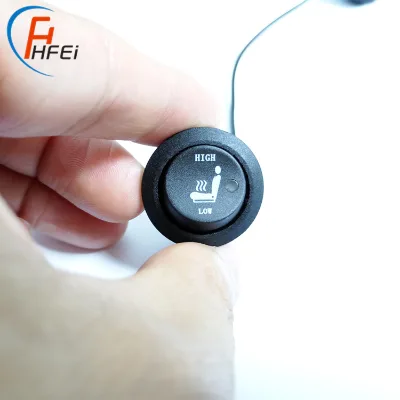

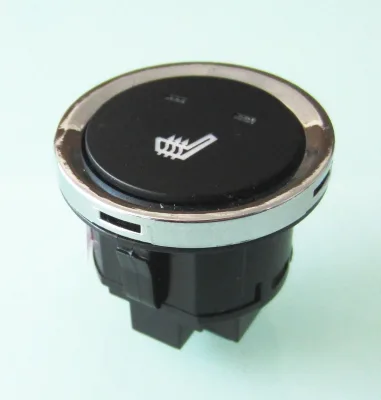
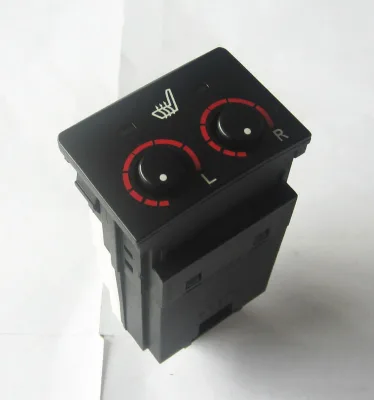
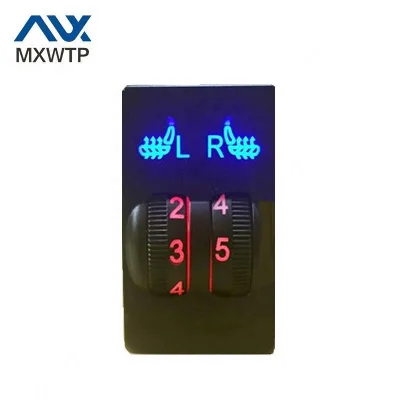

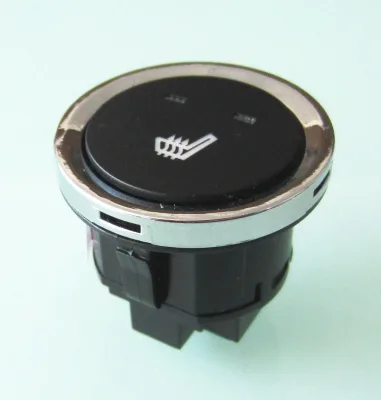
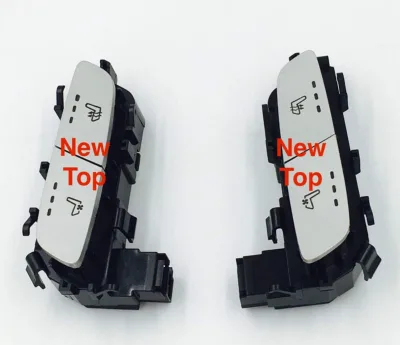


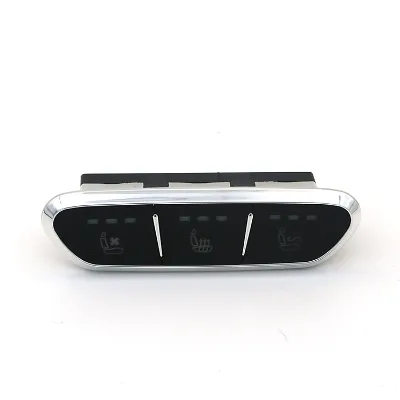
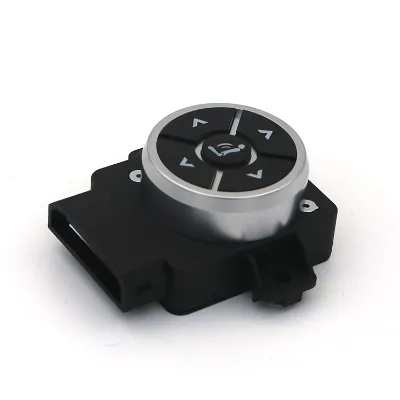
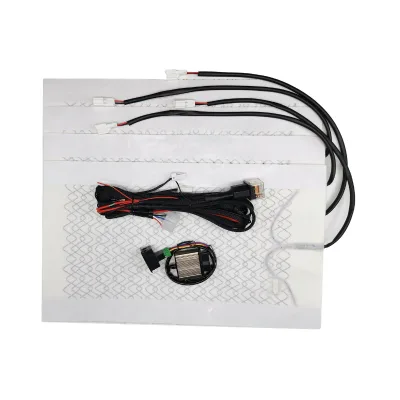


Comprehensive Sourcing Guide
Strategic Sourcing Guide for Automobile Seat Heating Switches
Sourcing replacement components for automotive heating systems requires a rigorous approach that balances technical compatibility with supply chain reliability. The Automobile Seat Heating Switch is a critical interface component that controls thermal comfort while managing electrical loads within the vehicle's cabin. Buyers must navigate a market characterized by a mix of universal aftermarket parts and vehicle-specific replacements. This guide outlines the essential factors for procurement, focusing on verified product attributes, compliance standards, and supplier evaluation criteria derived from current market data.
Technical Specifications and Electrical Ratings
The core functionality of an Automobile Seat Heating Switch relies on its ability to handle specific electrical loads safely. Based on observed product data, the market offers switches with varying current and voltage ratings. A common specification found in universal automotive switches includes a rating of 20A at 12-24V, which aligns with standard vehicle electrical systems. However, buyers must also encounter variants rated at 7A or 10A, as well as those with a rated voltage of 250VAC, indicating potential use in different circuit configurations or aftermarket applications.
The mechanical design of these switches is equally critical. The terminal composition is frequently cited as copper-plated silver, a material choice that ensures low resistance and high conductivity, which is vital for preventing voltage drops during high-current operation. The housing material is typically PA66 (Polyamide 66) or PC (Polycarbonate), offering a balance of thermal stability and impact resistance. Some listings specify ABS material for specific models, which may be suitable for lower-temperature applications or different aesthetic requirements.
The operational range of these components is defined by their working temperature limits. Verified data indicates a working temperature range of -25℃ to +125℃, ensuring functionality in extreme climates. However, other product attributes suggest a temperature tolerance of 45c-150c, highlighting the need for buyers to verify the specific thermal limits of the batch they intend to purchase. The mechanical life is a key durability metric, with observed data showing a cycle life of 50,000 cycles. This figure represents the number of actuations the switch can endure before mechanical failure, a crucial factor for high-use applications like seat heating controls.
Functional Configurations and Physical Attributes
Automotive seat heating switches are not monolithic in their design; they vary significantly in pin configuration and actuation logic. The pin count is a primary determinant of compatibility. Common configurations include 3 pins plus one wire, which may support basic on-off functions or more complex logic. The function types observed range from simple ON-OFF to more advanced ON-OFF-ON configurations, allowing for multi-level control or dual-circuit switching.
The physical form factor is also diverse. While some universal switches are compact, with single package sizes as small as 1x1x1 cm, others designed for specific vehicle integration may have larger dimensions, such as 7x5x3 cm. The color options available in the market include red, yellow, green, blue, and white, allowing for customization to match interior vehicle aesthetics. The probe material is often plastic, which serves as an insulator and structural component.
Model numbers vary widely, reflecting the universal nature of many aftermarket parts. Identifiers such as "kcd2," "TR-TS107," and "NT-P-2007-A" appear in product listings, often corresponding to specific internal designs or OEM equivalents. Buyers must cross-reference these model numbers with their vehicle's wiring diagrams, as the "Universal Automotive Switches" label does not guarantee fitment for every make or model without verification.
Compliance, Certification, and Safety Standards
Navigating the certification landscape is essential for ensuring that purchased switches meet safety and environmental requirements. The market data indicates a wide array of certifications, including CE, CQC, CCC, TUV, VDE, and UL. These marks suggest compliance with various regional and international safety standards. For instance, UL certification is often associated with fire safety and electrical integrity, while CE and CQC relate to European and Chinese market regulations, respectively.
Environmental compliance is another critical area. Products are frequently listed with RoHS and Reach certifications, indicating that the materials used do not contain restricted hazardous substances. This is particularly important for automotive components that must adhere to strict environmental directives in major markets like the European Union and North America.
However, buyers must exercise caution regarding the "Low" breaking capacity mentioned in some product attributes. This suggests that certain switches may not be suitable for high-fault current scenarios without additional protection. The fusing speed is noted as "F" (Fast), which implies a specific response time to overcurrent events. When evaluating suppliers, buyers should request proof of these certifications rather than relying solely on product descriptions. The presence of a certificate does not automatically guarantee that every unit in a shipment meets the standard, especially given the variation in product origins.
Cost Drivers and Procurement Economics
The pricing structure for automobile seat heating switches is influenced by several factors, including material costs, certification levels, and order volume. The observed price range in the market spans from $0.10 to $79.00 USD. This wide disparity reflects the difference between basic universal components and specialized, high-quality replacements. The lower end of the spectrum typically corresponds to generic switches with standard materials and minimal packaging, while the higher end may include units with advanced certifications, specific vehicle customization, or higher durability ratings.
Minimum Order Quantity (MOQ) is a significant cost driver. Data shows an MOQ range from 1 to 1,000 units. Some suppliers offer single-item sales, which is beneficial for prototyping or small-scale repairs. Conversely, bulk buyers may find that suppliers require a minimum of 400 pieces or more to unlock competitive pricing. The "Selling Units" are often listed as single items, but the "prod_packing" attribute indicates that standard packaging may involve 1,000 pieces per package, which can impact inventory management and storage costs.
Lead times and location also play a role in total cost of ownership. Products originate from regions such as Zhejiang and Guangdong in China. While these regions are hubs for electronic manufacturing, the "No overseas service provided" attribute indicates that buyers should factor in potential logistics and support costs. The absence of local service centers means that any quality issues must be resolved through the supplier's remote support channels, which can extend the effective lead time for replacements.
Supplier Evaluation and Quality Assurance
Evaluating suppliers requires a focus on consistency and transparency. The market features brands such as GOGO ATC, Haifei, and Smart Star, each offering different product lines. A key differentiator is the warranty period, with many products offering a 1-year warranty. This warranty serves as a baseline indicator of the manufacturer's confidence in their product's longevity.
Quality control measures are paramount. Attributes such as "100% tested" suggest that the supplier performs functional checks before shipping. However, buyers should verify the scope of these tests. Does "100% tested" cover electrical continuity, mechanical cycling, or only visual inspection? The "Quality: 100% tested" claim should be backed by a quality assurance report or a certificate of analysis.
Customization is another factor to consider. The "Customization: Available" attribute indicates that some suppliers can modify product specifications, such as pin layout, color, or branding. This is valuable for buyers looking to source components that match specific vehicle requirements or branding guidelines. However, customization often comes with higher MOQs and longer lead times.
When assessing suppliers, buyers should also consider the "Purpose" of the product. Most listings state the purpose is "for replace/repair," which confirms their role as aftermarket components. Buyers must ensure that the supplier understands the specific application, whether it is for a Land Cruiser Prado or a universal fitment. The "Car Make" attribute, specifically mentioning Land Cruiser Prado, highlights the importance of matching the switch to the correct vehicle model to avoid installation issues.
Long-Term Procurement and Supply Chain Stability
Long-term procurement strategies for automobile seat heating switches must account for supply chain stability and product consistency. The "Condition" of the products is consistently listed as "New," which is standard for aftermarket parts. However, buyers should be vigilant about the "Place of Origin," as products may originate from different factories within China, such as Zhejiang or Guangdong. Variations in manufacturing processes between these locations can lead to differences in product quality.
The "Single gross weight" of 0.015 kg and "Single package size" data are useful for logistics planning. These metrics help in calculating shipping costs and storage requirements. For large-scale procurement, the "prod_packing" of 1,000 pieces per package can significantly reduce per-unit shipping costs but requires adequate warehousing space.
Buyers should also monitor the "Standard" attributes, such as "Customized" or specific model numbers like "TR-TS107." Changes in these standards can indicate shifts in the product line or manufacturing process. Maintaining a relationship with suppliers who offer consistent specifications is crucial for ensuring that replacement parts remain compatible over time.
Finally, the "Low" breaking capacity and specific temperature tolerances observed in some products suggest that not all switches are suitable for every application. Buyers must conduct thorough due diligence to ensure that the selected switch meets the electrical and thermal requirements of the specific vehicle system. Relying solely on the "Universal" label without verifying technical specifications can lead to system failures or safety hazards. By adhering to a rigorous evaluation process that includes certification verification, quality testing, and supply chain analysis, buyers can secure reliable components for their automotive heating systems.
FAQs
What certifications do these switches have?
These switches carry CE, CQC, CCC, TUV, VDE, and UL certifications. They also meet RoHS and Reach standards for environmental compliance, ensuring safety for automotive applications.
What is the electrical rating of the switch?
The switch is rated for 20A at 12-24V or 7A-10A at 250VAC. This allows it to handle standard vehicle electrical loads while maintaining safe operation under varying voltage conditions.
How long is the mechanical life of the product?
The mechanical life is 50,000 cycles. This durability metric indicates the switch can endure repeated actuations required for seat heating controls before potential mechanical failure occurs.
Can I customize the color or packaging?
Customization is available for colors like red, yellow, green, blue, and white. Packaging can also be adjusted to meet specific customer requirements, though this may affect order quantities.
What is the warranty period for these switches?
The warranty period is 1 year. This coverage applies to new products manufactured by brands like GOGO ATC or Haifei, ensuring reliability for replacement or repair purposes.
Where are these switches manufactured?
Products originate from Zhejiang and Guangdong in China. Buyers should note that no overseas service is provided, so support must be handled remotely through the supplier.
What is the minimum order quantity?
The minimum order quantity ranges from 1 to 1,000 units depending on the supplier. Some vendors require 400 pieces, while others allow single item purchases for small repairs.