Source Automobile Spring Split Pin for Cars, Trucks, and Trailers
Find 30 listings for Automobile Spring Split Pin options suitable for automotive and industrial applications. Compare specifications such as DIN11023 standards, zinc plating finishes, and stainless steel materials to identify the right fasteners for your assembly needs; compare the available evidence and request quotations based on your requirements.
Key considerations
Products List


Quick Release Pin Mechanism Recepticle Spring Loaded Pins 1/2in Quick Release Pins
$8.08 - $9.23
MOQ: 1000 Pieces


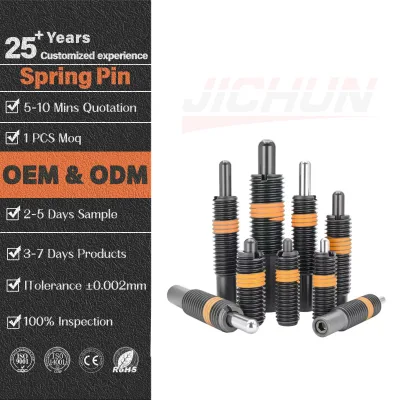


Corrosion Resistant Split Pins for Automotive and Engineering Applications
$0.00 - $0.00
MOQ: 1000 Pieces


Comprehensive Sourcing Guide
Automobile Spring Split Pin Sourcing Guide
Procuring automobile spring split pins requires distinguishing between standard fasteners and specialized quick-release mechanisms found in modern vehicle assemblies. The market offers distinct variations, including cotter pins, butterfly pins, and spring pins, each serving unique retention functions within suspension, steering, and linkage systems. Buyers must carefully align their specific mechanical requirements with the observed product attributes, such as the cylinder shape or cross design, to ensure the selected component fits the intended application without modification.
The available inventory demonstrates a wide range of customization options, from standard bulk packaging to tailored solutions for specific OEM needs. While some listings indicate non-customized items, others explicitly offer OEM and ODM services, allowing for bespoke manufacturing of quick release pins with button heads or specific surface finishes. Understanding these distinctions is critical, as the choice between a standard split cotter pin and a customized quick release pin will directly impact the assembly process and the long-term reliability of the automotive component.
Product Scope and Observed Listing Signals
The current market landscape for automobile spring split pins reveals a diverse array of product names and configurations, ranging from standard DIN11023 cotter pins to specialized button handle quick release pins. Listings frequently highlight specific design features like the cross shape or folk style, alongside material grades such as stainless steel with hardness ratings between 420-560hv. These signals indicate that suppliers are catering to both general maintenance needs and high-performance automotive applications where specific mechanical properties are non-negotiable.
Observations of packaging and delivery terms suggest a highly flexible supply chain capable of handling varied order volumes. Products are often shipped in bulk cartons, small boxes, or palletized units, with delivery times ranging from seven to fifteen workdays depending on the complexity of the order. The presence of sample availability and customization options further signals that suppliers are prepared to support prototyping phases, allowing buyers to validate fit and function before committing to large-scale production runs for their vehicle models.
Technical Specifications to Verify
When evaluating technical specifications, buyers must prioritize the verification of dimensional standards and material grades against their engineering drawings. The observed data includes specific size ranges from φ0.6 to φ20 and standard classifications like DIN1481 or M2-M8, which serve as critical benchmarks for compatibility. It is essential to confirm that the listed prod_model and standard codes match the exact requirements of the vehicle assembly, as even minor deviations in diameter or length can compromise the safety and integrity of the fastening system.
Surface finishing and hardness properties are equally critical for ensuring durability in the harsh environments typical of automotive undercarriages. Listings mention zinc plating, black oxide, and plain finishes, alongside specific hardness grades, which directly influence corrosion resistance and wear characteristics. Procurement teams should request detailed test reports to verify that the surface treatment and material grade, such as the 420-560hv rating, meet the rigorous demands of the specific automotive application, ensuring the pin will not fail under vibration or stress.
Compliance and Safety Documentation
Compliance with international standards is a prerequisite for sourcing automotive components, particularly when safety-critical fasteners are involved. The observed product data includes certifications such as ISO, GS, RoHS, and CE, which indicate adherence to quality management and environmental regulations. Buyers must verify that these certifications are current and applicable to the specific batch of goods, ensuring that the supplier maintains a valid quality management system that aligns with the stringent requirements of the automotive industry.
Safety documentation must also address the specific standards governing the mechanical performance of the split pins. While some listings reference DIN standards like DIN11023, others may list unstandardized or proprietary specifications. It is vital to cross-reference these claims with trusted category knowledge to confirm that the product meets the necessary safety thresholds for automotive use. Without verified documentation confirming compliance with relevant safety standards, the risk of component failure and subsequent liability increases significantly.
Cost Drivers and Commercial Terms
Cost structures for automobile spring split pins are heavily influenced by material selection, customization levels, and order volume. The observed MOQ ranges from single units to twenty thousand pieces, indicating that economies of scale play a significant role in pricing. Buyers should anticipate higher unit costs for customized quick release pins or those requiring specific surface treatments like zinc plating, while standard bulk items may offer more competitive pricing due to streamlined production processes.
Commercial terms regarding delivery and payment are equally important for managing cash flow and production schedules. The observed delivery times of 7-15 days suggest a relatively agile supply chain, but lead times can fluctuate based on the complexity of the order and the availability of raw materials. Procurement teams should negotiate clear terms for sample availability and bulk delivery, ensuring that the supplier can meet the required timeline without compromising on quality or incurring unexpected expedited shipping fees.
Supplier Qualification and Quality Control
Supplier qualification should focus on verifying the manufacturer's ability to maintain consistent quality across large production runs. The presence of OEM and ODM services suggests that suppliers have the capacity for customization, but buyers must assess their quality control protocols to ensure that every batch meets the specified standards. It is advisable to request evidence of their production capabilities, including their experience with automotive-grade fasteners and their track record for delivering components that meet strict dimensional and material tolerances.
Quality control processes must be robust enough to detect defects before the products leave the factory. Buyers should inquire about the supplier's inspection methods, particularly for critical attributes like surface finishing and hardness. Given the observed variations in product names and standards, a rigorous incoming quality control process is essential to prevent the introduction of non-compliant parts into the automotive assembly line. Establishing a clear communication channel for quality issues will help mitigate risks and ensure continuous improvement in the supply chain.
Long-Term Procurement Checks
Establishing a long-term procurement strategy requires regular audits of supplier performance and product consistency. Buyers should implement a schedule for periodic quality reviews to ensure that the spring split pins continue to meet the evolving standards of the automotive industry. This includes monitoring changes in material grades, surface treatments, and compliance certifications to guarantee that the supply chain remains resilient and capable of meeting future production demands without interruption.
Continuous improvement initiatives should also be integrated into the procurement relationship to drive efficiency and cost reduction over time. By maintaining open dialogue with suppliers regarding market trends and technological advancements, buyers can proactively address potential supply chain disruptions. Regularly reviewing the supplier's ability to deliver on time and maintain quality standards will help build a partnership that supports the long-term success of the automotive manufacturing process, ensuring a steady supply of reliable fasteners.
FAQs
What materials are used for automobile spring split pins?
The primary material used is stainless steel, ensuring durability and resistance to corrosion in automotive applications. This material choice supports the mechanical integrity required for quick release and securing functions in vehicle assemblies.
Can these pins be customized for specific vehicle models?
Yes, customization is available to meet specific design requirements for various automotive models. Buyers can request tailored specifications, including unique shapes or finishes, to ensure proper fit and functionality within their particular vehicle systems.
What surface finishes are offered for these split pins?
Common surface finishes include zinc plating, black oxide, and plain treatments. These options provide varying levels of corrosion protection and aesthetic appeal, allowing buyers to select the most suitable finish for their specific environmental and operational needs.
What is the typical delivery time for orders?
The standard delivery time ranges from 7 to 15 workdays after order confirmation. This timeframe ensures timely supply for production schedules, with specific dates depending on order volume and current manufacturing capacity at the origin facility.
Which standards do these pins comply with?
These pins comply with standards such as DIN11023 and DIN1481, ensuring international quality and dimensional consistency. Compliance with these recognized standards facilitates easier integration into global automotive supply chains and meets rigorous engineering specifications for safety and performance.
What packaging options are available for bulk orders?
Packaging options include bulk cartons, small boxes, and palletized arrangements for efficient shipping. These methods protect the pins during transit and allow for flexible logistics solutions, ensuring that products arrive in optimal condition for immediate use in assembly lines.