Source Aviation Headset for Pilots, Airlines, and Helicopters
Find 19 Aviation Headset options featuring noise-cancelling microphones and wired connections. Buyers can compare models like PH-100A with CE standards, varying ear seals, and connector types for airline or helicopter use.
Key considerations
Products List


Aviation Headphone Carbon Fiber Noise Canceling Headset for Helicopter
$240.00 - $250.00
MOQ: 2 Pieces
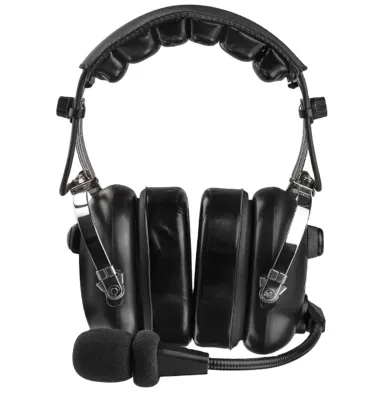
Radio Communication Headset Microphone Headphone Noise Cancelling Headphone
$90.00 - $100.00
MOQ: 100 sets


Noise Reduction & Natural Voice Reproduction Helicopter Pilot Aviation Headset
$200.00 - $300.00
MOQ: 30 Pieces


Comprehensive Sourcing Guide
Strategic Sourcing Guide for Aviation Headsets
Understanding Technical Specifications and Core Functionality
When sourcing aviation headsets, buyers must first distinguish between the specific technical architectures available in the market. The current product landscape reveals a diverse range of electro-acoustic designs, including Electret Earphones and Moving-Iron Headphones, each offering distinct performance characteristics for different operational environments. A critical observation in the available inventory is the prevalence of Noise-Cancelling functionality, which is often paired with integrated Microphone capabilities to ensure clear communication in high-decibel environments. Some advanced models also feature Waterproofing, suggesting suitability for harsh weather conditions or specific maritime aviation applications.
The physical construction of these headsets varies significantly, influencing both durability and comfort. The boom arm is frequently designed with Spring Tension mechanisms to allow for adjustable positioning, ensuring a secure fit for pilots of varying head sizes. Ear seal technology is another vital specification, with options ranging from Foam Ear Seals to Gel Ear Seals, and some suppliers offering optional Gel Ear Pads for enhanced comfort during long-haul flights. The material composition of the headset is equally important; while standard models may utilize generic polymers, high-performance units are increasingly constructed using Carbon Fiber to reduce weight without sacrificing structural integrity. For instance, specific models have been observed with a weight of 530g, a figure that buyers should benchmark against their operational requirements for fatigue reduction.
Cable management and connectivity are paramount for aviation safety and efficiency. The supply chain shows a mix of Wired communication protocols, with cable lengths typically standardized at 150cm for a Straight Cable configuration. The choice of wire material, such as Polyurethane (PU), is selected for its flexibility and resistance to abrasion. Connectivity is standardized around specific plug types to ensure compatibility with aircraft intercom systems. Common observations include the Nexus Connector, as well as specific phone plugs like the Pj-055 (.25"F6.3 Phone Plug) for earphones and the Pj-068 (.206"F5.2 Phone Plug) for microphones. Buyers must verify that the jack diameter, often observed at 6.3mm, matches their aircraft's avionics interface to prevent signal loss or physical incompatibility.
Compliance, Certification, and Regulatory Standards
Navigating the regulatory landscape is a non-negotiable aspect of aviation procurement. While the specific certification status of every listed product cannot be universally assumed, the market data indicates that many manufacturers adhere to recognized international standards. Buyers should verify that products carry CE certification, which is frequently cited in product specifications. Furthermore, some suppliers list compliance with ISO standards, suggesting a commitment to quality management systems that are essential for aviation-grade equipment.
The operational environment dictates the need for robust performance under extreme conditions. Technical specifications often cite an operating temperature range of -20 to 70 degrees Celsius. This range is critical for headsets intended for use in unpressurized aircraft or at high altitudes where thermal fluctuations are significant. Buyers must ensure that the materials used, such as the Carbon Fiber or PU wiring, remain stable and functional within these thermal boundaries. Additionally, the Noise Reduction Ratings (NRR) are a key metric for hearing protection. Observed data points to an NRR of 24dB for certain models, a figure that should be cross-referenced against local aviation safety regulations and the specific noise profile of the aircraft being operated.
It is imperative for buyers to treat certification claims as observations rather than universal guarantees. The presence of a "CE" or "ISO" label on a product page indicates the manufacturer's intent to meet those standards, but the actual certification status must be validated through official documentation. For aviation applications, the "Standard Airworthy Packing" mentioned in some listings suggests that the packaging itself is designed to protect the equipment during transport, which is a subtle but important indicator of a supplier's attention to detail regarding product integrity.
Cost Drivers and Pricing Dynamics
The pricing for aviation headsets in the current market exhibits a wide variance, with observed listed prices ranging from 58 to 300 USD. This spread is driven by several factors, including the complexity of the acoustic technology, the quality of materials, and the level of customization offered. Lower-priced units often represent standard configurations with basic noise-cancelling features and foam ear seals. In contrast, the higher end of the price spectrum typically correlates with advanced features such as waterproofing, gel ear pads, carbon fiber construction, and specialized connectors.
Minimum Order Quantity (MOQ) is another significant cost driver. The market data shows an MOQ range of 1 to 100 units. Buyers purchasing single units or small batches for testing or immediate replacement may face a higher per-unit cost but benefit from lower upfront capital expenditure. Conversely, organizations planning to equip entire fleets or training centers can leverage the higher MOQ tiers to negotiate better pricing and secure bulk discounts. The availability of OEM services allows buyers to customize branding or specifications, which can influence the final cost. While specific price points cannot be predicted without a formal quote, understanding the relationship between feature sets and price ranges helps in budgeting for procurement projects.
Typical Applications and Operational Use Cases
The versatility of modern aviation headsets allows them to serve a broad spectrum of applications. The primary use case is clearly defined as Aviation, Pilot, and Airline operations. Specific models are tailored for Helicopter and Airplane environments, addressing the unique noise profiles and communication needs of rotary-wing versus fixed-wing aircraft. The "Pilot Helicopter Headset" designation highlights a specialized segment where weight and comfort are critical due to the confined cockpit spaces and high vibration levels associated with helicopters.
Beyond commercial aviation, these headsets are suitable for general aviation, airline crews, and potentially military or government aviation units. The inclusion of "Waterproof" functionality in some models expands their utility to maritime aviation or operations in tropical climates where moisture resistance is essential. The "Quality Noise Reduction Helicopter Headset" category suggests a focus on high-fidelity audio for pilots who require precise communication clarity amidst the distinct mechanical noise of rotor blades. Whether for a single pilot or a large airline fleet, the application scope is vast, requiring buyers to match the headset's specific attributes, such as the boom type and ear seal material, to the specific operational demands of their aircraft.
Supplier Evaluation and Customization Capabilities
When evaluating potential suppliers, buyers should look for evidence of flexibility and customization. The market data confirms that Customization is Available for many of these products, and OEM (Original Equipment Manufacturer) services are Acceptable. This indicates that suppliers are willing to adapt products to meet specific branding or technical requirements, a crucial factor for airlines or organizations with strict internal standards. The ability to accept OEM orders suggests a mature manufacturing process capable of handling bespoke production runs.
Buyers should also assess the supplier's commitment to quality through their warranty offerings. A standard 12-month warranty is observed in the product listings, which serves as a baseline for post-purchase support. While this is a positive indicator, buyers should verify the terms of the warranty, including coverage for manufacturing defects versus wear and tear. The origin of the products is consistently listed as China, which is a major manufacturing hub for aviation electronics. Buyers should consider the logistical implications of this origin, including shipping times and potential import regulations, while ensuring that the supplier has a track record of reliable delivery.
Quality Control and Long-Term Procurement Considerations
Ensuring long-term reliability requires a rigorous approach to quality control. The variety of product models, such as PH-100A-H/PNR/CC, PH-100A, and AG-1, suggests a modular approach to manufacturing. This modularity can be advantageous for spare parts management but requires careful verification that each specific model meets the necessary airworthiness criteria. The packing standards, ranging from "Inner Box" to "Standard Airworthy Packing," indicate different levels of protection during transit. For long-term procurement, buyers should prioritize suppliers who utilize airworthy packing to minimize the risk of damage during shipping.
The longevity of the headset is also dependent on the durability of its components. The use of materials like Carbon Fiber and the specification of a 150cm cable length are design choices that impact the lifespan of the product. Buyers should consider the replaceability of parts, such as the ear pads and microphone plugs, to extend the operational life of the headset. The availability of optional Gel Ear Pads is a positive sign, as it allows for maintenance and comfort upgrades without replacing the entire unit.
Comparative Analysis of Key Product Attributes
To facilitate decision-making, the following table summarizes the key attributes observed across the product range, highlighting the variations buyers may encounter.
| Attribute Category | Observed Variations | Strategic Consideration |
|---|---|---|
| Acoustic Type | Electret Earphone, Moving-Iron Headphones | Verify compatibility with aircraft audio systems; Electret often offers lower power consumption. |
| Noise Reduction | NRR: 24dB (Specific models) | Confirm NRR meets local regulatory requirements for the specific aircraft noise profile. |
| Connectors | Nexus, Pj-055, Pj-068, 6.3mm Jack | Ensure exact plug dimensions match aircraft intercom jacks to avoid signal interference. |
| Materials | PU Wire, Carbon Fiber, Foam/Gel Seals | Carbon Fiber reduces weight; Gel seals offer superior comfort for long flights. |
| Operating Temp | -20 to 70°C | Essential for high-altitude or extreme climate operations; verify against mission profile. |
| Weight | 530g (Specific models) | Lighter headsets reduce pilot fatigue; compare against total cockpit weight limits. |
| Customization | OEM Acceptable, Color Options (Black, Red, Blue, White) | Leverage OEM for branding; color selection may aid in quick identification in the cockpit. |
| Warranty | 12 Months | Standard baseline; negotiate extended terms for fleet-wide procurement. |
Final Procurement Recommendations
In conclusion, sourcing aviation headsets requires a meticulous alignment of technical specifications with operational needs. The market offers a robust selection of products ranging from basic Electret Earphones to advanced Carbon Fiber models with waterproofing. Buyers must prioritize the verification of certifications like CE and ISO, ensuring that the Noise Reduction Ratings and operating temperature ranges meet the specific demands of their fleet. The wide price range and MOQ flexibility allow for scalable procurement strategies, from single-unit replacements to large fleet equipping.
By focusing on the tangible attributes observed—such as the specific connector types, material compositions, and warranty terms—buyers can make informed decisions that enhance safety and communication clarity in the cockpit. The availability of customization and OEM services further empowers organizations to tailor solutions to their unique requirements. Ultimately, the success of the procurement process lies in the rigorous validation of product claims against the actual operational environment, ensuring that every headset selected delivers the reliability and performance necessary for safe aviation operations.
FAQs
What acoustic types are available for aviation headsets?
The available acoustic types include Electret Earphones and Moving-Iron Headphones. Buyers should verify compatibility with their specific aircraft audio systems, as Electret models often offer lower power consumption while Moving-Iron types provide distinct sound characteristics for different operational environments.
Which connectors are standard for Aviation Headset integration?
Standard connectors include Nexus Connectors, Pj-055 plugs for earphones, and Pj-068 plugs for microphones. The jack diameter is typically 6.3mm, so buyers must ensure these dimensions match their aircraft intercom interfaces to prevent signal loss or physical incompatibility during flight operations.
Can these headsets operate in extreme temperature conditions?
Yes, the headsets are designed to operate within a temperature range of -20 to 70 degrees Celsius. This specification ensures functionality in unpressurized aircraft or at high altitudes where thermal fluctuations are significant, provided the materials like Carbon Fiber remain stable within these boundaries.
What is the typical weight of the Aviation Headset models?
Specific models have an observed weight of 530 grams. This weight is a critical benchmark for buyers aiming to reduce pilot fatigue, and it should be compared against total cockpit weight limits and the specific operational requirements of the aircraft being equipped.
How does the noise reduction rating affect pilot safety?
Certain models feature a Noise Reduction Rating of 24dB for hearing protection. Buyers must cross-reference this figure against local aviation safety regulations and the specific noise profile of their aircraft to ensure the headset meets the necessary safety standards for the intended operational environment.
Are customization and OEM services available for these headsets?
Customization is available, and OEM services are acceptable for many suppliers. This allows organizations to adapt products for specific branding or technical requirements, indicating a mature manufacturing process capable of handling bespoke production runs for airlines or government aviation units.
What warranty coverage is typically provided for aviation headsets?
A standard 12-month warranty is observed in the product listings. While this serves as a baseline for post-purchase support, buyers should verify the specific terms regarding coverage for manufacturing defects versus wear and tear to ensure long-term reliability for their fleet.