Source Avatar Style FPV Goggles for Industrial, Civil, and Hobby Use
Explore 30 available options for Avatar Style FPV Goggles designed for industrial, civil, and remote operations. Buyers can compare specifications like transmission distance, screen resolution, and operating radius to find suitable units for FPV UAV drone applications.
Key considerations
Products List


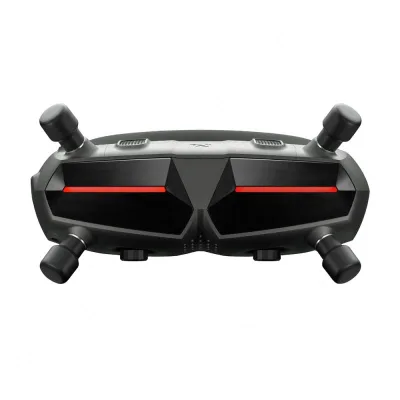
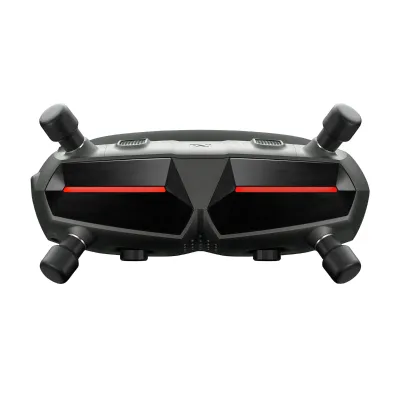
Fpv Goggles W/ DVR and Removable Screen Fpv Video Goggles for Drone Racing
$105.60 - $110.00
MOQ: 1 Pieces


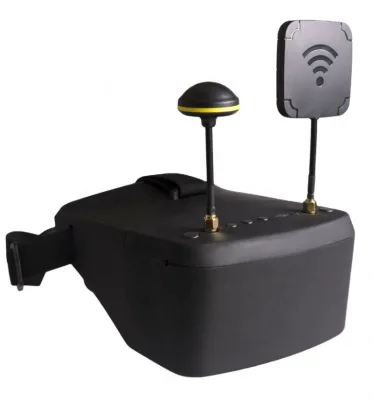


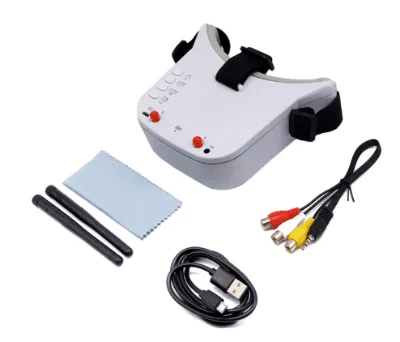
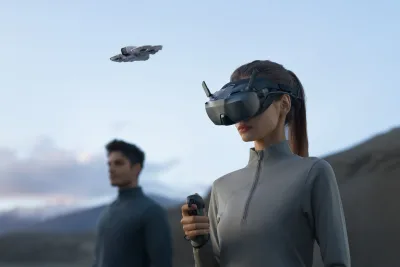
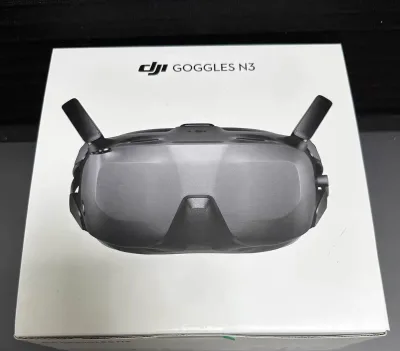
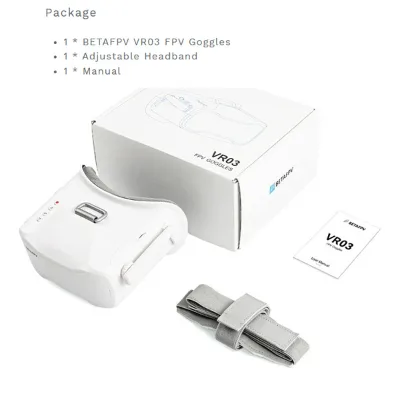
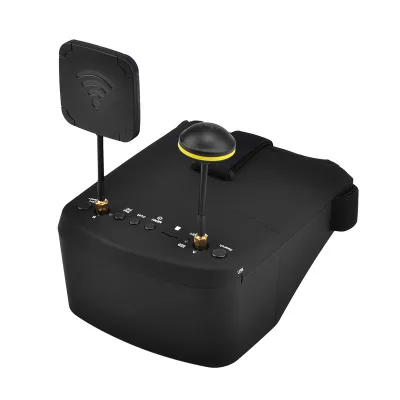
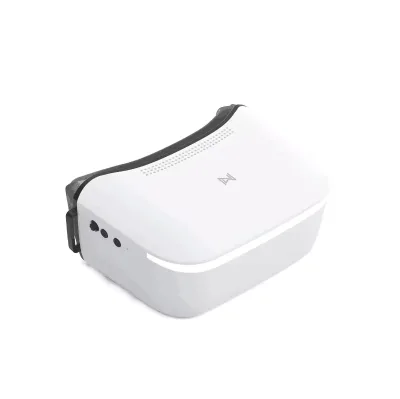
Factory Price Goggles FPV 800D VR Glasses Drone FPV Drone With Goggle Kit
$58.33 - $60.38
MOQ: 10 pieces


Comprehensive Sourcing Guide
Strategic Sourcing Guide for Avatar Style FPV Goggles
The procurement of avatar-style FPV (First Person View) goggles represents a specialized segment within the industrial and recreational drone market. These devices serve as the critical interface between the operator and the unmanned aerial vehicle, translating high-speed video feeds into immersive visual experiences. For buyers navigating this market, understanding the convergence of optical engineering, wireless transmission protocols, and ergonomic design is essential. The following guide synthesizes available product data and industry standards to provide a disciplined framework for sourcing these critical components.
Technical Architecture and Optical Specifications
The core functionality of avatar-style FPV goggles relies on a sophisticated integration of display technology and optical systems. Based on observed product attributes, the most advanced units in this category utilize OLED (Organic Light-Emitting Diode) screen materials. This choice of material is significant for procurement as it directly impacts contrast ratios, response times, and color accuracy, which are vital for maintaining situational awareness during high-speed operations. The observed specifications indicate a screen resolution of 1920*1080 pixels operating at 100Hz. This high refresh rate is a key differentiator, ensuring that motion blur is minimized during rapid drone maneuvers, a common requirement in industrial inspection and racing scenarios.
Optical performance is equally critical. The field of view (FOV) is a primary metric for immersion. In the observed data, specific models demonstrate an FOV of 50°, while other configurations, particularly those designed for night vision or binocular structures, may offer a wider range of 120+/-2°. Buyers must verify the specific FOV required for their application, as a wider field of view generally enhances peripheral awareness but may reduce the effective resolution per degree. Furthermore, the adjustable focus range is a crucial ergonomic feature. The observed data specifies an adjustable diopter range of +2.0 to -6.0 Diopter for certain models, with others offering a +/-3 range. This variability allows the goggles to accommodate operators with different vision prescriptions without the need for corrective eyewear, a significant factor in reducing fatigue during long-duration industrial missions.
The mechanical structure of these devices often incorporates a binocular design with a head-mounted style. The interpupillary distance (IPD) mechanical range is observed to be between 54mm and 74mm, ensuring a comfortable fit for a broad demographic of users. The foam material used for the face seal is typically PU (Polyurethane), which offers a balance of durability, comfort, and light sealing to prevent external light interference. The shell material is frequently cited as metal or plastic, with metal shells generally offering superior impact resistance and heat dissipation for high-power transmission units.
Wireless Transmission and System Performance
The reliability of the FPV link is determined by the communication frequency and transmission distance capabilities. The observed product data highlights a specific communication frequency band of 5.725-5.850GHz. This band is standard for high-bandwidth video transmission in the 5.8GHz spectrum, offering a balance between range and data throughput. Buyers should verify that the chosen system operates within local regulatory limits for this frequency band, as regulations vary significantly by country.
The transmission distance is a critical performance metric. The observed data indicates a capability of greater than 4km. However, this figure is often contingent on line-of-sight conditions and the absence of significant RF interference. The system supports a maximum code rate of 50 Mbps, which is necessary to sustain the 1080p/100Hz video feed with low latency. The observed minimum latency is an average of 22ms. In industrial applications, low latency is non-negotiable; a delay of even a few hundred milliseconds can lead to control instability or missed inspection opportunities. The power input requirements are observed to range from 7-26V (2s-6s), indicating compatibility with various drone battery configurations, though buyers must ensure their power supply matches the specific voltage requirements of the goggles to prevent damage.
Compliance, Certification, and Regulatory Standards
Navigating the regulatory landscape is a primary responsibility for B2B procurement teams. The observed product attributes explicitly list CE, FCC, and ISO certifications. These are not merely marketing terms but indicate adherence to specific safety and electromagnetic compatibility standards. The CE mark suggests compliance with European Union safety, health, and environmental protection requirements. The FCC certification indicates that the device meets the Federal Communications Commission's regulations regarding radio frequency interference in the United States. The ISO certification implies adherence to international management system standards, though the specific ISO number (e.g., ISO 9001 for quality management) should be verified against the supplier's documentation.
Buyers must also consider the "prod_standard" attribute, which in some observed listings refers to "small and medium size" or material specifications like "Material: plastic." This suggests that standardization may vary by product line. It is imperative to request the specific test reports associated with the CE and FCC claims. Without these documents, the certification status remains an unverified observation. Additionally, the product origin is listed as Guangdong Province, China, and specifically Shenzhen, a major hub for electronics manufacturing. While this provides insight into the supply chain geography, buyers should verify if the manufacturing facility holds the relevant ISO certifications claimed in the product description.
Cost Drivers and Procurement Economics
The price range for avatar-style FPV goggles observed in the market spans from $39.93 to $26,000. This extreme variance indicates a highly segmented market where price is driven by technical complexity, build quality, and intended application. The lower end of the spectrum likely corresponds to entry-level units with basic plastic shells, lower resolution displays, and shorter transmission ranges. The upper end, potentially reaching $26,000, suggests industrial-grade systems with advanced features such as infrared night vision capabilities, metal construction, and specialized software integration.
The Minimum Order Quantity (MOQ) is observed to range from 1 to 100 units. This flexibility allows for both pilot testing with single units and bulk procurement for fleet operations. The single package size is noted as 57x26x45 cm, with a gross weight of 2.000 Kg. These logistics parameters are essential for calculating shipping costs and storage requirements. Buyers should also note the "prod_packing" attribute, which lists "Carton" or "Original" packaging. For industrial clients, requesting reinforced packaging or custom branding may incur additional costs but is often necessary for protecting sensitive equipment during transit.
Typical Applications and Operational Context
The usage of these goggles is categorized as "Industrial," "Civil," and specifically for "FPV UAV Drone" applications. The structure is described as "Flapping-Wing UAV" in some contexts, though this is a specific drone type; the goggles themselves are generally compatible with various drone models, including "Drone RC" as noted in the specifications. The application of "Industrial" usage implies that these devices are used for tasks such as infrastructure inspection, search and rescue, agricultural monitoring, and security surveillance.
The "Operator Skill Level" is listed as "Beginner" in some listings, which may refer to the ease of use of the interface or the specific training required for the drone model rather than the goggles themselves. However, the "Function" includes "3D View Mode," which is essential for spatial awareness in complex environments. The "Operation Principle" for certain models involves "Infrared Night Vision" with a wavelength of 850nm, enabling operations in low-light or total darkness. This capability is a significant value driver for industrial buyers requiring 24/7 operational continuity. The "System" is identified as the "Avatar HD System," suggesting a proprietary ecosystem that may offer optimized performance but could also imply vendor lock-in for accessories or software updates.
Supplier Evaluation and Quality Control
When evaluating suppliers, buyers should prioritize those who can provide transparent documentation regarding the observed specifications. The presence of "Customization" and "Customized" attributes indicates that many suppliers offer tailored solutions. This could include modifications to the IPD range, custom foam materials, or specific firmware configurations. Buyers should verify the "Compatible Drone Model" to ensure seamless integration with their existing fleet.
Quality control should focus on the material integrity and optical performance. The "Shell Material" being metal versus plastic is a key differentiator for durability. For industrial applications, metal shells are generally preferred for their resistance to impact and environmental stress. The "Screen Material" being OLED should be verified for burn-in resistance and longevity. Buyers should request sample units to test the "Average Gain" of 2dBi and the "Transmission Distance" claims under real-world conditions. The "Single Package Size" and "Gross Weight" should be cross-referenced with shipping quotes to ensure accuracy in logistics planning.
Long-Term Procurement Considerations
Sourcing avatar-style FPV goggles is not a one-time transaction but a strategic partnership. The "Operating Radius" being "Remote" suggests that these devices are designed for long-distance operations, which requires robust support for maintenance and firmware updates. Buyers should inquire about the "Lead Time" and "MOQ" flexibility for future orders. The "Location" of the supplier in Guangdong, China, offers access to a mature supply chain, but buyers must consider geopolitical risks and shipping lead times.
Long-term considerations also include the availability of spare parts, such as replacement foam, screens, or battery adapters. The "System" compatibility is crucial; if the goggles are part of a proprietary ecosystem, the buyer must ensure that the supplier can support the system for the expected lifespan of the equipment. Finally, the "Certification" status must be maintained; if a supplier changes their manufacturing process or component suppliers, the CE and FCC certifications may need to be re-evaluated. Buyers should establish a contract clause that requires the supplier to notify them of any changes that could affect compliance or performance.
In conclusion, the procurement of avatar-style FPV goggles requires a meticulous approach that balances technical specifications with regulatory compliance and long-term operational needs. By focusing on the verified attributes of screen resolution, transmission distance, and certification status, buyers can make informed decisions that ensure the reliability and safety of their drone operations. The wide range of prices and features available allows for tailored solutions, but the responsibility lies with the buyer to validate every claim against the actual product capabilities and their specific operational requirements.
FAQs
What certifications do Avatar Style FPV Goggles typically have?
These goggles typically carry CE, FCC, and ISO certifications. Buyers should verify specific test reports for these marks to ensure compliance with regional safety and electromagnetic standards before procurement.
Which screen material offers the best performance for these goggles?
Advanced units utilize OLED screen materials for superior contrast and response times. This technology supports high refresh rates like 100Hz, which minimizes motion blur during rapid drone maneuvers in industrial applications.
How does the transmission distance compare for these devices?
Observed models support a transmission distance greater than 4km under line-of-sight conditions. This capability relies on the 5.725-5.850GHz frequency band and requires a clear path to maintain the 50 Mbps code rate.
Can these goggles accommodate different vision prescriptions?
Yes, they feature an adjustable diopter range to fit various vision needs. Specific models offer a range from +2.0 to -6.0 Diopter, allowing operators to use the device without corrective eyewear.
What is the minimum latency for the Avatar HD System?
The system achieves an average minimum latency of 22ms. This low delay is critical for industrial operations to ensure stable control and prevent motion sickness during high-speed flight scenarios.
Which packaging types are available for bulk orders?
Products are commonly shipped in carton packages or original packaging. Buyers should confirm specific packing requirements to ensure equipment protection during transit, especially for sensitive optical components.
What is the price range for these industrial goggles?
Prices range from 39.93 to 26000 USD depending on specifications. Entry-level units cost less, while industrial-grade models with night vision and metal shells command higher prices.