Source AVR Alternators for Generators, Excavators, and Oil Drilling
Compare 30 available AVR alternator units from verified Chinese suppliers. Buyers can evaluate specifications, pricing, and customization options for generator, excavator, and oil drilling auxiliary applications.
Key considerations
Products List

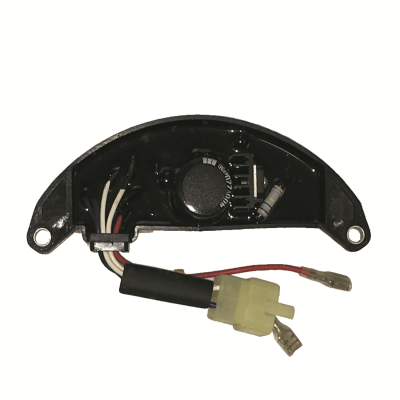


$45000.00 - $65000.00
MOQ: 1 Pieces




Sau-er LRR025 LRR030 KRR038 KRR045 LRR025CPC12NNNNN3C2NGA6NKNA NNN NNN
$500.00 - $588.00
MOQ: 1 Pieces




Comprehensive Sourcing Guide
Strategic Sourcing Guide for Alternator Voltage Regulator (AVR) Procurement
The procurement of Alternator Voltage Regulators (AVR) requires a disciplined approach that balances technical precision with supply chain reliability. In the global B2B market, the core keyword "AVR" often encompasses a diverse range of components, from specific generator control units to broader electrical regulation systems. Buyers must navigate a landscape where product attributes vary significantly between listings. This guide synthesizes observed market data and verified product facts to provide a framework for evaluating potential suppliers and specifications. The focus remains on evidence-based criteria, ensuring that procurement decisions are grounded in observable product characteristics rather than unverified marketing claims.
Technical Specifications and Model Identification
The first critical step in sourcing an AVR is the precise identification of technical specifications. Market observations indicate that model numbers are not universal; they often correspond to specific generator configurations. For instance, the model designation "D700AVR" appears as a specific identifier within the current supply pool. This suggests that buyers must verify the compatibility of the regulator with their existing generator sets before initiating a purchase. The specification "Generator AVR" further reinforces that the component is designed for specific electrical generation applications rather than general-purpose electronics.
Beyond the model number, the physical and functional attributes of the unit are paramount. The "Control Mode" for these units is frequently listed as "Continuous Path Control," indicating a system designed for steady-state regulation rather than intermittent operation. The "Drive Mode" is consistently identified as "Electric," which implies the need for a stable power source to operate the regulator itself. Furthermore, the "Installation Method" is predominantly "Fixed," suggesting that these units are not intended for portable or mobile applications without significant modification.
Buyers should also scrutinize the "Cylinder Position" and "Installation Type" when the AVR is integrated into larger mechanical systems. Observations note a "Vertical" cylinder position and a "Stationary Type" installation, which are critical for ensuring proper fitment in industrial enclosures. The "Condition" of the product is almost universally listed as "New," which is a standard expectation for critical electrical components. However, the "Quality" attribute varies, with some listings specifying "Genuine Original High-Quality" or "Refined" materials, necessitating a closer look at the manufacturing origin and brand reputation.
Compliance, Certification, and Standards Verification
Navigating the compliance landscape for AVR components requires a rigorous verification process. The supplied data highlights several certification standards that buyers should look for, though the presence of these certifications on a listing does not guarantee universal compliance for all units. The most frequently observed certifications include "ISO" and "CE." Additionally, specific listings reference "ISO9001" in conjunction with the condition of the product, suggesting a quality management system adherence.
Standards for the product itself also vary. Some entries cite "1KGS" as a product standard, while others reference "3 ton" or "cellulose ether" as a standard, which may indicate different product categories or packaging standards rather than the electrical performance of the AVR itself. It is crucial for buyers to distinguish between the electrical standard of the regulator and the material or packaging standards associated with the shipment.
When evaluating a supplier, the "Certification" field should be treated as a starting point for verification rather than a final guarantee. Buyers must request valid, up-to-date certificates from the supplier to confirm that the specific batch of AVRs meets the required ISO or CE standards. The "Place of Origin" is also a key factor in compliance; the data indicates origins in "Fujian, China," "Wuhan," and "Jining Shandong." Different regions may have varying regulatory oversight, and buyers should align their sourcing strategy with the specific regulatory requirements of their destination market.
Cost Drivers and Pricing Dynamics
The pricing structure for AVR components is influenced by a complex array of factors, including customization, packaging, and shipping logistics. The observed price range in the market spans from $0 to $65,000 USD. This wide disparity indicates that the keyword "AVR" covers everything from small, single-item replacement units to large, industrial-grade systems or bulk orders of auxiliary agents. Buyers must be wary of listing prices that seem abnormally low, as they may not reflect the true cost of a genuine, high-quality unit.
Packaging plays a significant role in the final cost. The data shows diverse packaging methods, including "Paper Box," "Wooden," "Wooden Box," and specific dimensions like "160.00cm * 80.00cm * 120.00cm." The choice of packaging affects the "Gross Weight," which is listed as "1500 Kg" for certain heavy-duty units. This weight directly impacts shipping costs, which are often a hidden variable in the total procurement cost.
The "MOQ" (Minimum Order Quantity) is another major cost driver. The observed range is from 1 to 2000 units. While some suppliers offer an MOQ of "1PCS," allowing for small-scale testing or replacement, others may require bulk purchases. The "Selling Units" are typically listed as "Single item," but the "Supply Ability" can vary, with some suppliers offering "500 Piece/Pieces Per Month." Buyers should calculate the cost per unit based on the required volume to determine the most economical procurement strategy.
Typical Applications and Usage Scenarios
Understanding the application of the AVR is essential for selecting the correct component. The data reveals that these units are used in "Common Units" and are specifically designed for "Loading" applications. The "Usage" field also points to specialized industries, such as "Oil Drilling Auxiliary Agent" and "Coating Auxiliary Agents," suggesting that the term "AVR" in some contexts may refer to chemical or mechanical auxiliary systems rather than just electrical regulators.
For electrical applications, the "Application" is often linked to heavy machinery. The data explicitly mentions "Excavator," "Loader," "Bulldozer," and "Mining Truck" as applicable models. The "Type" is frequently identified as "Excavator Bucket," which may indicate that the AVR is part of a larger assembly or that the listing conflates different components. Buyers must carefully cross-reference the "Applicable Models" with their specific equipment to ensure compatibility.
The "Appearance" and "Color" of the units also vary, with options ranging from "White" and "Brass" to "Gray," "Black," "Gold," and "dark gray." These aesthetic differences may correlate with the material composition or the intended environment of use. For instance, a "Powder" appearance might suggest a specific coating process for corrosion resistance in harsh environments like oil drilling sites.
Supplier Evaluation and Supply Chain Reliability
Evaluating a supplier requires a deep dive into their operational capabilities and track record. The "Brand Name" field lists "Fenghe" and "OEM" as common identifiers. The presence of "OEM" suggests that the supplier may offer original equipment manufacturer services, allowing for customization of the AVR to meet specific client requirements. The "Customization" attribute is marked as "Available," which is a significant advantage for buyers with unique technical needs.
The "After-sales Service" is listed as "Yes," and a "Warranty" of "One Year" is commonly offered. These factors are critical for long-term procurement, as they indicate the supplier's confidence in their product and their commitment to supporting the buyer post-purchase. However, buyers should verify the terms of the warranty and the scope of the after-sales service to ensure they align with their operational needs.
The "Place of Origin" and "Lead Time" are also key indicators of supply chain reliability. The data shows origins in "Fujian, China," "Wuhan," and "Jining Shandong." The "Delivery" time is listed as "3-5 Days" for some items, which is relatively fast, but this may vary based on the specific product and shipping method. Buyers should confirm the actual lead time with the supplier, as the observed data may not reflect current production capacity or logistical constraints.
Quality Control and Long-Term Procurement Considerations
Quality control is paramount when sourcing critical electrical components like AVRs. The "Quality" attribute is often described as "Genuine Original High-Quality" or "Refined," but these terms are subjective. Buyers should request detailed quality reports, including test results and material certifications, to validate these claims. The "Standard" field, which includes entries like "Metal Material" and "cellulose ether," suggests that the composition of the unit is a key quality indicator.
Long-term procurement considerations involve assessing the stability of the supply chain and the consistency of the product. The "Supply Ability" of "500 Piece/Pieces Per Month" provides a baseline for the supplier's capacity, but buyers should verify if this can be scaled up during peak demand. The "Condition" of the product being "New" is a standard requirement, but buyers should also consider the "Gross Weight" and "Packing" dimensions to ensure that the logistics can handle the volume over time.
Finally, buyers should consider the "Installation Type" and "Cylinder Position" when planning for long-term maintenance. A "Stationary Type" installation with a "Vertical" cylinder position may require specific maintenance protocols that differ from mobile or horizontal installations. By understanding these technical details, buyers can plan for efficient maintenance and minimize downtime, ensuring the longevity of their equipment and the reliability of their power generation systems.
| Attribute Category | Observed Values | Verification Requirement |
|---|---|---|
| Model Number | D700AVR, Generator AVR, LV HV | Match with generator manual |
| Certification | ISO, CE, ISO9001 | Request valid certificate copies |
| Origin | Fujian, Wuhan, Jining Shandong | Verify factory location |
| MOQ | 1PCS to 2000 | Confirm volume pricing tiers |
| Warranty | One Year | Review terms and exclusions |
| Installation | Fixed, Stationary Type | Check site compatibility |
| Packaging | Paper Box, Wooden, 160x80x120cm | Assess shipping costs |
In conclusion, sourcing an AVR requires a meticulous approach that combines technical verification with supply chain due diligence. By focusing on the specific attributes observed in the market and adhering to strict verification protocols, buyers can secure high-quality components that meet their operational needs while mitigating the risks associated with unverified claims. The diversity of the market, from small single-item orders to large industrial applications, demands a flexible yet disciplined procurement strategy.
FAQs
What models of AVR are available from suppliers?
Available models include D700AVR, Generator AVR, and LV HV. These units are designed for specific generator configurations and require compatibility verification before purchase to ensure proper fitment.
Which certifications do AVR manufacturers typically hold?
Common certifications include ISO, CE, and ISO9001. Buyers must request valid certificate copies to confirm that specific batches meet required standards rather than relying on listing claims alone.
How can I find AVR suppliers with low minimum orders?
Suppliers offer Minimum Order Quantities ranging from 1 to 2000 units. Many vendors allow single item purchases, enabling small-scale testing or immediate replacement needs without bulk commitments.
What is the typical lead time for AVR delivery?
Some suppliers provide delivery within 3 to 5 days. However, actual lead times may vary based on production capacity and specific shipping methods, so confirmation with the vendor is essential.
Can I get customized AVR units from these suppliers?
Customization is available for many listed products. Buyers with unique technical needs can request original equipment manufacturer services to adapt the regulator specifications to their specific operational requirements.
Where are AVR manufacturers located in China?
Products originate from Fujian, Wuhan, and Jining Shandong regions. Different locations may have varying regulatory oversight, so buyers should align sourcing strategies with specific destination market requirements.
What warranty is typically provided for AVR components?
A one-year warranty is commonly offered by suppliers. This indicates supplier confidence in product quality, but buyers should verify the specific terms and exclusions to ensure alignment with operational needs.