Source Axial Plunger Main Pump Parts for Concrete, Paving, and Industrial Use
Find 30 verified listings for Axial Plunger Main Pump Parts suitable for concrete pumps, paving machinery, and general industrial applications. Buyers can compare specifications, certifications, and delivery options from suppliers in China.
Key considerations
Products List

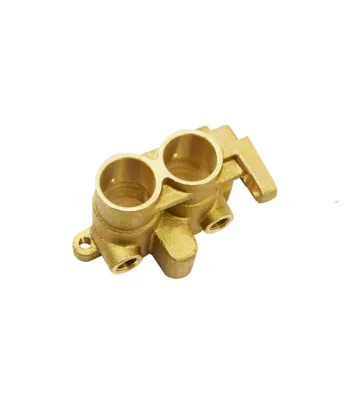


A7V Pump Spare Components A7V Axial Piston Pump Accessories Piston Pumpparts
$455.00 - $544.00
MOQ: 1 Pieces




Comprehensive Sourcing Guide
Strategic Sourcing Guide for Axial Plunger Main Pump Parts
The procurement of Axial Plunger Main Pump Parts represents a critical decision point for industrial operators maintaining heavy machinery, concrete pumps, and hydraulic systems. These components are not merely interchangeable items; they are precision-engineered elements that dictate the efficiency, longevity, and safety of the entire hydraulic circuit. When sourcing these parts, buyers must navigate a complex landscape of technical specifications, origin verification, and supply chain reliability. The following guide synthesizes available market data and industry standards to provide a disciplined framework for evaluating potential suppliers and ensuring the acquisition of high-quality replacement components.
Technical Specifications and Component Identification
The first step in any successful sourcing campaign is the precise identification of the required part. Axial plunger pumps vary significantly in design, pressure ratings, and internal geometry. Based on observed market data, the core keyword "Axial Plunger Main Pump Parts" often encompasses a broad spectrum of components, including piston assemblies, valve plates, swash plates, and cylinder blocks. Buyers must verify the specific model number before initiating contact with suppliers. For instance, specific listings indicate model identifiers such as "KT-30A001-316" or "A7V Piston Pump," which serve as critical reference points for compatibility.
Dimensional accuracy is paramount. The market data highlights that product dimensions are often model-dependent, with specific configurations like "56X45X55cm" or "8.33.48.3mm" appearing in specialized listings. However, these figures should be treated as observations of specific SKUs rather than universal standards. When evaluating a potential supplier, the buyer must demand a detailed technical drawing or a cross-reference chart that aligns the part's port size, which can range from 1/2" to 2", with the existing system requirements. The structure of the part is another vital consideration; while some listings describe a "Cylinder Type" structure, others may refer to "Swing Plunger Cylinder" or generic "pump accessories." The material composition is equally critical, with stainless steel variants (indicated by "316" in model numbers) often required for applications involving corrosive media or high-purity water, whereas standard carbon steel may suffice for general industrial applications.
Compliance, Certification, and Origin Verification
In the global supply chain, the origin of the product significantly influences both the quality perception and the regulatory compliance of the parts. The observed market data indicates a prevalence of products originating from China, specifically from regions such as Zhejiang and Guangdong. While "Made in China" is a common descriptor, buyers must distinguish between original equipment manufacturer (OEM) parts and high-quality replacement alternatives. The standard for these parts is frequently listed as "Original Or Replacement," a distinction that carries substantial weight in procurement decisions.
Certification serves as a tangible proxy for quality assurance. The market data explicitly references ISO9001 and CE certifications for certain listings, often coupled with the condition "New." These certifications suggest that the manufacturing facility adheres to international quality management systems and safety standards. However, buyers should not assume that every supplier in the category holds these credentials. It is essential to request valid, up-to-date certification documents directly from the supplier before placing an order. The presence of a "CE" mark, for example, is a mandatory requirement for selling machinery parts in the European Economic Area, while ISO9001 indicates a commitment to consistent quality control processes.
Furthermore, the concept of "Original" branding is a key differentiator. Some listings specify "Brand: Original" or "Brand: TOPFLOW," while others are generic. When sourcing for critical machinery, the distinction between an OEM part and a third-party replacement can impact warranty coverage and system performance. Buyers should verify if the supplier is an authorized distributor or if the parts are manufactured under license. The "Reach" certification mentioned in background data suggests an awareness of environmental regulations regarding hazardous substances, which is increasingly important for international trade compliance.
Cost Drivers and Pricing Dynamics
Understanding the cost structure of axial plunger pump parts is essential for budgeting and negotiation. The observed price range in the market is vast, spanning from $7 to $10,000 USD. This extreme variance is driven by several factors, including the complexity of the part, the material grade, the brand reputation, and the volume of the order. A simple seal or gasket may fall at the lower end of this spectrum, while a complete cylinder block or a precision-machined piston assembly will command a premium price.
Crucially, the market data indicates that for many high-value items, the price is listed as "Confirm with The Supplier." This suggests that pricing is not static and is likely influenced by raw material costs, currency fluctuations, and current inventory levels. Buyers should be prepared for dynamic pricing models where the final cost is determined after a detailed inquiry. The Minimum Order Quantity (MOQ) also plays a significant role in cost efficiency, with observed ranges from 1 to 500 units. Ordering larger quantities often reduces the unit cost but increases the upfront capital requirement and storage needs.
Additional cost drivers include packaging and logistics. The standard packaging for these parts is often described as "Export Standard Wooden Case" or "Carton Box+Wooden Case," designed to protect precision components during long-distance shipping. The choice of delivery method—Express, Air, or Sea—will also impact the total landed cost. While air freight offers speed, it is significantly more expensive than sea freight, which is often preferred for heavy or bulky pump components. Buyers must calculate the total cost of ownership, including freight, insurance, and potential customs duties, rather than focusing solely on the unit price.
Typical Applications and Operational Context
Axial Plunger Main Pump Parts are integral to a wide array of industrial applications. The observed market data highlights usage in "Concrete Pump Spare Parts," "Paving Machinery," and general "Industrial" settings. These components are designed to handle high-pressure hydraulic fluids, making them suitable for heavy-duty environments where reliability is non-negotiable. The "Application" field in supplier listings often specifies "General" or "Industrial," but the specific context of the machinery is vital for selecting the correct part.
For instance, parts used in concrete pumping machinery must withstand abrasive conditions and high cyclic loads. The "Shotcrete Type" mentioned in some listings, such as "Semi-Dry," indicates specific operational environments that may require enhanced durability or specific material treatments. Similarly, parts for paving machinery must endure vibration and shock loads. The media being pumped, typically "Water" or hydraulic oil, and the operating temperature, usually "Normal Temperature," are also critical factors. If the application involves extreme temperatures or corrosive fluids, the standard "Normal Temperature" rating may be insufficient, necessitating a custom solution or a part with specialized sealing materials.
The power source for the pump system is another consideration. While some parts are associated with "Manual" power in specific contexts, most axial plunger pumps in industrial settings are driven by electric or diesel engines. The "Power" attribute is often listed as "Depend on Model," reinforcing the need for buyers to match the part to the specific drive system of their machinery. Understanding the operational context ensures that the purchased parts can withstand the specific stressors of the application, preventing premature failure and costly downtime.
Supplier Evaluation and Quality Control
Evaluating a supplier requires a multi-faceted approach that goes beyond checking a price list. The "Condition" of the parts is a primary indicator of quality, with most listings specifying "100% New" or "New." However, buyers must verify this claim through visual inspection or third-party testing upon receipt. The "After-Sales Service Provided" is another critical metric, with "Online Support" being a common offering. This support can be invaluable for troubleshooting installation issues or diagnosing performance problems post-delivery.
Quality control should be embedded in the procurement process. Buyers should inquire about the supplier's internal quality assurance protocols. Do they perform dimensional checks on every batch? Are there traceability records for the raw materials used? The "Warranty" period is a strong indicator of supplier confidence; observed data shows warranties ranging from 1 year to 3 years. A longer warranty period often suggests that the manufacturer stands behind the durability of their product. However, the terms of the warranty must be clearly understood, including what constitutes a valid claim and the process for replacement or repair.
The "Customization" capability is also a significant differentiator. Many suppliers offer "OEM, ODM" support, allowing for tailored solutions that meet specific machine requirements. This flexibility is particularly useful when dealing with older machinery where original parts may no longer be in production. Buyers should assess the supplier's ability to handle custom orders, including lead times and minimum order quantities for customized runs. The "Delivery Time" of 7-10 days observed in the market suggests a relatively quick turnaround for standard items, but customized parts may require longer lead times.
Long-Term Procurement Considerations
Sourcing Axial Plunger Main Pump Parts is not a one-time transaction but part of a long-term maintenance strategy. The "Stock" status of the supplier is a key factor in ensuring continuity of operations. The market data indicates that many suppliers maintain "in Stock" inventory, which is crucial for minimizing downtime in critical applications. However, relying solely on a single supplier can be risky. Buyers should develop a diversified supplier base to mitigate the risk of supply chain disruptions.
The "Port Size" and "Dimension" compatibility must be re-verified periodically, as machinery modifications or upgrades may alter the requirements. Maintaining a detailed inventory of spare parts, including model numbers and specifications, helps in planning future procurement cycles. Additionally, the "Package" quality, described as "Standard Export Packing" or "Boxer," ensures that parts arrive in optimal condition, reducing the risk of damage during transit.
Finally, buyers should consider the total lifecycle cost of the parts. While a cheaper part may seem attractive initially, the potential for premature failure and associated downtime costs can far outweigh the savings. Investing in high-quality parts with robust warranties and certified origins often yields a better return on investment over the long term. By focusing on technical compatibility, supplier reliability, and comprehensive quality control, buyers can secure a steady supply of Axial Plunger Main Pump Parts that keep their industrial operations running efficiently and safely.
FAQs
What warranty periods are available for these parts?
Warranty periods typically range from 1 to 3 years depending on the specific supplier and product model. Buyers should verify the exact warranty terms, such as the 1-year or 3-year options observed in listings, before finalizing the purchase to ensure adequate coverage for their machinery.
Which certifications should I look for in a supplier?
Reputable suppliers often provide ISO9001 and CE certifications to demonstrate adherence to quality and safety standards. These credentials are critical for ensuring the parts meet international requirements, especially when sourcing from manufacturers in regions like Zhejiang or Guangdong in China.
How long does delivery usually take for these components?
Standard delivery times are typically between 7 to 10 days for in-stock items. The actual timeline may vary based on the chosen shipping method, such as Express, Air, or Sea, and the specific origin location of the supplier providing the parts.
Can I request custom packaging for these spare parts?
Yes, suppliers often offer customized packaging solutions to meet specific export or shipping requirements. Common options include Export Standard Wooden Cases or Carton Boxes, ensuring the precision components are protected during transit while adhering to the buyer's logistical needs.
What is the typical price range for these pump parts?
The market price range is broad, spanning from 7 to 10,000 USD depending on the part complexity and brand. Many high-value items require price confirmation directly with the supplier, as costs fluctuate based on material grades, order volume, and current inventory levels.
Which model numbers are commonly available for these parts?
Common model identifiers include KT-30A001-316 and A7V Piston Pump, which serve as key references for compatibility. Buyers must match these specific model numbers to their existing machinery to ensure the axial plunger parts fit correctly within the hydraulic system.
What customization support is offered for these components?
Suppliers frequently provide OEM and ODM customization support to tailor parts to specific machine requirements. This flexibility allows buyers to obtain unique specifications, such as specific port sizes or material grades, when standard off-the-shelf options do not meet their operational needs.