Source Back Brace for Waist Support, Fracture Fixation, and Spine Relief
Find 30 Back Brace options for waist support, fracture fixation, and spine relief. Compare specifications including materials like nylon and spandex, certifications such as CE and ISO, and customization services from Hebei suppliers.
Key considerations
Products List




Comprehensive Sourcing Guide
Back Brace Sourcing Guide
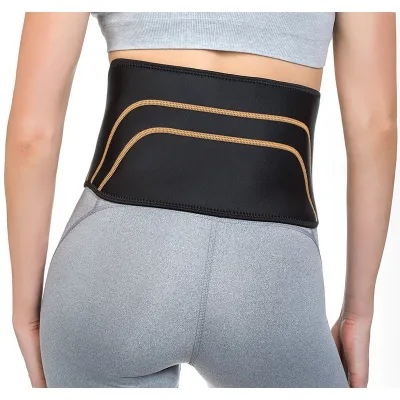
Sourcing back braces requires a nuanced understanding of medical device classifications, material science, and regulatory compliance. These products range from simple elastic supports to complex external fixators designed for fracture stabilization. Buyers must distinguish between general wellness items and regulated medical devices, as this distinction dictates the necessary certifications, testing protocols, and supplier qualifications. The market offers a wide variety of configurations, including waist supports, shoulder and neck braces, and vertebral alignment tools, each serving distinct clinical or ergonomic purposes.
Procurement decisions should be driven by the specific therapeutic or protective function required by the end-user. Whether the goal is to correct deformities, reduce pressure on the spine, or provide general protective support, the selection criteria must align with the intended use site and the severity of the condition being addressed. This guide outlines the critical factors for evaluating Back Brace suppliers, ensuring that sourced products meet safety standards, functional requirements, and commercial viability for your supply chain.
Product Scope and Observed Listing Signals
The observed market data indicates a diverse product portfolio centered on back and spinal support systems. Key product models identified include DNHY-02, DNOR-15, DNOR-05, DN-P21, DNOR-B06, and DNOR-B12. These models vary significantly in their construction and intended application. For instance, some products are designed for waist support using materials like nylon and spandex, while others incorporate steel bones or stays for rigid fixation at the vertebra or chest. The color options observed, such as blue, grey, brown, black, and white, suggest that aesthetic preferences may play a role in consumer-facing distribution, though clinical utility remains the primary driver for B2B procurement.
Material composition is a critical differentiator among the listed products. Common materials include nylon, spandex, polyester, sponge, mesh fabric, and steel stays. The presence of steel bones or stays in models like DNOR-15 and DNOR-B06 indicates a focus on structural integrity and immobilization, suitable for fracture fixation or severe support needs. In contrast, products made primarily from elastic bands and mesh fabric, such as DNOR-B12, likely offer flexibility and breathability for general posture correction or mild support. Buyers should carefully match the material profile to the required level of rigidity and comfort for their target market.
Technical Specifications to Verify
Technical specifications vary widely across the observed product range, necessitating rigorous verification of dimensions, weight, and structural components. Standard sizes observed include S, M, L, XL, 2XL, 3XL, and Free Size, indicating that sizing flexibility is a common feature. However, buyers must verify the specific sizing charts for each model, as fit is critical for the efficacy of back braces. The weight of the products also varies, with observed standards ranging from 100g to 1000g. Lighter products may be preferred for all-day wear, while heavier, more robust units might be reserved for post-injury recovery or specific medical interventions.
The functional attributes of the braces must be clearly defined to ensure they meet the intended clinical or ergonomic goals. Products are categorized by their using site, including the waist, vertebra, chest, and shoulder/neck. Functions range from providing protective support to the back and reducing pressure on the spine to correcting deformities and facilitating fracture fixation. Additionally, the type of product is specified as an "External Fixator" for certain models, which implies a higher level of medical intervention. Buyers should confirm that the mechanical design, such as the number and placement of stays or bones, aligns with the stated function and provides adequate support without causing discomfort or skin irritation.
Compliance and Safety Documentation
Regulatory compliance is paramount when sourcing back braces, particularly those classified as medical devices. The observed certifications include CE and ISO, which are essential for market access in many regions. The CE mark indicates conformity with health, safety, and environmental protection standards for products sold within the European Economic Area. ISO certification, potentially including ISO 13485 for medical device quality management, suggests that the supplier adheres to rigorous quality control processes. Buyers must verify the specific scope of these certifications to ensure they cover the exact product models being sourced and the intended markets of distribution.
Safety documentation should also include material safety data and biocompatibility testing results, especially for products in direct and prolonged contact with the skin. Materials such as nylon, spandex, and polyester should be free from harmful chemicals and allergens. The presence of steel components requires verification of corrosion resistance and smooth edge finishing to prevent injury. Buyers should request test reports that confirm the durability of the materials and the integrity of the stitching or bonding processes. Ensuring that the products meet relevant regional standards for medical devices or general consumer goods is a non-negotiable aspect of the procurement process.
Cost Drivers and Commercial Terms
Cost structures for back braces are influenced by material complexity, manufacturing processes, and customization options. Products with steel bones, stays, or specialized fabrics like mesh and sponge likely incur higher production costs due to the need for precise cutting, assembly, and quality control. Customization services, such as OEM branding or specific color and size requirements, can also impact pricing. The observed MOQ range of 1 to 3000 units suggests flexibility for both small-scale testing and large-volume orders, but buyers should negotiate tiered pricing structures to optimize costs for higher volumes.
Commercial terms should be clearly defined to mitigate supply chain risks. Lead times, payment terms, and shipping responsibilities must be agreed upon in advance. The observed shelf life of five years for some products indicates stable material properties, but buyers should still verify storage conditions and expiration policies. Packaging options, such as OPP bags, plastic bags, or PE bags with cartons, affect both product protection and logistics efficiency. Buyers should assess the total landed cost, including packaging, shipping, and potential tariffs, to ensure competitive pricing in their target market.
Supplier Qualification and Quality Control
Supplier qualification involves a thorough assessment of manufacturing capabilities, quality management systems, and ethical standards. Buyers should verify the supplier's production capacity, equipment, and workforce expertise, particularly for products requiring precise assembly of medical-grade components. The origin of the products, such as Hebei, may provide insights into the regional supply chain and logistics advantages. However, geographic origin should not be the sole determinant of quality; instead, focus on the supplier's track record, client references, and adherence to international quality standards.
Quality control processes must be robust to ensure consistent product performance. Buyers should implement incoming quality inspections, focusing on dimensional accuracy, material integrity, and functional testing. For products with steel components, check for rust resistance and secure attachment. For elastic products, verify stretch recovery and durability. Establishing clear acceptance criteria and sampling plans is essential. Regular audits of the supplier's facility and quality management system can help identify potential issues early and ensure ongoing compliance with agreed-upon standards.
Long-Term Procurement Checks
Long-term procurement success depends on continuous monitoring of product performance, regulatory changes, and market trends. As regulations evolve, particularly in the medical device sector, suppliers must maintain their certifications and adapt to new requirements. Buyers should stay informed about updates to CE marking guidelines, ISO standards, and regional regulations to ensure ongoing compliance. Regular reviews of supplier performance, including on-time delivery, product quality, and responsiveness, are crucial for maintaining a reliable supply chain.
Feedback from end-users and healthcare professionals should be integrated into the procurement process to drive product improvements. Monitoring adverse events or customer complaints can provide valuable insights into potential design flaws or material issues. Additionally, staying abreast of technological advancements in Back Brace design, such as new materials or ergonomic features, can help buyers remain competitive. Building a strong partnership with suppliers based on transparency, mutual growth, and shared commitment to quality will ensure long-term success in the Back Brace market.
FAQs
What materials are used in these back braces?
These back braces are constructed from durable materials including nylon, spandex, polyester, and steel bones. Some models also incorporate sponge and mesh fabric for enhanced comfort and support during daily activities.
Which certifications do the back braces hold?
The products hold CE and ISO certifications to ensure safety and quality standards. These certifications verify that the manufacturing processes meet international requirements for medical and support devices used in various settings.
Can I customize the Back Brace specifications?
Customization is available for specific models, while others are sold as non-customized standard items. Buyers can request tailored solutions for OEM services depending on the specific product model and supplier capabilities.
What is the shelf life of the back braces?
The back braces have a shelf life of five years when stored properly. This duration ensures the materials maintain their structural integrity and support functions for extended periods before use.
How are the back braces packaged for shipping?
Packaging options include OPP bags, plastic bags, and PE bags often combined with cartons. The specific packaging method depends on the product model and the requirements of the supplier or buyer.
Where are these back braces manufactured?
The products originate from Hebei, a region known for manufacturing medical support devices. This location serves as the primary production base for the listed Back Brace models and related accessories.