Source Baby Wool Blend Knit Jumper for infants, toddlers, and kids
Compare 30 listings of Baby Wool Blend Knit Jumper options featuring crew neck and O-neck styles. Buyers can evaluate suppliers offering ODM and OEM services with customized logos and eco-friendly materials for spring, autumn, and winter seasons.
Key considerations
Products List
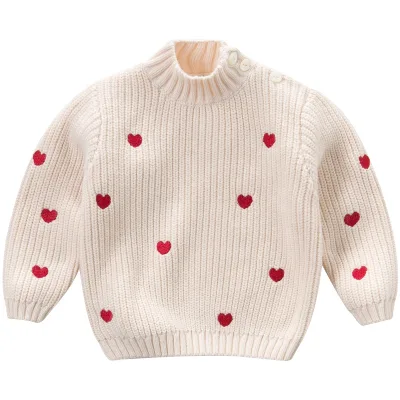


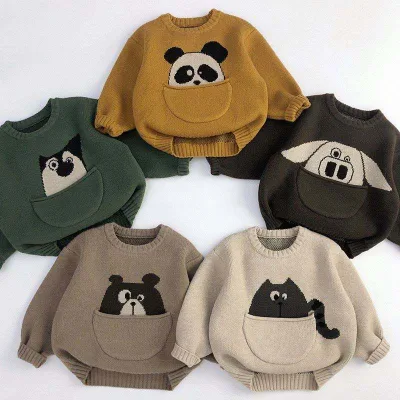


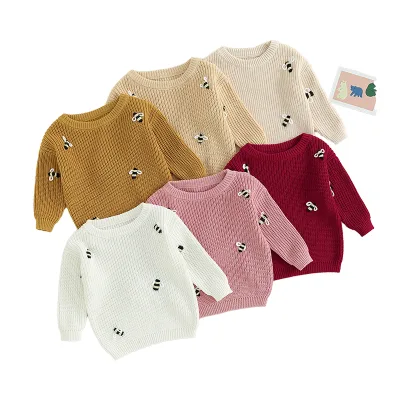


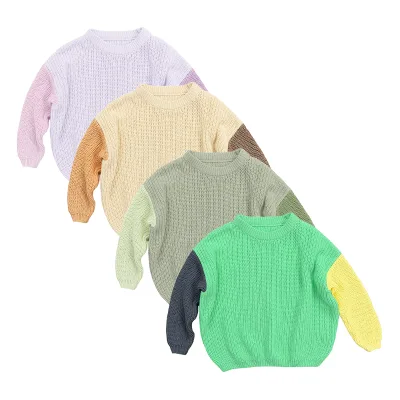

Winter Baby Knitted Jumper Pullover Vintage Fall Sweater for Baby and Kids.
$9.00 - $20.00
MOQ: 2 pieces

Solid Knit Unisex Baby Knitting Clothing Cotton Cardigan Sweater for Spring.
$10.00 - $20.00
MOQ: 2 pieces

100% Cotton Knitting Sprinkle Cotton Hot Sell Jersey Stitch Baby Sweater Jumper.
$9.00 - $20.00
MOQ: 2 pieces

Custom Knitting Baby Sweater Solid Chunky Texture Cotton Jumper Sweater.
$12.00 - $20.00
MOQ: 2 pieces

New Design 100% Cotton Knitted Baby Sweater Kids Jumper Solid Color for Spring.
$8.00 - $18.00
MOQ: 1 pieces

Rts Boutique Baby Winter Pullover Kids Unisex Oversized Jumpers Knit Sweater
$9.00 - $20.00
MOQ: 1 pieces


Comprehensive Sourcing Guide
Baby Wool Blend Knit Jumper Sourcing Guide
Sourcing baby wool blend knit jumpers requires a careful balance between material comfort, safety compliance, and manufacturing flexibility. The infant apparel market is highly sensitive to tactile quality and regulatory adherence, as garments come into direct contact with sensitive skin. Buyers must navigate a landscape where "wool blend" can vary significantly in composition, affecting both the final product’s performance and its cost structure. This guide provides a structured approach to evaluating suppliers, verifying technical specifications, and managing commercial risks associated with this product category.
The following sections outline the critical decision points for procurement professionals. By focusing on verified attributes such as gauge, fiber content, and customization capabilities, buyers can establish clear requirements that align with their brand positioning. The guidance emphasizes evidence-based verification steps, ensuring that sourcing decisions are grounded in observable product data and established industry standards rather than unverified marketing claims.
Product Scope and Observed Listing Signals
The observed market signals indicate a diverse range of offerings targeting the infant and toddler demographic, specifically for children aged 0-7 years. Listings frequently highlight features such as anti-pilling, anti-shrink, and breathability, which are critical for maintaining garment integrity through repeated washing and wear. The presence of ODM and OEM service options suggests that many manufacturers are equipped to handle custom designs, allowing brands to differentiate their products through unique patterns, colors, and logo placements. This flexibility is particularly valuable for buyers seeking to create exclusive collections that stand out in a crowded marketplace.
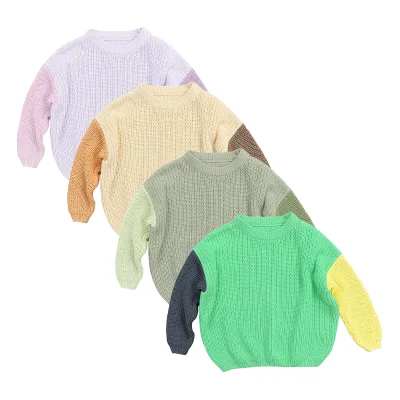
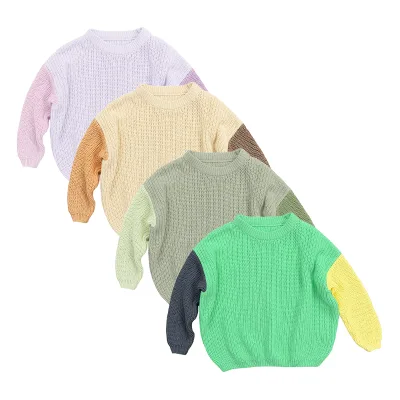
Color options observed in the current market include Khaki, Dark Coffee, Turmeric, Apricot, and Army Green, reflecting a preference for earthy and neutral tones that are both practical and aesthetically pleasing for young children. The product types range from crew neck to O-neck styles, with some listings specifying long sleeves and others indicating half-cardigan knitted designs. These variations cater to different seasonal needs and styling preferences, with spring/autumn and winter seasons being the primary focus. Buyers should carefully match these observed attributes with their specific target audience’s needs, ensuring that the selected style aligns with the intended use case and seasonal demand.
Technical Specifications to Verify
Verifying the technical specifications of baby wool blend jumpers is essential to ensure product quality and consistency. The gauge of the knit, such as 7 GG, is a critical factor that influences the fabric’s density, warmth, and durability. A higher gauge typically results in a finer, softer fabric, which is desirable for infant wear, while a lower gauge may produce a thicker, more robust material suitable for colder conditions. Buyers should request detailed technical sheets that specify the exact gauge, fiber composition, and weight per square meter to ensure that the product meets their quality standards.
Thickness and weight are also key specifications that need to be verified, as they directly impact the garment’s comfort and suitability for different climates. Listings may indicate standard or thick thickness levels, and weights can vary significantly depending on the material blend and construction method. Additionally, the sleeve style, whether regular or long sleeve, and the collar type, such as crew neck or O-neck, should be confirmed to ensure they align with the design requirements. Buyers should also inquire about the lining material, if applicable, as cotton linings can enhance comfort and reduce irritation for sensitive skin.
Compliance and Safety Documentation
Compliance with safety standards is non-negotiable when sourcing baby apparel, as these products are subject to strict regulatory requirements to protect infants from potential hazards. Buyers must ensure that suppliers provide comprehensive documentation, including test reports for flammability, chemical safety, and physical security, such as the absence of small detachable parts that could pose a choking risk. It is crucial to verify that the materials used, including the wool blend and any additional components like buttons or zippers, meet the relevant safety standards for infant clothing in the target market.
In addition to safety testing, buyers should request certificates of conformity and material safety data sheets to confirm that the products comply with local and international regulations. These documents provide evidence that the manufacturer has adhered to strict quality control measures and has conducted necessary tests to ensure the safety of the final product. Buyers should also inquire about the supplier’s quality management systems and whether they have undergone any third-party audits to further validate their commitment to safety and compliance.
Cost Drivers and Commercial Terms
Understanding the cost drivers associated with baby wool blend knit jumpers is essential for effective budgeting and pricing strategies. The primary cost factors include the raw material prices, which fluctuate based on the quality and type of wool and other fibers used in the blend, as well as the manufacturing complexity, such as the gauge, stitch pattern, and customization options. Buyers should negotiate clear pricing structures that account for these variables, ensuring that they receive accurate quotes that reflect the true cost of production.
Commercial terms, including minimum order quantities (MOQs), lead times, and payment terms, also play a significant role in the overall cost and supply chain efficiency. Observed MOQs range from 1 to 200 units, offering flexibility for both small-scale and large-scale orders. Lead times for sample orders can be as short as seven days, which is beneficial for rapid prototyping and quick market testing. Buyers should establish clear agreements on these terms to avoid unexpected delays or costs, and consider the implications of customization on production timelines and pricing.
Supplier Qualification and Quality Control
Supplier qualification is a critical step in ensuring that the sourced baby wool blend knit jumpers meet the required quality and safety standards. Buyers should conduct thorough due diligence on potential suppliers, including verifying their business licenses, production capabilities, and past performance records. It is advisable to request samples for evaluation, assessing factors such as fabric quality, stitching consistency, and overall finish. Suppliers that offer ODM and OEM services should be evaluated based on their ability to meet specific design requirements and their responsiveness to feedback.
Quality control measures should be integrated into the procurement process to minimize the risk of defects and ensure consistent product quality. Buyers should establish clear quality standards and inspection criteria, and consider implementing third-party inspections during production and before shipment. Regular communication with suppliers regarding quality expectations and any issues that arise is essential for maintaining high standards. Additionally, buyers should inquire about the supplier’s defect rate and their procedures for handling non-conforming products, ensuring that there is a clear process for addressing any quality concerns.
Long-Term Procurement Checks
Long-term procurement success depends on establishing strong, collaborative relationships with suppliers and continuously monitoring performance. Buyers should implement a structured supplier evaluation process that includes regular reviews of quality, delivery performance, and responsiveness. This ongoing assessment helps identify potential issues early and allows for corrective actions to be taken before they impact the supply chain. Building a partnership based on mutual trust and clear communication can lead to improved service levels and more favorable terms over time.
Furthermore, buyers should stay informed about changes in market trends, regulatory requirements, and material availability that may affect the sourcing of baby wool blend knit jumpers. Regularly updating product specifications and requirements based on customer feedback and market insights ensures that the sourced products remain relevant and competitive. By maintaining a proactive approach to supplier management and market analysis, buyers can mitigate risks and secure a reliable supply of high-quality baby apparel that meets the evolving needs of their customers.
FAQs
Can I order samples before placing a bulk order?
Yes, 7-day sample order lead time is supported for this product. Buyers can request samples to verify quality before committing to larger quantities, ensuring the knitted sweater meets specific requirements for infants and toddlers.
What customization options are available for the logo?
Customized logo printing is available for this Baby Wool Blend Knit Jumper. The product supports ODM and OEM services, allowing buyers to specify unique designs while maintaining the standard knitted construction and casual style.
Which materials are used in the sweater construction?
The sweater is constructed using cotton material with a standard wool lining. This combination ensures the garment remains soft and breathable while providing the necessary warmth for spring, autumn, and winter seasons for young children.
What is the typical lead time for sample orders?
The lead time for sample orders is 7 days. This quick turnaround supports efficient product evaluation, allowing buyers to assess the half cardigan knitted design and anti-pilling features before proceeding with full production runs.
How is the product packed for shipping?
Products are packed in polybags or carton boxes depending on the order. Specific packing dimensions like 40x38x3 cm are used for single packages, ensuring safe transport while accommodating the customized weight and size requirements.
What age groups is this sweater designed for?
This sweater is designed for infants and toddlers aged 0 to 7 years. The unisex design and crew neck or O-neck styles make it suitable for various young children, offering a casual look with long sleeves.
Can I request specific thickness for the knitted fabric?
Yes, thickness can be customized to meet specific needs, ranging from standard to thick options. Buyers can specify these details during the OEM or ODM service process to ensure the garment fits the intended seasonal use.