Source Backpack Type Rice Harvester for Wheat, Corn, and Soybean
Find and compare 30 Backpack Type Rice Harvester models suitable for small-scale farming. Evaluate features like diesel or electric power, gear drive transmission, and portability for harvesting rice, wheat, corn, and soybean crops efficiently.
Key considerations
Products List

Paddy Harvesting Machine Rice Combine Harvester Machine Rice Harvester
$10000.00 - $18000.00
MOQ: 1 Pieces

Paddy Rice Harvester Combine Harvester Machine Rice Harvester Rice Harvester
$10000.00 - $18000.00
MOQ: 1 Pieces

Advanced Rice Harvester Rice Cutter Harvester Machine Rice Harvester for Sale
$10000.00 - $18000.00
MOQ: 1 Pieces

High-Power Rice Combine Harvester Combined Harvester for Rice Corn and Rice Harvester
$10000.00 - $18000.00
MOQ: 1 Pieces




Comprehensive Sourcing Guide
Backpack Type Rice Harvester Sourcing Guide
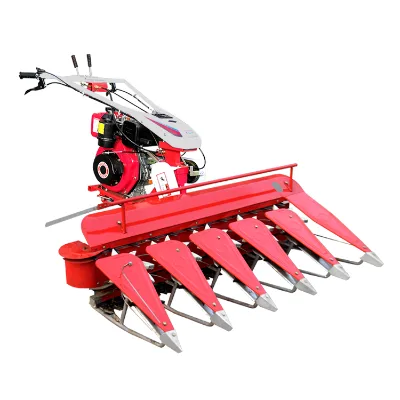
Selecting the right agricultural machinery requires a clear understanding of the specific operational context, as the term "Backpack Type Rice Harvester" often refers to distinct categories of equipment ranging from lightweight manual assist tools to more complex portable units. In the current market, buyers frequently encounter listings that describe portable harvesters with varying transmission modes, power sources, and harvesting methods. It is critical to distinguish between true backpack-mounted units designed for individual operator mobility and larger, self-propelled horizontal cut harvesters that may be mislabeled or grouped in the same search results. The core keyword suggests a focus on portability and ease of use in small-scale or difficult terrain farming, but the actual product landscape includes diverse configurations that serve different agricultural needs.
Procurement decisions must be grounded in verified technical specifications rather than marketing terminology alone. The observed market data indicates a wide variance in product attributes, including diesel and electric power sources, gear drives, and vibration fall harvesting methods. Buyers must carefully cross-reference the supplier’s claims with the actual physical requirements of their farming operation. For instance, while some listings highlight a "Luxury Air-Conditioned Cab" and significant operating weights, these features are incompatible with the concept of a backpack harvester. Therefore, the primary challenge in sourcing is filtering out irrelevant heavy machinery to identify genuine portable solutions that match the intended application field of rice, wheat, or other crops.
Product Scope and Observed Listing Signals
The product scope for portable and backpack-style harvesters is defined by their ability to operate in confined spaces and their relatively low weight compared to traditional combine harvesters. Observed listings reveal a spectrum of applications, including rice, wheat, corn, soybeans, tubers, and even cotton or fruit harvesting in some contexts. This versatility suggests that the underlying technology may be adaptable to various crop types, provided the cutting mechanism and feeding speed are appropriate. Buyers should note that some products are explicitly labeled as "Portable Harvester Type: Backpack Type," while others are described as "Horizontal Cut Harvester" with substantial weights, indicating a need for careful categorization during the sourcing process.
Listing signals also highlight significant variations in physical dimensions and packing standards, which directly impact logistics and storage. Some portable units are packed in wooden cases with standard dimensions such as 650840920mm, while others may have different packing requirements like 1.5CBM volume. The color options observed, primarily red and green, are aesthetic choices that do not affect performance but may influence brand visibility in the field. Additionally, the presence of specific model numbers like "4gl120" or "YC-16" provides a reference point for technical support and spare parts availability, which is crucial for long-term maintenance. Buyers must verify that the listed dimensions and packing methods align with their storage facilities and transportation capabilities.
Technical Specifications to Verify
Technical verification begins with the power source and transmission system, as these components determine the machine’s efficiency and maintenance requirements. Observed data indicates that portable harvesters may utilize electric power sources with Vee belt drives or diesel engines with gear drives. For a true backpack or lightweight portable unit, electric or small-engine options are typically preferred due to their lower weight and reduced vibration. The transmission mode, such as a triangle belt or soft shaft, also plays a critical role in power delivery to the cutting head. Buyers should request detailed schematics to confirm that the transmission system is suitable for the intended crop density and moisture content, ensuring that power loss is minimized during operation.
Another critical area for verification is the harvesting method and feeding speed, which directly impact productivity. Some listings mention a "Vibration fall" harvesting method, which is distinct from the "Cutting" method used in larger horizontal harvesters. The feeding speed, observed at 7kg/S for certain models, provides a benchmark for throughput, but buyers must ensure this metric is relevant to their specific crop type. Additionally, the plant height compatibility, ranging from 300-1000mm in some listings, is a vital specification to prevent crop loss or machine damage. Buyers should also check the track gauge or wheel configuration if the unit is not strictly handheld, as stability on uneven terrain is essential for safe and efficient operation.
Compliance and Safety Documentation
Compliance with international and local safety standards is non-negotiable when sourcing agricultural machinery, particularly for equipment that involves moving parts and high-speed cutting mechanisms. The observed listings frequently cite CE certification, which indicates conformity with health, safety, and environmental protection standards for products sold within the European Economic Area. While CE marking is a common indicator of basic safety compliance, buyers should verify that the certification is valid and covers the specific model and power source being purchased. It is also important to check for additional certifications such as ISO9001 for quality management systems, which suggests that the manufacturer adheres to consistent production processes.
Safety documentation should also include detailed user manuals, warning labels, and maintenance guides in the buyer’s local language. For electric-powered portable harvesters, buyers must ensure that the electrical components meet local voltage and frequency requirements to prevent overheating or electrical hazards. In the case of diesel-powered units, emissions compliance and noise level certifications may be required depending on the destination market. Buyers should request copies of these documents before placing an order to ensure that the machinery can be legally operated and insured in their region. Failure to verify these documents can lead to customs delays or operational bans.
Cost Drivers and Commercial Terms
The cost of portable harvesters is influenced by several factors, including the power source, material quality, and level of customization available. Observed price ranges in the market span from $6 to $25,000, reflecting the vast difference between simple manual-assist tools and complex, engine-powered portable units. Buyers should be cautious of prices that seem unusually low, as they may indicate inferior materials or lack of essential safety features. Conversely, higher prices may include additional features such as air-conditioned cabs or advanced transmission systems, which are not relevant for backpack-style units. Understanding these cost drivers helps buyers allocate their budget effectively and avoid overpaying for unnecessary features.
Commercial terms, including minimum order quantity (MOQ) and shipping arrangements, also play a significant role in the total cost of ownership. The observed MOQ range of 1-99 units suggests that suppliers are flexible, allowing small-scale farmers or cooperatives to purchase single units. However, buyers should negotiate shipping terms carefully, as the packing method (e.g., wooden case or standard shipping) can affect freight costs and damage risk. Customization options are available, which may incur additional costs but can tailor the machine to specific crop requirements. Buyers should clarify whether the quoted price includes taxes, duties, and after-sales support to avoid unexpected expenses during the procurement process.
Supplier Qualification and Quality Control
Supplier qualification is a critical step in ensuring the reliability and longevity of the purchased machinery. Buyers should prioritize suppliers who have a proven track record in manufacturing agricultural equipment and who provide transparent information about their production facilities. The observed origin of many products is China, with specific mentions of Shandong as a manufacturing hub. While this region is known for its industrial capabilities, buyers should conduct due diligence to verify the supplier’s reputation, including customer reviews and references from other agricultural buyers. It is also advisable to request samples or conduct factory audits if the order volume justifies it.
Quality control measures should be clearly defined in the purchase agreement, including inspection protocols and warranty terms. Buyers should verify that the supplier implements rigorous testing procedures for key components such as the engine, transmission, and cutting blades. For portable harvesters, durability and ease of repair are paramount, so buyers should inquire about the availability of spare parts and the supplier’s technical support capabilities. Additionally, buyers should check if the supplier offers customization services to adapt the machine to local conditions, such as different crop types or terrain features. A reliable supplier will provide comprehensive support throughout the lifecycle of the product.
Long-Term Procurement Checks
Long-term procurement success depends on establishing a sustainable relationship with the supplier and ensuring continuous access to support and spare parts. Buyers should monitor the supplier’s ability to maintain consistent quality over multiple orders, as variations in manufacturing standards can lead to operational issues in the field. It is also important to stay updated on any changes in the supplier’s product line, such as new models or improved features, which may offer better value or performance. Regular communication with the supplier can help identify potential issues early and foster a collaborative partnership that benefits both parties.
Finally, buyers should periodically review their procurement strategy to ensure it aligns with evolving agricultural needs and market conditions. This includes assessing the performance of the purchased machinery in real-world conditions and gathering feedback from end-users. If the current supplier fails to meet expectations, buyers should be prepared to explore alternative options while maintaining a diversified supply base. By staying informed and proactive, buyers can mitigate risks and ensure that their agricultural operations remain efficient and productive. Continuous evaluation of supplier performance and product quality is essential for long-term success in the agricultural machinery market.
FAQs
What is the typical productivity of a Backpack Type Rice Harvester?
Productivity ranges from 0.19 to 1.0 hectares per hour depending on crop density and operator skill. This portable harvester uses a vibration fall method to separate grain efficiently. The compact design allows for maneuverability in small or uneven fields where larger machinery cannot operate effectively.
Can a Backpack Type Rice Harvester handle crops other than rice?
Yes, it is suitable for harvesting wheat, corn, soybeans, tubers, cotton, and fruit. The versatile application field extends to agriculture and livestock feed preparation. Operators can adjust the cutting height between 300 and 1000 millimeters to accommodate various plant heights and crop types effectively.
What power sources are available for portable harvesters?
Options include diesel engines and electric motors to suit different operational needs. Diesel models often feature gear drive transmission and luxury air-conditioned cabs for heavy-duty work. Electric variants typically use triangle belt or vee belt drive systems for quieter, emission-free operation in sensitive environments.
What certifications should I look for in a harvester supplier?
Look for suppliers providing products with CE and ISO9001 certifications to ensure quality and safety standards. Some manufacturers also hold GMP and QS certifications for specific agricultural applications. These credentials verify that the machinery meets international regulatory requirements for export and domestic use.
What is the minimum order quantity for these machines?
The minimum order quantity typically ranges from 1 to 99 units, offering flexibility for small farms or large cooperatives. Packaging is usually handled via shipping containers or wooden cases to protect the equipment during transit. Buyers can often customize specifications to match their specific harvesting requirements.
How does the weight of the machine affect its operation?
The minimum operating weight is approximately 3935 kg for larger horizontal cut harvesters, providing stability during operation. Portable backpack types are significantly lighter, designed for manual carrying and ease of transport. The track gauge of crawler models is 1250 mm, ensuring traction on soft or muddy agricultural terrain.
What are the standard dimensions for shipping these harvesters?
Standard dimensions vary by model, with some measuring 5900 by 2640 by 2940 millimeters. Smaller portable units may fit within a 1.5 cubic meter volume or measure 650 by 840 by 920 millimeters. Buyers should verify specific packing requirements to ensure efficient logistics and storage at their destination.