Source Backwash Flushing Pool Filter Grid for Game, Commercial, and Spa Pools
Find and compare 30 Backwash Flushing Pool Filter Grid options for game, commercial, and spa pools. Evaluate models like AD01 and ST-SMF, noting features such as automatic backflush, stainless steel construction, and low energy consumption to select the right filtration solution.
Key considerations
Products List


$48.58 - $111.85
MOQ: 1 Pieces


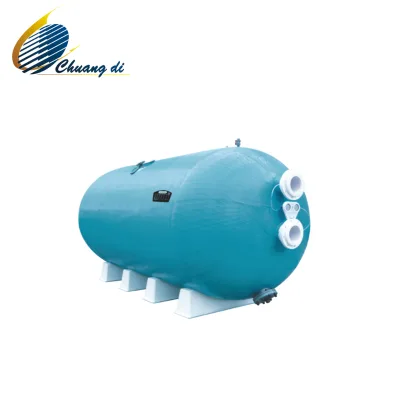


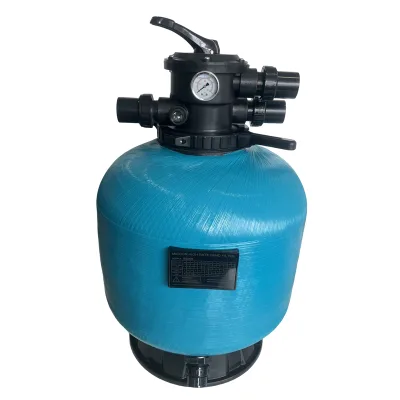

Automatic Backflushing Shallow Sand Filter for Pool and Wastewater Treatment
$199.00 - $9999.00
MOQ: 1 Pieces


Comprehensive Sourcing Guide
Backwash Flushing Pool Filter Grid Sourcing Guide
The Backwash Flushing Pool Filter Grid serves as a critical component in maintaining water clarity and system efficiency across diverse aquatic environments. Based on observed market data, these filtration units are engineered for specific applications including game pools, commercial pools, inflatable pools, and spa pools. The core functionality relies on a backflush mechanism that is often automatic, allowing for simplified maintenance cycles without manual disassembly. This capability is particularly vital for high-traffic commercial facilities where downtime must be minimized to ensure continuous operation and user safety.
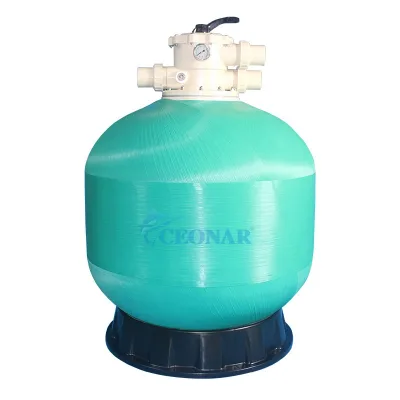
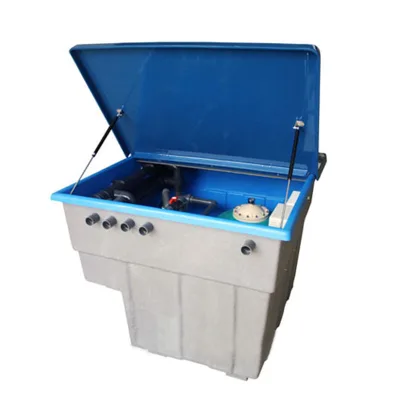
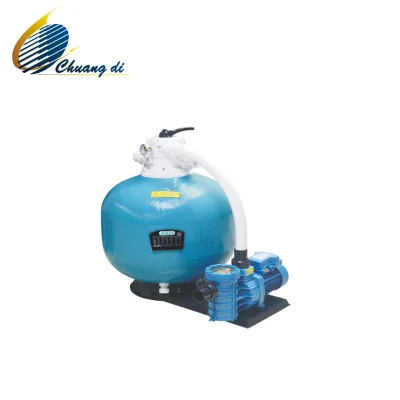
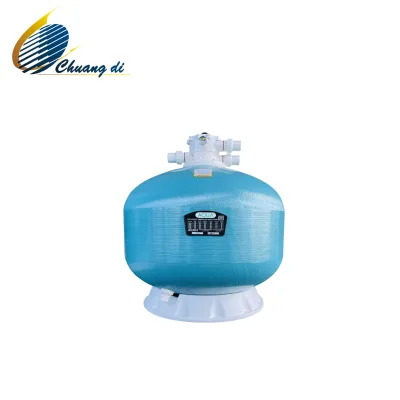
Buyers must distinguish between various filtration architectures, as the supply chain offers distinct configurations such as sand filters, activated carbon units, and fiberglass structures. The observed product range includes models designed for side-mount and top-mount installations, indicating that the physical footprint and connection points vary significantly by application. Understanding whether a specific grid is intended for a single-stage pump system or a booster pump assembly is essential, as the driving type and power requirements directly influence the compatibility of the filter grid with existing pool infrastructure.
Product Scope and Observed Listing Signals
The market presents a wide spectrum of product models, ranging from the AD01 and ST-SMF series to specialized units like the ZK-SFFRP and JZYJL-1000. These listings reveal that the physical construction materials are predominantly stainless steel or fiberglass, selected for their durability and resistance to harsh chemical environments. The observed standard dimensions and capacities, such as flow rates reaching 60m3/Hr or working pressures up to 36psi, suggest that buyers must carefully match the grid's capacity to the specific volume and turnover requirements of their pool system.
Packaging and shipping parameters vary widely, with options including plywood cases, wooden pallets, and combinations of wood, plastic, and paper boxes. This variation impacts logistics planning and cost estimation, as the structural integrity of the packaging must protect the filter grid during transit. Furthermore, the customization availability noted in the listings indicates that suppliers can adapt certain attributes to meet specific project needs, though buyers should verify the extent of these modifications before committing to an order.
Technical Specifications to Verify
When evaluating technical performance, the maximum head and capacity are primary indicators of a filter grid's capability to handle the hydraulic load of a pool system. Observed specifications indicate a maximum head range of 30-50m and a capacity between 50-100 L/min for certain models, while others support significantly higher flow rates. Buyers should verify that the theoretical design, such as jet pump theory or pressure-based motive force, aligns with the actual pump configuration to prevent inefficiencies or system failure.
The installation method and structural design are equally critical for long-term reliability. The data shows a clear distinction between side-mount and top-mount installations, each requiring specific plumbing configurations and space allocations. Additionally, the material composition, whether stainless steel or fiberglass, dictates the filter's resistance to UV radiation and corrosion. Buyers must confirm that the selected material meets the environmental demands of the installation site, particularly for outdoor commercial pools exposed to direct sunlight and fluctuating temperatures.
Compliance and Safety Documentation
Certification status is a non-negotiable aspect of procurement for pool filtration equipment, ensuring that the product meets international safety and quality benchmarks. The observed listings frequently reference ISO9001 and ISO14001 certifications, which validate the manufacturer's quality management systems and environmental policies. In addition to these management standards, specific product certifications such as CE are often required to demonstrate compliance with regional safety directives, particularly for equipment intended for export to European markets.
Safety documentation must also address the operational limits of the filter grid, including maximum working pressure ratings. For instance, specific models are rated for a maximum working pressure of 36psi or 2.5kg/Cm2, a limit that must be strictly adhered to during system design to prevent catastrophic failure. Buyers should request detailed pressure test reports and material safety data sheets to ensure that the plastic clamps and structural components can withstand the intended operating conditions without degradation over time.
Cost Drivers and Commercial Terms
The pricing structure for backwash flushing pool filter grids is influenced by a combination of material costs, manufacturing complexity, and customization requirements. The observed price range spans from $3.2 to $10,000, reflecting the vast difference between small-scale household units and large commercial filtration systems. This wide variance underscores the importance of defining the exact application scope early in the sourcing process to avoid over-specifying or under-specifying the equipment, which can lead to unnecessary expenditure or performance gaps.
Commercial terms, including Minimum Order Quantity (MOQ) and lead times, vary significantly across the supplier base. The observed MOQ ranges from 1 set to 300 units, offering flexibility for both small projects and large-scale procurement initiatives. Buyers should negotiate packaging requirements, such as the use of wooden pallets versus plywood cases, as these choices can affect shipping costs and handling efficiency. Additionally, the availability of customization services may introduce variable costs that need to be factored into the total landed cost calculation.
Supplier Qualification and Quality Control
Supplier qualification should focus on the manufacturer's origin and their track record in producing mechanical pumps and filtration systems. The majority of observed products originate from China, with specific manufacturing hubs identified in locations like Hengshui, Hebei. Buyers should verify the supplier's production capacity and their ability to maintain consistent quality across different product models, such as the transition from standard sand filters to specialized activated carbon units.
Quality control processes must be rigorously assessed to ensure that the final product meets the specified standards. The presence of certifications like ISO9001 suggests a structured approach to quality management, but buyers should also request evidence of in-house testing for critical attributes like flow rate, pressure resistance, and UV stability. Given the simple maintenance requirements advertised, the initial build quality must be high to ensure that the automatic backflush mechanism functions reliably over the product's lifespan without frequent intervention.
Long-Term Procurement Checks
Sourcing decisions should be validated by considering the long-term maintenance and operational efficiency of the filter grid. The observed advantage of low energy consumption is a key factor in reducing the total cost of ownership, particularly for commercial pools that operate continuously. Buyers should verify the actual energy performance data against the advertised claims to ensure that the electric pump and motor-driven systems deliver the promised efficiency gains over time.
Finally, the durability of the product under real-world conditions must be monitored through regular performance checks. Features such as anti-corrosion properties and UV resistance are critical for maintaining the structural integrity of fiberglass and stainless steel components. Buyers should establish a protocol for periodic inspection of the filter grid's condition, focusing on the integrity of the plastic clamps and the effectiveness of the backflush cycle, to ensure that the system continues to provide efficient filtration and environmental protection throughout its service life.
FAQs
What types of pools are compatible with backwash flushing pool filter grids?
These filters are suitable for game pools, commercial pools, spa pools, and inflatable pools. The design supports versatile installation for various aquatic environments, ensuring effective water circulation and debris removal across different pool sizes and usage intensities.
How does the automatic backflush feature improve maintenance?
The automatic backflush system simplifies maintenance by reducing manual cleaning efforts. This feature ensures consistent filtration performance without frequent user intervention, making it ideal for commercial settings where operational efficiency and water quality consistency are critical for daily operations.
Which materials are used in constructing these pool filter units?
Units are constructed from stainless steel and fiberglass materials. Stainless steel components provide durability for mechanical pumps, while fiberglass sand filters offer UV resistance and anti-corrosion properties. These materials ensure long-term reliability in harsh aquatic environments and chemical exposure.
Can these filters be customized for specific commercial requirements?
Yes, customization is available for specific commercial requirements. Buyers can tailor specifications to match unique pool capacities or filtration needs. This flexibility allows for optimized performance in diverse settings, ensuring the equipment integrates seamlessly with existing pool infrastructure and operational workflows.
What certifications ensure the quality of these pool filtration systems?
These systems hold ISO9001 and ISO14001 certifications, ensuring quality management and environmental standards. Additionally, CE certification confirms compliance with European safety regulations. These credentials verify that the manufacturing processes and product performance meet rigorous international benchmarks for reliability and safety.
What is the typical flow rate for these sand filter units?
The typical flow rate is 60 cubic meters per hour. This capacity supports efficient water circulation for medium to large commercial pools. The high flow rate ensures rapid filtration cycles, maintaining clear water quality while minimizing energy consumption during continuous operation periods.