Find Bamboo Kitchen Dish Drainer Rack for Storage, Countertops, and Drying
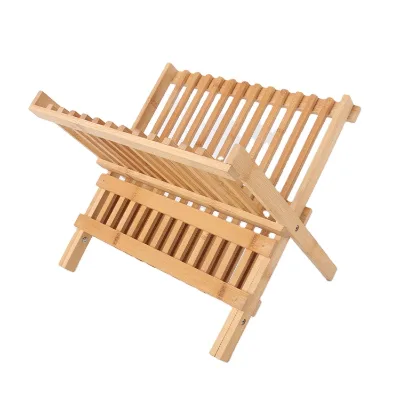
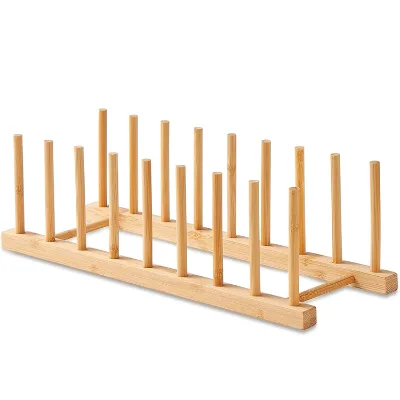
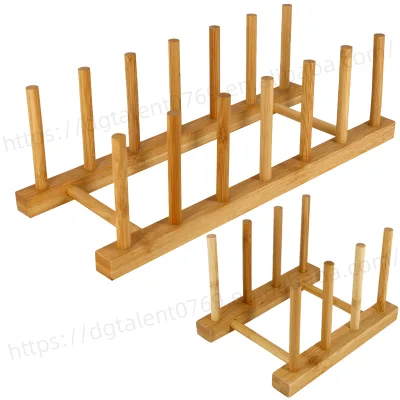
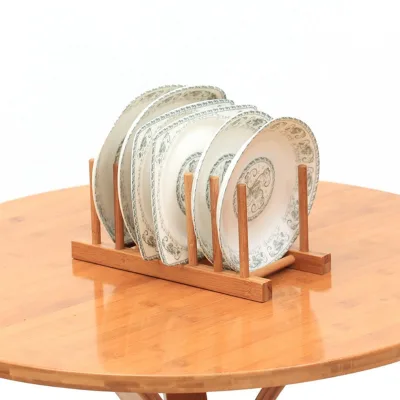
Source 30 verified options for a Bamboo Kitchen Dish Drainer Rack designed for home kitchens and commercial use. Buyers can compare folding designs, two-tier structures, and custom packaging details to find the right storage solution.
Key considerations
Products List

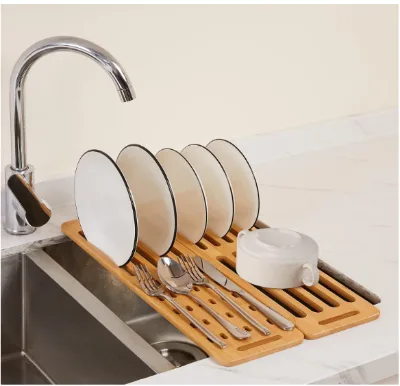
Kitchen Bamboo Wood Over The Sink Stainless Steel Dish Drying Drainer Rack
$3.85 - $4.36
MOQ: 50 Pieces

Ecofriendly Bamboo Wood Dish Drainer Dish Drying Rack for Kitchen Cabinet
$1.00 - $3.00
MOQ: 100 Pieces
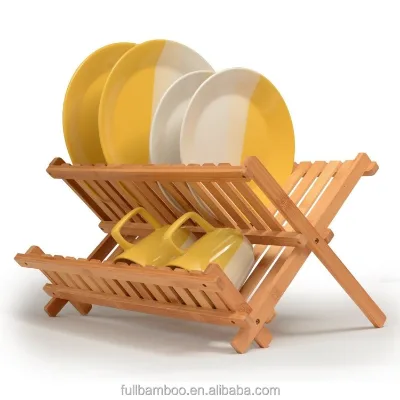

Bamboo Dish Drying Rack Dish Rack Bamboo for Kitchen Bamboo Dish Rack
$10.00 - $13.00
MOQ: 1500 Pieces

Bamboo Dish Drying Rack Dish Rack Bamboo for Kitchen Bamboo Dish Rack
$10.00 - $13.00
MOQ: 1500 Pieces









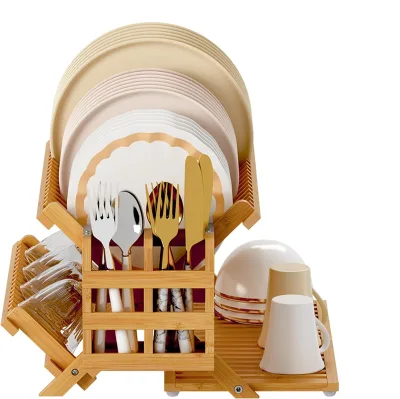
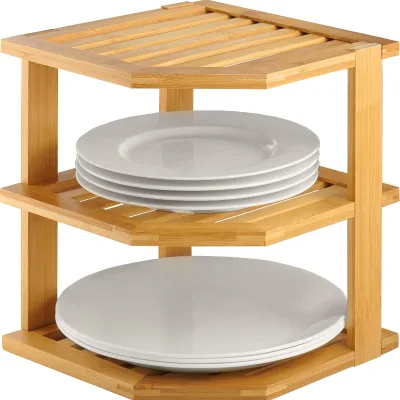

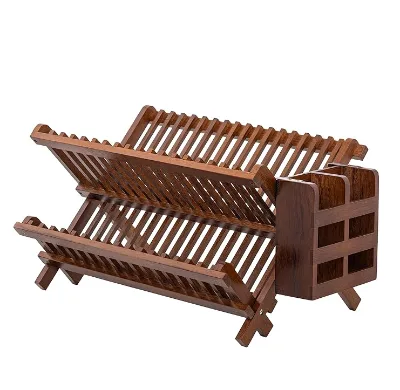
Comprehensive Sourcing Guide
Strategic Sourcing Guide for Bamboo Kitchen Dish Drainer Racks
Understanding Product Specifications and Material Composition
When sourcing a Bamboo Kitchen Dish Drainer Rack, the primary focus must be on the intersection of material integrity and functional design. The core material for these units is consistently identified as bamboo, a renewable resource valued for its natural antimicrobial properties and structural strength. However, buyers must distinguish between different grades of bamboo products available in the market. The observed product data indicates a "Commercial" grade classification, which suggests suitability for general household and light commercial kitchen environments rather than heavy-duty industrial applications.
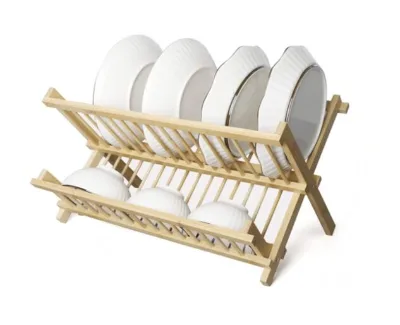
The physical construction of these racks often varies significantly between models. Some units are designed with a "Folding" feature, offering space-saving capabilities for smaller kitchens or temporary setups. These folding mechanisms typically utilize a "Two" or "Double" layer configuration, providing distinct tiers for drying plates, bowls, and cutlery. The dimensions of these racks can range from compact models to larger units, with specific observed specifications including a size of 18" x 13" x 10.5" and a single package size of 47x37x5 cm. The weight tolerance for these units is typically tight, often cited as less than ±1%, ensuring stability when loaded with wet dishes.
It is crucial to note that while bamboo is the primary material, some listings may describe the product as "Wood" or "Solid Wood with Varnish Color." Buyers should verify the specific material composition to ensure it aligns with the desired aesthetic and durability expectations. The color profile is generally described as "Natural bamboo color," though "Gold" finishes and "Primary Color" options exist depending on the supplier's customization capabilities. The shape is typically "Common," adhering to standard rectangular or square footprints that fit standard kitchen sinks and countertops.
Design Features and Functional Applications
The functional design of a bamboo dish drainer rack is multifaceted, serving as both a drying station and a storage solution. The "Multifunctional" nature of these racks allows them to handle various kitchen tasks, from draining washed dishes to organizing clean utensils. The "Installation type" is predominantly "Standing Type," meaning the unit is freestanding and does not require wall mounting, making it ideal for rental properties or kitchens where drilling is not permitted.
The "Applicable space" for these units is primarily the "Kitchen" or "Home Kitchen," but the robust construction often allows for use in commercial settings as well. The "Usage" category is explicitly defined as "Tableware," confirming their intended purpose for drying plates, cups, and bowls. A critical design consideration is the "Number of Layers." Most observed models feature a "Two" layer design, which optimizes vertical space. However, buyers should verify if the specific model offers additional tiers or adjustable configurations to meet specific storage needs.
Packaging plays a significant role in the product's readiness for market. The "Packaging" type can vary between "Set," "Single," or "Box" configurations. Some suppliers offer "Customization" for packaging, allowing brands to create unique unboxing experiences. The "Product name" often includes descriptors like "Bamboo Dish Rack" or "Kitchen Storage Rack," reflecting the dual utility of the item. The "Pattern" is typically "None or Custom," giving buyers the option to select a plain natural look or a branded design. The "Logo" can be customized, which is a vital feature for private label procurement.
Compliance, Safety, and Certification Verification
Safety and compliance are paramount when sourcing products intended for food contact. The product data explicitly states that these items "Can Be Used for Food Contact: Yes." This assertion requires rigorous verification by the buyer. While the material is natural bamboo, the finishing processes—such as varnishes, stains, or sealants—must be free from harmful chemicals like lead, formaldehyde, or excessive volatile organic compounds (VOCs).
Buyers must request specific test reports to validate these safety claims. The "Standard" for these products is often listed as "As shown in the pic" or "Custom," which is insufficient for compliance purposes. Instead, buyers should demand documentation confirming adherence to international food safety standards, such as FDA regulations in the United States or EU Framework Regulation (EC) No 1935/2004. The "Quality" is described as "High Quality," but this is a subjective claim that must be backed by objective data.
Furthermore, the "Dimensional tolerance" of less than ±1mm indicates a high level of manufacturing precision, which contributes to the overall safety and stability of the rack. However, buyers should not assume all products meet this standard without verification. The "Weight tolerance" of less than ±1% is another metric that suggests consistent manufacturing quality. For commercial procurement, additional certifications such as FSC (Forest Stewardship Council) for sustainable sourcing or ISO 9001 for quality management systems should be requested to ensure the supply chain meets corporate social responsibility goals.
Cost Drivers and Pricing Dynamics
The pricing of bamboo kitchen dish drainer racks is influenced by several variables, including material grade, customization level, and order volume. The observed price range in the market spans from $0.50 to $26.30 USD, a wide disparity that reflects differences in product complexity, finish quality, and branding. The lower end of the spectrum typically represents basic, non-customized units with minimal packaging, while the higher end includes premium models with custom logos, specialized finishes, or complex folding mechanisms.
Minimum Order Quantity (MOQ) is a significant cost driver. The data shows an MOQ range from 1 to 1500 units, with specific listings citing 50 sets or 500 pieces. Higher MOQs generally result in a lower unit cost due to economies of scale in production and shipping. Buyers must balance their inventory needs against their cash flow constraints. For example, an MOQ of 50 sets is accessible for small retailers, whereas an MOQ of 500 pieces may be more suitable for larger distributors or private label brands.
Additional cost factors include sample costs and lead times. The "Sample time" is observed to be between 7-12 days, and the "Sample cost" is often refundable upon placing a bulk order. This refundable policy is a standard industry practice that reduces the financial risk for buyers testing product quality. Payment terms are also a critical component of the cost structure, with a common structure being a 30% deposit and a 70% balance payment. This arrangement protects both the buyer and the supplier, ensuring commitment from both parties before production begins.
Supplier Evaluation and Production Capabilities
Evaluating suppliers requires a deep dive into their production capabilities and logistical strengths. The "Product origin" is frequently listed as "China," with specific regions like "Zhejiang" noted. Zhejiang is a known manufacturing hub for bamboo products, offering access to raw materials and established supply chains. However, buyers should verify the specific factory location to assess logistics costs and potential tariffs.
The "Feature" of being "Stocked" indicates that some suppliers maintain inventory, which can reduce lead times for immediate orders. However, for custom orders, the production timeline will extend. The "Product model" numbers, such as KIT-35, PM00117, or FB1-1003, serve as unique identifiers for specific configurations. Buyers should ensure that the model number corresponds exactly to the desired specifications to avoid receiving the wrong product variant.
Supplier reliability is further assessed through their customization capabilities. The "Customization" attribute is available for packaging, logos, and potentially product design. This flexibility allows buyers to tailor the product to their brand identity. However, the extent of customization must be clearly defined in the contract. Suppliers offering "Customization" for packaging and logos must demonstrate a track record of maintaining quality during the customization process. The "Classification" of the product as a "Folding Rack" or "Storage Holders & Racks" should align with the supplier's core expertise.
Quality Control and Long-Term Procurement Strategy
Implementing a robust quality control (QC) strategy is essential for mitigating risks associated with bamboo products. Given the natural variability of bamboo, visual inspection for cracks, splinters, and finish consistency is a primary QC step. The "Dimensional tolerance" of ±1mm and "Weight tolerance" of ±1% provide quantitative benchmarks for QC checks. Buyers should consider hiring third-party inspection agencies to conduct pre-shipment inspections, focusing on structural integrity, finish quality, and packaging accuracy.
Long-term procurement considerations involve building a sustainable relationship with suppliers. The "Payment Terms" of 30% deposit and 70% balance are standard, but buyers should negotiate terms that align with their cash flow cycles. The "Sample cost" being refundable is a positive indicator of supplier confidence, but it should be clearly documented in the purchase agreement.
Sustainability is a growing concern in the bamboo market. Buyers should inquire about the sourcing of the bamboo and the environmental impact of the manufacturing process. While the "Grade" is listed as "Commercial," verifying that the bamboo is harvested sustainably can add value to the brand. The "Standard" of "As shown in the pic" is a red flag for long-term contracts; instead, buyers should insist on written specifications that define the acceptable range of material properties and finish quality.
Comparative Analysis of Product Variants
To assist buyers in making informed decisions, the following table compares key attributes of observed product variants based on the provided data. This comparison highlights the diversity in specifications and helps identify the most suitable option for different procurement needs.
| Attribute | Variant A (KIT-35) | Variant B (PM00117) | Variant C (FB1-1003) |
|---|---|---|---|
| Product Name | Bamboo Dish Rack | Kitchen Storage Rack | Folding Rack |
| Material | Bamboo | Wood / Solid Wood | Bamboo |
| Size | Medium | 18" x 13" x 10.5" | Not specified |
| Layers | Two | Double | Double |
| Design | Folding | Not specified | Folding |
| MOQ | 50 Sets | 500 pcs | Not specified |
| Packaging | Box | Customization | Single |
| Origin | China | Zhejiang | China |
| Color | Natural | Varnish / Primary | Natural |
| Customization | Logo, Packaging | Logo, Packaging | Logo |
This table illustrates that while the core function remains consistent, the specific attributes vary significantly. Variant A is ideal for buyers seeking a compact, folding solution with a low MOQ. Variant B offers a larger footprint and customizable packaging, suitable for bulk orders. Variant C emphasizes the folding design and standing installation type. Buyers must carefully match these attributes to their specific operational requirements.
Final Procurement Recommendations
In conclusion, sourcing a Bamboo Kitchen Dish Drainer Rack requires a balanced approach that considers material quality, design functionality, and supplier reliability. The wide range of prices and MOQs offers flexibility for buyers of all sizes, but it also necessitates careful due diligence. Buyers should prioritize suppliers who provide transparent documentation regarding food safety standards and material grades.
The "Customization" options available for logos and packaging provide a significant advantage for brand building, but these must be managed with clear specifications to avoid quality issues. The "Stocked" feature of some suppliers can expedite the procurement process, while others may require longer lead times for custom orders. By adhering to the verification protocols outlined in this guide, buyers can secure high-quality bamboo dish drainer racks that meet their operational needs and maintain the integrity of their brand.
FAQs
Can these bamboo racks be used for direct food contact?
Yes, the product data confirms these racks can be used for food contact. However, buyers must verify specific test reports for safety standards like FDA or EU regulations before use, as the finish materials vary by supplier.
What is the typical minimum order quantity for these racks?
The minimum order quantity ranges from 50 sets to 500 pieces depending on the specific model and supplier. Lower MOQs like 50 sets are available for basic models, while custom orders often require higher volumes.
How long does it take to receive a product sample?
Sample time is typically between 7 to 12 days for production. The sample cost is often refundable upon placing a bulk order, reducing initial financial risk for buyers testing product quality.
Which customization options are available for these storage racks?
Customization is available for packaging, logos, and product design. Buyers can request specific patterns or branding, but the extent of customization depends on the supplier's capacity and the agreed-upon contract terms.
What are the standard dimensions for the folding rack models?
Observed specifications include a size of 18 inches by 13 inches by 10.5 inches for larger units. Other models may have different dimensions, so buyers should verify the exact size against the product model number.
Can the packaging be customized for private label brands?
Yes, packaging can be customized to include specific branding or unboxing experiences. Suppliers offer options ranging from single items to box sets, allowing brands to tailor the presentation to their market needs.
What payment terms are commonly used for these orders?
Common payment terms require a 30% deposit followed by a 70% balance payment before shipment. This structure protects both parties and ensures commitment from the buyer before production begins.