Source Bamboo Fiber Printed Facial Mask for Spa, Retail, and OEM
Explore 30 options for Bamboo Fiber Printed Facial Mask sheets designed for commercial and personal use. Compare features like whitening, pore cleaning, and firming across various materials including non-woven and bamboo charcoal fibers to find the right supplier; compare the available evidence and request quotations based on your requirements.
Key considerations
Products List


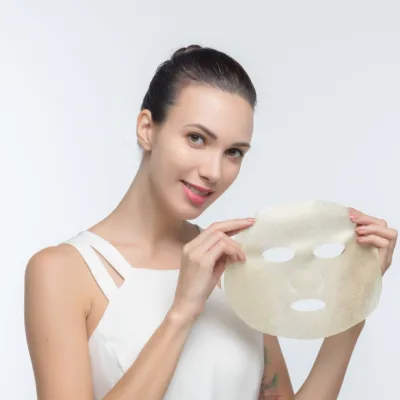
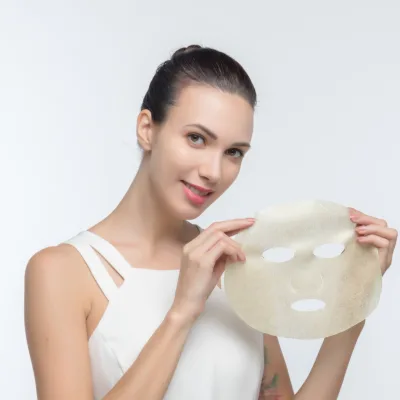




$0.01 - $0.03
MOQ: 100000 Pieces
Comprehensive Sourcing Guide
Bamboo Fiber Printed Facial Mask Sourcing Guide
Sourcing bamboo fiber printed facial masks requires a nuanced understanding of material science and manufacturing capabilities, as the term "bamboo fiber" encompasses distinct production methods that significantly impact product performance and buyer risk. Procurement teams must first distinguish between mechanically processed bamboo linen and chemically processed bamboo viscose, as the latter is more common in sheet mask applications due to its superior absorbency and softness. The supplied data indicates a strong market presence of bamboo charcoal fiber variants, which offer specific aesthetic and functional benefits such as deep cleansing and oil absorption, making them a popular choice for targeted skincare routines. Buyers should verify whether the supplier uses pure bamboo pulp or blends it with cotton or non-woven substrates, as this composition directly influences the mask’s structural integrity and its ability to hold serum without disintegration during use.
The visual appeal of these masks is often driven by printing techniques that allow for intricate designs or brand-specific graphics, which adds a layer of complexity to the quality control process. High-quality printing must not compromise the breathability or elasticity of the fiber, nor should it introduce harmful chemical residues that could irritate sensitive skin types. Procurement specialists need to evaluate the supplier’s capability to maintain colorfastness and pattern alignment across large production runs, ensuring that the printed aesthetic remains consistent from the first unit to the last. This visual consistency is critical for brands that rely on shelf presence and unboxing experiences to drive customer loyalty, making the verification of print quality a non-negotiable step in the supplier selection process.
Product Scope and Observed Listing Signals
The current market landscape for bamboo fiber facial masks reveals a diverse range of product attributes, with observed listings highlighting features such as whitening, pore cleaning, firming, and anti-wrinkage benefits. These functional claims are often supported by the inclusion of bamboo charcoal, which is noted in several product specifications as a main ingredient for its purifying properties. The material composition varies, with some products explicitly listing bamboo charcoal fibers or bamboo charcoal fiber as the primary material, while others may blend these with cotton or non-woven fabrics to enhance durability and serum retention. Buyers should carefully review the material specifications to ensure alignment with their brand’s positioning, as the presence of charcoal can influence both the mask’s color, often black or dark gray, and its perceived efficacy in detoxifying the skin.
Observed listing signals also indicate a wide variability in product dimensions and packaging formats, reflecting the customizable nature of modern B2B skincare manufacturing. Standard sizes such as 20*23cm are common for individual sheet masks, while bulk materials may be listed with widths ranging from 90-160cm, suggesting that some suppliers offer raw materials for in-house cutting and packaging. The form factor is predominantly sheet-based, with compressed options available for specific logistical advantages, and the application is consistently targeted at facial use for all skin types, including normal and combination skin. This flexibility allows buyers to tailor product offerings to specific market segments, but it also necessitates rigorous verification of size tolerances and packaging integrity to prevent damage during transit and ensure a premium customer experience.
Technical Specifications to Verify
Technical verification of bamboo fiber masks must begin with the structural integrity of the sheet, particularly the grammage and texture, which dictate how well the mask adheres to the face and holds active ingredients. Specifications such as 40-50GSM are observed in the market, indicating a lightweight yet durable fabric that balances serum capacity with ease of removal. Buyers should request detailed technical sheets that confirm the tensile strength and elasticity of the bamboo fiber, ensuring that the mask will not tear when unfolded or stretched during application. The use of spunlace technics is a common manufacturing method that contributes to the softness and breathability of the final product, and verifying this process helps ensure that the mask provides a comfortable wearing experience without causing friction or irritation to the skin.
Dimensional accuracy and packaging specifications are equally critical technical parameters that require strict verification to avoid logistical and quality issues. Observed standard dimensions for finished masks include 2023cm, while bulk packaging dimensions such as 5448.528 and 6743*47 suggest variations in carton sizing that impact shipping efficiency and storage requirements. Buyers must confirm that the customizable size options offered by suppliers can be produced within tight tolerances to maintain consistency across batches. Additionally, the structure of the mask, often described as flat, should be evaluated for its ability to conform to facial contours without excessive folding or creasing, which can affect the even distribution of serum and the overall efficacy of the treatment.
Compliance and Safety Documentation
Compliance and safety documentation are paramount when sourcing bamboo fiber facial masks, as these products come into direct contact with consumer skin and must meet stringent regulatory standards. Certifications such as FDA and SGS are observed in the market, indicating that suppliers have undergone third-party testing for safety and quality assurance. Buyers should request current copies of these certificates to verify that the testing covers relevant parameters such as heavy metal content, microbial limits, and pH balance, ensuring that the masks are safe for prolonged skin contact. The presence of MSDS documentation is also noted, which provides critical information on the chemical composition and handling safety of the materials used in production, offering an additional layer of transparency for procurement teams.
Beyond regulatory certifications, buyers must ensure that the manufacturing process adheres to good manufacturing practices (GMP) to prevent contamination and ensure batch-to-batch consistency. While ISO9001 is mentioned as a background standard, it is essential to verify that the supplier’s quality management system is actively implemented and audited, rather than merely claimed. This includes checking for proper hygiene protocols in the production environment, especially since the masks are often used in sensitive skincare applications. Buyers should also inquire about the sourcing of raw bamboo materials to ensure they are free from pesticides and other agricultural chemicals, as this impacts the overall safety profile of the final product and aligns with the eco-friendly claims often associated with bamboo-based skincare.
Cost Drivers and Commercial Terms
Cost drivers for bamboo fiber printed facial masks are influenced by material quality, printing complexity, and order volume, with observed minimum order quantities (MOQs) ranging from 50 to 300,000 units. Higher MOQs typically correlate with lower per-unit costs, allowing buyers to achieve better economies of scale, but they also require careful inventory management to avoid stockouts or excess waste. The customization of packaging and printing designs adds to the initial setup costs, which may be amortized over larger orders. Buyers should negotiate clear pricing structures that account for these variable costs, ensuring that any additional fees for design changes or rush orders are transparently disclosed before committing to a purchase.
Commercial terms also include lead times and payment conditions, which can vary significantly based on the supplier’s production capacity and the complexity of the order. Observed data suggests that lead times may be affected by the customization level, with standard products potentially shipping faster than those requiring bespoke printing or packaging. Buyers should establish realistic timelines that account for production, quality control, and shipping, while also negotiating favorable payment terms to manage cash flow effectively. It is advisable to seek suppliers who offer flexible payment options, such as partial upfront payments with the balance due upon shipment, to mitigate financial risk while maintaining a strong supplier relationship.
Supplier Qualification and Quality Control
Supplier qualification for bamboo fiber facial masks requires a thorough assessment of manufacturing capabilities, quality control processes, and ethical sourcing practices. Buyers should conduct on-site or virtual audits to verify that the supplier has dedicated production lines for bamboo fiber products, ensuring that they have the expertise to handle this specific material. The presence of certifications like FDA and SGS is a positive indicator, but buyers must also evaluate the supplier’s internal quality control protocols, including in-process inspections and final product testing. This includes checking for consistency in sheet weight, print quality, and packaging integrity, as these factors directly impact the customer experience and brand reputation.
Ethical and sustainable sourcing is another critical aspect of supplier qualification, as bamboo is often marketed as an eco-friendly material. Buyers should inquire about the supplier’s policies on sustainable forestry and chemical usage, ensuring that the bamboo is sourced responsibly and that the manufacturing process minimizes environmental impact. The use of bamboo charcoal, while beneficial for product performance, should be verified to ensure it is produced without harmful additives. By prioritizing suppliers who demonstrate a commitment to sustainability and ethical practices, buyers can align their procurement strategies with broader corporate social responsibility goals, enhancing brand value and consumer trust in the marketplace.
Long-Term Procurement Checks
Long-term procurement checks for bamboo fiber facial masks involve continuous monitoring of supplier performance, product quality, and market trends to ensure sustained value and compliance. Buyers should establish key performance indicators (KPIs) such as defect rates, on-time delivery percentages, and customer feedback scores to objectively evaluate supplier reliability over time. Regular audits and re-certification checks are essential to maintain compliance with evolving regulatory standards and to ensure that the supplier’s quality management system remains effective. By maintaining a proactive approach to supplier management, buyers can identify and address potential issues before they impact production or customer satisfaction, fostering a resilient and responsive supply chain.
Market trend analysis is also crucial for long-term success, as consumer preferences for skincare products evolve rapidly. Buyers should stay informed about emerging technologies in bamboo fiber processing, new printing techniques, and shifting consumer demands for specific skin benefits such as whitening or anti-aging. This knowledge enables buyers to negotiate more effectively with suppliers, request innovative product developments, and stay ahead of competitors. Additionally, maintaining open communication channels with suppliers allows for collaborative problem-solving and continuous improvement, ensuring that the procurement strategy remains aligned with business objectives and market realities. By integrating these long-term checks into the procurement process, buyers can secure a competitive advantage and drive sustainable growth in the skincare sector.
FAQs
What materials are used for the Bamboo Fiber Printed Facial Mask?
The mask is primarily made from bamboo charcoal fibers and non-woven materials. Some variants also incorporate cotton. These materials ensure the product is eco-friendly and breathable while providing effective skin benefits for all skin types.
Which certifications do the bamboo fiber printed facial masks hold?
The products hold FDA and SGS certifications. Additional documentation may include MSDS and other relevant standards. These certifications verify safety and quality compliance for commercial facial mask sheet applications in international markets.
How can I customize the packaging for the Bamboo Fiber Printed Facial Mask?
Customized packaging options are available for bulk orders. The standard packing often uses cartons with specific dimensions. Buyers can request tailored solutions to meet specific branding or logistical requirements for their facial mask products.
What is the minimum order quantity for bamboo fiber printed facial masks?
The minimum order quantity is typically 10,000 units. However, observed ranges vary from 50 to 300,000 units depending on the supplier. Buyers should confirm specific MOQs based on their customization needs and product model.
Can the Bamboo Fiber Printed Facial Mask be used for all skin types?
Yes, the mask is designed for all skin types including normal and combination skin. It offers features like whitening, pore cleaning, and firming. The formulation ensures suitability for diverse skin needs while maintaining gentle care properties.
Where are the bamboo fiber printed facial masks manufactured?
Manufacturing locations include Guangdong and Hangzhou in China. These regions are known for producing high-quality non-woven and bamboo charcoal fiber products. Buyers can source from these origins to ensure access to established supply chains.
What are the key features of the Bamboo Fiber Printed Facial Mask?
Key features include whitening, pore cleaning, firming, and anti-wrinkle benefits. The mask is also moisturizing, nourishing, and lightening. These attributes make it effective for commercial facial sheet mask applications targeting various skin concerns.