Source Barbell Squat Rack for Home, Gym, and Commercial Use
Find and compare 30 Barbell Squat Rack options from verified manufacturers. These steel units support up to 500kg load bearing and feature CE and RoHS certifications. Ideal for home gyms, commercial facilities, and outdoor community spaces, these manual power racks offer durable strength training solutions with customizable logos and packaging.
Key considerations
Products List


Commercial Barbell Squat Rack Benches Racks for Fitness Body Building Gym Bench
$106.00 - $108.00
MOQ: 1 Sets


Hotselling Gym Fitness Equipment Adjustable High Quality Barbell Squat Rack
$110.00 - $130.00
MOQ: 10 Pieces


Hotselling Gym Fitness Equipment Height Adjustable Barbell Squat Rack Bench
$16.00 - $20.00
MOQ: 50 Pieces

Squat Rack Multi-Functional Frame Gantry Bench Press Barbell Power Rack Fitness Equipment
$108.00 - $118.00
MOQ: 2 Pieces

Fitness Equipment Adjustable Squat Rack Body Building Barbell Squat Rack
$400.00 - $477.00
MOQ: 1 Pieces


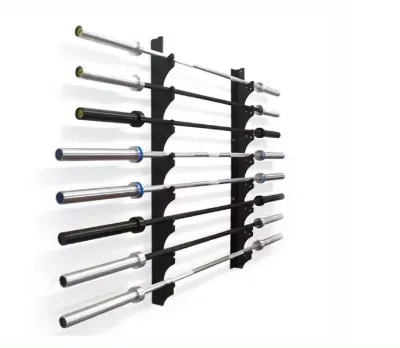


$99.00 - $109.00
MOQ: 1 Pieces


Comprehensive Sourcing Guide
Barbell Squat Rack Sourcing Guide
Sourcing a Barbell Squat Rack requires a disciplined approach to balancing structural integrity, functional versatility, and commercial viability. These racks serve as the foundational anchor for strength training environments, supporting heavy loads during compound movements such as squats, bench presses, and overhead presses. Buyers must recognize that not all racks are created equal; the market offers a spectrum of configurations ranging from compact home units to heavy-duty commercial installations. The decision-making process hinges on understanding the specific load requirements, spatial constraints, and intended user demographics. By focusing on verified technical specifications and clear commercial terms, procurement teams can mitigate the risks associated with structural failure, delivery delays, and non-compliant products. This guide outlines the critical verification steps necessary to secure a reliable supply chain for barbell squat racks, ensuring that every unit meets the rigorous demands of modern fitness facilities.
The procurement landscape for squat racks is characterized by significant variation in design, material quality, and manufacturing origin. Buyers often encounter listings that promise universal compatibility or extreme durability, but these claims must be cross-referenced with concrete data points such as net weight, load-bearing capacity, and certified standards. The observed market signals indicate a wide range of product models, each tailored to different use cases, from community parks to professional gymnasiums. Understanding these distinctions is vital for aligning product selection with end-user needs. For instance, a rack designed for a high-traffic commercial gym will require different structural reinforcements and finish quality compared to a unit intended for a residential setting. This guide provides a framework for evaluating these differences, ensuring that procurement decisions are driven by evidence rather than marketing assertions.
Product Scope and Observed Listing Signals
The current market for barbell squat racks exhibits a diverse range of product attributes, reflecting varied applications and user requirements. Listings frequently highlight customization options, allowing buyers to tailor features such as logos, colors, and packaging to their brand identity. The observed product models, including rack06-003, rack06-004, and rack12-006, demonstrate that manufacturers offer multiple configurations to suit different spatial and functional needs. Some units are designed to be folded for storage efficiency, while others remain in an unfolded state, indicating permanent installation. This variability requires buyers to carefully assess the physical dimensions and operational mode of each rack to ensure compatibility with their facility’s layout. The presence of customization options also suggests that suppliers are willing to accommodate specific branding or aesthetic preferences, which can be a significant advantage for commercial gym operators looking to maintain a cohesive brand image.
Material composition and load-bearing capacity are critical indicators of a squat rack’s durability and safety. Steel is the predominant material used in these structures, providing the necessary strength to support heavy weights. The observed load-bearing capacity of up to 500kg highlights the potential for high-intensity training, but buyers must verify that this rating applies to the specific model in question. Additionally, the net weight of the units, ranging from 62kg to 142kg, offers insight into the robustness of the construction. Heavier units generally indicate thicker steel and more substantial welding, which are essential for withstanding the dynamic forces generated during squats and presses. Buyers should also consider the packaging method, whether it is a simple carton, a cloth bag, or a carton pallet, as this impacts shipping costs and the risk of damage during transit. Understanding these physical attributes helps in selecting a rack that not only meets functional requirements but also withstands the rigors of long-term use.
Technical Specifications to Verify
Verifying the technical specifications of a Barbell Squat Rack is essential to ensure it meets the intended application’s demands. Buyers should prioritize the verification of dimensional standards, as these determine the rack’s footprint and compatibility with existing gym equipment. The observed standards, such as 150014001800mm and 165016202300mm, illustrate the significant variation in size across different models. It is crucial to confirm that the selected rack fits within the designated space while allowing adequate clearance for safe exercise execution. Furthermore, the power source being manual indicates that these are passive structures, relying on user strength rather than motorized components, which simplifies maintenance but requires careful attention to structural stability. Buyers must ensure that the rack’s dimensions align with the barbell length and the user’s height to prevent accidents and ensure optimal training efficiency.
Load capacity and weight distribution are paramount considerations for any squat rack. The observed load-bearing capacity of 500kg suggests a high level of durability, but this figure must be validated against the specific model’s design and material thickness. Buyers should request detailed engineering drawings or load test reports to confirm that the rack can safely support the intended maximum weight. Additionally, the net and gross weights of the units, such as 62kg and 65kg for certain models, provide clues about the material density and construction quality. Heavier racks typically offer better stability, reducing the risk of tipping during intense workouts. It is also important to verify the compatibility of the rack with standard barbell sizes and accessory attachments, such as pull-up bars or dip stations, to ensure a versatile and functional training environment.
Compliance and Safety Documentation
Compliance with international safety and quality standards is non-negotiable when sourcing barbell squat racks. The observed certifications, including CE, RoHS, and ISO, indicate that certain manufacturers adhere to rigorous regulatory frameworks. CE certification ensures that the product meets European health, safety, and environmental protection standards, which is crucial for buyers targeting the European market. RoHS compliance restricts the use of hazardous substances, ensuring that the materials used in the rack are safe for both users and the environment. ISO certification further validates the manufacturer’s commitment to quality management systems, providing assurance that consistent production standards are maintained. Buyers should request copies of these certificates and verify their authenticity with the issuing bodies to mitigate the risk of non-compliant products entering the supply chain.
Safety documentation extends beyond certifications to include user manuals, assembly instructions, and maintenance guidelines. These documents are essential for ensuring that the rack is installed and used correctly, minimizing the risk of injury. Buyers should verify that the supplier provides comprehensive documentation in the target market’s language, facilitating proper setup and operation. Additionally, the warranty terms, such as the observed one-year warranty, offer a layer of protection against manufacturing defects. However, buyers should carefully review the warranty conditions to understand what is covered and what constitutes voided coverage. It is also advisable to inquire about the supplier’s liability insurance and product recall policies, as these provide additional safeguards in the event of a safety incident. By prioritizing compliance and safety documentation, buyers can protect their facilities and users from potential legal and operational risks.
Cost Drivers and Commercial Terms
Understanding the cost drivers and commercial terms associated with barbell squat racks is vital for effective budgeting and negotiation. The observed price range of $1.85 to $573 USD reflects the significant variation in product quality, features, and order quantities. Lower-priced units may compromise on material thickness or finish quality, while higher-priced options often offer enhanced durability and customization. Buyers should analyze the cost per unit in the context of the total order volume, as economies of scale can significantly reduce the per-unit cost. Additionally, the observed minimum order quantity (MOQ) range of 1 to 200 units provides flexibility for buyers with varying procurement needs. Smaller orders may incur higher per-unit costs due to setup and production inefficiencies, while larger orders can benefit from bulk pricing discounts.
Payment terms and lead times are critical components of the commercial agreement. The observed payment structure, requiring a 30% deposit and 70% balance, is a common practice that helps mitigate risk for both buyers and suppliers. Buyers should ensure that the payment terms are clearly defined in the contract, including the triggers for the balance payment and the conditions for release of goods. The lead time of 20 days after receiving the initial payment is a standard benchmark, but buyers should confirm whether this timeline is consistent across all models and order sizes. Delays in production or shipping can disrupt facility opening schedules, so it is essential to build in buffer time for potential contingencies. Additionally, buyers should clarify the shipping method, such as sea freight, and the associated costs, as these can significantly impact the total landed cost of the product.
Supplier Qualification and Quality Control
Supplier qualification is a critical step in ensuring the reliability and consistency of Barbell Squat Rack supplies. Buyers should conduct thorough due diligence on potential suppliers, verifying their manufacturing capabilities, quality control processes, and financial stability. The observed production origins, such as Hebei Dingzhou and Anhui, China, indicate that suppliers are concentrated in specific industrial hubs known for metal fabrication and fitness equipment manufacturing. Buyers should visit these facilities or request virtual tours to assess the production environment and equipment. Additionally, verifying the supplier’s OEM/ODM capabilities can provide insight into their flexibility and ability to customize products according to specific requirements. A supplier with strong OEM/ODM capabilities is likely to have the technical expertise and production flexibility to meet unique buyer needs.
Quality control measures are essential to ensure that each unit meets the specified standards and performs reliably. Buyers should inquire about the supplier’s quality control protocols, including incoming material inspections, in-process checks, and final product testing. The observed net weight and load-bearing capacity specifications should be verified through random sampling and destructive testing to ensure consistency. Additionally, buyers should request samples of the finished product to assess the build quality, finish, and functionality. It is also advisable to establish a clear quality assurance agreement that outlines the acceptable defect rates and the procedures for handling non-conforming products. By implementing rigorous quality control measures, buyers can minimize the risk of receiving substandard products and ensure that their facilities are equipped with safe and durable equipment.
Long-Term Procurement Checks
Long-term procurement checks are necessary to maintain the quality and reliability of the Barbell Squat Rack supply chain over time. Buyers should establish a periodic review process to assess supplier performance, including delivery times, product quality, and customer service responsiveness. Regular audits of the supplier’s production facilities and quality control processes can help identify potential issues before they impact the supply chain. Additionally, buyers should monitor market trends and technological advancements in squat rack design to ensure that their procurement strategy remains competitive and aligned with industry best practices. By staying informed about market developments, buyers can make proactive adjustments to their sourcing strategy and maintain a competitive edge.
Continuous improvement and relationship management are key to fostering a successful long-term partnership with suppliers. Buyers should engage in open and transparent communication with their suppliers, providing feedback on product performance and identifying areas for improvement. Collaborative problem-solving and joint innovation initiatives can lead to the development of new products and features that meet evolving market demands. Additionally, buyers should consider diversifying their supplier base to mitigate the risk of supply chain disruptions and ensure continuity of supply. By building strong, collaborative relationships with multiple suppliers, buyers can enhance their resilience and flexibility in the face of market uncertainties. Ultimately, a proactive and strategic approach to long-term procurement checks will ensure that the Barbell Squat Rack supply chain remains robust, reliable, and aligned with the buyer’s strategic objectives.
FAQs
What certifications do these barbell squat racks have?
The racks typically hold CE and RoHS certifications, ensuring compliance with safety standards. Some models also include ISO certification for quality management. These credentials verify that the steel construction meets rigorous manufacturing requirements for gymnasium and home use.
Can I customize the logo on the squat rack?
Yes, customization is available for most models. Buyers can request a customized logo to be applied to the equipment. This service supports OEM and ODM requirements, allowing brands to personalize the black steel racks for their specific gymnasium or community facility needs.
What is the lead time for shipping the racks?
Shipment typically occurs within 20 days after receiving the initial payment. This timeline applies to standard orders for home or gymnasium use. Buyers should note that the 30% deposit and 70% balance payment structure must be completed before production begins.
What is the load bearing capacity of the rack?
Selected models support a load bearing capacity of up to 500kg. This robust steel construction is designed for serious bodybuilding and strength training. The heavy-duty design ensures stability during intense workouts, making it suitable for both commercial gymnasium and home environments.
How are the squat racks packed for shipping?
Packing methods vary by model, including carton, carton pallet, or polybag plus carton configurations. Some items use cloth packaging for protection. These secure packing methods ensure the steel racks arrive safely, whether shipped via sea freight or other logistics channels to global destinations.
What are the standard dimensions for the squat racks?
Dimensions vary by model, with common sizes like 1500x1400x1800mm or 1650x1620x2300mm. These specifications accommodate different space requirements for home or park installations. Buyers should check the specific prod_standard for each model to ensure it fits their designated area.