Source Benchtop Electrochemical Hydrogen Generator for labs, energy, and testing
Compare 30 verified listings for the Benchtop Electrochemical Hydrogen Generator suitable for laboratory research, new energy applications, and industrial testing. Buyers can evaluate specifications like voltage, purity, and customization options from suppliers in China; compare the available evidence and request quotations based on your requirements.
Updated
Key considerations
Products List
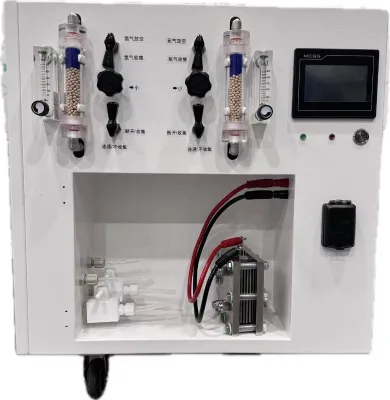
$41180.0993 - $72065.945
MOQ: 1 Minimum



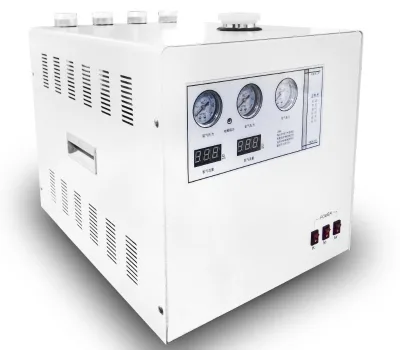

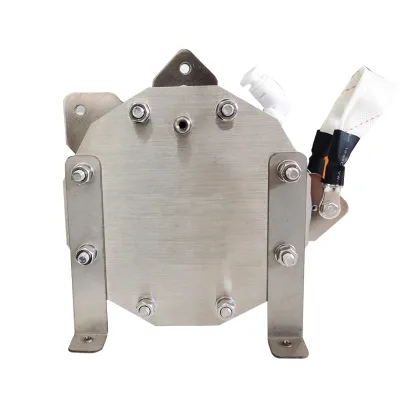
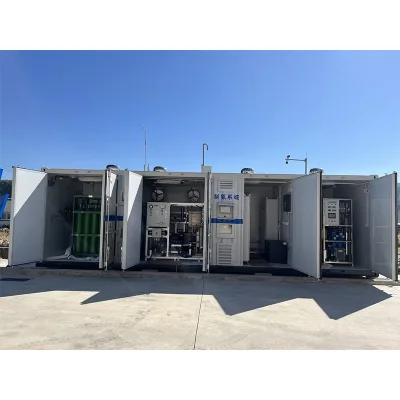
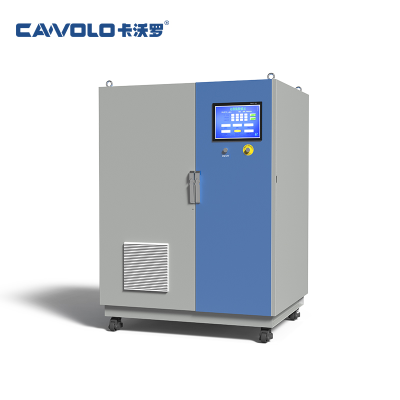
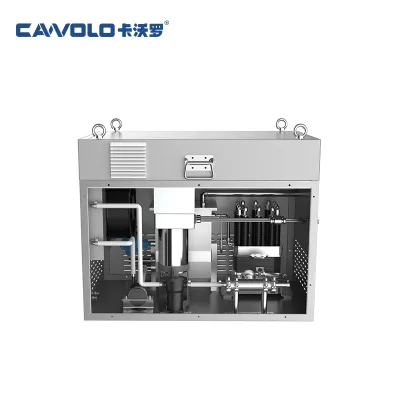
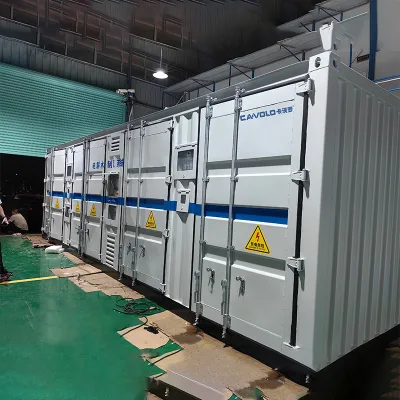
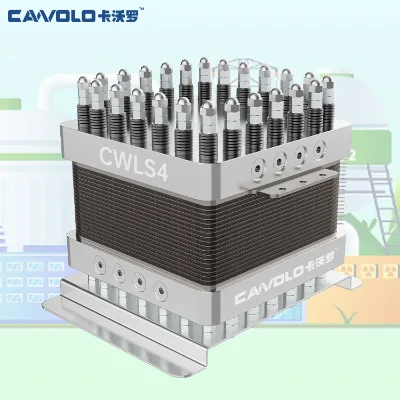


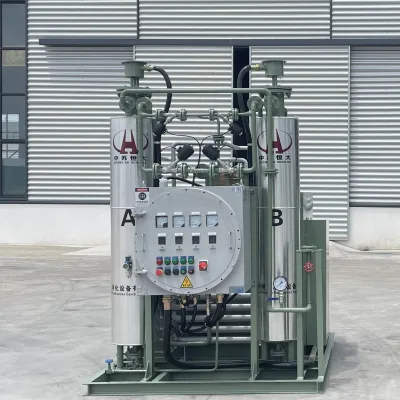


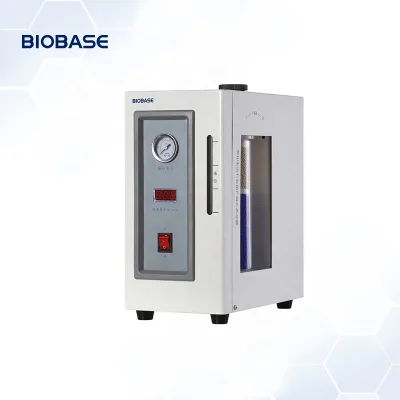
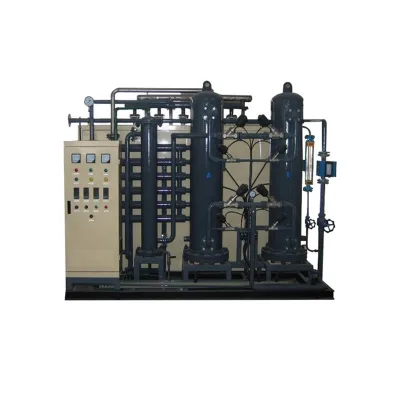
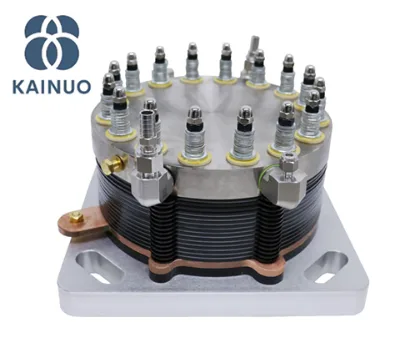

Pem Electrolyzer Hydrogen Generator for Fast Dynamic Hydrogen Production
$1166000.00 - $1283000.00
MOQ: 1 Sets

High-Performance Pem Electrolyzer Hydrogen Generator for Rapid Hydrogen Production
$1166000.00 - $1283000.00
MOQ: 1 Sets


High-Efficiency Pem Electrolyzer Hydrogen Generator with Fast Dynamic Output
$1166000.00 - $1283000.00
MOQ: 1 Sets
Comprehensive Sourcing Guide
Benchtop Electrochemical Hydrogen Generator Sourcing Guide
Procuring a Benchtop Electrochemical Hydrogen Generator requires careful alignment of technical specifications with laboratory safety protocols. Buyers must prioritize equipment that supports precise gas generation for analytical applications, ensuring compatibility with downstream instruments such as gas chromatographs or fuel cell test stands. The decision process begins with defining the required purity levels and flow stability, as these factors directly impact experimental reproducibility. Sourcing guides often highlight customizable production rates, allowing laboratories to scale output according to specific experimental demands without compromising system integrity.
Commercial considerations extend beyond the initial unit price to include total cost of ownership, which encompasses energy consumption, maintenance intervals, and consumable replacement costs. Buyers should evaluate the voltage requirements, noting that many industrial-grade units operate on AC380V, while benchtop variants may utilize AC220V for easier integration into standard laboratory power grids. Understanding the physical footprint is equally critical, as dimensions around 1000 mm x 1500 mm x 1000 mm may not fit standard fume hoods or compact workstations. Therefore, verifying the single package size and gross weight is essential for logistical planning and facility preparation.
Product Scope and Observed Listing Signals
The market for hydrogen generation equipment displays a wide variance in product classification, ranging from large-scale industrial flame-cutting systems to specialized analytical instruments. Listings frequently feature units branded under names like CarbonXtech or Hydrergy, with model numbers such as Hydrergy ZSM indicating specific configurations tailored for new energy applications. These devices are often marketed for purposes including gas manufacturing and testing, with some units explicitly designed for hydrogen and oxygen separation. Buyers must distinguish between heavy-duty industrial generators and precision benchtop models, as the latter typically require higher accuracy and lower noise levels suitable for sensitive laboratory environments.
Observed listing signals reveal that many suppliers offer customization options, including CNC control modes and specific color schemes like blue and white, which may aid in facility identification. The presence of certifications such as ISO, CE, and CCC suggests a baseline adherence to international quality and safety standards, though buyers should verify the specific scope of these certifications for their intended use case. Additionally, some listings mention functions related to testing melt flow rates, indicating a broader category of testing machines that may include hydrogen generation capabilities. This diversity necessitates a thorough review of product descriptions to ensure the selected unit meets the precise electrochemical requirements of the application.
Technical Specifications to Verify
Verifying technical specifications is paramount to ensuring the generator meets the operational needs of the laboratory. Key parameters include the production rate, which should be customizable to match experimental throughput, and the purity level, with 99.99% being a common benchmark for high-purity applications. Buyers must also assess the voltage compatibility, as units may require AC380V for industrial settings or AC220V for benchtop use, ensuring that the facility’s power infrastructure can support the load. The control mode, often CNC-based, allows for precise regulation of gas output, which is critical for maintaining consistent experimental conditions over extended periods.
Physical dimensions and weight are also critical technical factors that influence installation and mobility. Units may have dimensions around 1000 mm x 1500 mm x 1000 mm, with a single gross weight of approximately 100 kg, requiring adequate floor space and handling equipment. The protection class, such as IP55, indicates the level of dust and water resistance, which is important for maintaining equipment longevity in laboratory environments. Additionally, the noise level should be low to prevent interference with sensitive measurements, and the condition of the equipment should be new to ensure optimal performance and warranty coverage from the outset of deployment.
Compliance and Safety Documentation
Compliance with safety standards is non-negotiable when handling hydrogen, a highly flammable gas. Buyers must ensure that the generator carries relevant certifications, such as CE and ISO, which indicate adherence to European and international safety and quality management standards. The presence of CCC certification may also be relevant for markets in China, where local regulations impose specific safety requirements for electrical equipment. These certifications provide assurance that the manufacturing processes and final product have undergone rigorous testing, reducing the risk of operational failures or safety incidents during use.
Documentation should also include detailed user manuals and safety data sheets that outline proper operating procedures, emergency shutdown protocols, and maintenance schedules. Buyers should verify that the equipment includes necessary safety features, such as pressure relief valves and leak detection systems, to mitigate risks associated with hydrogen storage and generation. Additionally, the warranty terms, typically lasting one year, should be clearly defined, covering parts and labor to protect against manufacturing defects. Ensuring that all compliance documentation is readily available and up-to-date is essential for regulatory audits and internal safety reviews.
Cost Drivers and Commercial Terms
The cost of a Benchtop Electrochemical Hydrogen Generator is influenced by several factors, including the brand, technical specifications, and customization options. Prices can range significantly, from affordable entry-level models to high-end systems with advanced features, reflecting the diversity in the market. Buyers should consider the minimum order quantity (MOQ), which is often set at one unit for benchtop equipment, allowing for flexible procurement without the need for bulk purchasing. Understanding the pricing structure helps in budgeting for both the initial acquisition and ongoing operational expenses.
Commercial terms also include shipping and handling costs, which can be substantial given the weight and dimensions of the equipment. Buyers should negotiate clear delivery timelines and ensure that the supplier provides standard packing to protect the unit during transit. The selling unit is typically a single item, which simplifies inventory management but requires careful planning for installation and commissioning. Additionally, buyers should inquire about after-sales support, including technical assistance and spare parts availability, to ensure long-term operational efficiency and minimize downtime.
Supplier Qualification and Quality Control
Selecting a qualified supplier is crucial for obtaining reliable and safe hydrogen generation equipment. Buyers should prioritize suppliers with a proven track record in manufacturing and distributing laboratory-grade instruments, particularly those based in regions known for industrial excellence, such as Shanghai or Guangdong in China. Verifying the supplier’s production capabilities and quality control processes ensures that the equipment meets the specified standards and performs consistently. Suppliers offering OEM customization support can provide tailored solutions that align with specific laboratory requirements, enhancing the overall value proposition.
Quality control measures should include rigorous testing of each unit before shipment, with test results available for review. Buyers should request documentation that confirms the accuracy of the gas purity and flow rate, as well as the structural integrity of the system. The supplier’s warranty policy, typically covering one year, should be clearly outlined, including the process for claiming repairs or replacements. Additionally, buyers should assess the supplier’s responsiveness to technical inquiries and their ability to provide timely support, which is essential for maintaining uninterrupted laboratory operations.
Long-Term Procurement Checks
Long-term procurement success depends on establishing a robust relationship with the supplier and implementing regular maintenance protocols. Buyers should schedule periodic inspections of the generator to ensure that all components are functioning correctly and that safety features remain effective. Monitoring the performance metrics, such as gas purity and production rate, helps in identifying potential issues before they lead to operational disruptions. Maintaining a log of maintenance activities and service records provides valuable data for troubleshooting and optimizing the equipment’s lifespan.
Additionally, buyers should stay informed about advancements in hydrogen generation technology, which may offer improved efficiency or safety features. Regularly reviewing the supplier’s product catalog can reveal new models or upgrades that may benefit the laboratory. Engaging with the supplier for feedback on usage patterns can also lead to recommendations for best practices or additional accessories that enhance functionality. By proactively managing the procurement lifecycle, laboratories can ensure that their hydrogen generation systems continue to meet evolving research needs and safety standards.
FAQs
What is the purity level of the hydrogen generated?
The hydrogen purity reaches 99.99% for consistent industrial applications. This high-grade output supports precise testing and manufacturing processes. The system ensures reliable performance across various operational conditions. Users benefit from stable gas quality without additional purification steps. This specification meets stringent requirements for sensitive experimental setups.
Can the machine dimensions be customized for specific spaces?
Yes, the machine dimensions are fully customizable to fit your facility. Standard models measure approximately 1000 mm by 1500 mm by 1000 mm. You can request tailored sizes to optimize your workspace layout. This flexibility ensures seamless integration into existing production lines. Customization is available to meet unique spatial constraints effectively.
Which certifications does the equipment hold for safety?
The equipment holds ISO, CE, and CCC certifications for safety. These marks confirm compliance with international quality and safety standards. The certifications ensure the machine meets rigorous regulatory requirements. Users can operate with confidence knowing the device is certified. This validation supports global deployment and regulatory approval processes.
How is the machine controlled during operation?
The machine utilizes CNC control mode for precise operation. This automated system ensures accurate management of gas generation. Operators can monitor and adjust settings through the control interface. The CNC system enhances reliability and reduces manual intervention. This feature supports consistent performance in continuous production environments.
What is the voltage requirement for the generator?
The generator operates on AC380V voltage for industrial use. This power specification supports high-capacity hydrogen and oxygen production. Ensure your facility provides the correct electrical supply for safe operation. The system is designed for stable performance under this voltage. Proper electrical setup is essential for optimal machine functionality.
Where is the manufacturing origin of this equipment?
The equipment originates from Shanghai, China, a major manufacturing hub. This location ensures access to advanced production technologies and supply chains. Products are shipped from this region to global destinations. The origin reflects the brand's commitment to quality manufacturing. Buyers can trace the product's source for supply chain transparency.