Source Ultra Quiet Hydrogen Electrolyser for Energy, Medical, and Chemical
Find 30 Ultra Quiet Hydrogen Electrolyser units suitable for new energy, pharmaceutical, and electronic applications. Compare specifications including power consumption, noise levels, and certifications from verified manufacturers.
Key considerations
Products List


Premium Performance Hydrogen Generator with Electrolytic Cell Technology
$2099999.00 - $2199999.00
MOQ: 1 Pieces


Premium Hydrogen Generator for Industrial Use - 2nm3/H Electrolyzer
$13999.00 - $15999.00
MOQ: 1 Pieces

20kw Custom Green Energy Hydrogen Cell Hydrogen for Sale Hydrogen Pem Electrolyser
$20999.00 - $21999.00
MOQ: 1 Pieces

Advanced 4nm3/H Hydrogen Electrolyzer for Sustainable Energy Solutions
$20999.00 - $21999.00
MOQ: 1 Pieces


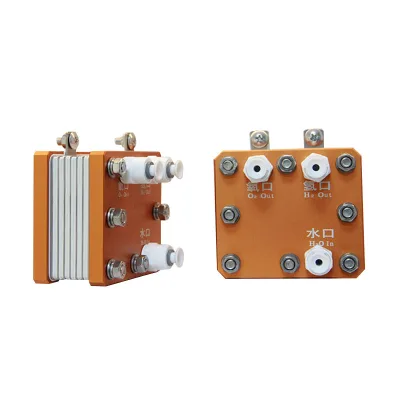

4nm3 Hydrogen Electrolyser by Water Electrolysis Pem Electrolyser System
$86800.00 - $94800.00
MOQ: 1 Pieces


1nm3 Electrolyser System Hydrogen Production Pure H2 Electrolyser
$12000.00 - $130000.00
MOQ: 1 Pieces


Hydrogen Generator Alkaline Hydrogen Production Equipment Alkaline Electrolyzer 99.999%
$19000.00 - $20000.00
MOQ: 1 Pieces


Advanced Hydrogen Electrolyzer with Rapid Cold Start Technology Hydrogen Purification
$180000.00 - $220000.00
MOQ: 1 Pieces

Advanced Cold Start Hydrogen Electrolyzer for Pure Hydrogen Generation for Hydrogen Generator
$170000.00 - $200000.00
MOQ: 1 Pieces

High Efficiency Compact Alkaline Electrolyzer for Hydrogen Gas Production Hydrogen Electrolyzer
$180000.00 - $220000.00
MOQ: 1 Pieces


Comprehensive Sourcing Guide
Sourcing Guide for Ultra Quiet Hydrogen Electrolysers
Understanding the Technical Landscape of Low-Noise Electrolysis
When sourcing an Ultra Quiet Hydrogen Electrolyser, buyers must first distinguish between general industrial hydrogen generation units and systems specifically engineered for acoustic minimization. The core requirement for "ultra quiet" operation implies a focus on noise reduction technologies integrated directly into the machine's design. Based on observed product attributes, specific models in the market are categorized by their noise levels, with some explicitly listed as "Ultra Low" and others as "Low." This distinction is critical for procurement decisions, as the acoustic environment of the installation site dictates the necessary specification.
The technical architecture of these units often centers on the water electrolysis method. The observed data indicates that the primary application fields for these machines include New Energy, Pharmaceutical, Petroleum, Medical, Food, Electronic, and Chemical sectors. This broad applicability suggests that the technology is versatile, yet the specific requirement for ultra-low noise is most pertinent to environments where sound pollution is a constraint, such as urban settings, medical facilities, or precision manufacturing plants. The machinery is designed to produce hydrogen and oxygen, with specific models noted for their purpose in gas separation and gas manufacturing.
A key technical differentiator in these systems is the power consumption profile. For high-efficiency units, the DC power consumption is observed at 4.2kwh/Nm3 H2. This metric is essential for calculating the total cost of ownership and operational efficiency. Furthermore, the start-up time varies significantly between warm and cold conditions, with observations noting a warm start-up of 10 seconds and a cold start-up of 8 minutes. Buyers must evaluate whether their operational workflow requires rapid cycling or if the system is intended for continuous, steady-state operation. The power range of these machines spans from 5% to 150%, indicating a high degree of load flexibility that allows the unit to adjust output based on real-time demand without compromising stability.
Compliance and Certification Verification
In the B2B procurement of industrial hydrogen equipment, verifying compliance with international standards is not merely a formality but a prerequisite for safety and market access. The observed product data highlights specific certifications that buyers should look for during the supplier evaluation process. The most frequently cited certifications include ISO and CE. Additionally, some units are listed with RoHS compliance, which is crucial for electronic components and environmental safety.
The CE marking indicates conformity with health, safety, and environmental protection standards for products sold within the European Economic Area. While the provided data confirms the presence of CE certification on several models, buyers must ensure that the specific unit they are purchasing carries the valid documentation for that certification. It is also important to note that while ISO 9001 is a recognized standard for quality management systems, the explicit mention of this standard in the background context should be treated as a general industry benchmark rather than a guaranteed attribute of every listed product. Buyers should request the specific certificate for the model in question to confirm that the manufacturing process adheres to the claimed quality standards.
Safety is paramount when dealing with hydrogen generation. The "Key Turn Project" container type mentioned in the data suggests a specific operational interface, but the broader safety framework relies on the adherence to standards like UL 61010-1 for electrical equipment safety. Although this standard is noted in the background context, it serves as a reference for what buyers should verify in the supplier's technical dossier. The absence of a specific claim for UL certification in the high-confidence facts means that buyers cannot assume all units meet this standard without direct confirmation from the manufacturer. Therefore, the procurement strategy must include a rigorous request for test reports and certification documents that explicitly cover the electrical and mechanical safety of the specific model being considered.
Cost Drivers and Pricing Structures
The pricing of ultra quiet hydrogen electrolysers is influenced by a complex interplay of factors, including capacity, power consumption, and the level of acoustic engineering required. The observed price range in the market spans from 39 USD to 2,199,999 USD. This vast disparity indicates that the market offers products ranging from small-scale laboratory units to large-scale industrial systems. The lower end of the price spectrum likely corresponds to smaller capacity units or basic configurations, while the upper end reflects high-capacity, fully integrated systems with advanced noise suppression and automation features.
A significant cost driver is the machine size and weight. The data shows a wide variety of specifications, with standard weights ranging from 30 KG to 500 KG, and even up to 4500 KG for larger industrial models. The "Medium" machine size category suggests a balance between portability and capacity, which often carries a premium compared to smaller, portable units. Additionally, the power voltage requirements, such as AC 380V Three Phases, necessitate specific electrical infrastructure, which can add to the total cost of ownership if the buyer's facility requires upgrades.
The Minimum Order Quantity (MOQ) is another critical factor in the cost structure. The observed MOQ range is consistently 1 unit across the listed products. This low barrier to entry allows buyers to purchase single units for pilot projects or specific applications without the need for bulk commitments. However, the price per unit may vary based on the volume of the order, even if the MOQ is one. Buyers should be aware that while the entry price is accessible, the total cost includes shipping, installation, and potential customization fees. The "Customization: Available" attribute suggests that buyers can tailor the system to their specific needs, which will inevitably impact the final price. It is advisable to request a detailed breakdown of costs, including the base unit price, customization fees, and logistics, to understand the true financial commitment.
Typical Applications and Operational Environments
The versatility of ultra quiet hydrogen electrolysers makes them suitable for a diverse array of industries. The primary application fields identified include New Energy, which encompasses hydrogen fuel cells and renewable energy storage. In the pharmaceutical and medical sectors, the "Ultra Low" noise level is a critical requirement to maintain a sterile and quiet environment for sensitive procedures and patient comfort. Similarly, in the food and electronic industries, where precision and cleanliness are paramount, the low-noise operation ensures that the hydrogen generation process does not interfere with delicate manufacturing processes.
The "Gas Separation" and "Gas Manufacturing" purposes highlight the dual functionality of these machines. They can be used to produce high-purity hydrogen for industrial use or to separate gases in chemical processes. The observed purity level of 99.999% is a key performance indicator for applications requiring high-grade hydrogen, such as in the semiconductor or electronic manufacturing industries. The "Water Electrolysis Hydrogen Production Machine" type confirms the method of production, which is generally considered cleaner and more efficient than other methods like steam methane reforming.
For buyers in the Energy & Mining or Manufacturing Plant sectors, the reliability and design life of the equipment are crucial. The observed design life of 80,000 hours indicates a robust unit capable of long-term operation with minimal downtime. The "Container Type Hydrogen Generator: Key Turn Project" suggests a user-friendly interface, which is beneficial for operators in remote or specialized locations. The ability to operate in various conditions, from warm to cold start-ups, ensures that the system can be deployed in diverse climates, making it a viable option for global projects.
Supplier Evaluation and Quality Control
Selecting the right supplier for an Ultra Quiet Hydrogen Electrolyser requires a comprehensive evaluation of their technical capabilities, quality control processes, and after-sales support. Buyers should prioritize suppliers who can provide transparent documentation regarding the product's certifications, such as ISO and CE, and who can demonstrate their adherence to safety standards like UL 61010-1. The presence of a "1 Year" warranty on some models is a positive indicator of the supplier's confidence in their product's durability, but buyers should carefully review the terms of the warranty to understand what is covered and what constitutes a claimable defect.
Quality control should be a central part of the procurement process. Buyers must verify that the supplier has established protocols for testing noise levels, power consumption, and gas purity. The "Ultra Low" and "Low" noise level attributes should be backed by independent test reports or third-party verification. Additionally, the supplier should be able to provide detailed specifications on the machine's dimensions, weight, and packing methods. The observed packing methods, such as "Wooden Box Packing" and "Container Loading / Bulk Load," indicate that the supplier has experience in handling large and sensitive industrial equipment.
The "Customization: Available" attribute suggests that the supplier is flexible and willing to adapt the product to the buyer's specific requirements. However, buyers should ensure that any customizations do not compromise the unit's safety or performance. The supplier's ability to provide a "Key Turn Project" solution implies a comprehensive service offering, which can include installation, commissioning, and training. This level of service is particularly valuable for buyers who may not have in-house expertise in hydrogen generation technology.
Long-Term Procurement and Lifecycle Management
Procuring an Ultra Quiet Hydrogen Electrolyser is a long-term investment that requires careful consideration of the total cost of ownership and lifecycle management. The design life of 80,000 hours suggests that the unit is built for longevity, but buyers must plan for maintenance, spare parts, and potential upgrades. The "Parts: Valve" and "Parts: Filters" attributes indicate that these components are critical to the system's operation and should be included in the maintenance schedule. Buyers should inquire about the availability of spare parts and the lead time for replacements to ensure minimal downtime.
The power consumption of 4.2kwh/Nm3 H2 is a key metric for operational costs. Buyers should calculate the energy costs based on their local electricity rates and the expected usage patterns of the unit. The power range of 5% to 150% allows for flexible operation, which can help optimize energy usage and reduce costs during periods of low demand. However, buyers should also consider the efficiency of the system at partial load, as this can impact the overall cost-effectiveness.
The "New Energy" application field highlights the growing importance of hydrogen in the transition to renewable energy. Buyers should consider the future scalability of the system and its compatibility with other renewable energy sources, such as solar or wind. The ability to integrate with existing infrastructure and the potential for future upgrades should be factored into the procurement decision. Additionally, the "Warranty: 1 Year" should be viewed as the starting point for a long-term service agreement. Buyers should negotiate extended warranty options or maintenance contracts to ensure continued support and protection of their investment.
In conclusion, sourcing an Ultra Quiet Hydrogen Electrolyser requires a thorough understanding of the technical specifications, compliance requirements, and operational needs of the buyer. By carefully evaluating the product attributes, verifying certifications, and considering the long-term implications of the purchase, buyers can make informed decisions that align with their strategic goals and operational requirements. The market offers a wide range of options, from small-scale units to large industrial systems, each with its own set of advantages and considerations. Buyers should leverage the available data and engage with suppliers who demonstrate a commitment to quality, safety, and customer support to ensure a successful procurement experience.
FAQs
What certifications do ultra quiet hydrogen electrolysers typically have?
These units typically hold ISO and CE certifications, with some models also featuring RoHS compliance. Buyers should verify specific documentation for the model in question to ensure safety and market access compliance.
How much does an Ultra Quiet Hydrogen Electrolyser cost?
Prices range from 39 USD to 2,199,999 USD depending on capacity and features. The lower end covers small units while the upper end reflects large industrial systems with advanced noise suppression and automation.
What is the minimum order quantity for these machines?
The minimum order quantity is consistently 1 unit across the listed products. This low barrier allows buyers to purchase single units for pilot projects without needing bulk commitments or large upfront investments.
Can these machines operate in cold conditions?
Yes, they support cold start-ups which take approximately 8 minutes, while warm start-ups take only 10 seconds. This flexibility ensures the system can be deployed in diverse climates and operational workflows.
What power voltage is required for these hydrogen generators?
The required power voltage is AC 380V with three phases. Buyers must ensure their facility has the specific electrical infrastructure to support this requirement before installation begins.
Which industries use ultra quiet hydrogen production machines?
They are used in New Energy, Pharmaceutical, Medical, Food, Electronic, and Chemical sectors. The ultra-low noise level is particularly critical for medical facilities and precision manufacturing environments.
How long is the design life of these electrolyser units?
The design life is 80,000 hours, indicating robust capability for long-term operation. Buyers should plan for maintenance schedules including valves and filters to ensure minimal downtime over this period.