Source Benzene Soluble Polyamide Resin for Inks Varnish Seal Coating
Find 30 listings for Benzene Soluble Polyamide Resin suitable for gravure printing inks, varnishes, and seal coatings. Buyers can compare specifications, certifications, and packaging options from verified Chinese manufacturers.
Key considerations
Products List



Comprehensive Sourcing Guide
Strategic Sourcing Guide for Benzene Soluble Polyamide Resin
Understanding the Product Category and Technical Specifications
Benzene Soluble Polyamide Resin represents a specialized class of synthetic resins designed primarily for use in ink formulations, varnishes, and seal coatings. In the context of B2B procurement, understanding the fundamental chemical and physical attributes of this material is the first step toward securing a reliable supply chain. The product is chemically defined as a Carbon Chain Polymer, specifically noted for its Benzene and Alcohol solubility profiles. This dual solubility characteristic is critical for formulators who require flexibility in their ink systems, allowing the resin to dissolve effectively in both aromatic solvents and alcohols, as well as co-solvent mixtures.
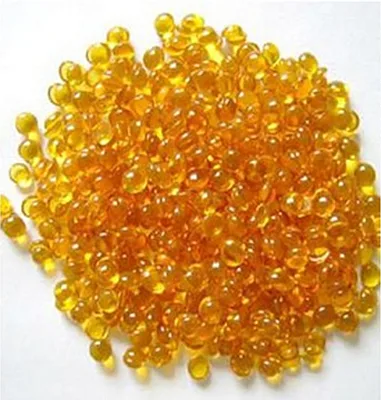
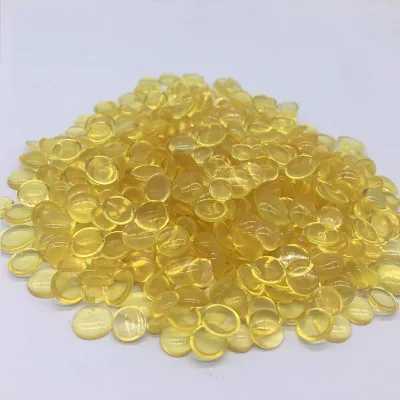
The physical appearance of the resin is typically observed as a yellow granulate or a light yellow granular crushed solid. This visual indicator is often the first point of verification upon receipt of a shipment. The molecular structure is characterized by the formula CORCONHR(NH)n, which dictates its performance in bonding and adhesion applications. Procurement teams must distinguish between different grades available in the market, such as "super grade" options that promise enhanced performance metrics. The primary application for this resin is in the ink industry, specifically for gravure printing inks, where its compatibility with various solvents ensures consistent print quality and drying times.
When evaluating technical specifications, buyers should look for specific model numbers that denote the resin's solubility type. Common designations include "Benzene Soluble" or generic "PA" models. The resin is classified under the broader category of Synthetic Resins and Plastics, with specific EINECS and CAS numbers serving as unique identifiers for regulatory compliance. The CAS number 63428-84-2 and the EINECS classification for Polyamide resins are essential data points for verifying the chemical identity of the product against safety data sheets. It is important to note that while the general category is consistent, specific formulations may vary in their acid value, which is often listed as "Standard" but requires verification against the specific batch requirements of the end-user.
Compliance, Certification, and Regulatory Verification
Navigating the regulatory landscape is a non-negotiable aspect of sourcing Benzene Soluble Polyamide Resin, particularly given the international nature of the trade. The supply chain for these materials often involves strict adherence to environmental and safety standards. High-confidence facts indicate that reputable suppliers in this sector frequently hold certifications such as RoHS, Reach, and ISO9001:2022. These certifications are not merely marketing claims but are critical indicators of a supplier's commitment to quality management and environmental compliance.
For buyers operating in markets with stringent chemical regulations, verifying the presence of ISO14001 certification is equally important, as this standard specifically addresses environmental management systems. Additionally, the availability of MSDS (Material Safety Data Sheets) and TDS (Technical Data Sheets) is a prerequisite for any serious procurement transaction. These documents provide the necessary data on handling, storage, and potential hazards, ensuring that the resin can be safely integrated into the buyer's production processes. The Flame Retardant property is another critical specification to verify, with some products meeting the UL94-V0 standard, which is a benchmark for flammability resistance in plastic materials.
When assessing compliance, buyers must ensure that the product's origin aligns with the regulatory requirements of their destination market. The primary production locations for this resin are identified as Zhejiang and Anhui in China. While these regions are known for their chemical manufacturing capabilities, the specific origin must be clearly stated on the product documentation to facilitate customs clearance and regulatory audits. The "Environmental" feature of the resin suggests a formulation designed to minimize ecological impact, but this claim must be backed by the aforementioned certifications. Without valid documentation proving adherence to RoHS, Reach, or ISO standards, the risk of non-compliance and subsequent supply chain disruption increases significantly.
Cost Drivers and Pricing Dynamics
The pricing of Benzene Soluble Polyamide Resin is influenced by a complex interplay of raw material costs, production scale, and logistical factors. In the observed market data, the price range for this product can vary significantly, spanning from 1 to 2300 USD. This wide disparity suggests that the unit price is highly dependent on the specific grade, quantity ordered, and the packaging configuration selected. Buyers should not interpret the lower end of this range as a standard market price but rather as a potential starting point for small-scale or specific custom orders.
A primary cost driver is the Minimum Order Quantity (MOQ). The observed MOQ range extends from 0 to 1000 units, indicating that some suppliers may offer flexible terms for trial runs or small batches, while others enforce stricter volume requirements to maintain production efficiency. For large-scale industrial buyers, the ability to leverage economies of scale is crucial. Suppliers with a high supply ability, such as those capable of delivering 60,000 tons per month, are better positioned to offer competitive pricing for bulk orders. However, the actual cost per ton will fluctuate based on the current market price of the raw materials used to synthesize the polyamide resin.
Packaging also plays a significant role in the final cost structure. The standard packaging details include 25kg PE film-lined PP woven bags or 20kg compound paper bags. The choice between these packaging types can affect shipping costs and handling efficiency. Custom packaging requests, while available, may incur additional charges that impact the overall unit price. Furthermore, the "Selling Units" are often listed as single items, which can be misleading if the buyer does not clarify the weight or volume associated with a single unit. Buyers must carefully calculate the total landed cost, including freight, insurance, and duties, rather than focusing solely on the base product price.
Typical Applications and Performance Requirements
The versatility of Benzene Soluble Polyamide Resin makes it a critical component in several high-performance applications. Its primary use case is in the formulation of inks, particularly for gravure printing. In this context, the resin acts as a binder that ensures the ink adheres properly to various substrates while maintaining flexibility and durability. The alcohol solubility and co-solvent compatibility allow for precise control over the ink's viscosity and drying characteristics, which are essential for high-speed printing operations.
Beyond gravure inks, the resin is also utilized in varnishes and seal coatings. In these applications, the resin provides a protective layer that enhances the resistance of the coated surface to abrasion, chemicals, and environmental factors. The "super grade" designation often implies superior performance in these demanding environments, offering enhanced adhesion and gloss retention. The molecular structure of the resin, being a carbon chain polymer, contributes to its mechanical strength and chemical resistance, making it suitable for applications where durability is paramount.
Buyers should verify that the specific resin grade they select matches the intended application. For instance, a resin optimized for ink may not perform as effectively in a seal coating without modification. The "Application" field in product specifications often lists "Alcohol Soluble Polyamide Resin" or "mainly for ink," but the actual performance will depend on the specific formulation. It is essential to request sample testing to ensure that the resin meets the specific rheological and adhesion requirements of the buyer's end product. The "Service" aspect, often described as "always online," indicates that suppliers should be available to provide technical support and troubleshooting during the application process.
Supplier Evaluation and Supply Chain Reliability
Selecting the right supplier for Benzene Soluble Polyamide Resin requires a rigorous evaluation process that goes beyond price comparison. The supply chain for chemical raw materials is complex, and the reliability of the supplier is paramount to maintaining continuous production. Key factors to consider include the supplier's production capacity, location, and logistics capabilities. The observed supply ability of 60,000 tons per month suggests that large-scale manufacturers can meet high-volume demands, but buyers must verify if this capacity is dedicated to their specific order or if it is shared across multiple clients.
Geographic location is another critical factor. The primary origins for this resin are Zhejiang and Anhui, China. While these regions are hubs for chemical manufacturing, buyers should assess the logistical implications of sourcing from these locations. The ports of dispatch are typically Shanghai or Ningbo, which are major international shipping hubs. This proximity to major ports can facilitate efficient export processes, but buyers must confirm the specific port of dispatch for each order to avoid unexpected delays.
The supplier's ability to provide samples is a strong indicator of their confidence in their product and their willingness to engage in a transparent procurement process. The "Sample Policy" often allows for free samples, which enables buyers to conduct preliminary testing before committing to a large order. Additionally, the availability of customization services suggests that the supplier is flexible and capable of tailoring the resin to meet specific customer requirements. Buyers should also evaluate the supplier's response time and communication channels, as the "always online" service promise implies a high level of accessibility for technical and commercial inquiries.
Quality Control and Long-Term Procurement Considerations
Ensuring consistent quality is a continuous challenge in the procurement of chemical raw materials. The "Quality" attribute is often described as "High Quality," but this is a subjective term that must be validated through objective testing. Buyers should establish a robust quality control protocol that includes regular sampling and testing of incoming shipments. Key parameters to monitor include the appearance (yellow granulate or light yellow granular crushed solid), acid value, and solubility characteristics. The "Standard" acid value mentioned in the specifications serves as a baseline, but buyers should verify if this aligns with their specific formulation requirements.
Storage conditions are another critical aspect of maintaining product quality. The resin should be stored in a dry and ventilated warehouse to prevent degradation or clumping. Buyers must ensure that their own storage facilities meet these requirements or that the supplier provides appropriate packaging that protects the product during transit and storage. The "Packing" details, such as 25kg compound paper bags or 20kg bags, should be inspected for integrity upon receipt to prevent contamination or moisture ingress.
For long-term procurement, buyers should consider the scalability of their supply chain. The ability of the supplier to maintain consistent quality over time, coupled with their capacity to scale production, is essential for business continuity. The "Customization" availability indicates that suppliers can adapt to changing market needs, but this should be formalized in long-term contracts to ensure stability. Finally, buyers should maintain open communication with suppliers regarding any changes in regulations or market conditions that could impact the supply of Benzene Soluble Polyamide Resin. By proactively managing these factors, buyers can mitigate risks and ensure a steady supply of high-quality resin for their operations.
Comparative Analysis of Product Attributes
To facilitate a clearer understanding of the variations in Benzene Soluble Polyamide Resin offerings, the following table summarizes key attributes observed in the market data. This comparison highlights the diversity in specifications, packaging, and certifications that buyers may encounter.
| Attribute | Observation A | Observation B | Observation C |
|---|---|---|---|
| Model Number | Synthetic Resin and Plastics | Polyamide resin Benzene /Alcohol | Benzene Soluble |
| Appearance | Yellow granulate | Light Yellow Granular or Crushed Solid | Light Yellow Granular |
| Packaging | 25Kg/PE film lined PP woven bag | 20kg/Bag | 25kgs Compound Paper Bag |
| Origin | Zhejiang, China | Anhui, China | China |
| Certifications | RoHS, Reach, ISO9001:2022 | ISO9001/ISO14001 | ISO9001 ISO14001 MSDS TDS |
| Application | Mainly for ink | Gravure Printing Ink, Varnish | Alcohol Soluble Polyamide Resin |
| Flame Retardant | UL94-V0 | Not Specified | Not Specified |
| Sample Policy | Ok | Freely | Free Sample |
This table illustrates that while the core product remains consistent, there are significant variations in packaging, origin, and certification details. Buyers must carefully match these attributes to their specific needs and regulatory requirements. The presence of UL94-V0 in some listings indicates a specialized flame-retardant grade, which may be necessary for specific applications but not required for others. Similarly, the variation in packaging from woven bags to compound paper bags suggests that buyers should consider the handling and storage capabilities of their facilities when selecting a supplier. By understanding these nuances, buyers can make more informed decisions and optimize their procurement strategies for Benzene Soluble Polyamide Resin.
FAQs
What certifications do Benzene Soluble Polyamide Resin suppliers typically hold?
Suppliers typically hold RoHS, Reach, and ISO9001:2022 certifications. Some also provide ISO14001 and MSDS documents to ensure environmental compliance and safety for international trade requirements.
How is the product packaged for shipment from China?
The product is commonly packaged in 25kg PE film-lined PP woven bags or 25kg compound paper bags. Custom packaging requests are available to meet specific logistical needs.
Can I obtain a free sample before placing a bulk order?
Yes, free samples are available for testing purposes. Buyers can request samples to verify the yellow granulate appearance and solubility characteristics before committing to larger quantities.
What is the minimum order quantity for this resin?
The minimum order quantity ranges from zero to 1000 units depending on the supplier. Some vendors offer flexible terms for trial runs while others enforce stricter volume requirements.
Which ports are used for dispatching this chemical from China?
Shanghai or Ningbo ports are used for dispatching this resin. These major hubs facilitate efficient export processes for worldwide markets from the Zhejiang and Anhui production regions.
What is the monthly supply capacity of major manufacturers?
Major manufacturers can supply up to 60,000 tons per month. This high capacity ensures that large-scale industrial buyers can secure consistent supply for their production lines.