Find Adjusting Sound Volume Guitar Pick-up for Live, Studio, and Practice
Source 30 products for adjusting sound volume guitar pick-up with options for passive and active systems. Buyers can compare specifications, materials, and pricing to select the right component for live, studio, or practice applications.
Key considerations
Products List


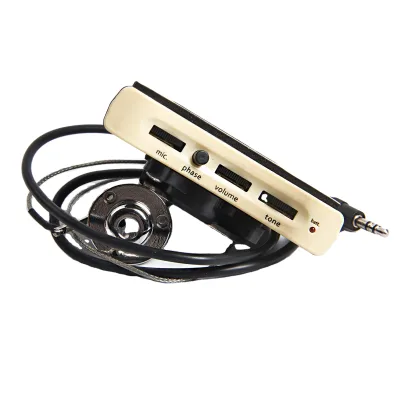
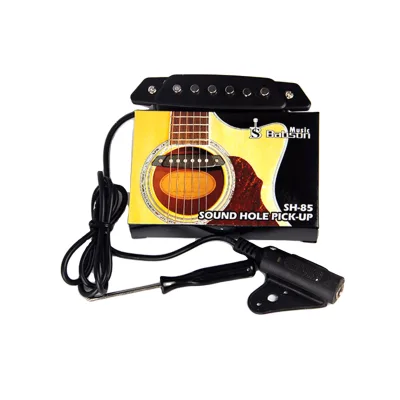
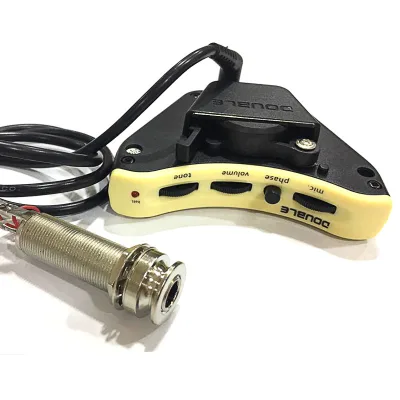
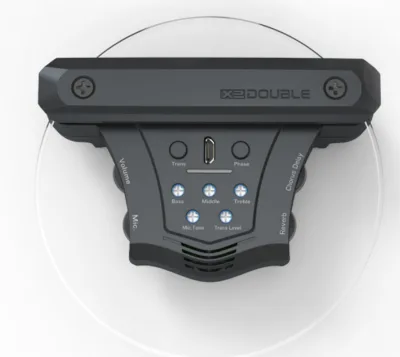


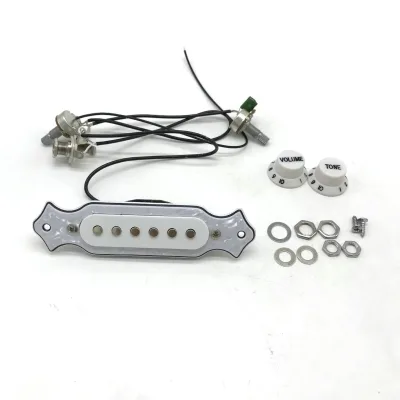
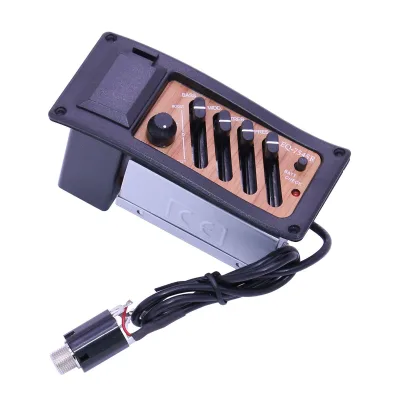

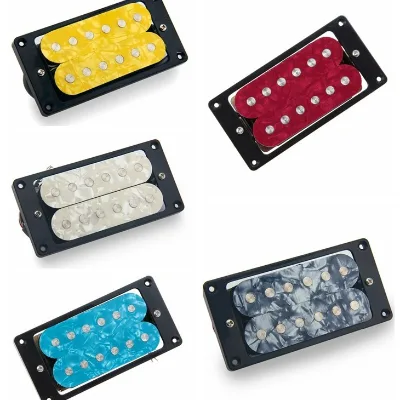
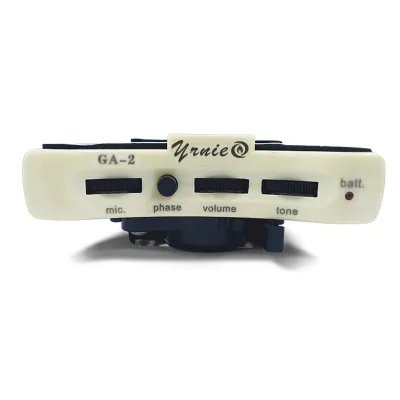
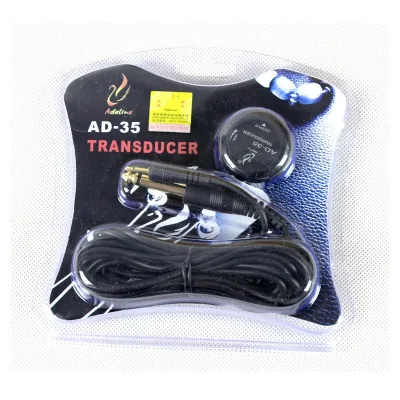


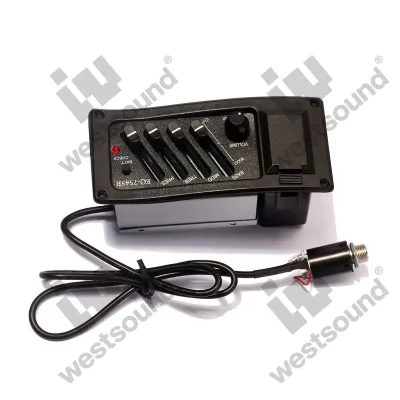
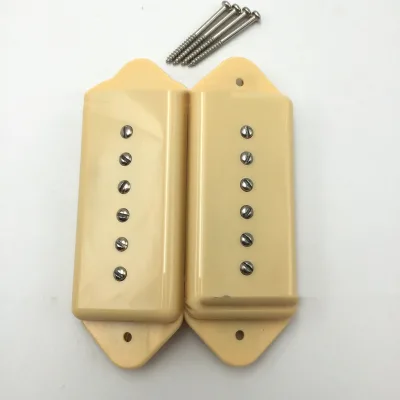
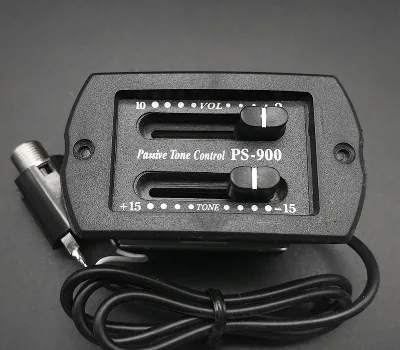
Comprehensive Sourcing Guide
Strategic Sourcing Guide for Adjusting Sound Volume Guitar Pick-Ups
Understanding Product Categories and Technical Specifications
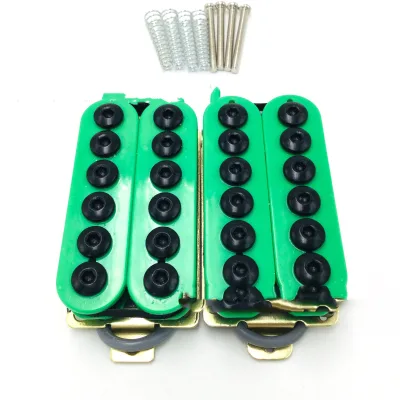
When sourcing components to adjust sound volume for guitars, buyers must first distinguish between complete instrument kits and specialized electronic modules. The market presents a diverse array of products ranging from full-body acoustic and electric guitar assemblies to discrete pickup units designed for retrofitting or DIY projects. In the context of adjusting sound volume, the primary focus lies on the pickup system, which converts string vibrations into electrical signals that can be amplified or attenuated.
Technical specifications are the foundation of any successful procurement decision. A critical observation in the current market is the variation in pickup types. Products are frequently categorized as "Passive Pickup" systems, which rely on the magnetic field of the strings to generate a signal without an external power source. Conversely, other listings indicate features such as "Built-In Battery," suggesting active pickup systems that require power to operate pre-amplifiers and potentially offer more precise volume and tone control. The distinction is vital because passive systems generally offer a warmer, more dynamic response, while active systems provide a higher output and a broader frequency range, often essential for professional volume adjustment in live settings.
Material composition also plays a significant role in the acoustic and electrical performance of these components. The body materials of complete guitar kits vary widely, with observations of "Basswood," "Plywood," and "Single Board" constructions. While these materials primarily affect the resonance of the instrument, they influence the load on the pickup and the overall tonal character. For the pickup itself, the material composition often includes "Stainless Steel" and "Plastic" or "Plastics" and "Metal" components. These materials determine the durability of the housing and the magnetic properties of the internal coils. The fingerboard material, such as "Rosewood," and the neck material, typically "Maple," further define the instrument's structural integrity, which indirectly impacts the stability of the electronic setup.
Buyers should also note the physical dimensions and packaging standards. Specifications list sizes ranging from 40 inches to 41 inches for full instruments, while standalone pickup modules may have single package sizes as small as 10x6x6 cm. The gross weight of individual units is recorded at approximately 1.0 kg for certain models, which is a critical factor for shipping cost calculations and inventory management. Understanding these physical constraints ensures that the selected components fit the intended application, whether it is a standard 41-inch guitar or a custom-built kit.
Compliance, Certification, and Origin Verification
In the global B2B market for musical instrument components, verifying the origin and adherence to standards is paramount for risk mitigation. The supplied data indicates that the majority of these products originate from specific manufacturing hubs in China, with "Guangzhou" and "Hunan" in the "Guangdong" province being prominent locations. Guangzhou is historically a major center for guitar manufacturing, known for its supply chain efficiency, while Hunan represents a growing hub for electronic components.
When evaluating suppliers, buyers must scrutinize the "prod_standard" fields. Observations include standards such as "41inch guitar," "40inch," and specific dimensional standards like "107.544.564.5 cm." These are not merely marketing terms but serve as baseline quality indicators for the physical dimensions of the product. However, buyers should verify if these standards align with international safety and electrical compliance requirements, such as CE, RoHS, or FCC, particularly for active pickups containing batteries and electronic circuits. The provided text does not explicitly list third-party certifications; therefore, procurement teams must request valid test reports and certification documents directly from the supplier to ensure the products meet the regulatory requirements of the destination market.
The concept of "OEM or ODM Are Welcome" suggests that many suppliers offer flexible manufacturing services. This allows buyers to customize branding, such as using "OEM" as the brand name or requesting specific model numbers like "EQ-B" or "EQ-SH-85." However, customization does not automatically imply compliance with international standards. Buyers must ensure that any custom modifications to the pickup circuitry or housing materials do not void safety certifications. Additionally, the "prod_packing" specifications, such as "Carton Box" or "6PCS/CTN," must be evaluated for their ability to protect the delicate electronic components during transit, especially given the "Glossy" finish on some instruments which can be prone to scratching.
Cost Drivers and Pricing Dynamics
The pricing landscape for guitar pickups and related accessories is influenced by several dynamic factors. The observed price range in the market spans from $1.41 to $256 USD. This wide disparity reflects the difference between basic passive pickups, which may cost as little as $1.41, and complete, high-end guitar kits or specialized active systems with advanced features, which can reach $256.
Several key drivers influence these costs. First, the complexity of the electronic circuitry is a primary factor. Products with "Built-In Battery" features and active electronics inherently cost more due to the inclusion of pre-amps, batteries, and more complex wiring. Second, the quality of materials used in the construction significantly impacts the price. A pickup housed in "Stainless Steel" with high-grade magnets will command a higher price than one using standard "Plastics" and "Metal" alloys. Third, the level of customization required plays a role. While "Customization" is available, the extent of OEM or ODM work, including custom branding and specific model configurations like "BST-04" or "L-G2-PRO," can increase the unit cost.
Minimum Order Quantity (MOQ) is another critical cost driver. The observed MOQ range is between 1 and 40 units. Suppliers with an MOQ of 10 pieces, as noted in some listings, may offer better per-unit pricing for larger orders, whereas suppliers allowing an MOQ of 1 are likely targeting smaller buyers or testing markets but may charge a premium per unit. Buyers should calculate the total landed cost, including shipping and duties, rather than focusing solely on the unit price. For instance, a low-priced item with a high shipping cost due to weight (1.0 kg per unit) or bulky packaging (6PCS/CTN) may end up being more expensive than a slightly higher-priced item with optimized logistics.
Typical Applications and Use Cases
The versatility of guitar pickups allows them to serve a wide range of applications, from professional stage performance to educational and hobbyist projects. The "Use" category explicitly lists "GUITAR," indicating the primary application. However, the specific type of guitar and the intended sound profile dictate the choice of pickup.
For professional musicians, the "Style: Jazz Guitar" classification suggests a need for pickups that offer a warm, clean tone with excellent dynamic range. Jazz players often prefer passive pickups that provide a natural response without the compression of active systems. Conversely, rock or metal applications might benefit from the high output and noise reduction of active pickups with "Built-In Battery" features. The "DIY Wholesale Electric Guitar Kit Accessories" category highlights the growing market of hobbyists and luthiers who assemble their own instruments. These buyers require modular components that are easy to install and compatible with various body styles, such as the "Solid" body structure observed in some listings.
Additionally, the "Color: Blue Guitar" and "Color: Black" options indicate that aesthetic customization is a significant application driver. While the color of the guitar body does not affect the electronic performance, it is a crucial factor for buyers targeting specific market segments or retail environments where visual appeal is paramount. The "Tuner: Yes" feature in some listings suggests that some products may be integrated systems or kits that include additional functionality, expanding their application beyond simple volume adjustment to include tuning stability and overall instrument management.
Supplier Evaluation and Selection Criteria
Selecting the right supplier requires a rigorous evaluation process based on the available data and industry best practices. The first step is to verify the supplier's location and production capacity. With origins in "Guangzhou, China" and "Hunan, China," buyers should assess the logistical advantages of these regions. Guangzhou offers established supply chains for musical instruments, while Hunan may offer competitive pricing for electronic components.
Buyers must also evaluate the supplier's flexibility regarding "Customization" and "OEM or ODM" services. The ability to produce specific model numbers like "M-F1SS" or "LG-07-EQ" indicates a mature manufacturing process capable of handling custom orders. However, buyers should request samples to verify that the customization does not compromise the quality of the "Glossy" finish or the structural integrity of the "Single Board" or "Plywood" bodies.
Another critical criterion is the supplier's ability to meet quality standards. The "prod_standard" fields provide a baseline, but buyers should request detailed quality control reports. This includes verifying the consistency of the "Fingerboard Material" and "Neck Material" and ensuring that the "Passive Pickup" or active systems function correctly under various conditions. The "Single gross weight" and "Single package size" data should be cross-referenced with the supplier's shipping capabilities to ensure that the packaging protects the product effectively.
Finally, buyers should assess the supplier's communication and responsiveness. The presence of specific product names like "China Acoustic Guitar Brands" and "Smiger Guitar" suggests that some suppliers have established brand identities. Buyers should prioritize suppliers who can provide clear documentation, responsive customer service, and a track record of meeting delivery timelines.
Quality Control and Long-Term Procurement Considerations
Implementing a robust quality control (QC) strategy is essential for maintaining product integrity and customer satisfaction. Given the electronic nature of pickups, QC should focus on both mechanical and electrical performance. Buyers should verify that the "Passive Pickup" systems produce a consistent signal and that active systems with "Built-In Battery" features maintain stable voltage levels. Testing should include checking for noise, hum, and signal clarity across the frequency spectrum.
Long-term procurement considerations involve building a sustainable supply chain. Buyers should look for suppliers who offer consistent quality over time, rather than just meeting the initial sample requirements. The "MOQ" of 10 pieces suggests that suppliers are willing to work with smaller orders, but buyers should aim to establish a long-term relationship that allows for volume discounts and priority production slots.
Sustainability is also becoming a key factor in procurement. Buyers should inquire about the environmental impact of the materials used, such as the "Stainless Steel" and "Plastics" in the pickup housing, and the sourcing of wood for the guitar bodies. Ensuring that the "prod_packing" materials are recyclable or biodegradable can enhance the brand image of the buyer.
In conclusion, sourcing adjusting sound volume guitar pick-ups requires a balanced approach that considers technical specifications, compliance, cost, and supplier reliability. By leveraging the observed data and adhering to strict quality control measures, buyers can secure high-quality components that meet the diverse needs of the global guitar market. The wide range of options, from basic passive pickups to advanced active systems, offers significant opportunities for customization and innovation, provided that the procurement process is managed with diligence and strategic foresight.
FAQs
How do passive pickups adjust sound volume without a battery?
Passive pickups adjust volume by converting string vibrations into electrical signals without external power. They rely on magnetic fields and typically offer a warmer tone, unlike active systems that require a built-in battery for pre-amplification and higher output control.
What is the minimum order quantity for guitar pickup kits?
The minimum order quantity for these guitar pickup kits ranges from 1 to 40 units depending on the specific supplier. Some listings specify an MOQ of 10 pieces, while others allow single item purchases, affecting your initial procurement cost and inventory planning.
Which materials are used for the body and fingerboard of these guitars?
Common body materials include Basswood, Plywood, and Single Board constructions. The fingerboard is frequently made of Rosewood, while the neck is typically constructed from Maple, all of which influence the instrument's resonance and the pickup's tonal response.
Can I customize the brand name and model number for these pickups?
Yes, OEM or ODM customization is available for these products. You can request specific model numbers like EQ-B or EQ-SH-85 and use OEM as the brand name, allowing for tailored branding and specifications to meet your unique market requirements.
Where are these guitar pickup products manufactured and shipped from?
These products originate from manufacturing hubs in China, specifically Guangzhou and Hunan in Guangdong province. Guangzhou is a major center for guitar manufacturing, while Hunan serves as a growing hub for electronic components used in these pickup systems.
How does the price range vary for different pickup types?
The observed price range spans from 1.41 to 256 USD, reflecting differences in complexity. Basic passive pickups cost less, while active systems with built-in batteries and advanced electronics command higher prices due to their enhanced volume control and signal processing capabilities.