Source Bentonite Cat Litter Pellet Machine for Cat Litter
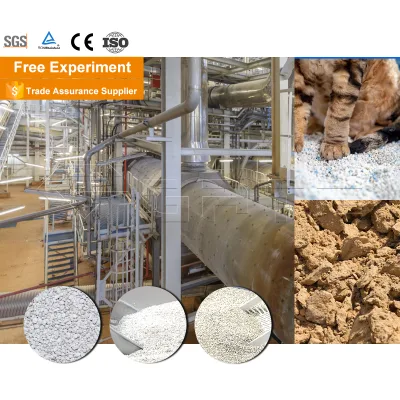
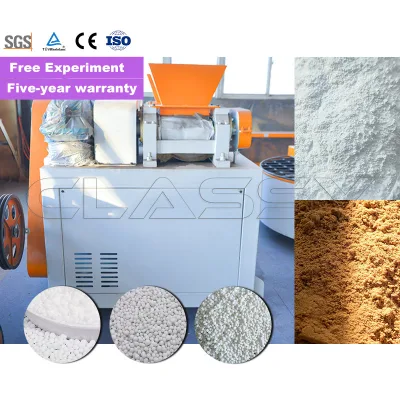
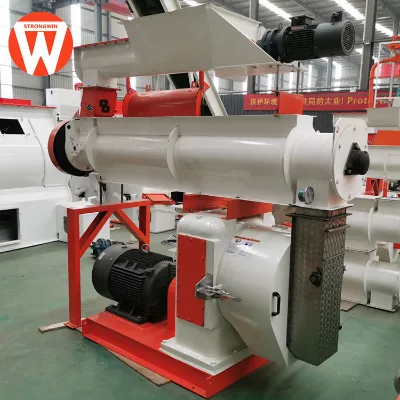
Find and compare 25 Bentonite Cat Litter Pellet Machine listings from China. These ring die pelleters and pressing granulators offer automatic production lines with capacities up to 20T/H, featuring Siemens motors and NSK bearings for stable, high-efficiency cat litter manufacturing.
Key considerations
Products List


Comprehensive Sourcing Guide
Bentonite Cat Litter Pellet Machine Sourcing Guide
Selecting the right equipment for manufacturing bentonite cat litter requires a clear understanding of the mechanical processes involved in pelletizing clay-based materials. The core machinery typically involves ring die pelletizers or pressing granulators designed to handle the specific moisture and binding properties of bentonite. Buyers must evaluate whether the system supports automatic production lines or standalone units, as this decision impacts both initial capital expenditure and long-term operational efficiency. The choice between different model series, such as the DH series or IKL series, often dictates the throughput capacity and the final granule shape, which are critical for product marketability.
Procurement decisions should also account for the versatility of the production line, as many modern machines are designed to handle multiple raw materials beyond just bentonite. Some systems are explicitly configured for tofu cat litter or corn-based alternatives, offering flexibility for manufacturers looking to diversify their product portfolio. Understanding the acceptable raw materials for a specific machine is essential to ensure compatibility with your supply chain. Additionally, the granularity of the output, often ranging from 2mm to 5mm, must align with customer expectations for clumping performance and dust control, making precise calibration capabilities a key feature to verify during the sourcing phase.
Product Scope and Observed Listing Signals
The current market for cat litter production equipment displays a wide variance in pricing and capacity, reflecting the diversity of available technologies. Listings indicate a price range that spans from approximately $2,105 to $160,000, suggesting that buyers can find options ranging from small-scale pilot units to fully automated industrial lines. This broad spectrum allows for strategic alignment with budget constraints and production volume goals. It is crucial to correlate price points with specific output standards, such as capacities ranging from 1 to 20 tons per hour, to ensure that the selected machine meets your projected manufacturing demands without unnecessary overspending.
Observations of product listings reveal that many suppliers offer customization options, allowing buyers to tailor equipment to specific facility layouts or material handling requirements. The condition of the machinery is predominantly listed as new, with standard wooden packaging or iron frames used for shipping protection. Key attributes such as high efficiency, low cost operation, and stable working conditions are frequently highlighted as primary advantages. Buyers should note that while some models are non-customized, others offer significant flexibility in terms of voltage, color, and specific component branding, such as Siemens motors or NSK bearings, which can influence long-term maintenance costs and performance reliability.
Technical Specifications to Verify
When evaluating technical specifications, the model number and series designation serve as the primary identifiers for machine capabilities. Common model identifiers include MSX-001, LA-DCAT, and various iterations within the DH, IKL, and MZLH series. Each series typically corresponds to different structural designs, such as ring die pelletizers or pressing granulators, which directly impact the density and durability of the final cat litter pellets. Buyers must verify the specific prod_standard or capacity rating for each model, as these figures determine the hourly output and the scale of operation suitable for your business needs.
Material composition and mechanical durability are critical factors that influence the lifespan of the equipment, particularly when processing abrasive materials like bentonite. The roller material is often specified as alloy steel, and the overall machine structure may utilize alloy components to withstand high-pressure pressing operations. Verification of the granule size settings, which can be adjusted to 2mm, 2.5mm, 3mm, or other custom dimensions, is essential for meeting specific product quality standards. Additionally, confirming the voltage requirements, typically 380V for industrial applications, ensures that the machine is compatible with your facility’s power infrastructure and avoids costly retrofitting expenses.
Compliance and Safety Documentation
Certification status is a fundamental requirement for ensuring that the machinery meets international safety and quality standards. Listings frequently indicate compliance with CE, ISO, and GS certifications, which are critical for importing equipment into regulated markets. Buyers must request valid certification documents to verify that the manufacturer has undergone rigorous testing for electrical safety, mechanical integrity, and operational stability. These certifications not only facilitate customs clearance but also provide assurance that the equipment adheres to recognized engineering practices, reducing the risk of operational hazards in the production environment.
Beyond certifications, the provision of after-sales service is a vital component of the procurement package, especially for complex production lines. Many suppliers offer overseas service provisions, which can include installation guidance, troubleshooting support, and spare parts supply. Buyers should clarify the scope of these services, including response times and coverage areas, to ensure that technical issues can be resolved promptly. The warranty period, often listed as one year, should be reviewed in detail to understand what components are covered and under what conditions. Clear documentation of service agreements helps mitigate downtime risks and ensures continuous production flow.
Cost Drivers and Commercial Terms
The total cost of ownership for a cat litter pellet machine is influenced by several commercial terms and operational factors. While the initial purchase price varies significantly based on capacity and automation level, buyers must also consider the energy consumption and maintenance requirements of the equipment. Features such as energy-saving designs and automatic operation grades can reduce long-term operational expenses, making them valuable considerations for cost-conscious procurement strategies. Understanding the MOQ, which is often listed as one unit, allows for flexible ordering without the burden of excessive inventory, though bulk orders may offer different commercial advantages.
Packaging and logistics costs also play a role in the overall procurement budget, with standard wooden packages or wooden boxes commonly used to protect the machinery during transit. Buyers should verify the packing size and weight to estimate shipping costs accurately, especially for international orders. The availability of customized solutions may incur additional costs, so it is important to balance specific requirements with budget constraints. Clear communication regarding payment terms, delivery schedules, and responsibility for import duties is essential to avoid unexpected expenses and ensure a smooth transaction process from order placement to site installation.
Supplier Qualification and Quality Control
Evaluating supplier qualifications is essential to ensure that the manufacturer has the technical expertise and production capacity to deliver reliable equipment. Buyers should verify the manufacturer’s experience in producing cat litter production lines and their ability to provide consistent quality across different model series. The use of reputable component brands, such as Siemens for motors and NSK for bearings, is a strong indicator of quality control practices and attention to detail. Suppliers who provide detailed technical specifications and transparent documentation demonstrate a commitment to professionalism and customer satisfaction.
Quality control processes should extend beyond the final product to include pre-shipment inspections and testing procedures. Buyers should inquire about the testing protocols used to verify machine performance, including stability tests and output consistency checks. The ability to provide video demonstrations or factory audits can offer additional assurance of the supplier’s manufacturing capabilities. Establishing a clear communication channel for technical support and after-sales service is also crucial, as it ensures that any issues arising during installation or operation can be addressed efficiently. A qualified supplier will provide comprehensive documentation and support throughout the lifecycle of the equipment.
Long-Term Procurement Checks
Long-term success in cat litter manufacturing depends on the availability of spare parts and the durability of the machinery. Buyers should establish a relationship with suppliers who offer a steady supply of wear parts, such as rollers and dies, which are subject to regular replacement due to the abrasive nature of bentonite. Understanding the lead times for spare parts delivery is critical to minimizing production downtime. Suppliers who maintain inventory of common components or have efficient logistics networks can significantly reduce the impact of maintenance activities on overall productivity.
Continuous improvement and technological updates are also important considerations for long-term procurement. Buyers should stay informed about new model releases or upgrades that may offer improved efficiency or versatility. Engaging with suppliers for periodic maintenance checks and performance evaluations can help identify potential issues before they become critical failures. Additionally, monitoring industry trends and regulatory changes ensures that the production line remains compliant and competitive. Building a partnership with a reliable supplier facilitates ongoing support and ensures that the equipment continues to meet evolving market demands and operational standards.
FAQs
What certifications do the cat litter machines have?
The machines hold ISO, CE, and GS certifications as confirmed by product specifications. These standards ensure safety and compliance for international buyers. You can verify these documents before placing an order to meet local regulatory requirements for industrial equipment.
Can I customize the production line for my needs?
Customization is available for most models to fit specific production requirements. Some units are listed as non-customized, so you must check the specific model details. This flexibility allows you to tailor the line for different raw materials like bentonite or tofu.
What is the production capacity range for these machines?
Production capacity ranges from 1 to 20 tons per hour depending on the specific model selected. Different standards like DH650 or IKL series offer varying outputs. You should select a model that matches your desired hourly output volume for optimal efficiency.
How long is the warranty period for the equipment?
The standard warranty period provided is one year for the machinery. This coverage applies to the core components and ensures initial operational support. Buyers should confirm specific warranty terms with the supplier to understand the exact scope of protection.
What raw materials can the granulator process effectively?
The equipment accepts raw materials such as potassium and various bentonite types for granulation. It is designed to produce irregular granules with sizes between 2 and 5 millimeters. This versatility supports the manufacturing of different cat litter types including tofu and bentonite varieties.
Which motor and bearing brands are used in the machines?
The machines utilize Siemens motors and NSK bearings for reliable performance. These high-quality components contribute to stable working conditions and energy saving features. Selecting units with these brands ensures durability and reduces the risk of mechanical failure during operation.
What is the typical packaging method for the machines?
Machines are typically packed in standard wooden boxes or iron frames for safe shipping. This packaging protects the equipment during transit from China to international destinations. The choice between wooden boxes and iron frames may depend on the specific model and size.