Source Berberine Biotin Gummies for Weight Management, Energy, and Immunity
Find 30 verified listings for Berberine Biotin Gummies tailored for weight management, energy support, and immunity. Compare specifications, MOQs, and customization options from suppliers in Shaanxi, China to find the right fit for your brand.
Key considerations
Products List


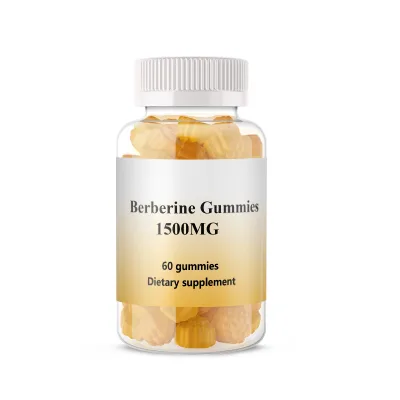
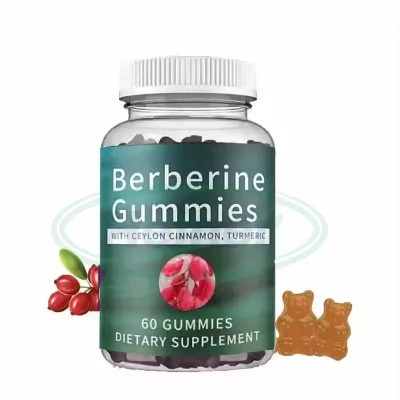
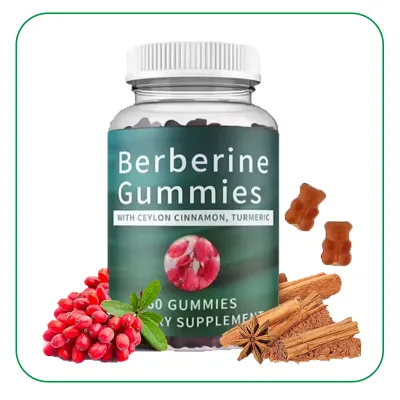
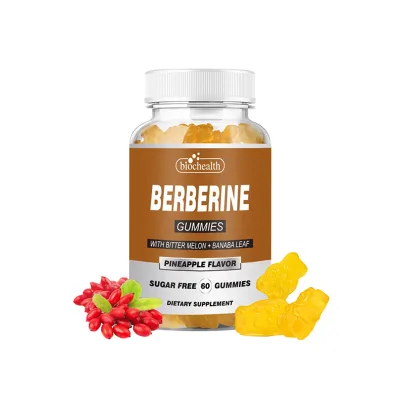


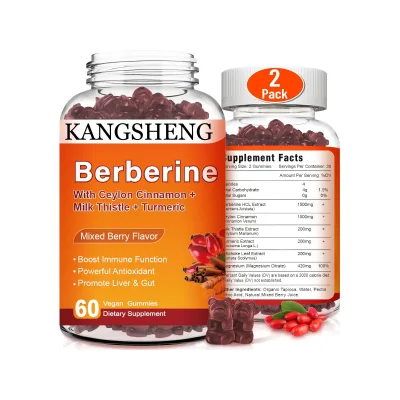
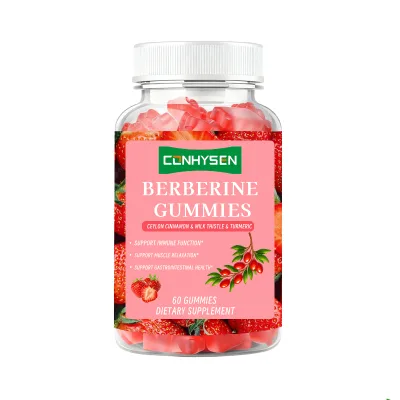
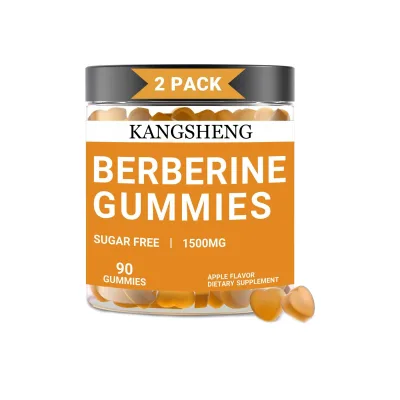
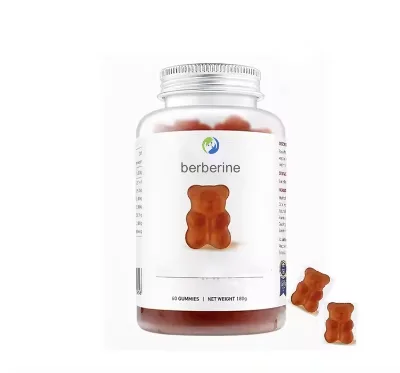
Top Quality Organic Food Grade Cinnamon Berberine Niacin Gummies Tea Berberine Gummies
$2.20 - $3.80
MOQ: 100 Minimum



Comprehensive Sourcing Guide
Berberine Biotin Gummies Sourcing Guide
Sourcing berberine and biotin gummies requires a nuanced understanding of the intersection between traditional herbal extracts and modern vitamin supplementation. These products are formulated as chewable dietary supplements, typically targeting adults seeking weight management support, immune system enhancement, and general energy provision. The market offers a variety of formulations, with some products focusing heavily on berberine for metabolic support, while others combine it with biotin for hair, skin, and nail health. Buyers must recognize that while the base format is a gummy, the active ingredients drive distinct regulatory and manufacturing considerations. The primary demographic is adults, with specific exclusions for newborns, indicating that potency and ingredient profiles are calibrated for mature physiological needs rather than pediatric use.
The procurement landscape for these gummies is characterized by significant flexibility in customization and private labeling. Suppliers frequently offer OEM and ODM services, allowing brands to tailor flavors, colors, and packaging to their specific market positioning. This customization extends to the dosage form, with options ranging from standard bottle packing to bulk or blister packaging, depending on the distribution channel. The presence of both berberine and biotin in the same sourcing category suggests a trend toward multi-functional supplements that address multiple health concerns simultaneously. Buyers should evaluate whether their target audience prefers a single product that combines these benefits or separate SKUs for specialized marketing, as this decision impacts inventory complexity and supplier selection.
Product Scope and Observed Listing Signals
The observed product listings reveal a wide range in pricing and minimum order quantities, reflecting the diversity of supplier capabilities and product tiers. Prices observed in the market range from $0.02 to $8.62 per unit, a variance that likely correlates with ingredient purity, dosage strength, and packaging sophistication. Minimum order quantities (MOQs) are equally flexible, starting as low as one unit for sampling purposes and extending up to 150,000 units for large-scale industrial contracts. This flexibility allows buyers of all sizes to enter the market, from small startups testing product-market fit to established brands scaling up production. The availability of samples, such as berberine and biotin gummies, is a critical signal of supplier confidence and facilitates initial quality assessment before committing to bulk orders.
Key product attributes observed include specific functional claims such as weight reduction, immune support, and energy provision. These claims are supported by the main ingredients, primarily berberine and biotin, which are recognized for their respective roles in metabolic health and cellular energy production. The products are generally classified as food or health food grade, with features like being low-fat, sugar-free, and organic appealing to health-conscious consumers. Storage notes emphasize insect prevention and cool, dry conditions, indicating the sensitivity of the gummy matrix to environmental factors. Additionally, the customization options for flavor, color, and logo printing highlight the importance of brand identity in this competitive segment, where visual appeal and taste are as important as the nutritional profile.
Technical Specifications to Verify
Verifying the technical specifications of berberine and biotin gummies is essential to ensure product consistency and efficacy. Buyers should confirm the dosage per serving, with common standards citing two gummies per serving, and verify the total content per bottle, which may range from 500mg to 1000mg of active ingredients or be customized to specific requests. The number of gummies per bottle, often 60 or as requested, impacts the perceived value and usage duration for the end consumer. It is crucial to distinguish between the different product types, such as tablets versus gummies, and ensure that the selected format aligns with consumer preferences for ease of consumption and absorption. The extraction type, such as solvent extraction for herbal components, should be verified to ensure the purity and potency of the active ingredients.
Packaging and shelf life are critical technical factors that influence logistics and product longevity. The shelf life is typically 24 months, provided the product is stored in a cool, dry place with insect prevention measures. Packaging options include bottles, boxes, bulk packing, and blister packs, each offering different levels of protection and convenience. The type of shipping, such as 50 or 100 bottles per drum, affects freight costs and handling requirements. Buyers must also verify the physical appearance, such as raspberry head shapes or other custom designs, and ensure that the color and flavor are customizable to match brand guidelines. The grade of the material, specified as health food grade, should be confirmed to meet the regulatory standards of the target market.
Compliance and Safety Documentation
Compliance with safety and quality standards is non-negotiable in the dietary supplement industry. Buyers must verify that suppliers hold relevant certifications, such as ISO, GMP, HACCP, QS, and KOSHER, which indicate adherence to rigorous manufacturing and quality control processes. These certifications are critical for ensuring that the products are free from contaminants and that the manufacturing environment is controlled to prevent cross-contamination. The origin of the products, often from regions like Shaanxi, China, should be evaluated for its reputation in herbal and vitamin production. Buyers should request documentation that proves the supplier’s ability to meet the specific regulatory requirements of their target market, whether it is the FDA in the United States or other international bodies.
Safety documentation should also include detailed ingredient lists and allergen information. Since the products are targeted at adults and explicitly not for newborns, clear labeling is essential to prevent misuse. The presence of specific features like sugar-free and organic claims must be substantiated with appropriate certifications and testing results. Buyers should inquire about the testing protocols for heavy metals, pesticides, and microbial contamination, especially for herbal ingredients like berberine. The customization of flavors and colors should not introduce any non-compliant additives, and suppliers must provide evidence that all ingredients are approved for use in dietary supplements in the destination country.
Cost Drivers and Commercial Terms
The cost of berberine and biotin gummies is influenced by several factors, including the quality of raw materials, the complexity of the formulation, and the level of customization required. Higher purity ingredients, such as organic or standardized extracts, will increase the base cost. Customization options, such as private labeling, specific flavors, and unique packaging, add to the production complexity and cost. The MOQ is a significant commercial term, with lower MOQs often commanding higher per-unit prices due to the setup costs associated with smaller production runs. Buyers should negotiate terms that balance cost efficiency with the flexibility needed for market testing and scaling.
Shipping and logistics also play a role in the total cost of ownership. The type of shipping, whether standard drums or customized packaging, affects freight costs and handling time. Buyers should consider the lead times for production and delivery, especially when planning for seasonal demand or product launches. Payment terms, such as deposits and balance payments, should be clearly defined in the contract. The availability of samples, often at a nominal cost or included in the first order, can help buyers assess quality without significant financial risk. Understanding these cost drivers allows buyers to make informed decisions about pricing strategies and profit margins.
Supplier Qualification and Quality Control
Qualifying suppliers for berberine and biotin gummies requires a thorough assessment of their manufacturing capabilities and quality control systems. Buyers should visit the supplier’s facility or request detailed virtual tours to verify the production environment, equipment, and hygiene standards. The supplier’s experience in producing gummies and tablets, and their ability to handle both herbal extracts and vitamins, is a key indicator of their technical competence. Buyers should also evaluate the supplier’s R&D capabilities, as the ability to develop custom formulations can be a significant advantage for brands seeking unique products. The supplier’s track record in exporting to the buyer’s target market is another important factor, as it indicates familiarity with international regulations and logistics.
Quality control processes should be transparent and robust. Buyers should request information on the supplier’s testing protocols, including in-process controls and final product testing. The ability to provide batch-specific certificates of analysis (COAs) is essential for verifying product quality and consistency. Buyers should also inquire about the supplier’s handling of non-conforming products and their process for continuous improvement. The customization of the product, including logo printing and packaging design, should be managed with strict quality checks to ensure brand integrity. Establishing a strong relationship with a qualified supplier ensures a reliable supply chain and consistent product quality.
Long-Term Procurement Checks
Long-term procurement success depends on continuous monitoring of supplier performance and market trends. Buyers should regularly review supplier performance metrics, such as on-time delivery, product quality, and responsiveness to issues. Regular audits, whether on-site or remote, can help identify potential risks and ensure ongoing compliance with quality standards. The market for dietary supplements is dynamic, with changing consumer preferences and regulatory landscapes. Buyers should stay informed about new trends, such as the demand for sugar-free or organic products, and work with suppliers to adapt their offerings accordingly. The ability to scale production up or down based on demand is a critical capability for long-term success.
Building a diversified supplier base can mitigate risks associated with single-source dependencies. Buyers should consider qualifying multiple suppliers for key products to ensure supply continuity. Regular communication with suppliers about future product needs and market feedback can foster collaboration and innovation. The long-term relationship with suppliers should be based on mutual trust and shared goals, with clear contracts that define expectations and responsibilities. By maintaining a proactive approach to procurement, buyers can ensure a steady supply of high-quality berberine and biotin gummies that meet the evolving needs of their customers.
FAQs
What certifications do the berberine gummies have?
The products hold KOSHER, QS, HACCP, GMP, and ISO certifications. These standards ensure quality and safety for adult consumers seeking weight management solutions.
Can I customize the packaging and logo?
Yes, private labeling and OEM services are available with logo printing options. You can choose from box, bottle, or blister packing to match your brand needs.
What is the minimum order quantity for these gummies?
The minimum order quantity starts at 100 bottles but is customizable based on your requirements. Some listings indicate a range of 50 to 150,000 units depending on the supplier.
How should I store the berberine gummies?
Store the product in a cool, dry place to prevent insect damage and maintain freshness. The shelf life is 24 months when kept under these recommended conditions.
What are the main ingredients in the gummies?
The primary ingredient is Berberine, often combined with vitamins for immune support. Some variations also include Biotin to provide energy and improve immunity for adults.
Where are these gummies manufactured?
The products originate from Shaanxi, China. This location is the confirmed origin for the ASRN model series of berberine and biotin gummies available for sourcing.