Source Bi-directional Single-phase Photovoltaic Electric Meter for Solar PV, Home Use, and Industry
Find and compare 30 Bi-directional Single-phase Photovoltaic Electric Meter options from verified suppliers. Evaluate features like RS485 communication, DIN rail installation, and accuracy classes to select the right meter for solar PV systems, residential homes, and industrial applications.
Key considerations
Products List


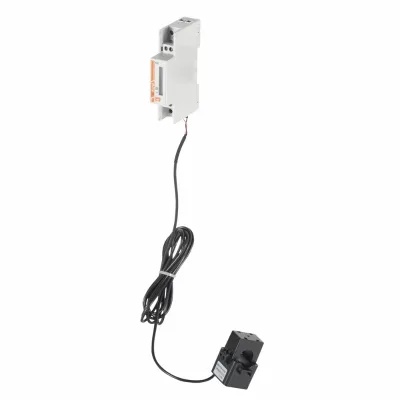


Photovoltaic Energy Storage Electricity Meter Multi-Functional Power Meter Smart Meter
$90.00 - $100.00
MOQ: 10 Pieces


$27.20 - $27.30
MOQ: 1 Pieces

$26.70 - $50.00
MOQ: 1 Pieces


Acrel Agf-Ae-D Single Phase Three Wire Photovoltaic Solar PV Electric Meter
$85.00 - $95.00
MOQ: 1 Pieces

1 Phase AC Kwh Modbus RS485 Photovoltaic Electric Energy Meter with External Current Sensor
$31.00 - $41.00
MOQ: 1 Pieces


Comprehensive Sourcing Guide
Bi-directional Single-phase Photovoltaic Electric Meter Sourcing Guide
Selecting the right bi-directional single-phase photovoltaic electric meter requires a clear understanding of the specific energy flow requirements for solar PV applications. These devices are designed to measure energy consumption and generation, allowing for accurate net metering calculations in residential and light commercial settings. The core functionality relies on the meter's ability to distinguish between power drawn from the grid and power fed back into it, a critical feature for optimizing solar investment returns. Buyers must ensure the selected unit supports the specific voltage and current ranges of their installation, as mismatched specifications can lead to measurement errors or equipment failure.
The procurement landscape for these meters often presents a mix of digital and analog display options, with varying degrees of customization available from suppliers. While some models offer advanced digital interfaces with LCD screens and communication protocols like RS485 for data logging, others may utilize simpler analog mechanisms. It is essential to verify whether the meter supports the specific installation method required, such as direct connection or CT (Current Transformer) connection, as this dictates the physical integration into the existing electrical panel. Understanding these variations helps buyers align their technical needs with the available product attributes without over-specifying or under-provisioning the system.
Product Scope and Observed Listing Signals
The observed market listings for single-phase energy meters reveal a diverse range of models, with prices varying significantly from approximately $3.29 to $154 depending on features and capacity. This wide price spectrum often reflects differences in accuracy class, display technology, and communication capabilities. Buyers should note that while some listings indicate a "Multi-Functional Energy Meter" usage, others specify "Standard Electric Energy Meter" or "Watt-Hour Meter," suggesting that not all listed products are inherently bi-directional or optimized for solar PV applications. It is crucial to scrutinize the product description to confirm that the specific model supports bi-directional measurement, as standard meters may only measure consumption in one direction.
Minimum Order Quantities (MOQ) for these devices range from single items to 1,000 units, offering flexibility for both small-scale pilots and large-scale deployments. The availability of customization options varies, with some suppliers offering tailored solutions while others provide non-customized, off-the-shelf units. When evaluating listings, buyers should pay close attention to the stated operating temperature ranges, which can span from -20°C to 60°C, as this impacts the suitability of the meter for different environmental conditions. Additionally, the physical dimensions and packing methods, such as carton or PCB packaging, should be considered to ensure compatibility with the intended installation space and logistics requirements.
Technical Specifications to Verify
Verifying the electrical specifications is paramount when sourcing a bi-directional meter for a photovoltaic system. The rated voltage for these devices typically covers a broad range, such as 110270Vac L-N and 190480Vac L-L, ensuring compatibility with various grid standards. However, the current rating is equally critical, with options available for direct connection up to 60A or CT connections up to 150A. Buyers must confirm that the selected model's current range matches the expected load of the solar installation to prevent saturation or inaccurate readings. The accuracy class, often listed as Class 1 or Class 0.5, determines the precision of the energy measurement, with lower class numbers indicating higher precision suitable for billing and performance monitoring.
Communication and interface capabilities are another vital area of verification, especially for systems requiring remote monitoring or data integration. Many modern meters feature RS485 communication ports, enabling seamless connection to building management systems or solar inverters for real-time data transmission. The response time, which can be as fast as 1 second, ensures that the meter can quickly react to changes in power flow, a necessary feature for dynamic solar environments. Furthermore, the display type, whether digital LCD or analog, should be selected based on the user's preference for data visibility and the need for local readouts versus remote telemetry.
Compliance and Safety Documentation
Ensuring that the selected energy meter meets relevant safety and performance standards is a non-negotiable aspect of the procurement process. The CE certification is a common requirement for products entering the European market, indicating compliance with health, safety, and environmental protection standards. Buyers should request proof of this certification from the supplier to verify that the meter has undergone rigorous testing for electrical safety and electromagnetic compatibility. While the provided data confirms the presence of CE certification in some listings, it is essential to validate that this certification applies to the specific model being purchased, as certifications can sometimes be generic to a product line rather than specific to individual units.
In addition to safety certifications, buyers must verify that the meter adheres to applicable industry standards for energy measurement. The listed standards often include specific voltage and current ratings, such as 90-300VAC 60A, which serve as benchmarks for the device's operational limits. It is important to cross-reference these standards with local grid codes and regulatory requirements to ensure full compliance. Documentation should also include details on the meter's construction, such as the use of durable and eco-friendly materials, which can impact the long-term reliability and environmental impact of the installation.
Cost Drivers and Commercial Terms
The total cost of ownership for bi-directional single-phase photovoltaic meters is influenced by several factors beyond the initial purchase price. The accuracy class, communication features, and display technology are primary drivers of cost, with higher precision and advanced connectivity commanding a premium. Buyers should evaluate whether the additional cost of a Class 0.5 meter with RS485 communication is justified by the need for precise billing data or if a Class 1 meter with basic functionality suffices for their specific application. Understanding these cost drivers helps in making informed decisions that balance budget constraints with performance requirements.
Commercial terms, including MOQ and lead times, play a significant role in the procurement strategy. While some suppliers offer single-item sales, others may require bulk orders, which can impact cash flow and inventory management. Buyers should negotiate terms that align with their project timeline and volume needs, considering the potential for price reductions at higher quantities. Additionally, the origin of the product, often listed as China Zhejiang or Jiangsu, can influence shipping costs and delivery times. It is advisable to clarify these logistical details early in the negotiation process to avoid unexpected delays or expenses.
Supplier Qualification and Quality Control
Selecting a qualified supplier is critical to ensuring the reliability and performance of the bi-directional energy meter. Buyers should prioritize suppliers who demonstrate a clear track record in manufacturing electrical equipment and who provide transparent information about their production processes. The origin of the product, such as Zhejiang or Jiangsu in China, is a common indicator of established manufacturing hubs, but it is essential to verify the specific factory's capabilities and quality control measures. Requesting samples for testing before placing a large order can help validate the supplier's claims regarding product performance and durability.
Quality control processes should be a key focus during supplier evaluation, with an emphasis on testing for accuracy, response time, and environmental resilience. Buyers should inquire about the supplier's testing protocols for operating temperature ranges, which can vary from -20°C to 60°C, to ensure the meter will perform reliably in the intended environment. Additionally, the supplier's ability to provide consistent product quality across batches is crucial for large-scale deployments. Establishing a clear communication channel with the supplier for ongoing support and troubleshooting can further mitigate risks associated with product failures or performance issues.
Long-Term Procurement Checks
Establishing a framework for long-term procurement checks is essential for maintaining the integrity of the solar PV system over its lifespan. Regular calibration and verification of the energy meter's accuracy are necessary to ensure that the billing and performance data remain reliable. Buyers should plan for periodic inspections to check for any signs of wear or damage, particularly in harsh environmental conditions where the meter may be exposed to extreme temperatures or humidity. Implementing a maintenance schedule that includes these checks can help prevent costly errors and ensure the continued efficiency of the solar installation.
Furthermore, buyers should consider the availability of spare parts and technical support when selecting a supplier for long-term procurement. The ability to quickly replace a faulty meter or obtain technical assistance is vital for minimizing downtime and maintaining system performance. Suppliers who offer comprehensive after-sales support, including firmware updates and troubleshooting guides, can add significant value to the procurement relationship. By prioritizing suppliers with strong long-term support capabilities, buyers can ensure the sustained success of their bi-directional single-phase photovoltaic electric meter installations.
FAQs
Can bi directional single phase photovoltaic electric meters be customized?
Yes, customization is available for these meters to meet specific project requirements. Buyers can request tailored specifications or branding options. This flexibility allows for integration into diverse solar PV systems. The product page confirms that customization services are offered, ensuring the meter fits unique installation needs.
What certifications do these energy meters typically hold?
These meters typically hold CE certification, ensuring compliance with European safety standards. This certification is a key indicator of quality and regulatory adherence for international buyers. It provides assurance that the device meets essential health and safety requirements for electrical equipment used in various applications.
What is the accuracy class of these single phase meters?
The accuracy class for these meters is typically Class 1 or Class 0.5, depending on the specific model. Class 0.5 offers higher precision for critical measurements, while Class 1 is standard for general use. This ensures reliable energy measurement for both residential and industrial solar PV installations.
How are these meters installed on DIN rails?
These meters are designed for direct DIN rail installation, simplifying the mounting process. The compact size allows for easy integration into standard electrical panels. This installation method ensures secure placement and efficient use of space in control cabinets for single-phase energy monitoring applications.
What communication protocols are supported by these meters?
Many models support RS485 communication for data transmission and monitoring. This protocol enables integration with SCADA systems or energy management software. It allows for remote reading of energy consumption and generation data, facilitating efficient management of solar PV systems and energy usage tracking.
What is the operating temperature range for these meters?
The operating temperature range varies by model, typically spanning from -20°C to 60°C. This wide range ensures reliable performance in diverse environmental conditions. It allows the meter to function effectively in both cold and hot climates, making it suitable for global deployment in solar PV applications.