Source Split Meters for Water, Fuel, and Gas Applications
Find 30 Split Meter options for industrial water, diesel fuel, and gas monitoring. Compare electromagnetic and piezoresistive types with varying accuracies, flange mounts, and LED displays to match your specific process requirements; compare the available evidence and request quotations based on your requirements.
Key considerations
Products List


Comprehensive Sourcing Guide
Split Meter Sourcing Guide
Procurement professionals must first distinguish between the electromagnetic flow meters and digital energy meters often grouped under the Split Meter keyword. The observed market data reveals a significant divergence in product attributes, with some listings specifying applications for water, diesel fuel, and corrosive liquids, while others focus on single-phase electric power measurement. Buyers should verify whether the specific unit required is designed for open channel flow measurement or for monitoring energy consumption in electronic equipment, as the internal sensor technology differs fundamentally between these use cases.
The second critical decision involves selecting the appropriate mounting and connection interface to ensure physical compatibility with existing infrastructure. Listings indicate a range of process connection materials, including 304, 316, and Hastelloy, alongside flange or thread-mounted standards that dictate installation complexity. Additionally, the power supply requirements vary between AC 220V and DC 24V options, necessitating a precise review of the facility's electrical environment before finalizing the order to avoid retrofitting costs or operational failures.
Product Scope and Observed Listing Signals
The observed product listings demonstrate a wide price spectrum ranging from $0.99 to over $3,000, reflecting the disparity between basic digital indicators and high-accuracy industrial flow meters. This variance often correlates with the specified accuracy class, where some units offer ±0.2% precision while others are rated at 1.0% for general applications. Buyers must carefully cross-reference the listed price with the claimed accuracy grade and sensor type, such as the silicon piezoresistive or hot-wire technologies, to ensure the cost aligns with the required performance level for the specific industrial process.
Another key signal in the listings is the diversity of operating environments, with temperature ranges spanning from -25℃ to +60℃ and specific pressure ratings noted as atmospheric. The physical dimensions and weight, such as the 800g unit measuring 15512052mm, provide tangible constraints for space-constrained installations. Procurement teams should scrutinize the "Selling Units" and "Customization" flags, as many suppliers offer single-item sales with customizable packing, which can significantly impact logistics planning and inventory management strategies for large-scale deployments.
Technical Specifications to Verify
Verification of the measuring principle is the primary technical hurdle, as the market contains both electromagnetic flow meters and electronic energy meters under similar search terms. Buyers must confirm if the device utilizes electrical principles for flow measurement of wastewater or gas, or if it relies on hot-wire theory for energy monitoring. The distinction is vital because the sensor configuration, such as tube or flange types, and the display interface, whether LED or LCD, are engineered specifically for their respective measurement objects and cannot be universally interchanged without compromising data integrity.
Accuracy and repeatability metrics require rigorous validation against the specific demands of the application, as observed ranges vary from ±0.1% to ±0.5%. For critical processes involving corrosive liquids or precise fuel measurement, the accuracy grade of 0.2G or the repeatability of ±0.17% may be mandatory, whereas general industrial production might accept lower tolerances. Additionally, the power consumption limit of ≤20W and the specific operating temperature range of 25 to +55℃ for certain models must be matched against the site conditions to prevent sensor drift or premature failure in extreme environments.
Compliance and Safety Documentation
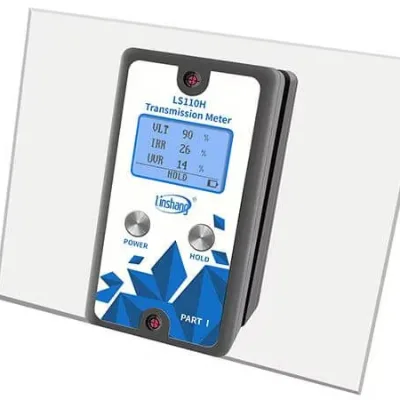
Safety and compliance verification must focus on the specific standards cited in the product documentation, such as the IEC62053-21 standard observed for single-phase digital meters. While some background information mentions EN 50470, buyers should not assume this applies unless explicitly confirmed by the supplier for the specific model number, such as the Oml061 or LS110H. Procurement teams should request the official test reports and certification documents that prove the device meets the stated accuracy class and electrical safety requirements for the intended region of operation.
The IP rating and pressure range specifications are equally critical for ensuring the device can withstand the environmental conditions of the installation site. Although some listings note an IP rating and atmospheric pressure range, the exact protection level against dust and water ingress must be confirmed to prevent internal component damage in wet or hazardous areas. Buyers should also verify the material certifications for the diaphragm and process connection, ensuring that 316L Hastelloy or 304 stainless steel grades are used where corrosion resistance is essential for long-term reliability.
Cost Drivers and Commercial Terms
The total cost of ownership is heavily influenced by the customization options and the specific material grades selected for the sensor and housing. Units featuring Hastelloy diaphragms or custom packing solutions often command a higher price point compared to standard 304 stainless steel configurations, reflecting the increased manufacturing complexity and material costs. Buyers should evaluate whether the premium for high-grade materials is justified by the corrosive nature of the fluid being measured, as replacing a standard unit prematurely due to corrosion can result in higher long-term expenses than the initial investment in a specialized model.
Commercial terms regarding Minimum Order Quantity (MOQ) and lead times vary significantly across the observed listings, with MOQs ranging from 1 to 1000 units. This flexibility allows for small-scale pilot projects but may increase the unit cost for bulk orders if the supplier does not offer tiered pricing. Procurement teams must clarify the warranty period, which is typically listed as one year, and understand the specific terms for claims related to accuracy drift or sensor failure to ensure adequate protection for the investment.
Supplier Qualification and Quality Control
Supplier qualification should prioritize manufacturers with a verified place of origin in regions known for industrial instrumentation, such as Guangdong or Zhejiang, China. The presence of specific model numbers like HC or LS110H suggests established production lines, but buyers must verify the consistency of the manufacturing process to ensure that every unit meets the stated accuracy and repeatability standards. Requesting a certificate of conformity for the batch and reviewing the supplier's history with similar industrial applications can help mitigate the risk of receiving non-compliant or substandard equipment.
Quality control protocols must include a pre-shipment inspection that validates the physical dimensions, weight, and display functionality against the provided specifications. Since the listings indicate a variety of display types, from analog-only to digital single-phase, the inspection should confirm that the device operates correctly under the specified power supply conditions of AC 220V or DC 24V. Additionally, verifying the mounting bracket type and installation instructions ensures that the device can be integrated into the existing piping or electrical systems without requiring extensive modifications.
Long-Term Procurement Checks
Long-term procurement success depends on establishing a clear maintenance and calibration schedule based on the device's specified accuracy and repeatability limits. Over time, sensors may drift, particularly in harsh environments involving corrosive liquids or extreme temperatures, so buyers should plan for periodic recalibration to maintain the ±0.2% to ±0.5% accuracy range. Understanding the expected lifespan of the sensor and the availability of replacement parts, such as diaphragms or display modules, is essential for minimizing downtime and ensuring continuous operational efficiency.
Finally, buyers should maintain a robust record of the specific model numbers and their corresponding technical parameters to facilitate future reordering and troubleshooting. The diversity of the product range, including variations in power consumption and operating temperature, means that a direct replacement may not be possible if the original model is discontinued. Establishing a relationship with the supplier for technical support and ensuring access to updated firmware or software for the digital displays will help sustain the performance and reliability of the Split Meter systems over their entire service life.
FAQs
What is the accuracy of the Split Meter?
The Split Meter offers high precision with an accuracy of ±0.2-0.5%. This ensures reliable measurements for various industrial applications. The device features a repeatability of ±0.1% or ±0.17%, depending on the specific model configuration. Such accuracy is critical for monitoring water, diesel fuel, and other fluids in production environments.
Can the Split Meter be customized for specific needs?
Yes, customization is available for this Split Meter. Buyers can request specific modifications to suit unique operational requirements. The product supports various mounting standards, including flange and thread mounted options. This flexibility allows for seamless integration into existing industrial infrastructure without compromising performance or measurement integrity.
What power supply options are supported by the Split Meter?
The Split Meter supports both AC 220V 50Hz and DC 24V power supplies. This dual compatibility ensures operational flexibility in different industrial settings. The power consumption is kept low at ≤20W, promoting energy efficiency. Users can select the appropriate power source based on their facility's electrical infrastructure and safety requirements.
What materials are used in the Split Meter construction?
The Split Meter utilizes durable materials including 304, 316, and Hastelloy for process connections. The diaphragm is made from 316L or Hastelloy to resist corrosion. These material choices ensure longevity and reliability when measuring corrosive liquids or gases. The robust construction supports its application in demanding industrial production environments.
What is the operating temperature range for the Split Meter?
The Split Meter operates effectively within a temperature range of -25℃ to +60℃. This wide range allows for reliable performance in diverse environmental conditions. The device maintains accuracy and stability across these temperatures, making it suitable for both indoor and outdoor industrial applications. Users can trust consistent results regardless of ambient temperature fluctuations.
What warranty is provided with the Split Meter?
The Split Meter comes with a 1-year warranty. This coverage provides assurance regarding the product's quality and durability. Buyers can rely on manufacturer support during this period. The warranty reflects confidence in the device's performance and construction. It ensures that any potential defects are addressed, protecting the investment in industrial measurement equipment.