Source Bezel Setting Heart Charms for Jewelry Making
Compare 30 Bezel Setting Heart Charms from verified suppliers. Buyers can evaluate brass and stainless steel options with silver or gold plating for necklaces, pendants, and custom jewelry projects; compare the available evidence and request quotations based on your requirements.
Key considerations
Products List

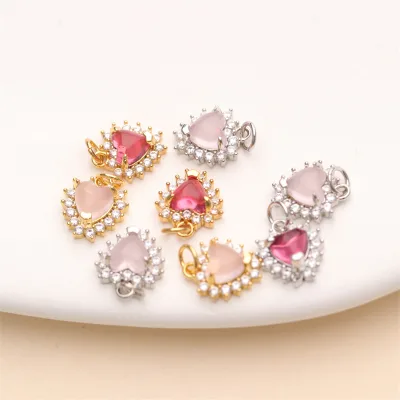
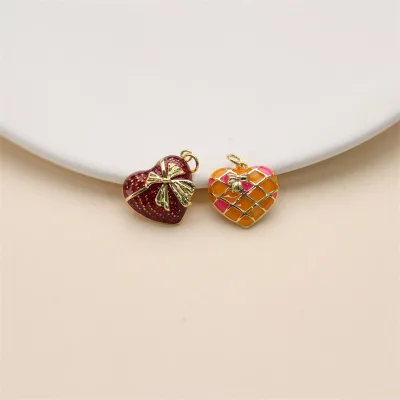
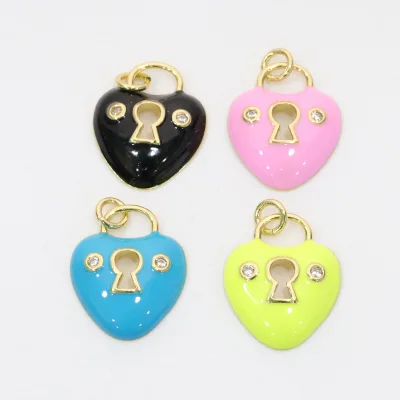
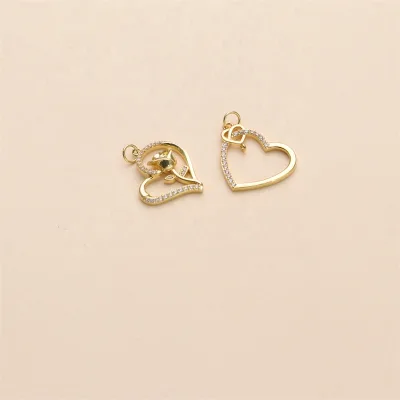
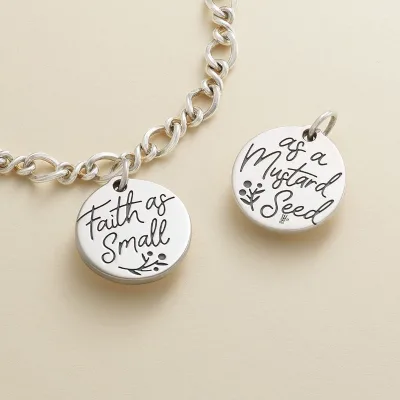


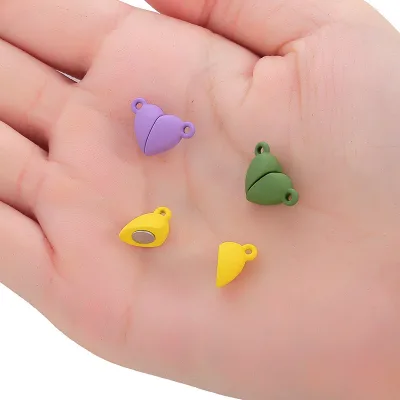
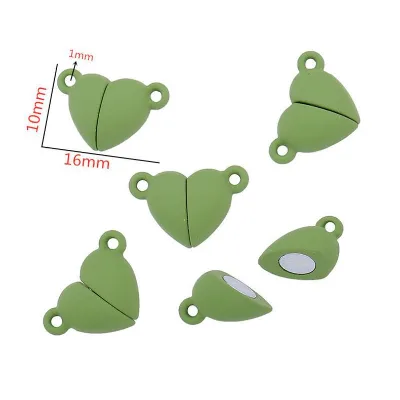

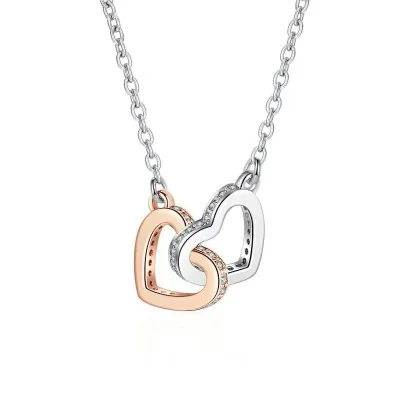


Floral Engraved Heart Charm with Fuchsia Enamel Stainless Steel or Silver
$1.00 - $3.00
MOQ: 100 Pieces


Comprehensive Sourcing Guide
Bezel Setting Heart Charms Sourcing Guide
Sourcing Bezel Setting Heart Charms requires a nuanced understanding of both the aesthetic appeal of the heart motif and the structural integrity provided by bezel setting techniques. This specific combination appeals to buyers looking for durable, high-quality jewelry components that maintain their shape and stone security over time. The heart shape is a timeless design element, often associated with love and affection, making it versatile for various occasions such as anniversaries, Valentine’s Day, or general romantic gifting. However, the bezel setting adds a layer of complexity, as it involves encircling a gemstone or decorative element with a metal rim, which protects the stone from chipping and enhances the overall durability of the charm.
Buyers must carefully evaluate the supplier’s capability to execute precise bezel settings, as this process demands skilled craftsmanship to ensure the metal rim is evenly applied and securely holds the inlay. The observed market data indicates a wide range of customization options, including various sizes, colors, and plating finishes, which allows for significant product differentiation. Understanding these variables is crucial for aligning product offerings with target market preferences. Furthermore, the material composition, often brass or stainless steel, plays a critical role in the charm’s longevity and appeal, influencing both the cost structure and the perceived value of the final product.
Product Scope and Observed Listing Signals
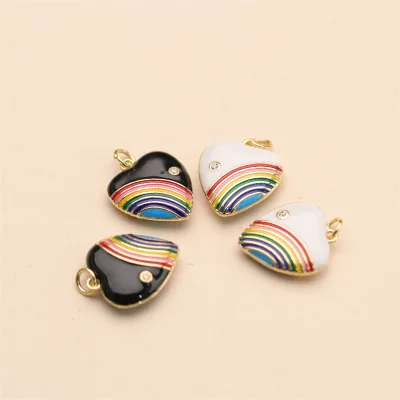
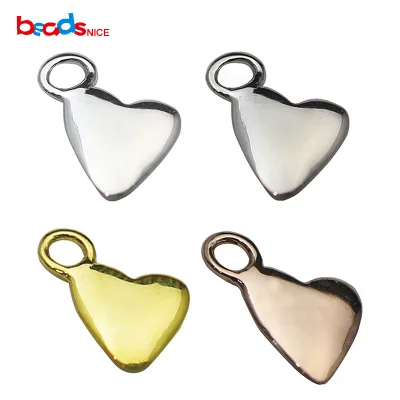
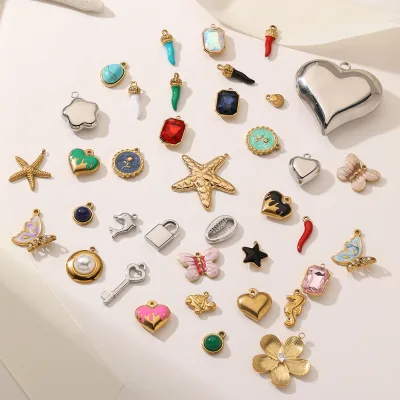
The current market landscape for Bezel Setting Heart Charms reveals a diverse array of product variations, with suppliers offering multiple size options and color configurations. Observed listings indicate that charms are available in dimensions such as 24x17mm, 21x18mm, and 27x19mm, catering to different design needs and scale preferences. The color palette extends beyond traditional metallic tones to include specific enamel finishes, such as white and black enamel hearts, which add a modern twist to the classic heart shape. These variations suggest that buyers have the flexibility to curate collections that appeal to diverse consumer tastes, from minimalist designs to more vibrant and expressive pieces.
In addition to size and color, the plating options observed include silver, gold, and gold-color finishes, which significantly impact the visual appeal and perceived quality of the charms. The use of micro-insert inlay technology in some listings highlights the advanced manufacturing techniques employed by suppliers to enhance the decorative aspects of the charms. Buyers should note that while some products are marketed under specific brand names like TY or Jingeer, many suppliers offer private labeling and customization services, allowing for brand-specific product development. This flexibility is a key advantage for buyers seeking to establish a unique identity in the competitive jewelry market.
Technical Specifications to Verify
When evaluating technical specifications, buyers must prioritize the accuracy of dimensions and the consistency of the bezel setting process. The observed data shows single package sizes ranging from 5x5x10 cm to 15x8x8 cm, which indicates variability in packaging standards among suppliers. It is essential to verify that the physical dimensions of the charms match the listed specifications, as even minor discrepancies can affect the final assembly of jewelry pieces. Additionally, the weight of individual items, such as the 0.500 kg gross weight for certain packs, should be cross-checked to ensure accurate shipping cost calculations and inventory management.
The material composition is another critical technical aspect, with brass and stainless steel being the primary materials observed. Buyers should confirm the specific alloy grades and plating thicknesses to ensure durability and resistance to tarnishing. The presence of fade-resistant properties, as noted in some listings, is a valuable feature that enhances the product’s lifespan. Furthermore, the inlay technology, whether micro-insert or bezel setting, must be inspected for quality, ensuring that stones or decorative elements are securely fixed and do not pose a risk of falling out during wear. Verifying these technical details through sample requests is a prudent step before committing to large orders.
Compliance and Safety Documentation
Compliance with international safety standards is paramount when sourcing jewelry components, particularly those intended for direct skin contact. Buyers must ensure that suppliers provide documentation confirming adherence to relevant regulations, such as REACH in Europe or CPSIA in the United States, which govern the use of hazardous substances like lead, cadmium, and nickel. Although specific certification statuses are not explicitly detailed in the observed listings, it is the buyer’s responsibility to request and verify these documents to mitigate legal and reputational risks. Non-compliance can lead to product recalls, fines, and damage to brand reputation, making thorough due diligence essential.
In addition to chemical compliance, buyers should assess the supplier’s commitment to ethical manufacturing practices and quality control processes. This includes verifying that the production facilities adhere to labor standards and environmental regulations. The observed data mentions sample making and mold making services, which can be leveraged to test product quality and compliance before mass production. By establishing clear compliance requirements in the purchase agreement, buyers can hold suppliers accountable for maintaining these standards throughout the production cycle. Regular audits and third-party testing may also be necessary to ensure ongoing compliance, especially for high-volume orders.
Cost Drivers and Commercial Terms
The cost of Bezel Setting Heart Charms is influenced by several factors, including material costs, labor intensity, and customization requirements. The observed price range of $0.13 to $36.76 USD reflects the significant variation in product complexity and quality. Basic charms with simple designs and standard materials will likely fall at the lower end of this spectrum, while those with intricate bezel settings, premium plating, or custom designs will command higher prices. Buyers should analyze the cost structure to understand the value proposition of each supplier and negotiate terms that align with their budget and quality expectations.
Minimum Order Quantities (MOQs) observed range from 1 to 1000 units, offering flexibility for both small-scale testers and large-volume buyers. Understanding the MOQ requirements is crucial for inventory planning and cash flow management. Buyers should also consider the implications of customization services, such as mold making, which may incur additional setup fees but can reduce per-unit costs at higher volumes. Payment terms, lead times, and shipping costs are other commercial factors that impact the total cost of ownership. Establishing clear commercial terms early in the sourcing process helps avoid unexpected expenses and ensures a smooth transaction.
Supplier Qualification and Quality Control
Supplier qualification is a critical step in ensuring the reliability and consistency of Bezel Setting Heart Charms. Buyers should assess suppliers based on their production capacity, technical expertise, and track record in the jewelry industry. The observed listings indicate that many suppliers offer customization services, including sample making and mold making, which suggests a level of flexibility and responsiveness. However, buyers must verify these capabilities through direct communication and sample evaluation to ensure that the supplier can meet specific design and quality requirements.
Quality control measures should be clearly defined and enforced throughout the production process. This includes implementing pre-production samples, in-line inspections, and final random inspections to catch defects early. The observed data highlights the importance of verifying the bezel setting quality, as this is a key differentiator for these charms. Buyers should establish clear acceptance criteria for defects, such as misaligned bezels, loose stones, or uneven plating, and communicate these standards to suppliers. Building a strong relationship with the supplier through regular feedback and collaboration can also enhance quality outcomes and foster long-term partnership.
Long-Term Procurement Checks
Long-term procurement success depends on continuous monitoring of supplier performance and market trends. Buyers should regularly review supplier metrics, such as on-time delivery rates, defect rates, and responsiveness to issues, to ensure ongoing reliability. The dynamic nature of the jewelry market means that design preferences and material costs can shift rapidly, requiring buyers to stay informed and adaptable. By maintaining open lines of communication with suppliers, buyers can anticipate changes and adjust their sourcing strategies accordingly.
Additionally, buyers should periodically reassess their supplier base to identify opportunities for cost savings or quality improvements. This may involve exploring new suppliers or negotiating better terms with existing partners. The observed customization options and variety in product specifications suggest that there is always room for innovation and differentiation. By staying proactive in supplier management and quality assurance, buyers can mitigate risks and capitalize on emerging opportunities in the Bezel Setting Heart Charms market. Continuous improvement and strategic planning are key to sustaining competitive advantage and profitability in the long run.
FAQs
What materials are used for Bezel Setting Heart Charms?
Brass and stainless steel are the primary materials used for these charms. Some items feature silver or gold plating to enhance appearance. The design often includes enamel details in white or black colors for a cute aesthetic suitable for various occasions.
Can I customize the size of these heart charms?
Yes, customization is available for specific dimensions like 24x17mm or 21x18mm. Suppliers offer sample making and mould making services to meet unique requirements. Buyers can request specific sizes such as 30x27mm or 25.5x19.5mm depending on the manufacturer capabilities.
Which plating options are available for these charms?
Silver plated, gold plated, and gold-color finishes are commonly offered for these products. The plating ensures durability while maintaining a shiny look. These options are suitable for unisex jewelry types including pendants and necklaces designed for anniversaries or daily wear.
How are these charms packaged for shipping?
Products are typically packed in cartons or individual OPP bags for protection. Single package sizes vary, often measuring around 15x8x8 cm or 5x5x10 cm. This packaging ensures the charms remain secure during transit from the origin in Guangdong, China to international destinations.
What is the minimum order quantity for these charms?
The minimum order quantity ranges from 1 to 1000 units depending on the supplier. Some vendors allow single item purchases while others require bulk orders. Buyers should check specific listings for exact MOQ values to align with their inventory needs and budget constraints.
Where are these heart charms manufactured?
These charms are manufactured in Guangdong, China, which is a major hub for jewelry production. The origin ensures access to established supply chains and skilled labor. Buyers can expect consistent quality standards and efficient logistics from this specific production region.