Source Biopesticide Neem Oil for Agriculture, Medicine, and Health Care
Compare 30 verified listings for Biopesticide Neem Oil sourced from China. Buyers can evaluate specifications like Azadirachtin content, packaging options, and certifications including FDA and ISO for agricultural and medicinal applications; compare the available evidence and request quotations based on your requirements.
Key considerations
Products List


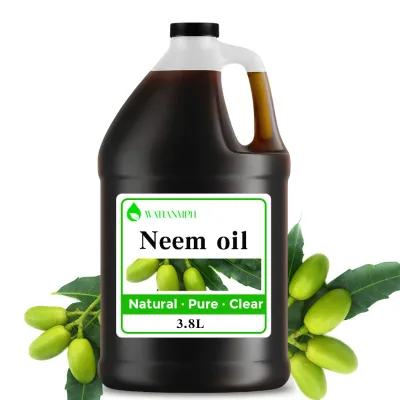
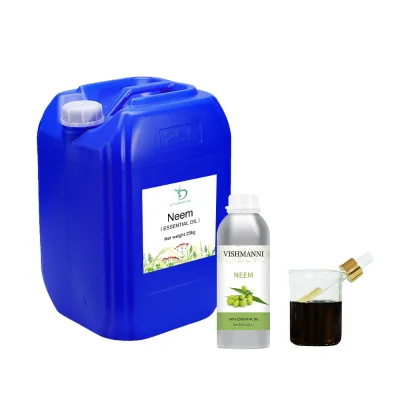
Factory Wholesale Price Manufacturer Wholesale Organic Neem Oil for Mosquito
$14.00 - $18.00
MOQ: 2 kilograms







Comprehensive Sourcing Guide
Biopesticide Neem Oil Sourcing Guide
Procuring Biopesticide Neem Oil requires a nuanced understanding of its dual nature as both a botanical extract and a chemical intermediate. Buyers must distinguish between cold-pressed oils used in cosmetics and refined extracts containing azadirachtin for agricultural pest control. The supply chain is dominated by manufacturers in Jiangsu, China, who offer varying grades ranging from cosmetic to pesticide applications. Understanding these distinctions is critical for aligning procurement with specific end-use requirements, whether for organic farming, health care products, or industrial formulations.
Sourcing decisions should be guided by the observed market signals, which indicate a wide price range from $0.14 to $14,000 USD. This variance reflects differences in purity, extraction methods, and packaging standards. Buyers should note that minimum order quantities (MOQs) typically start at 1 kg but can extend to 3,000 kg depending on the supplier and product model. Establishing clear technical requirements early in the inquiry process helps filter out irrelevant listings and ensures that the selected supplier can meet the specific assay and purity standards required for your application.
Product Scope and Observed Listing Signals
The product scope for neem oil in the B2B market is broad, encompassing items labeled with models such as HB-Neem oil, SCJ-0050, and AS. Listings frequently highlight the source as botanical, specifically extracted from neem fruits, with main ingredients identified as azadirachtin. The physical form is consistently described as a liquid, often transparent in color, and available in refined quality. These attributes suggest a mature supply chain capable of producing both raw botanical materials and processed active ingredients for diverse industrial needs.
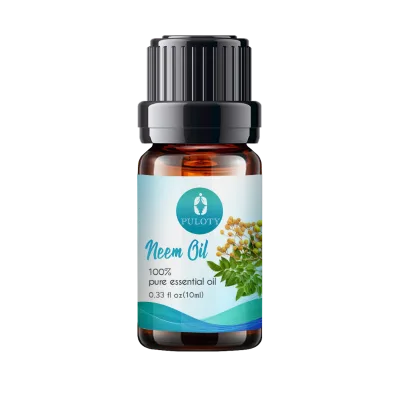
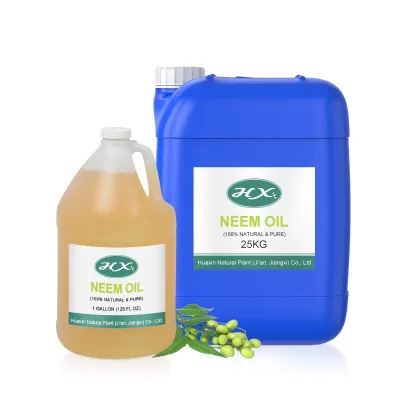
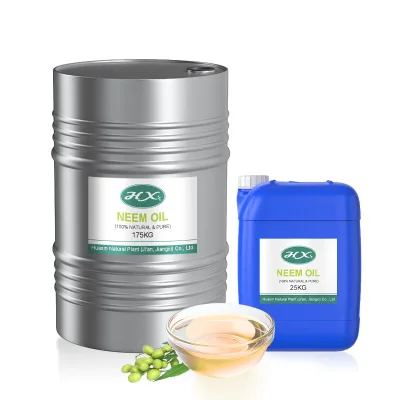
Observed listing signals reveal significant variation in packaging and standardization. Some suppliers offer bottles with standards of 1 kg/bottle or 25 kg/bottle, while others provide 1kg/Bag or 25kg/Drum options. Packaging volumes also vary, with options including 500ml, 1000ml, and 1L/bottle configurations. Buyers should carefully review these details to ensure compatibility with their storage and handling infrastructure. The presence of multiple product models and packaging standards indicates a flexible market, but it also necessitates rigorous verification of the exact specifications before placing an order.
Technical Specifications to Verify
Technical verification must begin with the assay method, as listings cite UV, HPLC, and HPLC-MS techniques for quality control. Buyers should request detailed certificates of analysis (COA) that specify the concentration of active ingredients, particularly azadirachtin, which is critical for efficacy in agricultural applications. The detection method is often listed as HPLC, and purity claims may range from 99% to 100% pure nature. Confirming these analytical methods ensures that the product meets the required potency and consistency for your specific formulation or application process.
Additional technical parameters include the mode of action and toxicological profile. For agricultural use, the product may be described as a stomach agent or systemic insecticide with low toxicity to reagents. Solubility is noted as water insoluble, which impacts formulation strategies for spray applications. Buyers must also verify the shelf life, which varies between 1 year and 2 years depending on the grade and packaging. Storage conditions should be strictly maintained in a cool, dry place to preserve stability and prevent degradation of the active compounds over time.
Compliance and Safety Documentation
Compliance documentation is a cornerstone of safe procurement, with certifications such as HACCP, FDA, and ISO frequently cited. These certifications indicate adherence to quality management systems and food or drug safety standards, which is particularly relevant for products intended for health care or cosmetic applications. Buyers should verify the current validity of these certificates and ensure they cover the specific product grade being purchased. Documentation serves as proof of regulatory alignment and helps mitigate risks associated with importing chemical or botanical materials.
Safety data sheets (SDS) and material safety data sheets (MSDS) are essential for handling and transportation. Listings often mention MSDS and COA as available documents, providing critical information on hazards, first-aid measures, and disposal. The toxicological effect is described variously as a special action insecticide or nerve poison, highlighting the need for careful handling protocols. Buyers must ensure that their logistics partners are equipped to handle these materials safely and that all regulatory requirements for import and storage are met in the destination country.
Cost Drivers and Commercial Terms
Cost drivers for neem oil include the grade of the product, the concentration of active ingredients, and the complexity of the extraction process. Agricultural and pesticide grades may be priced differently from cosmetic or costimic grades due to varying purity requirements and processing intensities. The observed price range of $0.14 to $14,000 USD reflects these differences, with higher prices likely associated with specialized formulations or bulk discounts on high-purity extracts. Buyers should analyze the cost per unit of active ingredient rather than just the total price to evaluate value accurately.
Commercial terms such as MOQ and shipping time significantly impact the total cost of ownership. MOQs can range from 1 kg to 3,000 kg, allowing for flexibility in trial orders or large-scale production. Shipping times are typically listed as 5-7 days, with supply available throughout the year. Buyers should negotiate terms that align with their inventory management strategies, considering factors like storage capacity and cash flow. Clear agreement on packaging standards, such as 1 bottle or 25kg/bottle, also helps avoid unexpected costs related to repackaging or handling.
Supplier Qualification and Quality Control
Supplier qualification requires a thorough review of their manufacturing capabilities and quality control processes. Buyers should verify the supplier’s origin, with many listings indicating Jiangsu, China, as the production base. Assessing the supplier’s ability to provide consistent batches is crucial, especially for products with specific assay methods like HPLC. Requesting samples for independent testing can help validate the supplier’s claims regarding purity, color, and form. Building a relationship with suppliers who demonstrate transparency and consistency in their quality control is key to long-term success.
Quality control should extend beyond initial sampling to include ongoing monitoring of incoming goods. Buyers should establish clear acceptance criteria based on the supplier’s provided specifications, such as purity levels and shelf life. Regular audits or third-party inspections may be necessary for high-volume purchases to ensure compliance with agreed-upon standards. Additionally, verifying the supplier’s ability to provide updated COAs and MSDS for each batch ensures that the product remains compliant with regulatory requirements throughout the supply chain.
Long-Term Procurement Checks
Long-term procurement checks involve monitoring market trends and regulatory changes that may affect the availability and cost of neem oil. Buyers should stay informed about shifts in agricultural regulations that impact the use of biopesticides and azadirachtin-based products. Tracking supplier performance over time, including delivery reliability and product consistency, helps identify potential risks early. Establishing a diversified supplier base can mitigate the impact of supply chain disruptions and provide leverage in negotiations.
Continuous improvement in procurement processes should include regular reviews of technical specifications and compliance requirements. As new standards or certifications emerge, buyers must update their qualification criteria to ensure ongoing compliance. Engaging with industry associations and attending trade shows can provide insights into emerging technologies and best practices in neem oil sourcing. By maintaining a proactive approach to supplier management and market analysis, buyers can secure a stable and cost-effective supply of Biopesticide Neem Oil for their operations.
FAQs
What is the primary active ingredient in Biopesticide Neem Oil?
The primary active ingredient is Azadirachtin, extracted directly from neem fruits. This botanical source provides a natural solution for agricultural pest control. The product is classified as a stomach agent insecticide, ensuring effective management of target pests through ingestion. It serves as a key component in organic farming strategies.
Can Biopesticide Neem Oil be customized for specific applications?
Yes, customization is available for various needs. The product supports applications in medicine and health care products, including capsule and lotion forms. It is also suitable for agricultural use as a systemic insecticide. Buyers can request specific packaging options, such as bottles or drums, to match their operational requirements and distribution channels.
What certifications are provided for Biopesticide Neem Oil?
The product holds HACCP, FDA, and ISO certifications. These credentials ensure compliance with international safety and quality standards. Additionally, MSDS and COA documents are provided for verification. These certifications support its use in regulated industries, including agricultural and health care sectors, ensuring traceability and quality assurance for buyers.
How is Biopesticide Neem Oil packaged and stored?
Packaging options include 1kg bags, 25kg drums, and bottles of various sizes. The product is stored in cool, dry places to maintain stability. It has a shelf life of one to two years depending on the grade. The liquid form is transparent and refined, ensuring ease of handling and application in both agricultural and cosmetic formulations.
What is the minimum order quantity for Biopesticide Neem Oil?
The minimum order quantity varies by supplier, ranging from 1kg to 10kg. Some vendors offer a MOQ of 2kg for smaller batches. Larger industrial orders may start at 3000 units. Buyers should check specific supplier listings for exact MOQ requirements, as these depend on the product grade, packaging, and customization needs.
Where is Biopesticide Neem Oil typically sourced from?
The product is primarily sourced from Jiangsu, China. Suppliers in this region offer various grades, including agricultural and cosmetic options. The botanical origin ensures the extraction of Azadirachtin from neem fruits. Buyers can identify manufacturers in this location for consistent supply chains and competitive pricing in the global biopesticide market.