Source Biotin Gummies for Hair Care, Health, and Kids
Find 30 Biotin Gummies suppliers offering sugar-free, organic, and multivitamin options. Compare OEM customization, FDA and HACCP certifications, and bulk pricing for hair care and general health applications. Explore various shapes, flavors, and packaging sizes to meet specific dietary needs and branding requirements for children and adults.
Key considerations
Products List


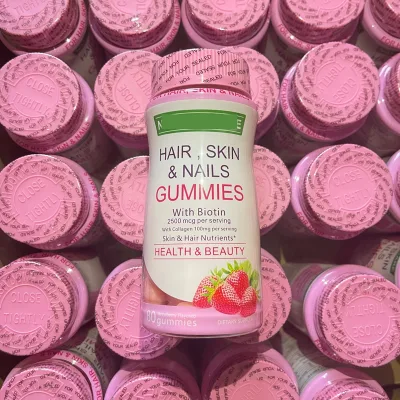
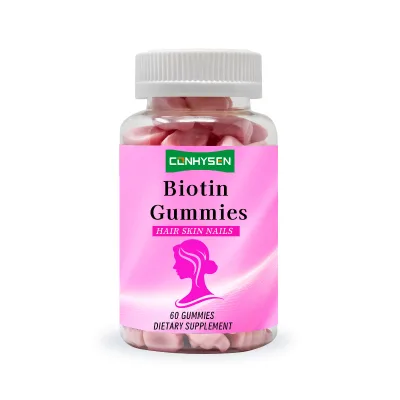


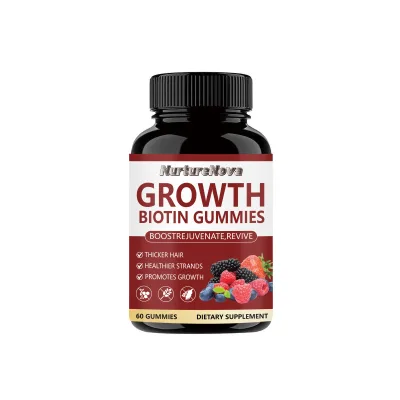
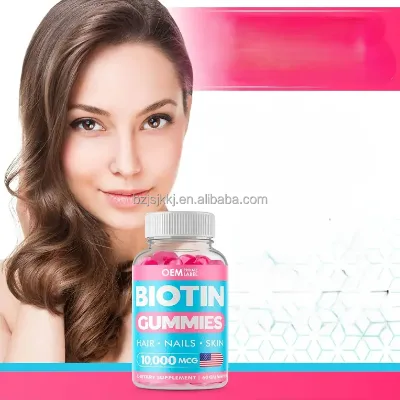
Comprehensive Sourcing Guide
Biotin Gummies Sourcing Guide
Buyers must first distinguish between gummy formulations designed for children and those intended for adult consumption, as the supplied data indicates distinct age group targeting for this product category. The observed listings reveal a dual market presence where some variants target pediatric immunity with multivitamin blends, while others focus on adult hair care with specific biotin concentrations. This segmentation requires procurement teams to verify the target demographic on every sample to ensure the product aligns with the intended retail channel or distribution strategy.
The physical form of the product is consistently observed as gummy candy, yet the application scope extends beyond simple confectionery into health care and medicine sectors. Sourcing decisions should account for the fact that while the primary appearance is gummy, some supplier specifications list application forms that include capsules and tablets, suggesting a versatile manufacturing capability. Buyers need to confirm that the specific biotin gummy order matches the desired delivery format, as the presence of alternative forms in a supplier's catalog does not guarantee the gummy version meets the same rigorous standards.
Product Scope and Observed Listing Signals
The observed product range includes specific flavor profiles such as fruits and vegetables, with shapes ranging from bears and hearts to custom teardrops or squares. Procurement teams should verify that the requested shape and flavor combination is available as a customization option, as the data confirms that suppliers offer tailored solutions for flavors, shapes, colors, and ingredient content. This flexibility allows brands to differentiate their offerings, but it also necessitates clear communication regarding the exact specifications required for the final product to avoid mismatches in the delivered goods.
Ingredient composition is a critical signal, with listings highlighting features like sugar-free, organic, and low-fat attributes alongside specific nutrients like biotin and multivitamins. Buyers must scrutinize the ingredient list to ensure the product meets dietary requirements, noting that some variants are explicitly dairy-free and trans-fat free while others focus on plant-based extract sources. The presence of these health claims requires verification against the actual product specification sheet, as the general listing may aggregate features from different SKUs rather than describing a single unified product.
Technical Specifications to Verify
The serving size and dosage are critical technical parameters, with observed data specifying a standard intake of two gummies per day for both children and adult formulations. Buyers must confirm that the weight per gummy, observed at 2.5 grams, aligns with the desired potency and consumption experience for their specific market. Discrepancies in serving size can lead to regulatory issues or consumer dissatisfaction, so the exact gram weight and daily dosage instructions must be explicitly defined in the purchase order to ensure consistency across production batches.
Packaging specifications vary between bottle counts and carton configurations, with observed standards ranging from 30 to 90 gummies per bottle depending on the specific model. Procurement teams need to verify the exact packaging unit, whether it is 60 gummies per bottle or a custom configuration, and ensure the outer carton packing matches the logistical requirements of the destination market. The storage instructions, which mandate a cool, dry place out of sunlight, must be integrated into the supply chain plan to maintain product integrity and prevent degradation of the biotin content during transit and storage.
Compliance and Safety Documentation
Certification requirements are extensive, with observed listings including FDA, ISO, HACCP, GMP, and various international standards like KOSHER, JAS, and NOP. Buyers must request current certification documents for every batch to verify that the manufacturing facility maintains these specific accreditations, as the presence of a certification on a general listing does not guarantee it applies to the specific order. The diversity of certifications suggests a high level of regulatory compliance, but the buyer must ensure the specific certifications match the regulatory requirements of the target export market.
Quality assurance documentation should include test results such as COA and MSDS, alongside specific assay methods like HPLC used to verify ingredient potency. Procurement teams must ensure that the supplier provides a Certificate of Analysis for each shipment to confirm the biotin content and the absence of contaminants like heavy metals or allergens. The inclusion of RoHS and BRC certifications in some listings indicates a broader quality management system, but the buyer must explicitly request these documents to validate the safety and purity of the Biotin Gummies before finalizing the transaction.
Cost Drivers and Commercial Terms
Pricing and minimum order quantities show significant variance, with observed ranges spanning from 0.02 to 60 USD per unit and MOQs from 1 to 50,000 units. Buyers must negotiate based on the specific customization level required, as custom shapes, flavors, and logo printing will likely increase the unit cost compared to standard stock items. The wide MOQ range suggests that suppliers cater to both small startups and large enterprises, so the buyer should clarify the price break structure to optimize the order volume without overcommitting to inventory.
Lead times and delivery terms are influenced by the availability of stock versus the need for custom production runs. Some listings indicate direct delivery from stock, which can significantly reduce lead times, while custom orders involving specific ingredient blends or unique shapes may require longer production cycles. Buyers should confirm the exact delivery timeline and whether the supplier offers direct shipping from their origin in Guangzhou, Guangdong, to avoid unexpected delays in the supply chain and to accurately plan inventory replenishment schedules.
Supplier Qualification and Quality Control
Supplier qualification should focus on verifying the manufacturing location and the specific grade of materials used, with observed data indicating food-grade production in China. Buyers must ensure that the supplier has a proven track record in producing gummy candies that meet the specific application requirements of food, health care, or medicine. The presence of OEM capabilities for content, size, and ingredients is a strong indicator of a flexible supplier, but the buyer must audit the facility to confirm that the quality control processes are robust enough to handle custom specifications without compromising product safety.
Quality control protocols must include regular testing for the specific ingredients listed, such as biotin and multivitamins, to ensure consistency in potency and flavor. Buyers should require a detailed quality control plan that outlines how the supplier manages the storage conditions and handles the shelf life, which is observed to be two years for the products. The ability to print logos and customize packaging is a value-add, but it must not come at the expense of the core product quality, so the buyer must verify that the customization process does not introduce contamination or degradation risks.
Long-Term Procurement Checks
Long-term procurement strategies should include periodic re-verification of certifications and compliance status, as regulatory landscapes and supplier accreditations can change over time. Buyers must establish a schedule for requesting updated COAs and certification documents to ensure that the supplier continues to meet the required standards for FDA, ISO, and other relevant bodies. This proactive approach helps mitigate the risk of supply chain disruptions due to regulatory non-compliance and ensures that the product remains safe for consumption throughout the contract period.
Supply chain resilience requires monitoring the supplier's capacity to scale production and maintain consistent quality as order volumes increase. Buyers should assess the supplier's ability to handle the observed high-volume specifications, such as models with 100,000 to 300,000 units, without compromising the two-year shelf life or the specific gummy weight. Establishing a clear communication channel for updates on ingredient sourcing, particularly for plant-based extracts, will help the buyer anticipate potential changes in product formulation and maintain the integrity of the brand's value proposition.
FAQs
What certifications do Biotin Gummies suppliers hold?
Suppliers typically hold HACCP, ISO, GMP, and FDA certifications. Some also provide BRC, RoHS, KOSHER, JAS, and NOP credentials. These standards ensure food-grade safety and quality control. Buyers should verify specific certificates for their target market requirements before placing orders.
Can Biotin Gummies be customized for branding?
Yes, customization is available for flavors, shapes, colors, ingredients, content, and size. Shapes include bears, raspberries, teardrops, hearts, squares, or custom designs. OEM services allow logo printing and tailored packaging. This flexibility supports unique brand identity and specific dietary needs for diverse consumer segments.
What is the typical packaging and shelf life?
Products are packed in bottles containing 30, 60, or 90 gummies, then placed in cartons. The standard shelf life is two years when stored in a cool, dry place away from sunlight. Each bottle usually contains 60 gummies, with a serving size of two daily for optimal results.
What are the key ingredients and features?
Key ingredients include biotin and multivitamins derived from plant extracts. Features often include sugar-free, organic, low-fat, and dairy-free options. These gummies are designed to boost immunity and support hair care. They are suitable for both children and adults, offering a convenient daily supplement format.
Where are Biotin Gummies typically manufactured?
Manufacturing often occurs in Guangzhou, Guangdong, China. Suppliers offer direct delivery from stock for faster fulfillment. Production models vary, with capacities reaching up to 300,000 units. Buyers can source from verified factories ensuring consistent quality and reliable supply chain management for global distribution needs.
What is the minimum order quantity for OEM?
MOQs range from 1 to 50,000 units depending on the supplier and customization level. Standard products may have lower thresholds, while custom shapes or ingredients require higher volumes. Buyers should confirm specific MOQs with manufacturers to align with their inventory strategy and budget constraints for initial market entry.