Source Black Magic Ball for Promotion, Recreation, and Education
Find 30 listings for the Black Magic Ball to compare prices, materials like PVC and PU, and customization options. Buyers can evaluate suppliers from China for stress balls, magic toys, and promotional items with varying MOQs and lead times.
Key considerations
Products List

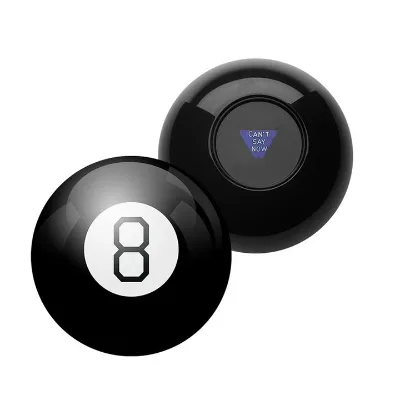



$1.20 - $10.00
MOQ: 100 kg
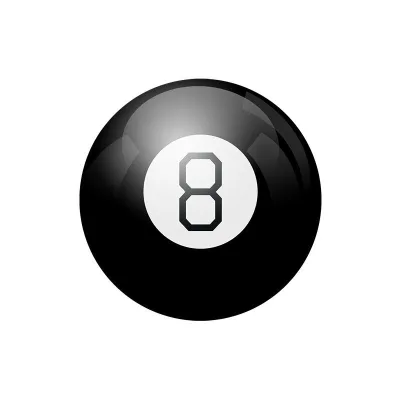

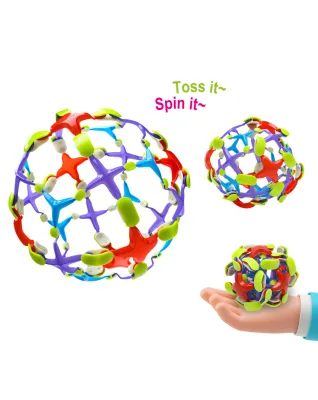


$750.00 - $800.00
MOQ: 20 Tons

$750.00 - $800.00
MOQ: 20 Tons

$750.00 - $800.00
MOQ: 20 Tons

$750.00 - $800.00
MOQ: 20 Tons
Comprehensive Sourcing Guide
Strategic Sourcing Guide for Black Magic Balls in the B2B Market
Understanding Product Variants and Core Specifications
The term "Black Magic Ball" in the B2B procurement landscape often refers to a specific category of novelty items, promotional stress toys, or educational tools that utilize a spherical design with internal mechanisms or visual effects. When sourcing this category, buyers must first distinguish between the functional variants observed in the market, as the term can encompass both simple stress-relief spheres and more complex "magic" toys for children. The product attributes indicate a diverse range of materials, with polyurethane (PU) and polyvinyl chloride (PVC) being the most frequently cited substances. PU variants are often associated with stress ball applications, offering a soft, squeezable texture suitable for adults, while PVC variants are typically rigid or semi-rigid, designed for durability in recreational or educational contexts.
A critical observation in the current supply data is the variation in size specifications. Buyers should anticipate a wide spectrum of dimensions depending on the intended application. For instance, specific models are listed with a standard size of 7 inches, while others are available in metric measurements such as 10 centimeters or customizable lengths ranging from 0.5 to 1.5 meters. This discrepancy highlights the necessity for precise specification in purchase orders. Furthermore, the color profile is a defining characteristic; the "black" designation is frequently observed alongside specific pattern requirements, such as simple color prints or complex silk-printed logos. The shape is consistently round, which is essential for the functional mechanics of bouncing or rolling, but the internal composition varies significantly between foam toys and plastic magic balls.
Technical Compliance and Certification Verification
In the realm of toy and novelty product procurement, compliance is not merely a regulatory formality but a critical risk management strategy. The supplied data indicates that certain product listings carry certifications such as CE and ENASTM. These marks are significant indicators of adherence to specific safety and quality standards, particularly for products intended for the European and North American markets. The CE marking suggests conformity with health, safety, and environmental protection standards for products sold within the European Economic Area. Similarly, ENASTM references imply compliance with standards that may align with European (EN) and American (ASTM) testing protocols, which are often required for toys and recreational items.
However, buyers must exercise caution when interpreting these certifications. The presence of a certification label in a product description does not automatically guarantee that every unit in a bulk order meets the same rigorous testing criteria. Procurement teams should verify the validity of these certifications with the specific supplier before finalizing a contract. It is essential to request test reports that correspond to the specific model number, such as KTU-0091 or KHL8936, to ensure that the "Black Magic Ball" in question has undergone the necessary mechanical and chemical safety tests. For products targeting younger demographics, such as those with an age range of 2 to 7 years, compliance with ASTM F963 or EN71 standards is non-negotiable. The absence of explicit age grading in some listings, which instead target "Adults," suggests a different compliance pathway, yet the material safety remains a universal concern.
Cost Drivers and Pricing Dynamics
The pricing structure for black magic balls is influenced by a complex interplay of material costs, customization levels, and order volume. The observed price range in the market spans from $0.02 to $3,500, a disparity that reflects the vast difference between a single unit of a simple plastic novelty item and a large-scale custom order involving specialized packaging or unique materials. The Minimum Order Quantity (MOQ) is another significant cost driver, with observed ranges extending from 1 piece to 24,000 pieces. This flexibility allows small businesses to test the market with low-risk orders, while larger enterprises can leverage economies of scale to reduce the unit cost.
Material composition plays a pivotal role in determining the final price. Products made from PVC, particularly those with added features like mirror finishes or specific plastic types, may command different price points compared to those made from standard PU foam. The customization options, including logo printing via silk screen or simple color application, add layers of cost that must be factored into the budget. Additionally, the packaging details, such as window boxes, OPP bags, or standard export cartons, contribute to the overall expense. Buyers should note that the "Single gross weight" varies significantly, from 0.300 kg for smaller items to 15.000 kg for larger or bulkier packages, which directly impacts shipping costs. Understanding these variables is crucial for accurate total cost of ownership calculations.
Typical Applications and Market Segmentation
The versatility of the Black Magic Ball allows it to serve multiple market segments, each with distinct requirements. One primary application is in the realm of stress relief and promotional items. The "Stress Ball" classification, often associated with PU materials and a 7-inch size, targets corporate clients looking for branded giveaways. These items are designed for "Bouncing, Promotion, and Recreation," making them ideal for trade shows, corporate events, and marketing campaigns. The ability to customize the logo via silk printing makes them highly effective for brand visibility.
Another significant segment is the educational and entertainment market for children. Products labeled as "Educational Magic 8 Ball" or "Customized Magic Ball For Kids" cater to the age groups of 2 to 4 years and 5 to 7 years. These items are often packaged in window boxes or white boxes with OPP bags, emphasizing their retail-ready nature. The "Magic Ball" type suggests an interactive element, possibly involving liquid or internal components that change appearance, which appeals to young consumers. The "Other foam toy" application indicates a broader category of recreational items that may not fit neatly into stress ball or magic ball definitions but share similar manufacturing processes. Understanding these distinct applications helps buyers align their procurement strategy with the specific needs of their target audience, whether it be B2B corporate gifting or B2C retail distribution.
Supplier Evaluation and Operational Capabilities
When evaluating potential suppliers for black magic balls, buyers must look beyond the product listing to assess the operational capabilities of the manufacturer. The supply data reveals that major production hubs are located in China, specifically in Zhejiang and Guangdong provinces, with Guangzhou being a notable origin point. These regions are known for their robust manufacturing ecosystems, particularly in the plastic and toy industries. However, the location of the factory is just one factor; the "Lead Time" is a critical metric for supply chain planning. The observed lead time of 7 to 15 working days after order receipt indicates a relatively agile production process, but buyers should confirm if this timeline holds true for custom orders or large volume requests.
The "Supply Ability" of suppliers is another key indicator of reliability. Some listings mention a capacity of 10,000,000 pieces per month, which suggests the potential for handling large-scale orders without significant bottlenecks. However, buyers should verify this capacity against their specific volume requirements. The "Port of dispatch," such as Shantou or Shenzhen, provides insight into the logistics infrastructure and shipping options available. Additionally, the availability of accessories like repair kits (carrying bag + material) indicates a supplier's attention to after-sales support and product longevity. Buyers should also inquire about the "Standard Export Carton" packaging to ensure that goods are protected during transit, minimizing the risk of damage.
Quality Control and Long-Term Procurement Considerations
Implementing a robust quality control (QC) protocol is essential for maintaining product integrity and brand reputation. Given the variation in materials like PVC and PU, buyers should establish clear acceptance criteria for color consistency, structural integrity, and print quality. The "Simple Color" and "With Pattern" attributes suggest that visual defects, such as misaligned logos or uneven coloring, are potential risks. A pre-shipment inspection should verify that the "Single package size" and "Single gross weight" match the agreed specifications, ensuring that the packaging is consistent and meets the requirements for retail display or bulk shipping.
Long-term procurement considerations involve building a sustainable relationship with suppliers who can adapt to changing market demands. The "Customization" and "Customized" attributes highlight the importance of a supplier's flexibility. Buyers should seek partners who can accommodate design changes, such as new logo placements or material substitutions, without compromising on quality or lead times. The "Modern" standard mentioned in the product data suggests that suppliers are keeping pace with current design trends, but buyers should regularly review product catalogs to ensure continued relevance. Furthermore, the availability of a "Repair Kit" for certain models indicates a forward-thinking approach to product lifecycle management, which can reduce waste and enhance customer satisfaction. By focusing on these long-term factors, buyers can secure a reliable supply chain that supports both immediate needs and future growth strategies.
Comparative Analysis of Product Attributes
To facilitate informed decision-making, the following table summarizes the key attributes observed across different product listings. This comparison aids in distinguishing between stress balls, magic balls, and other foam toys, ensuring that buyers select the product that best aligns with their specific use case.
| Attribute Category | Stress Ball Variant | Magic Ball / Educational Variant | Foam Toy / General Variant |
|---|---|---|---|
| Primary Material | PU | PVC, PVC+Mirror | Plastic, PVC |
| Target Age Group | Adults | 2-4 Years, 5-7 Years | Unisex / General |
| Typical Size | 7" | 10cm, 0.5-1.5m (Custom) | 10cm |
| Certifications | CE, ENASTM | CE | CE |
| Usage | Bouncing, Promotion, Recreation | Educational, Magic | Other foam toy |
| Packaging | Standard Export Carton | Window Box, OPP + White Box | Standard Export Carton |
| Origin | Zhejiang, China | Guangdong, China | Guangdong, China |
| Model Examples | KTU-0091 | KHL8936, QT2011118 | N/A |
This structured comparison underscores the importance of verifying specific attributes before placing an order. While the core keyword "Black Magic Ball" unifies the search, the underlying product specifications vary significantly. By carefully cross-referencing these attributes, buyers can avoid mismatches between their expectations and the delivered product, ensuring a successful procurement outcome.
FAQs
What certifications do black magic balls typically have?
Black magic balls often carry CE and ENASTM certifications to ensure safety compliance. These marks indicate adherence to health and environmental standards for products sold in European and North American markets, particularly for toys and recreational items.
Which materials are used to make black magic balls?
Manufacturers primarily use polyurethane (PU) and polyvinyl chloride (PVC) for these products. PU variants are soft stress balls for adults, while PVC versions are rigid or semi-rigid, often featuring mirror finishes for educational or novelty applications.
Can I customize the logo on a Black Magic Ball?
Yes, customization is available for most Black Magic Ball orders. Buyers can request simple color prints or silk screen imprints on the round surface, allowing for branded promotional items or unique educational tools for specific target audiences.
What is the typical lead time for Black Magic Ball orders?
The standard lead time is 7 to 15 working days after the order is received. This timeline applies to both standard and customized units, though large volume orders may require verification of the supplier's monthly supply capacity of up to 10 million pieces.
How do I determine the correct size for a Black Magic Ball?
Sizes vary significantly based on the product type, ranging from 7 inches to 10 centimeters or custom lengths. Buyers should specify exact dimensions like 0.5 to 1.5 meters or standard 10cm models depending on whether the item is a stress ball or educational toy.
Where are Black Magic Ball manufacturers located?
Most manufacturers are located in China, specifically in Zhejiang and Guangdong provinces. Factories in cities like Guangzhou and Shantou are common origins, offering access to ports for efficient dispatch of goods via sea or standard export cartons.