Source Customized Logo Beauty Fridge for Hotels, Retail Displays, and Home Skincare Storage
Browse Customized Logo Beauty Fridge options from 30 listings, comparing capacity, cooling type, voltage, plug standards, and branding customization. Filter compact thermoelectric models suited to hotel rooms, cars, and personal skincare use, then contact suppliers to request quotes and logo printing details.
Key considerations
Products List
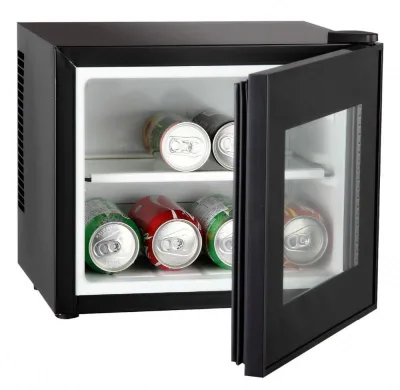


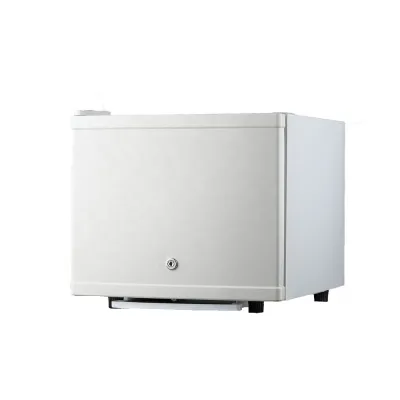


Portable Home Use 4L LED Lighted Makeup Mirror Beauty Fridge Mini Refrigerator
$12.99 - $14.99
MOQ: 100 piece
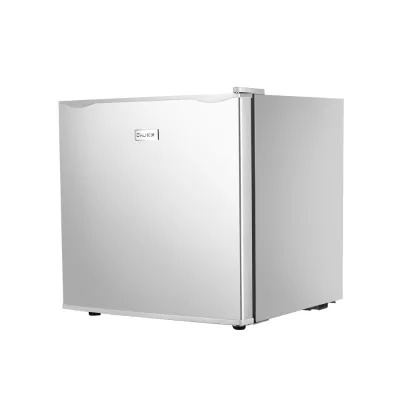


$99.00 - $999.00
MOQ: 1 Pieces


15L New Competitive Display Desk Top Mini Fridge Popular Makeup Refrigerator Car Fridge
$28.69 - $32.06
MOQ: 50 Pieces

10L No Noise Portable Portable Beauty Fridge Heat Cool Skincare Mini Fridge
$22.95 - $26.65
MOQ: 50 Pieces
Comprehensive Sourcing Guide
Customized Logo Beauty Fridge Sourcing Guide
Sourcing a Customized Logo Beauty Fridge requires a nuanced understanding of the intersection between cosmetic retail aesthetics and functional refrigeration technology. These units are designed not merely to cool products but to serve as branded marketing assets within salons, spas, and boutique stores. The procurement process involves balancing visual customization with technical reliability, ensuring that the cooling performance meets the specific storage needs of delicate beauty products while maintaining brand visibility. Buyers must navigate a market where suppliers offer varying degrees of personalization, from simple logo printing to full structural color matching, all while adhering to strict electrical and safety standards for commercial use.
The decision to source these units often hinges on the ability to integrate them seamlessly into existing interior design schemes. Unlike standard commercial refrigerators, beauty fridges prioritize transparency and lighting to showcase inventory, making the choice of door material and internal illumination critical. Procurement teams must evaluate how customization options impact lead times and unit costs, as private molds and specific color matches often introduce additional complexity to the manufacturing process. Understanding these trade-offs is essential for developing a sourcing strategy that aligns with both budget constraints and brand identity goals.
Product Scope and Observed Listing Signals
The market for beauty fridges encompasses a diverse range of form factors, from compact countertop models to larger cabinet-style units suitable for high-volume retail environments. Observed listings indicate a significant variation in capacity, with some units offering as little as 4 to 6 liters of storage, ideal for small salons or personal use, while others provide up to 40 liters for commercial applications. This disparity in volume directly influences the physical footprint and power requirements of the unit. Buyers should carefully assess the available floor space and the volume of products to be stored, ensuring that the selected model accommodates standard cosmetic packaging sizes without overcrowding, which can impede airflow and reduce cooling efficiency.
A critical observation in current listings is the divergence in cooling technologies, primarily between thermoelectric and compressor-based systems. Thermoelectric coolers, often found in smaller, portable units, operate silently and have no moving parts, making them suitable for quiet environments like spas. However, they typically offer a cooling range that is 15-18 degrees below ambient temperature, which may not be sufficient for all product preservation needs. In contrast, compressor-based units provide more precise temperature control, often ranging from 0 to 8 degrees Celsius, which is crucial for storing heat-sensitive cosmetics. Procurement teams must verify the cooling mechanism to ensure it aligns with the specific storage requirements of the beauty products being displayed.
Technical Specifications to Verify
Voltage and power supply compatibility are paramount when sourcing beauty fridges for international markets. Listings show a wide range of voltage options, including 12V DC for vehicle or portable use, and 220-240V AC for standard commercial installations. Buyers must ensure that the selected unit matches the electrical infrastructure of the deployment location. Additionally, the plug type must be compatible with local standards, with options such as AU, EU, UK, and US plugs commonly available. Verifying these specifications prevents costly modifications or the need for adapters, which can compromise safety and convenience in professional settings.
The physical dimensions and weight of the unit are also key technical considerations. Single package sizes can vary significantly, with some compact models measuring approximately 37.9x37.5x34.5 cm, while others may be larger. The net capacity, ranging from 1-5 liters to 40 liters, dictates the internal layout and shelving configuration. Buyers should request detailed dimensional drawings to ensure the unit fits within designated display areas. Furthermore, the door type, whether glass or solid, impacts both visibility and insulation performance. Glass doors enhance product visibility but may require additional lighting and insulation measures to maintain temperature stability, whereas solid doors offer better thermal retention but limit visual appeal.
Compliance and Safety Documentation
Certification is a non-negotiable aspect of sourcing beauty fridges, particularly for commercial use. Common certifications observed in the market include CE and RoHS, which indicate compliance with European safety, health, and environmental protection standards. Buyers should request valid certification documents from suppliers to verify that the units meet the regulatory requirements of their target markets. These certifications ensure that the electrical components, materials, and manufacturing processes adhere to recognized safety benchmarks, reducing the risk of electrical hazards and environmental harm.
In addition to product certifications, buyers should inquire about the manufacturing standards and quality control processes employed by the supplier. Documentation such as test reports for temperature uniformity, energy efficiency, and material safety can provide valuable insights into the product's reliability. Suppliers who offer private molds and OEM services often have more rigorous quality control measures in place to maintain consistency across customized orders. Verifying these standards helps mitigate the risk of receiving units that do not perform as expected or fail to meet safety regulations, protecting the brand's reputation and ensuring customer safety.
Cost Drivers and Commercial Terms
The cost of customized beauty fridges is influenced by several factors, including the level of customization, volume, and technical specifications. Customization options such as private molds, specific color matches, and logo printing can increase the unit price and lead time. Buyers should obtain detailed quotes that break down the costs associated with customization, tooling, and production. Understanding these cost drivers allows for more accurate budgeting and helps in negotiating favorable terms with suppliers. Additionally, the minimum order quantity (MOQ) can vary significantly, ranging from single units for sampling to large batches for full-scale deployment.
Payment terms and shipping logistics are also critical components of the commercial agreement. Buyers should negotiate clear payment terms, such as a deposit followed by balance payment upon completion of production or before shipment. Shipping costs can be substantial, especially for larger units, and should be factored into the total cost of ownership. Incoterms should be clearly defined to determine responsibility for shipping, insurance, and customs clearance. Establishing a transparent commercial framework helps avoid unexpected costs and ensures a smooth procurement process from order placement to delivery.
Supplier Qualification and Quality Control
Evaluating supplier qualifications is essential to ensure the reliability and quality of customized beauty fridges. Buyers should assess the supplier's manufacturing capabilities, including their experience with private molds and OEM services. Suppliers with a proven track record in producing customized appliances are more likely to deliver high-quality products that meet specific brand requirements. Additionally, verifying the supplier's production capacity and lead times is crucial for planning inventory and deployment schedules. Buyers should request references or case studies to gauge the supplier's ability to handle large orders and maintain consistency.
Quality control measures should be integrated into the procurement process to ensure that the final products meet the agreed-upon specifications. Buyers should establish clear quality standards and inspection criteria, including checks for cosmetic defects, electrical functionality, and temperature performance. Conducting pre-shipment inspections or hiring third-party inspection services can help identify and rectify any issues before the goods are shipped. Establishing a robust quality control framework minimizes the risk of receiving defective products and ensures that the customized beauty fridges meet the brand's standards for quality and performance.
Long-Term Procurement Checks
Long-term procurement success depends on establishing strong relationships with suppliers and implementing continuous improvement processes. Buyers should regularly review supplier performance based on metrics such as on-time delivery, product quality, and responsiveness to issues. Maintaining open communication channels with suppliers facilitates collaboration and problem-solving, ensuring that any challenges are addressed promptly. Additionally, staying informed about industry trends and technological advancements can help buyers identify opportunities for innovation and cost savings in future procurement cycles.
Sustainability and after-sales support are also important considerations for long-term procurement. Buyers should inquire about the supplier's commitment to sustainable manufacturing practices and the availability of spare parts and technical support. Ensuring that the beauty fridges are easy to maintain and repair extends their lifespan and reduces total cost of ownership. By prioritizing sustainability and after-sales support, buyers can build a resilient supply chain that supports their brand's values and operational needs over the long term.
FAQs
What customization options are available for a Customized Logo Beauty Fridge?
Customized logos are accepted on listed beauty fridge models, and customizable color options such as black, light green, pink, and white are offered. Some listings also support OEM and private mold production. Customization availability can vary by model and order volume, so confirm the exact logo printing method, color finish, and any additional tooling requirements with the supplier before placing an order.
Which capacity options should buyers consider for a beauty fridge?
Listed models span small capacities from about 1 to 5 liters, with specific units at 4 liters and 6 liters, while a glass-door mini bar model offers 40 liters. Smaller 4L units suit skincare storage on desktops, and larger 40 liter cabinet-type units fit hotel rooms. Choose capacity based on intended use, available space, and cooling method.
How do thermoelectric beauty fridges differ from compressor models?
Listed beauty fridges use thermoelectric cooling, which cools to around 15 to 18 degrees below ambient temperature and is suited to skincare and cosmetics storage. A compressor-based mini bar model cools to a set 0 to 8 degrees Celsius. Thermoelectric units are quieter and lighter, while compressor units achieve lower temperatures. Match the cooling system to the products you intend to store.
Can beauty fridges be used in hotel rooms and commercial settings?
Yes, listed applications cover hotels, houses, cars, outdoor use, garages, RVs, and commercial settings. The 40 liter glass-door model is positioned for hotel room use, while compact 4L and 6L thermoelectric units suit bedrooms, offices, and vehicles. Check voltage requirements, since models run on 220-240 V or 12 V DC power depending on the unit.
What voltage and plug types do customized logo beauty fridges support?
Listed compact models operate on 12V DC power with AU, EU, UK, and US plug types available, making them suitable for car and household use in most regions. The 40 liter mini bar model uses 220-240 V electricity. Confirm the plug type and voltage matching your destination market before ordering, especially for customized logo export orders.
Which certifications come with listed beauty fridge models?
CE and RoHS certifications are listed for the mini bar fridge model, indicating compliance with common European safety and environmental requirements. Certification coverage may differ by model and customization level, so request valid certificate documents for the specific unit and logo customization you plan to order. Some buyers also ask for additional test reports during sourcing.
How are customized logo beauty fridges packed and shipped?
Packing options include master cartons with 1 piece per carton, and neutral packing is also offered on some models. The 40 liter glass-door unit has a single package size of 37.9 by 37.5 by 34.5 cm, while compact 4L units ship as small packages. Confirm carton dimensions, weight, and whether retail boxes with your logo are included in the packing arrangement.
What is the temperature range of a thermoelectric beauty fridge?
Listed thermoelectric models cool to 15 to 18 degrees below the surrounding ambient temperature, which typically keeps contents in a cool range suitable for skincare, cosmetics, and drinks. One model lists a refrigeration scope of 5 to 65 degrees Celsius, covering both cooling and warming functions. Actual interior temperature depends on room conditions, so verify performance for your climate.