Source Blue USB Host Shield for Cable Car Computer
Compare 29 Blue USB Host Shield options from verified suppliers. These modules support single card applications with fire retardant features and are available in stock for immediate delivery to global buyers.
Key considerations
Products List





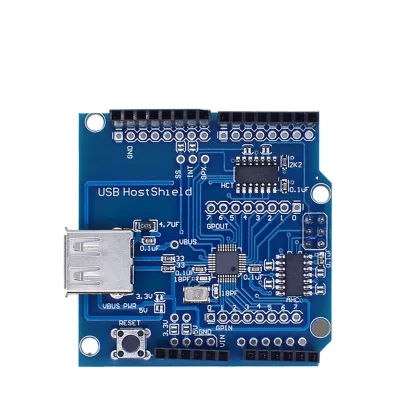

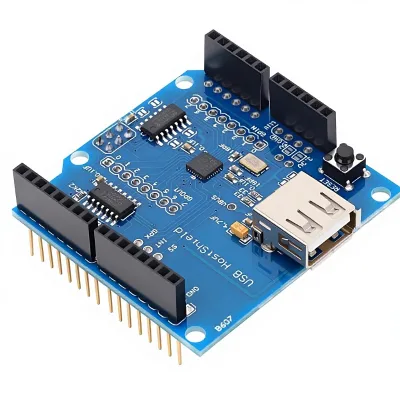
Comprehensive Sourcing Guide
Strategic Sourcing Guide for Blue USB Host Shield Modules
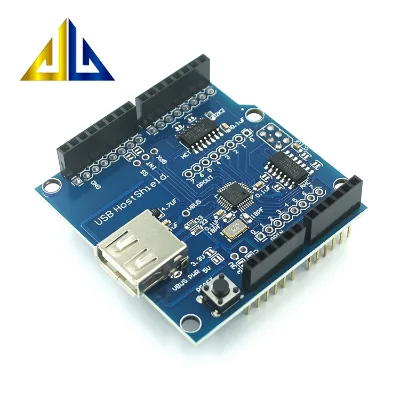
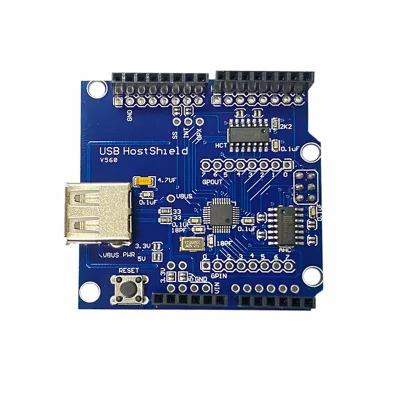
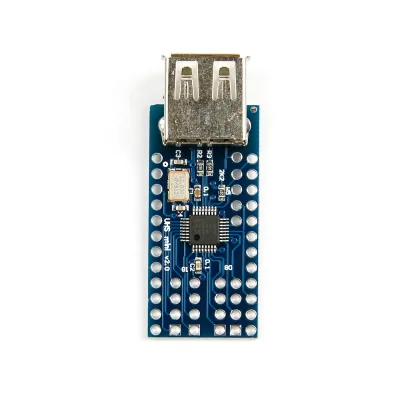
The procurement of specialized electronic components, such as the Blue USB Host Shield, requires a disciplined approach that balances technical compatibility with supply chain reliability. For buyers researching this specific category, the market presents a diverse array of modules often labeled as "Development Board Modules" or "Mini USB Host Shield 2.0 ADK." These components are critical for enabling microcontroller systems to interface with USB peripherals like keyboards, mice, and storage drives. The following guide outlines the essential factors for evaluating these products, ensuring that procurement decisions are grounded in verified specifications and industry standards rather than marketing assertions.
Technical Specifications and Physical Attributes
When sourcing a Blue USB Host Shield, the primary focus must be on the precise physical and electrical characteristics that define the component's functionality. Based on observed market data, these modules typically feature a rectangular shape and are constructed using FR-4 material, a standard glass-reinforced epoxy laminate known for its structural stability and electrical insulation properties. The board thickness is frequently observed at 1.6mm, which aligns with standard PCB manufacturing norms, while the copper thickness is often specified at 0.2mm. This specific copper layering is vital for determining the current-carrying capacity and thermal dissipation of the shield.
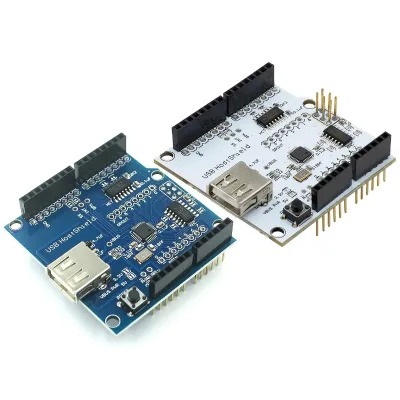
The physical dimensions of these modules vary, with common configurations including a size of 545420mm or a more compact 38mm*18mm footprint. Buyers must verify which dimension matches their enclosure constraints, as the single package size can be as large as 13x10x11 cm depending on the packaging method. The interface type is consistently identified as USB, specifically designed to support Single Card configurations in some contexts, though the primary function remains the host interface. The color is a distinguishing visual marker, often appearing in a blue and white combination or solid blue, which aids in quick visual identification during assembly.
Electrical specifications are equally critical. The power supply requirement for these modules is typically DC 3.3V, a standard voltage for many modern microcontroller development boards. The surface finishing process is noted as 0.2, likely referring to the thickness of the finish or a specific surface treatment parameter, which impacts solderability and long-term oxidation resistance. The minimum line width and spacing are both observed at 0.1mm, indicating a high-density design that requires precision manufacturing equipment. This level of detail suggests that the production process relies heavily on injection molding for the casing or housing components, combined with standard PCB fabrication techniques.
Compliance, Certification, and Material Standards
In the B2B electronics sector, compliance is not merely a formality but a prerequisite for market access and liability protection. The supplied data indicates that many of these blue USB host shields adhere to the RoHS (Restriction of Hazardous Substances) standard. This certification is essential for ensuring that the product does not contain restricted hazardous materials such as lead, mercury, or cadmium, which are banned in many jurisdictions including the European Union and parts of Asia. Buyers should verify that the RoHS compliance is documented for the specific batch being purchased, as this status can vary between suppliers.
The material composition is another area requiring strict verification. The use of FR-4 material is standard for the substrate, but the quality of the resin and the glass weave can vary significantly between manufacturers. The origin of these products is predominantly listed as China, with specific mentions of Guangdong as a place of origin. This region is a global hub for electronics manufacturing, offering a dense ecosystem of suppliers. However, the "Made in China" label does not guarantee uniform quality; therefore, buyers must request material safety data sheets (MSDS) and specific compliance certificates for the FR-4 and any other materials used in the construction of the shield.
Furthermore, the production process involves injection molding, which implies the use of plastic components for the housing or connectors. Buyers should inquire about the flame retardancy of these plastics, as the product attributes often list "Fire/Flame Retardant" as a feature. While this is a positive indicator, it is an observation rather than a universal claim. Procurement teams should demand test reports from accredited laboratories to confirm that the plastic meets specific UL or IEC standards for flammability, ensuring the final assembly is safe for use in consumer and industrial environments.
Cost Drivers and Pricing Dynamics
Understanding the cost structure of blue USB host shields is essential for budgeting and negotiating effective contracts. The observed price range in the market spans from $0.01 to $320, a wide variance that reflects differences in quality, volume, and supplier positioning. The lower end of this spectrum likely represents bulk raw materials or generic components, while the higher end may include fully assembled, tested, and branded modules with additional features or custom packaging.
Several factors drive these costs. The minimum order quantity (MOQ) is a significant variable, with observed ranges from 1 piece to 10,000 pieces. Suppliers offering an MOQ of just 1 piece often charge a premium per unit to cover setup and handling costs, whereas larger orders benefit from economies of scale. The payment terms also influence the final cost, with options including TT (Telegraphic Transfer), PayPal, Western Union, and Trade Assurance. Using Trade Assurance can provide financial security but may involve transaction fees that affect the total cost.
The packaging method is another cost driver. Products are often shipped in reels for automated assembly or in boxes for manual handling. The single gross weight of approximately 0.3 kg per package affects shipping logistics, particularly for air freight via carriers like DHL, UPS, FedEx, or EMS. Buyers should calculate the total landed cost, including shipping and insurance, rather than focusing solely on the unit price. Additionally, the "In stock" lead time for some suppliers reduces the need for safety stock, potentially lowering inventory carrying costs, while custom orders with longer lead times may require higher upfront commitments.
Typical Applications and Functional Integration
The functional application of blue USB host shields is broad, covering sectors such as cable management, automotive systems, and computer peripherals. These modules are designed to act as a bridge between a host microcontroller and USB devices, enabling data transfer and device control. The specific mention of "Development Board Module" suggests that these shields are frequently used in prototyping and R&D environments where flexibility and rapid iteration are required.
In the automotive sector, the robustness of the FR-4 construction and the flame-retardant features make these shields suitable for integration into vehicle infotainment systems or diagnostic tools. The "Wired" nature of the connection implies a reliance on physical interfaces rather than wireless protocols, which can be advantageous in environments with high electromagnetic interference. The support for Ethernet networks in some configurations further expands their utility, allowing for networked communication in addition to standard USB host functions.
For computer applications, the module serves as an expansion interface, allowing legacy or specialized USB devices to connect to modern systems. The "Mini USB Host Shield 2.0 ADK" designation indicates compatibility with the Arduino Development Kit, a popular platform for hobbyists and engineers. This compatibility is a key selling point, as it allows developers to quickly prototype projects without designing a custom PCB from scratch. The ability to support single cards and data transmission makes these modules versatile for a wide range of IoT (Internet of Things) and embedded system applications.
Supplier Evaluation and Quality Assurance
Evaluating suppliers for blue USB host shields requires a rigorous assessment of their capabilities and track record. The brand names observed, such as JYWD and YUANAI, indicate that multiple manufacturers are competing in this space. Buyers should not rely solely on brand recognition but must verify the supplier's production capacity and quality control processes. The "High-quality" attribute is frequently claimed, but this is a subjective observation. To validate this, procurement teams should request samples for independent testing and review the supplier's history of defect rates.
The production process, specifically injection molding and PCB fabrication, must be scrutinized for consistency. Suppliers should demonstrate their ability to maintain the specified minimum line width and spacing of 0.1mm without compromising yield. The surface finishing process, noted as 0.2, should be consistent across all units to ensure reliable soldering. Buyers should also check the supplier's inventory management, as the "In stock" status suggests a ready-to-ship capability, which is crucial for time-sensitive projects.
Quality control measures should include visual inspections, electrical testing, and environmental stress testing. The "New" condition of the products is a standard expectation, but buyers must ensure that the items are not refurbished or overstocked without proper testing. The availability of payment methods like Trade Assurance provides a layer of protection, but it does not replace the need for pre-shipment inspections. Establishing a clear quality agreement that defines acceptable tolerances for dimensions, electrical parameters, and material composition is essential for maintaining product integrity.
Long-Term Procurement and Supply Chain Resilience
Sourcing blue USB host shields is not a one-time transaction but a long-term partnership that requires strategic planning. The variability in lead times and the potential for supply chain disruptions necessitate a diversified supplier base. While some suppliers offer an MOQ of 1 piece, which is ideal for prototyping, long-term production requires negotiating volume discounts and securing supply contracts with reliable manufacturers.
The customization options available, such as the "Customization: Available" attribute, offer a path to differentiation. However, buyers must weigh the benefits of custom branding or modified specifications against the increased complexity and cost. The "Non-Customized" status of some products suggests that off-the-shelf solutions are often sufficient for standard applications, reducing the risk of supply chain bottlenecks.
To ensure long-term resilience, buyers should monitor the market for changes in standards and regulations. The RoHS compliance is a baseline, but future regulations may impose stricter requirements on materials or energy efficiency. Maintaining open communication with suppliers regarding their R&D efforts and compliance updates will help buyers stay ahead of these changes. Additionally, establishing a clear communication channel for technical support and after-sales service is vital for resolving any issues that arise during the integration of these modules into larger systems. By focusing on these strategic elements, buyers can secure a stable supply of high-quality blue USB host shields that meet their technical and operational needs.
FAQs
What is the typical board thickness for this Blue USB Host Shield?
The typical board thickness is 1.6mm, which aligns with standard PCB manufacturing norms. This dimension ensures structural stability while accommodating the specified copper thickness of 0.2mm for optimal current carrying capacity.
Can I find these modules with RoHS certification?
Yes, many blue USB host shields adhere to the RoHS standard to restrict hazardous substances. Buyers should verify that the specific batch being purchased includes documented compliance certificates for materials like FR-4.
What is the minimum order quantity for these development board modules?
The minimum order quantity can be as low as 1 piece for some suppliers. However, other vendors may require up to 10,000 pieces, so the final MOQ depends on the specific supplier and their inventory policies.
Which payment methods are accepted for these USB host shields?
Accepted payment methods include TT, PayPal, Western Union, and Trade Assurance. These options provide flexibility for buyers, with Trade Assurance offering additional financial security during the transaction process.
How are these blue USB host shields typically packaged?
These modules are often shipped in reels for automated assembly or in boxes for manual handling. The single package size can reach 13x10x11 cm, and the gross weight is approximately 0.3 kg per package.
What is the lead time for in-stock blue USB host shields?
The lead time for in-stock items is immediate, allowing for quick shipment. Suppliers with available inventory can ship via carriers like DHL, UPS, or FedEx without the delays associated with custom manufacturing.
Which material is used for the substrate of this shield?
The substrate is constructed using FR-4 material, a standard glass-reinforced epoxy laminate. This material provides excellent electrical insulation and structural stability for the 0.1mm minimum line width design.