Source Boho Lace Tulle Bridal Gown for Weddings, Proms, Parties
Explore 10 Boho Lace Tulle Bridal Gown options featuring styles like A-Line and Ball Gown with lace or beading embellishments. Compare customization, sleeve styles, and seasonal suitability for weddings, proms, and formal events.
Key considerations
Products List


Strapless Pleated Tulle Side Slit Sleeveless Boho Beach Bridal Gowns Wedding Dresses
$75.00 - $110.00
MOQ: 1 Pieces
Comprehensive Sourcing Guide
Strategic Sourcing Guide for Boho Lace Tulle Bridal Gowns
Understanding Product Attributes and Design Variations
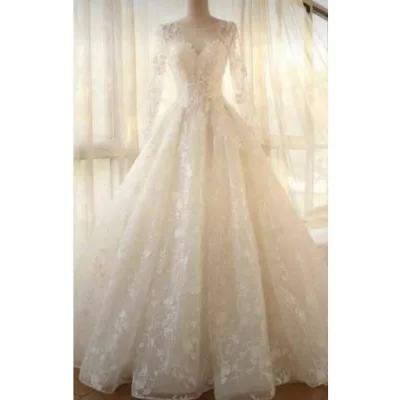
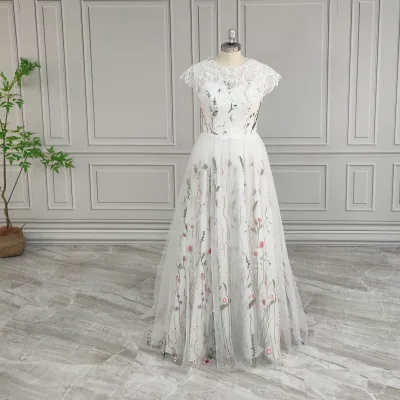
The core keyword "Boho Lace Tulle Bridal Gown" describes a specific aesthetic and material combination that blends rustic elegance with structured fabric. Based on observed product data, the foundational material for these garments is consistently identified as tulle, a lightweight netting fabric that provides the necessary volume and ethereal quality associated with the boho style. The defining visual characteristic is the application of lace, which appears in various forms including 3D lace, embroidery, and beading. These embellishments are not merely decorative but serve as the primary textural element that distinguishes a boho gown from more traditional, sleek silhouettes.
The design variations observed in the market reveal a significant divergence in structural details, which buyers must carefully navigate. While the "boho" label often implies a relaxed fit, the data indicates a wide spectrum of silhouettes ranging from A-Line to Ball Gown and Mermaid styles. Sleeve styles vary equally, with options including spaghetti straps, strapless, long sleeves, cap sleeves, and sleeveless designs. Necklines are equally diverse, offering O-necks, off-the-shoulder cuts, and spaghetti straps. This variability suggests that the term "boho" in this context refers more to the material composition (tulle and lace) and the decorative treatment rather than a single, rigid silhouette.
Buyers should note that dress layering is a critical differentiator. The observed data lists products with single, double, and multilayer constructions. A single-layer tulle gown may offer a more sheer, delicate look, whereas multilayer options provide the fullness required for ball gowns or structured A-line shapes. The length is predominantly full-length, often accompanied by a long train, which is a standard feature for formal bridal wear. The color palette is primarily observed in white and ivory, though customization options for other colors are frequently available. The age demographic for these gowns typically targets young adults, specifically those in the 18-25 and 25-35 age ranges, indicating a design focus on modern, youthful bridal trends.
Technical Specifications and Material Composition
When evaluating the technical specifications of a Boho Lace Tulle Bridal Gown, the material composition is the first point of verification. The supplied facts confirm that tulle is the primary fabric. However, the quality of the tulle and the type of lace used are not explicitly quantified in the provided data. Buyers must therefore verify the thread count, density, and durability of the tulle, as well as the fiber content of the lace (whether it is cotton, polyester, or a blend). The presence of 3D lace, embroidery, and beading adds complexity to the material assessment. These embellishments must be securely attached to the tulle base to prevent shedding or detachment during wear.
The structural specifications also include the dress length and silhouette. The data indicates a standard of full-length dresses with long trains. The silhouette options observed include A-Line, Ball Gown, and Mermaid. The A-Line style, characterized by a fitted bodice that gradually widens from the waist to the hem, is a common choice for boho aesthetics as it offers a flattering, flowing look. The Ball Gown style, with its fitted bodice and voluminous skirt, relies heavily on the multilayer tulle construction to achieve its shape. The Mermaid silhouette, which hugs the body before flaring out at the knees, requires precise tailoring and high-quality tulle to maintain its form without adding excessive weight.
Neckline and sleeve specifications are equally critical for technical evaluation. The observed range includes spaghetti straps, strapless, long sleeves, cap sleeves, and sleeveless options. The neckline variations range from O-necks to off-the-shoulder cuts. These features directly impact the fit and comfort of the garment. For instance, a strapless design requires a well-structured bodice to ensure the gown stays in place, while a long-sleeve design may require stretch materials or specific cut patterns to allow for movement. The waistline is typically natural, which is a standard placement for most bridal gowns, but buyers should confirm the exact placement relative to the bride's anatomy to ensure the intended silhouette is achieved.
Compliance, Certification, and Quality Standards
In the realm of bridal wear, compliance and quality standards are paramount, even when specific certification names are not explicitly listed in the product data. The observed facts mention "High Quality" and "Customized" as product standards, but these are general descriptors rather than formal certifications. Buyers should not assume that a product labeled "High Quality" automatically meets international textile safety or flammability standards without verification. The origin of the products is noted as Suzhou, China, and generally China. While this provides a geographical context, it does not inherently guarantee compliance with specific international regulations such as those from the EU or the US.
Buyers must verify that the supplier adheres to relevant textile safety standards regarding chemical usage, particularly concerning dyes and finishes used on the tulle and lace. The presence of beading and embroidery introduces additional compliance considerations, such as the safety of small parts and the flammability of the finished garment. Although the data does not list specific test results or certification numbers, a responsible procurement strategy requires requesting documentation that proves the materials are free from harmful substances like azo dyes or heavy metals.
Furthermore, the "OEM Design" and "Supply Type" attributes indicate that the supplier is capable of Original Equipment Manufacturing. This implies a level of flexibility in production, but it also necessitates a clear understanding of the intellectual property rights and quality control protocols in place. Buyers should ensure that the supplier has a documented quality management system that covers the entire production process, from fabric sourcing to final packaging. The standard of "High Quality" should be defined contractually with specific metrics, such as stitch density, colorfastness ratings, and fabric weight, rather than relying on subjective descriptions.
Cost Drivers and Pricing Dynamics
The pricing for boho lace tulle bridal gowns is influenced by several key factors, including material costs, labor intensity, and customization levels. The observed price range in the market is between 65 and 199 USD. This range suggests a variation in quality, complexity, and production scale. The lower end of the spectrum likely corresponds to simpler designs with single-layer tulle and minimal embellishment, while the higher end may reflect multilayer constructions, extensive 3D lace work, and intricate beading.
Labor is a significant cost driver in bridal gown production. The application of lace, embroidery, and beading is often a manual process that requires skilled artisans. The complexity of the design, such as the number of layers or the intricacy of the neckline, directly impacts the labor hours required. Additionally, the customization options available, such as accepting custom measurements or specific colors, add to the cost. The data indicates that suppliers accept custom made dresses, which often involves a separate production run or additional pattern-making fees.
The minimum order quantity (MOQ) is another critical factor affecting the unit cost. The observed MOQ range is 1 to 1, indicating that many suppliers offer drop-shipping capabilities or single-piece orders. This flexibility is beneficial for small boutiques or individual buyers but may result in a higher per-unit cost compared to bulk orders. The packaging options, which include plastic bags or carton boxes, also contribute to the overall cost, especially if customized packaging is requested. Buyers should consider the total cost of ownership, including shipping, taxes, and potential returns, when evaluating the price range.
Supplier Evaluation and Selection Criteria
Selecting the right supplier for boho lace tulle bridal gowns requires a thorough evaluation of their capabilities, reliability, and alignment with the buyer's needs. The data indicates that suppliers are located in Suzhou, China, and generally in China. This concentration suggests a mature supply chain with access to specialized textile manufacturers. However, buyers should not rely solely on location; they must assess the supplier's specific expertise in handling tulle and lace materials.
Key evaluation criteria include the supplier's ability to handle customization. The data shows that suppliers accept custom measurements, custom colors, and OEM designs. This flexibility is a strong indicator of a supplier's capability to meet diverse buyer requirements. Buyers should verify the supplier's process for handling custom orders, including the time required for sampling and the accuracy of the final product. The ability to produce single-piece orders (MOQ of 1) is also a significant advantage for buyers testing the market or fulfilling specific client needs.
Quality control is another essential criterion. Buyers should request samples to evaluate the quality of the tulle, lace, and embellishments. The presence of "High Quality" as a standard is a positive sign, but it must be validated through physical inspection. Buyers should also assess the supplier's communication and responsiveness, as these factors are crucial for managing custom orders and resolving any issues that may arise during production. The supplier's experience with similar products, such as A-Line or Ball Gown styles, should also be considered to ensure they have the necessary technical expertise.
Quality Control and Inspection Protocols
Implementing a robust quality control (QC) protocol is essential for ensuring that the delivered boho lace tulle bridal gowns meet the expected standards. Given the intricate nature of the design, involving multiple layers of tulle, lace, and embellishments, QC must be comprehensive and multi-stage. The first stage should focus on raw material inspection. Buyers should verify the quality of the tulle, lace, and beading before production begins. This includes checking for defects such as holes, discoloration, or uneven stitching.
The second stage involves in-process inspection. During the assembly of the gown, inspectors should check the alignment of the lace, the security of the beading, and the consistency of the stitching. Special attention should be paid to the neckline, waistline, and sleeve areas, as these are high-stress points that require precise construction. The third stage is the final inspection, where the completed gown is evaluated against the agreed-upon specifications. This includes checking the overall silhouette, the length of the train, and the fit of the garment.
The data indicates that the dresses are packed in plastic bags or carton boxes. The packaging should be inspected to ensure that the gowns are protected from dust, moisture, and damage during transit. For custom orders, the packaging should also include clear labeling to prevent mix-ups. Buyers should consider hiring third-party inspection agencies to conduct these checks, especially for large orders or when dealing with new suppliers. This independent verification provides an additional layer of assurance and helps mitigate the risk of receiving substandard products.
Long-Term Procurement and Relationship Management
Building a long-term relationship with a supplier is crucial for the sustainable procurement of boho lace tulle bridal gowns. The data suggests that suppliers are open to custom orders and OEM designs, which indicates a willingness to collaborate and adapt to changing market needs. Buyers should focus on establishing clear communication channels and defining mutual expectations from the outset. This includes agreeing on quality standards, delivery timelines, and pricing structures.
One of the key considerations for long-term procurement is the scalability of the supplier. As the buyer's business grows, the supplier must be able to increase production capacity without compromising quality. The observed MOQ of 1 suggests that the supplier is flexible, but buyers should also assess their ability to handle larger orders efficiently. The supplier's location in China offers access to a vast network of textile manufacturers, which can be leveraged to optimize costs and lead times.
Another important aspect is the supplier's commitment to innovation and design trends. The boho style is subject to changing fashion trends, and suppliers who stay ahead of these trends can provide buyers with a competitive advantage. Buyers should encourage suppliers to share new designs and materials, fostering a collaborative environment that drives continuous improvement. Finally, maintaining a strong relationship involves regular performance reviews and feedback loops. This ensures that any issues are addressed promptly and that the partnership remains mutually beneficial over the long term.
FAQs
What materials are used for boho lace tulle bridal gowns?
The primary material is tulle, often combined with lace embellishments like 3D lace, embroidery, or beading. Buyers should verify the specific fiber content of the lace and the density of the tulle to ensure durability and quality.
Which dress styles are available for these gowns?
Available silhouettes include A-Line, Ball Gown, and Mermaid styles. The design can vary from single-layer to multilayer constructions depending on the desired volume and structure of the final garment.
Can I order custom measurements for a boho lace tulle gown?
Yes, suppliers accept custom measurements and custom colors in addition to standard sizes. Many vendors also offer drop shipping for single-piece orders, allowing for flexible customization without bulk requirements.
What is the price range for these bridal gowns?
The observed price range is between 65 and 199 USD. Costs vary based on the complexity of the design, the number of tulle layers, and the intricacy of the lace or beading embellishments used.
Where are these gowns manufactured and what is the origin?
The products originate from Suzhou, China, and other regions within China. Buyers should verify specific supplier locations and ensure they meet required textile safety standards before finalizing any procurement agreements.
What customization options are available for packaging and design?
Packaging can be customized or provided in plastic bags and carton boxes. Suppliers also offer OEM design services, allowing for tailored designs, specific colors, and unique embellishments to match buyer requirements.