Source Eco Friendly Lace Wedding Dress for brides, mothers, and guests
Compare 30 Eco Friendly Lace Wedding Dress options featuring satin, tulle, and polyester materials. Buyers can review styles like A-Line, Mermaid, and Vintage with customization available for sizes and colors; compare the available evidence and request quotations based on your requirements.
Key considerations
Products List





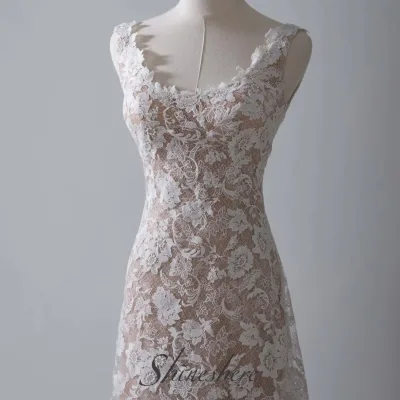
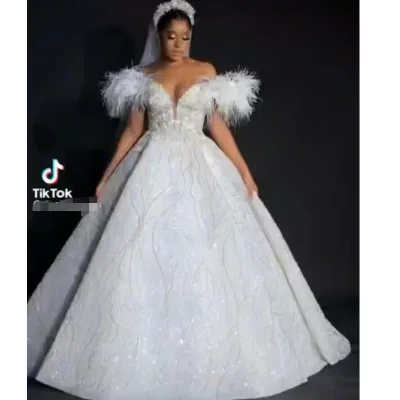
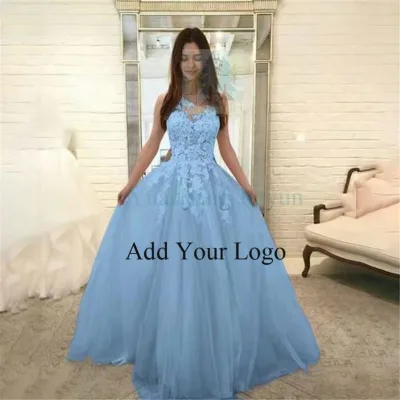
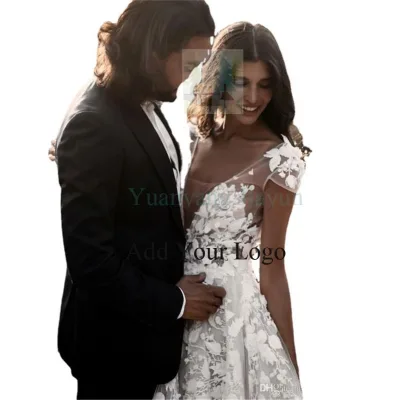
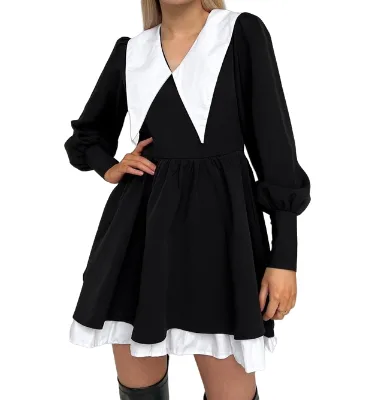
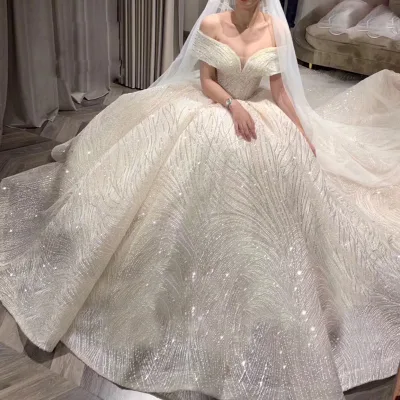
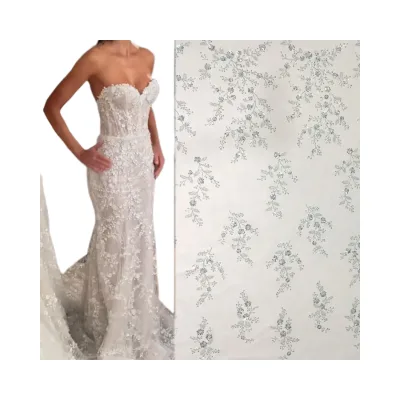
Comprehensive Sourcing Guide
Eco Friendly Lace Wedding Dress Sourcing Guide
Eco friendly lace wedding dresses occupy a distinctive position in bridal procurement: they combine the emotional weight of a once-in-a-lifetime garment with growing retailer and consumer demand for lower-impact materials and transparent production. For wholesale buyers, this category rewards disciplined verification, because sustainability claims are frequently asserted but rarely documented at the listing level. Treat every environmental attribute as a claim to be evidenced through sampling, documentation, and written supplier commitments rather than assumed from product photography or marketing copy.
This guide is written for importers, bridal boutiques, and e-commerce sellers evaluating manufacturers in China, where Suzhou in particular is an established origin for bridal wear. The observations below are drawn from actual product listings in this category, including attributes such as satin and tulle constructions, lace and beading embellishments, customization availability, and packed-per-polybag shipping formats. Use the sections that follow to structure supplier conversations, sample evaluation, and contract terms so that sustainability, fit, and commercial expectations are all anchored in verifiable facts.
Product Scope and Observed Listing Signals
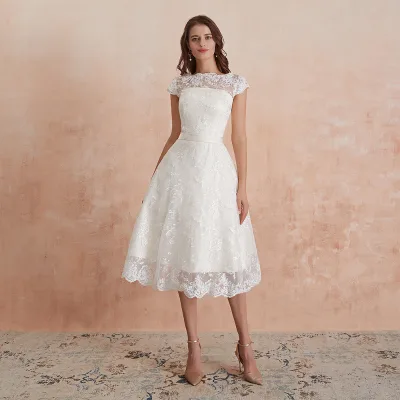
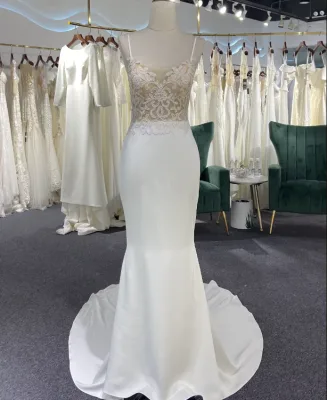
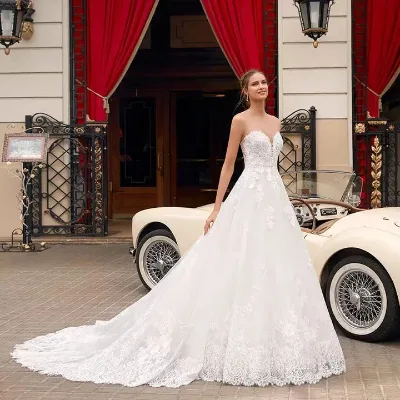
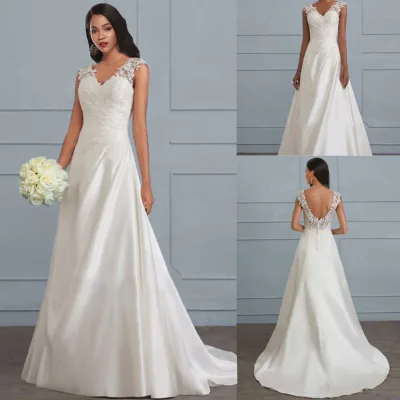
The observed listings span several recognizable bridal sub-categories: mermaid and A-line silhouettes, strapless and off-shoulder designs, round necklines, and sleeve styles ranging from long and short sleeves to cap sleeves. Dress lengths vary from knee-length and mid-calf to full-length, and dress layers range from double-layer to multilayer constructions. Materials named include satin, tulle, and 100% polyester, with embellishments of lace, beading, and embroidery. Target ages in the listings run from 18-25 and 25-35 year olds to middle-aged wearers, indicating both bridal and mother-of-bride positioning.
Model numbers such as Mother of Bride Dress-080B, Wedding Bridal Dress-078F, Beaded Wedding Dress-004M, and PV315 confirm this is a multi-line category rather than a single SKU. Buyers should note which attributes cluster together: a "sexy" styled mermaid gown in ivory satin differs commercially from a vintage pink tulle dress with cap sleeves, even if both fall under lace wedding dress searches. Map your own assortment against these observed silhouettes and colorways before requesting quotes, so supplier discussions begin with concrete reference styles rather than open-ended descriptions.
Technical Specifications to Verify
Material composition is the first specification to pin down in writing. Listings reference satin, tulle, and 100% polyester, but "eco friendly" positioning requires clarity on what makes each component sustainable: recycled polyester content, responsible fiber sourcing, low-impact dyeing, or simply reduced packaging. Ask suppliers to state fiber composition percentages per layer, since a multilayer gown may combine different fabrics with different environmental profiles. Confirm whether lace is produced in-house or sourced, as this affects traceability.
Construction details also demand verification. Request the number of dress layers, boning and lining specifications, closure types, and seam finishing for the specific models you intend to order. For customization—which is available across the observed listings—confirm in writing whether standard sizing or custom measurements are accepted, and whether custom colors beyond listed options such as white, ivory, and pink are achievable. The listing note accepting "picture color or other custom colors" is a useful prompt, but obtain a physical color-matched sample before approving bulk production.
Compliance and Safety Documentation
Buyers in this category should request documentation appropriate to textile apparel for their destination market, and should not assume certification from supplier marketing language. Two standards that appear in available context—CE and OEKO-TEX—signal the kind of documentation to ask about, but low confidence in how they attach to specific products means you must request copies of any certificates directly and validate scope, issuing body, and validity dates yourself. A certificate covering a different product line or an expired test report is a common sourcing failure.
Beyond certificates, ask for a documented material declaration listing fiber content, dyes, and any chemical finishes applied to lace, tulle, or beaded sections. Embellishments such as beading merit specific attention: confirm attachment methods and whether small components meet any applicable safety requirements in your market. Establish that test reports reference the exact fabric batch or production run you are purchasing, not an unrelated prior order. Building this documentation checklist into your purchase agreement before deposit payment protects you far better than requesting paperwork after goods have shipped.
Cost Drivers and Commercial Terms
The observed price range of roughly USD 7 to USD 669 across listings reflects how widely this category spans simple lace overskirts to heavily beaded full-length gowns; do not benchmark your target style against the extremes without matching construction. Beading density, embroidery, multilayer tulle, and full-length satin designs each add labor cost, so request itemized quotations that separate fabric, labor, embellishment, and packing. Packing specifications observed—each piece in a polybag, or plastic bag or cotton box—also affect unit cost and freight volume.
Minimum order quantities in the observed data range from 1 to 500 units, with one listing noting an MOQ of 10,000, so MOQ terms vary dramatically by supplier and style. Negotiate MOQ per colorway rather than per style where possible, since bridal assortments typically span several colors. Clarify whether customized orders carry surcharges, what deposit and balance terms apply, and how price changes if fabric specifications change mid-production. Put sample fees, whether credited against bulk orders, and revision costs in writing before approving a counter sample.
Supplier Qualification and Quality Control
Qualify suppliers through a layered process: verify business registration and export experience, request references for bridal or formal-wear production, and assess communication quality on technical questions. Suzhou-based origin is common in this category, and regional clustering can simplify factory visits, but do not treat location alone as a quality signal. Prioritize suppliers who answer specification questions precisely and volunteer documentation, since evasion at the inquiry stage typically worsens after order placement.
Quality control should combine in-line and final inspection. Approve a sealed counter sample covering fabric, lace placement, beading density, stitching, and closure function, then define an AQL-based inspection scope referencing that sample. For a double-layer or multilayer gown, inspect interior finishing as well as exterior appearance, since hidden seams and linings drive return rates in bridal. Specify packing—polybag per piece versus cotton box—and carton markings in the QC checklist. For customized orders, photograph and archive the approved sample to resolve disputes over whether production matches what was signed off.
Long-Term Procurement Checks
Sustainable positioning requires ongoing verification, not one-time approval. Schedule periodic re-confirmation of material composition and any environmental documentation, especially when suppliers change mills or lace sources—a frequent occurrence in this category. Track whether the production recipe for repeat styles remains consistent between seasons by testing retained samples against current shipments. Maintain a supplier scorecard covering on-time delivery, defect rates, documentation completeness, and responsiveness, and review it quarterly to decide which relationships merit deeper investment.
Commercially, protect your program with evolving contract terms: revisit MOQs as volumes grow, secure exclusivity or design ownership for custom-developed styles, and agree on how price adjustments tied to material cost changes will be notified and justified. Keep a second qualified source for your best-selling silhouettes to reduce single-supplier risk, even if dual sourcing raises unit cost modestly. Finally, archive all approvals, certificates, and correspondence in an audit-ready format so that any future claim—environmental or regulatory—can be substantiated quickly with primary records rather than reconstructed from memory.
FAQs
What materials are used in these lace wedding dresses?
The dresses are constructed using satin, tulle, and 100% polyester. These materials provide the necessary structure for styles like A-line and mermaid silhouettes. The fabric choices support the double or multilayer construction observed in the product listings.
Can buyers request custom measurements for these dresses?
Yes, the supplier accepts custom measurements alongside standard sizes. Buyers can also request specific colors, including custom shades, to match their design requirements. This flexibility allows for tailored fits that align with individual body types and aesthetic preferences.
What is the minimum order quantity for these dresses?
The observed minimum order quantity ranges from 1 to 500 units. Some specific product listings indicate a higher threshold of 10,000 units. Buyers should verify the exact MOQ for their selected style, as it varies significantly across different product models.
What embellishments are available on these wedding dresses?
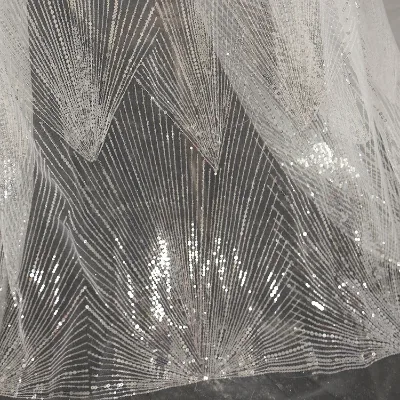
The dresses feature lace, beading, and embroidered techniques. These embellishments enhance the vintage and sexy styles available in the collection. The decorative elements are applied to create detailed textures on the satin and tulle fabrics.
How are these dresses packaged for shipping?
Each dress is packed in a polybag, plastic bag, or cotton box. The packaging method depends on the specific product model selected. This ensures the garments are protected during transit while maintaining a compact form for efficient logistics.
What dress lengths are available in this collection?
The collection includes knee-length, mid-calf, and full-length options. These variations allow buyers to select the appropriate silhouette for different wedding themes and venue requirements. The length is a key specification when choosing between A-line and mermaid styles.
Which age groups are these dresses designed for?
The designs target youth, middle-aged, and specific age groups like 18-25 and 25-35 years old. The styles range from vintage to sexy, catering to diverse preferences. This broad demographic focus ensures the collection appeals to various buyer segments.