Source Evening Wedding Dress for Parties, Weddings, and Events
Explore 30 verified listings for Evening Wedding Dress options including silk, satin, and chiffon styles. Buyers can compare features like sleeve types, lengths, and customization availability to find suitable garments for parties, weddings, and bridal events; compare the available evidence and request quotations based on your requirements.
Key considerations
Products List


Lace Bridal Evening Dresses Long Sleeves Sheer Bodice Wedding Dress Y21823
$99.00 - $199.00
MOQ: 1 Pieces


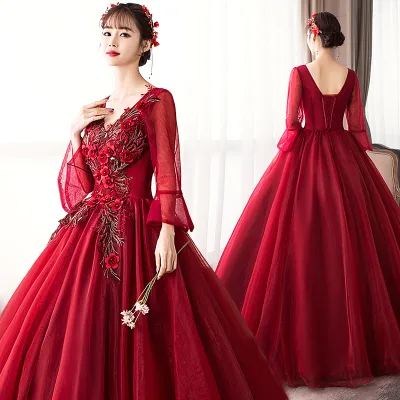
Red Evening Dress Long Sleeves Bridal Wedding Gown Lace Celebrity Dress Yao74
$159.00 - $169.00
MOQ: 1 Pieces



Comprehensive Sourcing Guide
Evening Wedding Dress Sourcing Guide
Procuring evening wedding dresses requires a nuanced understanding of diverse silhouettes, fabrics, and customization capabilities available in the global market. Buyers must navigate a wide spectrum of options, from sleek silk slip dresses suitable for summer parties to elaborate mermaid-style gowns designed for formal bridal ceremonies. The observed product landscape indicates a strong emphasis on aesthetic versatility, with listings featuring attributes such as V-necks, strapless designs, and high-waisted cuts. This variety allows retailers to cater to distinct customer segments, including youth-oriented party wear and middle-aged mother-of-the-bride attire. Understanding these stylistic distinctions is the first step in building a coherent inventory that meets specific demographic and occasion-based demands.
Beyond style, material composition plays a critical role in defining the value proposition and end-user experience of the garment. The market data reveals a mix of premium natural fibers like silk and satin alongside more accessible synthetic options such as polyester and chiffon. Each material offers distinct advantages regarding drape, breathability, and maintenance, which must be aligned with the target price point and seasonal requirements. For instance, silk and satin provide a luxurious sheen ideal for formal events, while chiffon offers lightweight elegance suitable for warmer climates. Buyers should carefully evaluate these material properties to ensure they match the intended use case, whether it is a one-time bridal event or a recurring party season, ensuring that the fabric choice supports both aesthetic goals and practical wearability.
Product Scope and Observed Listing Signals
The current market signals indicate a broad categorization of evening and wedding attire, ranging from casual slip dresses to full-length bridal gowns. Key attributes observed include specific styles such as mermaid, A-line, and sexy silhouettes, which cater to different body types and personal preferences. The presence of features like lace embellishments, double-layer construction, and zipper closures suggests a focus on detailed craftsmanship and fit. Additionally, the availability of customization services and OEM options highlights the flexibility of suppliers to adapt to specific brand requirements. This level of customization is particularly relevant for buyers seeking unique designs that stand out in a competitive retail environment, allowing for tailored modifications in color, length, and structural details.
Seasonal and occasion-based targeting is another prominent signal in the product listings, with explicit mentions of summer wear and party occasions. This suggests that suppliers are actively segmenting their inventory to address specific temporal and social needs. For example, sleeveless and short-sleeve designs are highlighted for summer events, while long-sleeve and full-length options are positioned for more formal or cooler-weather weddings. The inclusion of specific size ranges, such as L or knee-length cuts, further refines the scope, enabling buyers to select products that align with their target demographic's sizing preferences. Recognizing these signals helps in curating a balanced assortment that addresses both immediate seasonal trends and long-term bridal demands.
Technical Specifications to Verify
Verifying technical specifications is essential to ensure that the physical product matches the digital listing and meets quality expectations. Buyers should prioritize confirming the exact fabric composition, as materials like silk, satin, polyester, and chiffon have distinct care requirements and durability profiles. It is crucial to request physical samples to assess the weight, texture, and opacity of the fabric, particularly for double-layered or lace-embellished designs. Additionally, the construction details, such as the type of zipper, seam strength, and lining quality, must be inspected to prevent issues like tearing or unraveling during wear. These physical attributes directly impact the garment's longevity and customer satisfaction, making them non-negotiable points of verification before placing bulk orders.
Dimensional accuracy and sizing consistency are equally critical technical aspects that require rigorous checking. Listings may specify sizes like L or lengths such as knee-length or full-length, but actual measurements can vary significantly between suppliers. Buyers should obtain detailed size charts and compare them against standard industry measurements to ensure fit accuracy. Furthermore, the presence of features like V-necks, round collars, and strapless designs necessitates precise pattern making to avoid fit issues. Verifying these specifications through sample approval processes helps mitigate the risk of returns and complaints, ensuring that the final product aligns with the brand's quality standards and customer expectations.
Compliance and Safety Documentation
Compliance and safety documentation are foundational to ethical and legal sourcing, particularly for garments intended for sensitive occasions like weddings. Buyers must ensure that suppliers provide necessary certificates of conformity, which verify that the materials and manufacturing processes adhere to international safety standards. This includes verifying that fabrics are free from harmful substances such as azo dyes, formaldehyde, and heavy metals, which can pose health risks to consumers. Although specific standard values are not provided in the current data, buyers should request test reports from accredited laboratories to confirm compliance with relevant regulations in their target markets. This due diligence protects the brand from legal liabilities and enhances consumer trust in the product's safety.
Environmental and labor compliance is another critical area that requires attention in the sourcing process. Buyers should inquire about the supplier's adherence to labor laws, including fair wages, safe working conditions, and the prohibition of child labor. Additionally, environmental certifications related to sustainable manufacturing practices, such as water usage reduction or waste management, may be relevant depending on the brand's sustainability goals. While the provided facts do not specify these certifications, buyers should proactively ask for documentation to verify these claims. Ensuring compliance with both safety and ethical standards not only mitigates risk but also aligns the brand with growing consumer demand for responsible and transparent supply chains.
Cost Drivers and Commercial Terms
Cost drivers in Evening Wedding Dress procurement are influenced by material quality, design complexity, and order volume. Premium materials like silk and satin typically command higher prices compared to polyester or chiffon, reflecting their superior texture and durability. Additionally, intricate details such as lace embellishments, double-layer construction, and custom fittings add to the production cost. Buyers should analyze these factors to understand the price structure and negotiate effectively. The observed MOQ ranges, from 1 to 500 units, suggest flexibility for smaller orders, while larger volumes may offer better unit pricing. Understanding these cost dynamics helps in budgeting accurately and identifying opportunities for cost optimization without compromising quality.
Commercial terms, including payment conditions, lead times, and packaging requirements, also play a significant role in the overall procurement strategy. Suppliers may offer various packaging options, such as polybags or normal clothing packaging, which can impact shipping costs and product presentation. Buyers should clarify these terms early in the negotiation process to avoid unexpected expenses. Additionally, lead times can vary based on customization requirements and production capacity, so it is essential to establish clear timelines for sample approval and bulk production. By aligning commercial terms with business needs, buyers can ensure a smooth supply chain operation and maintain healthy cash flow throughout the procurement cycle.
Supplier Qualification and Quality Control
Supplier qualification is a critical step in ensuring reliable and consistent product delivery. Buyers should conduct thorough due diligence to assess the supplier's manufacturing capabilities, quality management systems, and track record. This includes verifying their production capacity, equipment, and workforce expertise, particularly for complex designs like mermaid or A-line gowns. Requesting references or case studies from previous clients can provide insights into the supplier's reliability and performance. Additionally, evaluating their responsiveness and communication skills is essential for maintaining a productive partnership. A qualified supplier should demonstrate a commitment to quality and transparency, providing clear information about their processes and capabilities.
Quality control measures must be implemented at various stages of production to ensure product consistency and defect prevention. Buyers should establish clear quality standards and inspection criteria, covering aspects such as fabric quality, stitching, and finishing. Regular in-process inspections and final random inspections (FRI) can help identify and rectify issues before shipment. Collaborating with third-party inspection agencies may also be beneficial for unbiased quality verification. By implementing robust quality control protocols, buyers can minimize the risk of receiving substandard products and ensure that the final goods meet their brand's expectations. This proactive approach to quality management enhances customer satisfaction and reduces the likelihood of returns or disputes.
Long-Term Procurement Checks
Long-term procurement checks involve continuous monitoring and evaluation of supplier performance and market trends. Buyers should regularly review key performance indicators (KPIs) such as on-time delivery rates, defect rates, and customer feedback to assess supplier reliability. Establishing a structured review process allows for timely identification of issues and implementation of corrective actions. Additionally, staying informed about emerging trends in evening and wedding dress designs, materials, and consumer preferences is crucial for maintaining a competitive edge. This proactive approach ensures that the product assortment remains relevant and appealing to target customers, supporting sustained business growth.
Building a resilient supply chain requires diversification and strategic partnerships. Buyers should consider working with multiple suppliers to mitigate risks associated with single-source dependencies. Developing long-term relationships with trusted suppliers can lead to better pricing, priority production, and collaborative innovation. Furthermore, investing in supplier development programs can enhance their capabilities and align them with the buyer's quality and ethical standards. By focusing on long-term checks and strategic relationship management, buyers can create a stable and efficient procurement ecosystem that supports their business objectives and adapts to changing market dynamics.
FAQs
What materials are commonly used for Evening Wedding Dress styles?
Evening Wedding Dress products are commonly listed in silk, satin, polyester, and chiffon. Silk and satin are often chosen for slip and mermaid silhouettes where drape and sheen matter, while polyester and chiffon support A-line and knee-length designs at lower cost. Double-layer construction and lace embellishment appear on some listings. Confirm the exact fabric composition with each supplier before ordering samples.
Can Evening Wedding Dress manufacturers provide customization and OEM services?
Yes, customization is available on listed products, and some listings explicitly offer OEM service. You can typically request changes to fabric, color, sizing, packaging, and labeling, with one listing noting customized specifications as its standard. Provide a tech pack with measurements, fabric requirements, and packaging details, then confirm the supplier's sample process, revision policy, and any minimum order requirements before committing to production.
What is the minimum order quantity for Evening Wedding Dress orders?
Minimum order quantities vary by listing and product type. Observed ranges span from 1 piece to 500 pieces, and one wedding bridal dress listing states an MOQ of 10000 units. Lower MOQs usually apply to single styles in stock, while fully customized production requires higher volumes. Always confirm the MOQ for your chosen model, fabric, and customization level directly with the supplier.
How should I choose between a slip dress and a mermaid Evening Wedding Dress?
Choose a slip dress for a lighter, sleeveless, V-necked look with a high waist and zipper front, which suits summer parties and youth-oriented occasions. Choose a mermaid style when you want a fitted, full-length, strapless silhouette with lace detail for formal weddings. Satin and silk favor drapey slip styles, while structured mermaid designs often use double-layer construction to hold their shape.
What packaging can I expect when sourcing Evening Wedding Dress products?
Packaging options observed in listings include normal clothing packaging, individual polybags, and OPP bags. A wedding bridal dress listing specifies each piece packed in a polybag, while other models use OPP bag or standard packaging. Unit weights such as 0.25kg per piece affect freight calculations. Confirm packing specifications, carton dimensions, and any custom packaging fees with suppliers when requesting quotations.
Which Evening Wedding Dress options suit mothers of the bride and middle-aged guests?
Some listings specifically target the mother of the bride, such as a Mother of Bride Dress model designed for middle-aged wearers. These designs typically feature long sleeves, round collars, and polyester fabric with washable features, often in A-line or knee-length silhouettes. When sourcing, match the dress length, sleeve style, and color to the wedding formality, and request size charts to accommodate a broader age range.