Source Boho Traditional Ceramic Vase for Home Decor, Gifts, and Events
Find 30 Boho Traditional Ceramic Vase options from Chinese manufacturers. Compare specifications like size, material, and MOQ to source the right pieces for home decoration, gifting, and event styling needs.
Key considerations
Products List
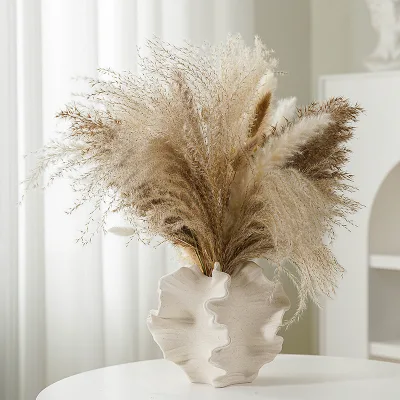


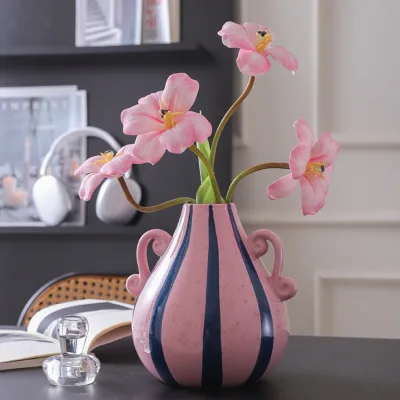
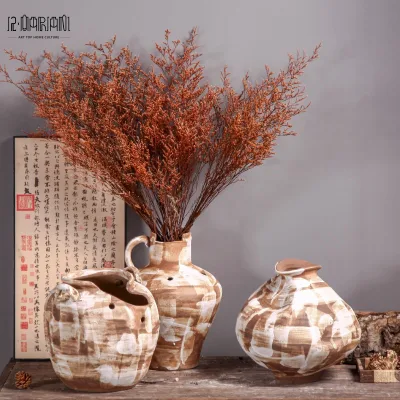
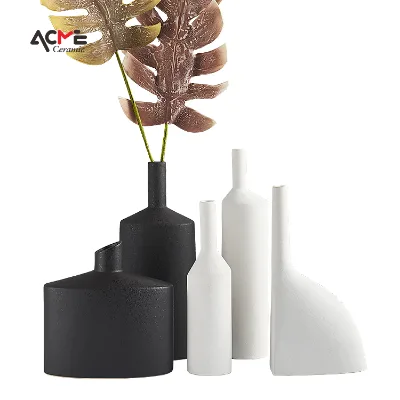
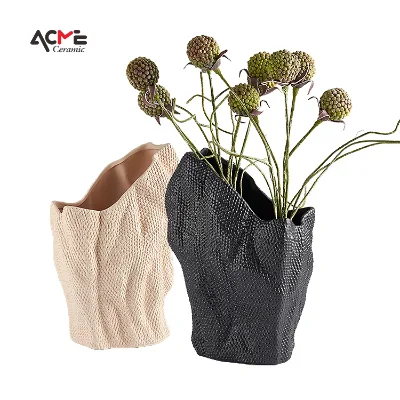
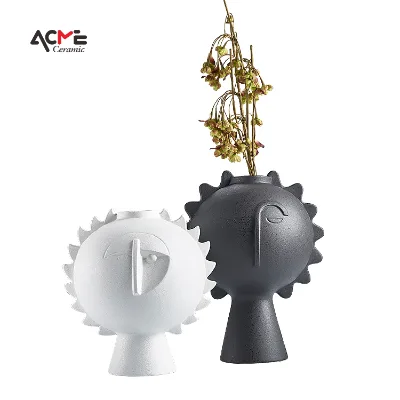
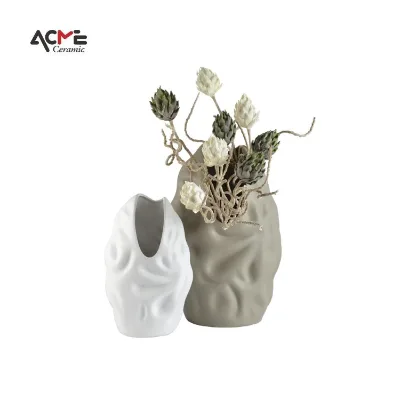


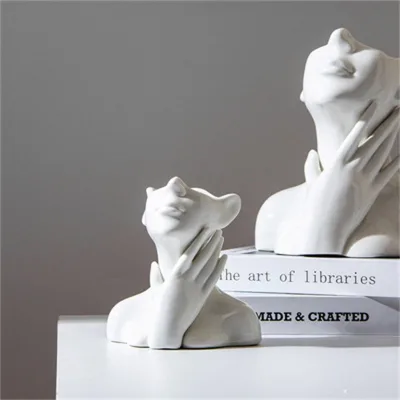
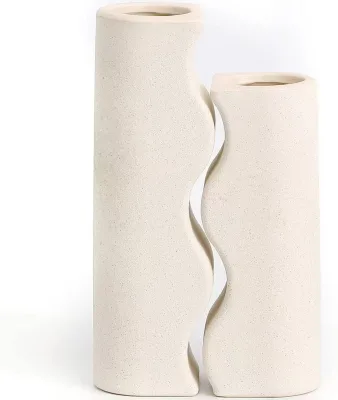

Modern Ceramic Art Vase Ceramic Hand Flower Vase Unique Gift Porcelain Vase
$1.00 - $3.00
MOQ: 3000 Pieces

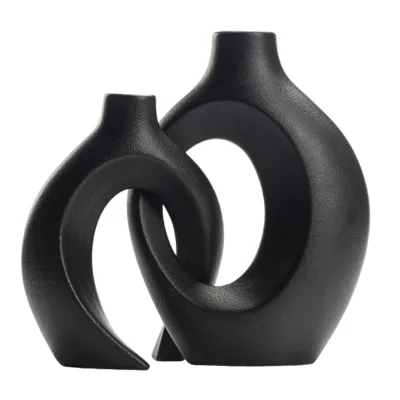
Black Decorative Vase Custom Color Ceramic Tall Vase Modern Flower Vase
$1.00 - $3.00
MOQ: 3000 Pieces

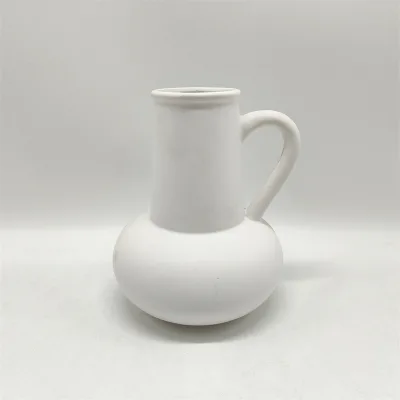
Round Ceramic Decorative Vase Custom Gift Flower Vase Modern Ceramic Vase
$1.00 - $3.00
MOQ: 3000 Pieces

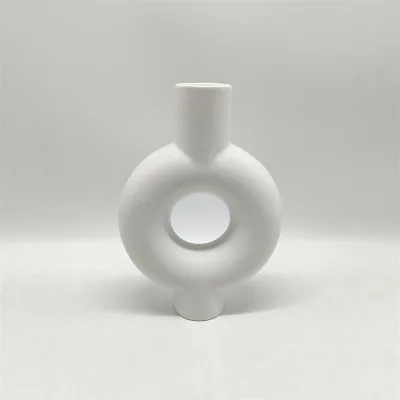
High Quality Modern Ceramic Vase Custom Decorative Ceramic Vase Minimalist Ceramic Flower Vase
$1.50 - $3.00
MOQ: 3000 Pieces


Comprehensive Sourcing Guide
Boho Traditional Ceramic Vase Sourcing Guide
Sourcing boho traditional ceramic vases requires a nuanced understanding of the intersection between artisanal aesthetics and industrial manufacturing capabilities. The term "boho" typically signals a relaxed, eclectic style often characterized by organic shapes, textured surfaces, and neutral or earthy color palettes, while "traditional ceramic" implies the use of clay bodies fired at high temperatures to achieve durability. Buyers must navigate a market where these descriptors are often used loosely in product listings, leading to potential mismatches between expected artisanal quality and mass-produced uniformity. The core challenge lies in verifying that the visual appeal of the boho style is not compromised by the efficiencies of large-scale production, ensuring that the final product retains the tactile and visual warmth associated with traditional craftsmanship.
This guide provides a structured approach to evaluating suppliers and products in this category, focusing on the specific attributes observed in current market listings. By examining product scope, technical specifications, compliance requirements, cost structures, supplier qualifications, and long-term procurement strategies, buyers can mitigate risks associated with aesthetic inconsistencies and supply chain delays. The following sections detail the critical verification steps and decision points necessary for securing a reliable supply of ceramic vases that meet both design intent and commercial viability.
Product Scope and Observed Listing Signals
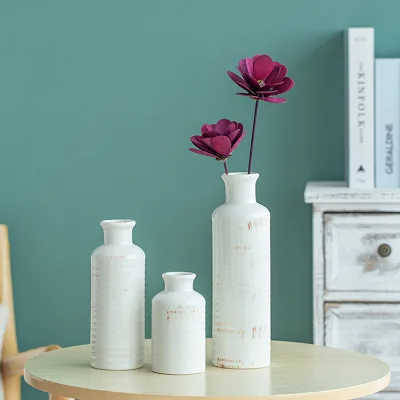
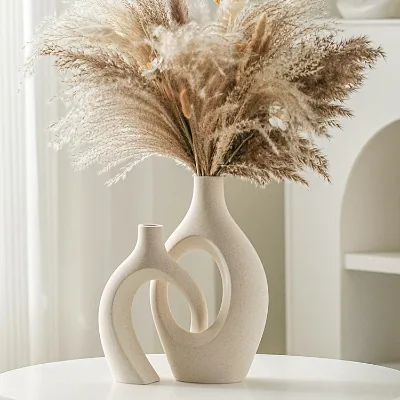
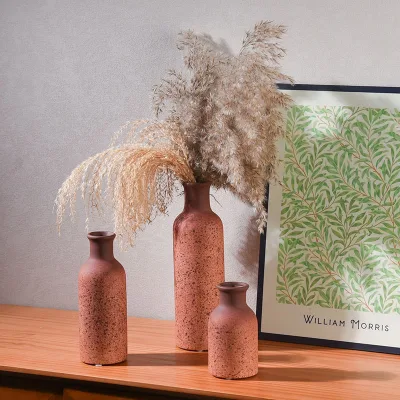
The current market landscape for boho ceramic vases reveals a diverse range of product offerings that vary significantly in design complexity, material composition, and intended use. Observed listings indicate a strong preference for minimalist and modern Nordic styles, with colors predominantly featuring white, black, and occasional blue accents. These aesthetic choices suggest a target market that values versatility and integration into contemporary home decor settings. The product names often include terms like "boho vase decor" or "white boho flower vase," highlighting the decorative function rather than just the utilitarian aspect of holding water or flowers. Buyers should note that while the term "boho" is prevalent, the actual designs may lean heavily towards modern geometric or simple curved forms, requiring careful visual inspection of supplier portfolios to ensure alignment with specific brand identities.
Further analysis of listing signals shows that customization is a key differentiator, with many suppliers offering options for custom shapes, sizes, and branding. This flexibility allows buyers to create unique product lines that stand out in competitive markets. However, the availability of customization often comes with higher minimum order quantities (MOQs) and longer lead times. For instance, some listings indicate MOQs as low as 24 pieces for standard items, while customized orders may require commitments of 300 to 1000 pieces or more. Additionally, the observed price range is broad, reflecting variations in material quality, glaze techniques, and production volume. Buyers must carefully assess whether the lower price points correspond to acceptable quality standards or if they indicate compromises in durability or finish.
Technical Specifications to Verify
Technical verification begins with the physical dimensions and structural integrity of the ceramic vases. Listings show a variety of sizes, from small decorative pieces measuring around 17x17 cm to larger items reaching 21.5 cm in height or diameter. It is crucial to verify the exact dimensions and tolerances, as even minor deviations can affect how the vases fit into existing packaging or display setups. The material composition is primarily identified as ceramics, with some listings specifying porcelain. Buyers should request detailed material specifications to understand the clay body type, firing temperature, and glaze composition, as these factors directly influence the vase's weight, durability, and resistance to thermal shock. The weight of individual units, observed to be around 1.08 kg for certain models, provides a baseline for logistics planning and cost estimation.
Surface decoration and finishing techniques are equally important technical aspects to verify. Many products feature glazed surfaces, with some specifying "on-glazed" techniques that enhance color vibrancy and durability. The style of the vases often includes hand-made elements, which can introduce natural variations in shape and texture. While these variations are often desirable for boho aesthetics, they must be managed within acceptable quality limits to ensure consistency across batches. Buyers should request samples to evaluate the quality of the glaze application, checking for defects such as pinholes, crawling, or uneven color distribution. Additionally, the packaging specifications, including carton box dimensions and gross weight per batch, are critical for calculating shipping costs and ensuring safe transit.
Compliance and Safety Documentation
Compliance with international safety and ethical standards is a non-negotiable aspect of sourcing ceramic tableware and home decor items. Listings indicate that some suppliers hold BSCI (Business Social Compliance Initiative) certification, which verifies adherence to labor standards and ethical manufacturing practices. Buyers should prioritize suppliers with such certifications to mitigate reputational risks and ensure that their supply chain aligns with corporate social responsibility goals. It is essential to request valid certification documents and verify their authenticity through the respective certification bodies. Additionally, buyers should inquire about other relevant certifications, such as FDA or LFGB compliance for food-contact surfaces, even if the primary use is decorative, as many ceramic vases may be used for serving or storing items.
Environmental and chemical safety standards are also critical, particularly regarding the glazes and coatings used on the vases. Buyers should verify that the products comply with regulations concerning lead and cadmium leaching, which are common concerns in ceramic manufacturing. Requesting test reports from accredited laboratories can provide assurance that the products meet safety thresholds for heavy metal migration. Furthermore, buyers should assess the supplier's environmental management practices, including waste disposal and energy consumption, to ensure alignment with sustainability objectives. Clear documentation of compliance not only protects the buyer from legal liabilities but also enhances the marketability of the products to end consumers who are increasingly conscious of ethical and environmental issues.
Cost Drivers and Commercial Terms
The cost of sourcing boho ceramic vases is influenced by several key drivers, including material costs, labor intensity, and production volume. Hand-made elements and complex glaze techniques can significantly increase production costs compared to mass-produced, machine-formed items. Buyers should analyze the cost structure to understand the impact of these factors on the final price. The observed MOQ ranges from 8 to 5000 pieces, with higher volumes typically resulting in lower unit costs due to economies of scale. However, smaller MOQs may be necessary for testing new designs or catering to niche markets, albeit at a premium price. Understanding the trade-off between volume discounts and inventory risk is essential for effective procurement planning.
Commercial terms, including lead times and payment conditions, also play a significant role in the total cost of ownership. Lead times for ceramic vases can vary widely, with some listings indicating delivery times of 7-30 days for standard items and up to 75 days for customized orders. Buyers must factor in these lead times when planning inventory replenishment and marketing campaigns to avoid stockouts or excess inventory. Payment terms, such as deposits and balance payments, should be negotiated to align with cash flow requirements and risk tolerance. Additionally, shipping costs and Incoterms, such as FOB Xiamen, should be clearly defined to avoid unexpected expenses. A comprehensive understanding of these commercial terms enables buyers to make informed decisions that balance cost efficiency with supply chain reliability.
Supplier Qualification and Quality Control
Supplier qualification is a critical step in ensuring the reliability and consistency of ceramic vase supplies. Buyers should conduct thorough due diligence on potential suppliers, assessing their manufacturing capabilities, quality control processes, and financial stability. Visiting the factory or engaging third-party inspection services can provide valuable insights into the production environment and operational efficiency. It is important to verify that the supplier has the necessary equipment and expertise to produce the desired designs, particularly for items with hand-made elements or complex glaze techniques. Suppliers with a proven track record of exporting to international markets may offer better compliance with quality and delivery standards.
Quality control measures should be established at every stage of the production process, from raw material inspection to final packaging. Buyers should define clear quality standards and acceptance criteria, including acceptable levels of variation in size, color, and surface finish. Regular inspections during production and before shipment can help identify and rectify defects early, reducing the risk of receiving non-conforming goods. Implementing a robust quality management system, such as ISO 9001, can further enhance consistency and reliability. Additionally, establishing a clear communication channel with the supplier for addressing quality issues and implementing corrective actions is essential for maintaining long-term partnerships and product quality.
Long-Term Procurement Checks
Long-term procurement success depends on continuous monitoring and evaluation of supplier performance and market trends. Buyers should establish key performance indicators (KPIs) to track metrics such as on-time delivery, defect rates, and responsiveness to issues. Regular performance reviews can help identify areas for improvement and reinforce accountability. Additionally, staying informed about changes in material costs, labor regulations, and consumer preferences is crucial for adapting procurement strategies. The boho decor market is dynamic, with trends evolving rapidly; buyers must remain agile to capitalize on emerging opportunities and mitigate risks.
Building a diversified supplier base can also enhance supply chain resilience. Relying on a single supplier increases vulnerability to disruptions, such as production delays or quality issues. By cultivating relationships with multiple suppliers, buyers can ensure continuity of supply and negotiate better terms. Furthermore, investing in collaborative relationships with suppliers, including joint product development and shared forecasting, can lead to innovations and cost savings. Long-term procurement checks should also include periodic audits of supplier compliance and ethical practices to ensure ongoing alignment with corporate values. By proactively managing these aspects, buyers can secure a stable and competitive supply of boho traditional ceramic vases.
FAQs
What materials are used for boho traditional ceramic vases?
These vases are primarily made of ceramics and porcelain. The surface decoration often features a glazed finish, and some items are hand-made to achieve a modern Nordic design style suitable for home decoration.
Which certifications do these ceramic vase manufacturers hold?
Some suppliers for these products hold BSCI certification. This indicates adherence to specific social compliance standards, which is a key factor when selecting reliable vendors for bulk orders of home decor items.
How long is the delivery time for these ceramic vases?
Delivery times typically range from 7 to 30 days for standard orders. However, specific production runs may require up to 75 days depending on the manufacturer's current capacity and the complexity of the customization requested.
Can I customize the size and shape of the boho vase?
Yes, customization is available for both size and shape. Buyers can request specific dimensions or unique forms, though some standard models come in fixed sizes like 17x17cm or 21.5cm with set packaging requirements.
What is the minimum order quantity for these vases?
Minimum order quantities vary by supplier, ranging from 24 pieces to 5000 pieces. Some vendors require orders in multiples of 12 items, while others set specific thresholds like 300 or 1000 pieces for production runs.
Where are these ceramic vases manufactured?
These products originate from various locations in China, including Jilin and Fujian provinces. Specific shipping ports like Xiamen are often used for export, ensuring safe packaging for international delivery to global markets.