Source Bottle Rack for storage, display, and organization
Compare 30 verified Bottle Rack options including metal and plastic models for living rooms, auto detailing, and vat storage. Buyers can review customization, dimensions, and packaging details from suppliers in China to find the right storage solution.
Key considerations
Products List


Water Bottle Rack U Type Quality Products Modern Design 5 Gallon Water Bottle Rack
$220.00 - $280.00
MOQ: 50 Pieces


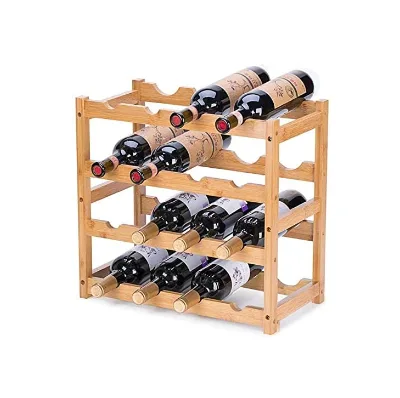


5 Gallon Water Bottle Storage Rack 19 Liter 3 Pocket Bottled Water Storage Racks
$260.00 - $280.00
MOQ: 10 Pieces


Water Bottle Rack Type Quality Products Standard Water Rack Plastic Water Rack for Supplier
$260.00 - $280.00
MOQ: 10 Pieces

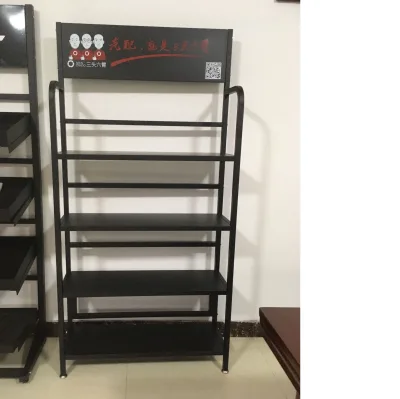


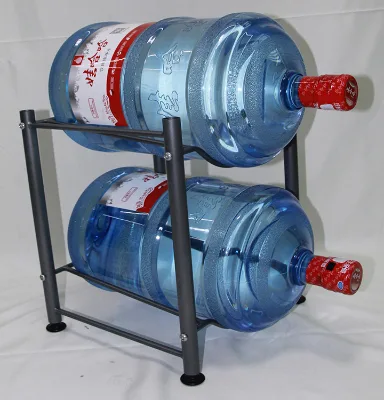

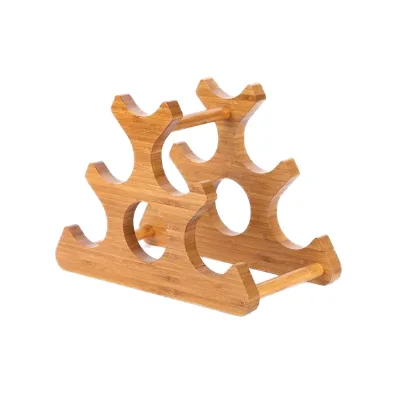
Comprehensive Sourcing Guide
Strategic Sourcing Guide for Bottle Rack Procurement
Navigating the global market for bottle racks requires a disciplined approach that distinguishes between generic storage solutions and specialized industrial or artistic units. The supply chain for these items is diverse, ranging from simple plastic organizers to heavy-duty steel structures designed for specific commercial applications. Buyers must carefully evaluate the technical specifications, material composition, and customization capabilities to ensure the selected product aligns with their operational needs. This guide provides a structured framework for sourcing bottle racks, focusing on verified product attributes and critical procurement considerations derived from current market data.
Technical Specifications and Material Composition
The foundation of a successful procurement strategy lies in understanding the precise technical specifications of the product. The market offers a wide spectrum of bottle racks, each defined by distinct material properties and dimensional constraints. A primary observation in the current supply landscape is the prevalence of metal-based constructions. Specifically, steel and iron are frequently cited as the core materials for heavy-duty units, offering the necessary structural integrity for high-load applications. For instance, specific industrial models are noted to have a load capacity of 2 tons, indicating their suitability for warehousing or large-scale storage environments. These units often feature a "Single Face" style and "4-Way" entry types, which are critical design elements for forklift accessibility in logistics settings.
In contrast, the consumer and retail sectors often utilize racks constructed from plastic and glass. These materials are typically associated with lighter applications, such as holding water bottles in living rooms, bedrooms, or dining areas. The dimensions for these units vary significantly; some models are fixed at specific measurements like 53cm or 425110335 mm, while others offer fully "Customized" sizing to fit unique spatial requirements. The number of layers is another vital specification, with three-layer configurations being a common standard for maximizing vertical storage efficiency. Buyers must verify the exact weight of the unit itself, as some steel models can weigh up to 13 kg, which impacts shipping costs and installation logistics. Furthermore, the "Type" of the rack can range from functional "Storage Tools" to "Artistic" designs intended for aesthetic display, requiring a clear distinction in the initial product search parameters.
Customization Capabilities and Design Flexibility
One of the most significant advantages in the Bottle Rack market is the extensive availability of customization options. Almost all suppliers in this category offer "Customized" products, allowing buyers to tailor dimensions, colors, and functional features to their specific brand or operational needs. The "Modern" style is a prevalent design trend, often paired with a "Black" color finish, though other color options may be available upon request. Customization extends beyond aesthetics to include branding elements. Suppliers frequently provide "Laser Cutting" services for logos, enabling companies to imprint their identity directly onto the metal or plastic surfaces. This feature is particularly valuable for corporate gifting or branded retail displays.
The "OEM" (Original Equipment Manufacturer) capability is a standard offering, meaning manufacturers can produce goods under the buyer's brand name. This is supported by the availability of "Customized Logo" services and flexible packaging solutions. While some units come in standard polybags or bulk storage, the option for "Customized Packing" allows for the integration of specific branding or protective measures required for delicate items. The "Standard" for these products is often listed as "customized," indicating that the manufacturing process is flexible enough to accommodate unique design requests rather than adhering to a rigid, pre-existing industrial standard. Buyers should explicitly confirm the scope of customization, including whether the mold costs are absorbed or passed on, and how long the lead time extends for non-standard designs.
Compliance, Certification, and Safety Standards
When evaluating bottle racks, particularly those intended for commercial or industrial use, compliance and safety standards are paramount. While the general market data does not explicitly list specific certification statuses for every product, buyers must proactively verify adherence to relevant safety and quality standards. For metal racks, the integrity of the welding and the quality of the steel are critical to preventing structural failure. In industrial settings, racks with a 2-ton load capacity must undergo rigorous stress testing to ensure they can safely support the intended weight without deformation.
The supply chain also includes products with specific functional certifications, such as "Anti-Static" properties, which are essential for applications involving sensitive electronics or volatile chemicals. Although general certifications like FSC or ISO 10855 are mentioned in broader industry contexts, their specific applicability to a given Bottle Rack must be confirmed on a case-by-case basis. Buyers should request test reports or certification documents from the supplier to validate claims regarding material safety, fire resistance, and load-bearing limits. For racks intended for food or beverage storage, such as those used in "Auto Detailing Cleaning" or "Vat Water Storage," verifying that the materials (plastic, glass, or steel) are food-grade or chemically resistant is a mandatory step. The "Condition" of the product is typically "New," but buyers must ensure that the manufacturing process maintains this standard throughout the supply chain, avoiding refurbished or used inventory unless explicitly stated.
Cost Drivers and Economic Considerations
The pricing of bottle racks is influenced by a complex interplay of factors, including material costs, customization levels, and order volume. The observed price range in the market is exceptionally broad, spanning from $1.72 to $6,000 USD. This variance reflects the difference between simple, mass-produced plastic units and large, custom-engineered steel structures. The "MOQ" (Minimum Order Quantity) is a significant cost driver, with observed ranges from 1 piece to 1,000 pieces, and in some industrial contexts, up to 10,000 pieces.
Buyers must understand that lower unit prices are often contingent on higher order volumes. For instance, a standard steel rack might have a high MOQ of 10,000 units to achieve the most competitive pricing, whereas a custom plastic organizer might be available for a single unit at a higher per-piece cost. The "Advantages" of using durable materials like steel iron often justify a higher initial investment, as these units offer a longer lifespan and reduced replacement frequency. Additionally, the cost of customization, such as laser-cut logos or unique packaging, will add to the base price. Buyers should also consider the "Samples" availability, which can be provided within 3 days, allowing for cost-effective prototyping before committing to a large production run. The origin of the product, primarily from China (including regions like Anhui and Hebei), influences logistics costs and lead times, which must be factored into the total cost of ownership.
Supplier Evaluation and Quality Assurance
Selecting the right supplier requires a thorough evaluation of their capabilities, reliability, and quality control processes. The market is populated by suppliers who offer "Durable Materials" and a range of "Application Scenarios," from residential living rooms to industrial warehouses. A key indicator of a reliable supplier is their ability to provide detailed product specifications, including exact dimensions, material composition, and load capacities. Buyers should verify the "prod_origin" to ensure the manufacturing location aligns with their sourcing strategy, as regional differences can impact quality and logistics.
Quality assurance should be a central component of the supplier selection process. Buyers must inquire about the supplier's internal quality control measures, including material inspection, welding integrity checks, and final product testing. For racks with specific functional requirements, such as "Anti-Static" properties or "Storage" capabilities in specific environments, the supplier should be able to provide evidence of these features through test results or certification. The "Packing" method is also a critical quality indicator; options range from "Each Packed in a Polybag" to "Carton/Customized Packing" and "Export Packaging." Proper packaging ensures that the product arrives in "New" condition, free from damage during transit. Buyers should also assess the supplier's responsiveness and their ability to handle "Customized" orders, as this often reflects their overall operational flexibility and commitment to customer service.
Long-Term Procurement and Operational Integration
Sourcing bottle racks is not merely a transactional purchase but a strategic decision that impacts long-term operational efficiency. The "Function" of the rack, whether it serves as a "Storage Tool" or a "Display" unit, must align with the buyer's workflow. For example, racks designed for "Auto Detailing Cleaning" require specific durability and chemical resistance, while those for "Living Room" use prioritize aesthetics and ease of assembly. The "Entry Type" and "Style" of the rack must be compatible with the existing infrastructure of the facility. A "Single Face" rack with "4-Way" entry is ideal for high-throughput warehouses, whereas a "Modern" style rack might be better suited for retail environments.
Buyers should also consider the scalability of their procurement strategy. As business needs evolve, the ability to order additional units or customize new designs becomes crucial. Suppliers that offer "Customized" solutions and flexible MOQs provide the agility needed to adapt to changing market demands. Furthermore, the "Weight" and "Dimensions" of the rack must be considered in the context of the facility's layout and storage capacity. A rack weighing 13 kg may require specific handling equipment, while a 2-ton capacity unit necessitates a reinforced floor. By carefully analyzing these long-term factors, buyers can ensure that their investment in bottle racks delivers sustained value and operational benefits over time.
Comparative Analysis of Product Attributes
To facilitate informed decision-making, the following table summarizes the key attributes observed in the market, highlighting the diversity of available options. This comparison aids buyers in matching specific product characteristics to their unique requirements.
| Attribute Category | Industrial/Heavy-Duty Options | Consumer/Retail Options | Customization & Special Features |
|---|---|---|---|
| Primary Material | Steel, Iron | Plastic, Glass | Metal, Custom Materials |
| Load Capacity | Up to 2T | Low (Residential) | Customizable |
| Dimensions | 1000x600x300mm, 425110335mm | 53cm, Customized | Fully Customized |
| Style | Single Face, Modern | Modern, Artistic | Customized Logo, Color |
| Application | Auto Detailing, Vat Storage, Warehousing | Living Room, Bedroom, Dining Room | OEM, Display, Storage |
| MOQ Range | 10,000 pcs (High Volume) | 1 pcs (Low Volume) | 1-1000 pcs |
| Packaging | Bulk Storage, Export Packaging | Polybag, Bubble Bag | Customized Packing |
| Special Features | Anti-Static, 4-Way Entry | Three Layers, Storage | Laser Cutting, OEM |
This structured overview underscores the necessity of precise specification matching. Whether the requirement is for a high-capacity industrial solution or a stylish residential organizer, the market offers a tailored fit. By adhering to the principles of evidence-based sourcing and rigorous supplier evaluation, buyers can secure bottle racks that meet their exacting standards for quality, performance, and cost-effectiveness.
FAQs
Can I customize the logo on a metal Bottle Rack?
Yes, suppliers offer laser cutting services for customized logos on metal racks. This feature allows companies to imprint their identity directly onto steel or iron surfaces for branding purposes.
What is the minimum order quantity for steel bottle racks?
The minimum order quantity varies significantly, ranging from 1 piece for custom plastic units to 10,000 pieces for industrial steel models. Buyers must verify the specific MOQ required for their chosen material and design.
Which materials are commonly used for heavy-duty bottle racks?
Steel and iron are the primary materials used for heavy-duty industrial bottle racks. These metals provide the structural integrity needed for high-load applications, such as units with a 2-ton capacity.
How long does it take to receive samples for a Bottle Rack?
Samples can typically be provided within 3 days for most suppliers. This allows buyers to quickly evaluate product quality and specifications before committing to a larger production run.
What is the price range for sourcing bottle racks?
The observed price range spans from 1.72 to 6000 USD depending on the product type. Simple plastic organizers are at the lower end, while large custom-engineered steel structures command higher prices.
Can bottle racks be customized for specific storage dimensions?
Yes, many suppliers offer fully customized sizing to fit unique spatial requirements. Some models have fixed dimensions like 53cm, while others allow for tailored measurements to match specific storage needs.
What packaging options are available for Bottle Rack shipments?
Packaging options include polybags, cartons, bulk storage, and customized export packaging. Buyers can select standard methods or request specific branding and protective measures for delicate items during transit.