Source Commercial Soundproof Pet Dryer for Grooming Salons, Shelters, and Mobile Units
Source a Commercial Soundproof Pet Dryer for professional grooming environments with 30 available options. Buyers can compare specifications like power, noise levels, and temperature ranges to find suitable units for dogs, cats, and small animals.
Key considerations
Products List
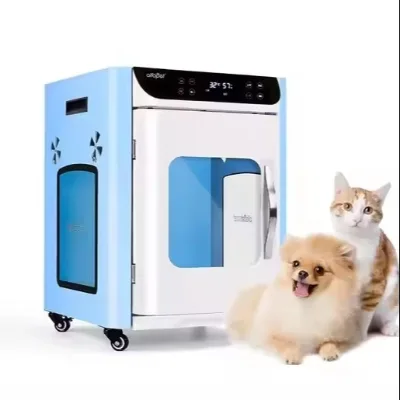
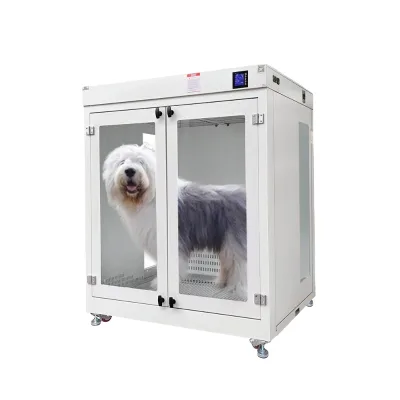


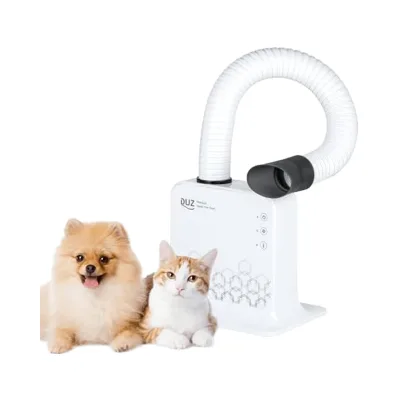
Soundproofing High-Efficiency Dog Dryer for Commercial Pet Grooming Needs
$1300.00 - $1400.00
MOQ: 2 Pieces

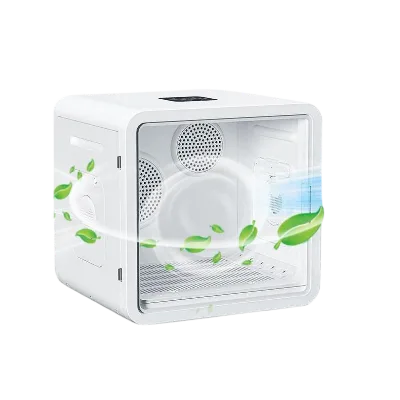
Commercial High-Efficiency Pet Dryer with Soundproofing for Medium-Sized Pets
$1300.00 - $1400.00
MOQ: 2 Pieces


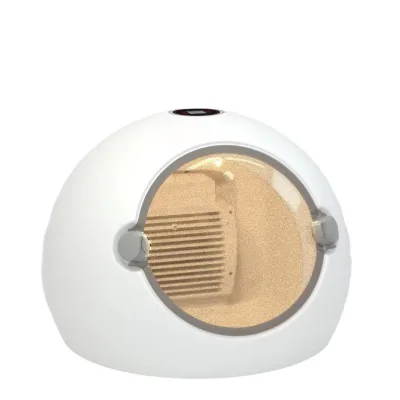
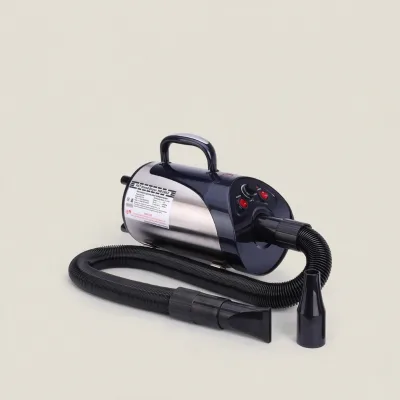




Comprehensive Sourcing Guide
Strategic Sourcing Guide for Commercial Soundproof Pet Dryers
Understanding the Technical Landscape of Commercial Pet Drying Equipment
When sourcing commercial-grade pet drying equipment, buyers must navigate a complex array of technical specifications that distinguish professional units from consumer-grade alternatives. The core keyword "Commercial Soundproof Pet Dryer" implies a device designed for high-volume grooming salons, veterinary clinics, and mobile grooming operations where noise reduction and consistent airflow are paramount. Based on available product data, the market presents a diverse range of specifications that require careful verification against operational needs.
A critical observation in the current market is the variance in power ratings. While some units in the observed dataset are listed with power outputs as high as 4850W, others operate within a range of 950-1950W, and specific models are rated at 1000W. This significant disparity suggests that "commercial" status is not defined by a single wattage threshold but rather by the engineering of the motor and the efficiency of the airflow system. Buyers should prioritize units that offer a wind speed flow of approximately 4500m³/h, as this metric is a more reliable indicator of drying efficiency than raw power consumption alone.
Temperature control is another vital technical parameter. The data indicates that operational temperature ranges vary between 24°C-39°C, 27-39°C, and 32°C-42°C. For commercial applications, the ability to maintain a stable temperature within the 32°C-42°C range is often preferred to ensure the comfort of the animal while effectively drying the coat without causing thermal stress. However, the presence of lower temperature ranges suggests that some units may be designed for specific breeds or delicate coats. It is essential to verify that the heating element is robust enough to sustain these temperatures over the typical drying time of 30-120 minutes without fluctuation.
The physical dimensions of the dryer also play a role in commercial suitability. Observed external sizes include dimensions of 13083108(WDH) and internal sizes of 1185675(WDH). These measurements indicate a substantial footprint, which is typical for commercial units that require larger air intake and exhaust systems to manage heat dissipation and airflow volume. The weight of these units is equally significant; with observed net weights reaching 170kg, buyers must consider the logistics of installation and mobility. While some models are described as "small/medium" or "Medium" size, the heavy net weight suggests that these are stationary or semi-stationary units rather than handheld devices.
Compliance and Certification Verification Protocols
In the commercial grooming sector, compliance with safety standards and quality certifications is non-negotiable. The procurement process must rigorously verify that the equipment meets the necessary regulatory requirements for both electrical safety and medical-grade device classification, if applicable. The provided data highlights specific certifications such as CE and ISO 13485. The CE marking indicates conformity with health, safety, and environmental protection standards for products sold within the European Economic Area, while ISO 13485 is a specific standard for medical devices, suggesting that some of these drying units may be classified or utilized in clinical veterinary settings.
Buyers must treat the "Instrument classification: Class I" designation with care. Class I instruments generally require basic insulation and a protective earth connection. This classification implies that the dryer relies on the building's grounding system for safety. In a commercial environment with high humidity and water usage, verifying that the grounding system is robust and that the unit includes appropriate residual current devices (RCDs) is a critical safety step. The presence of a "Safety standard: ISO 13485" further reinforces the need for a rigorous quality management system in the manufacturing process, ensuring that the device is built to withstand the rigors of daily professional use.
While the data lists "Quality Certification: CE" and mentions "RoHS" in the background context, buyers should not assume that every unit in a supplier's catalog possesses these certifications. The "Low-confidence background" section explicitly notes that RoHS is a background fact that should not be used for concrete claims. Therefore, procurement teams must request valid, up-to-date certification documents for each specific model being considered. The verification process should include checking the certificate number against the issuing body's database to ensure authenticity.
Additionally, the "Product name: Pet Hair Dryer" and "Type: Dander Remover Sprays" labels in the data present a potential confusion point. Buyers must ensure that the product they are purchasing is indeed a dryer and not a spray application device, despite the overlapping category tags. The "Grooming Products Type: Grooming Tools" and "Cleaning Products Type: Body Brush" tags further illustrate the need for precise SKU verification. A commercial soundproof dryer should not be confused with a grooming brush or a spray system. The "Instrument classification" and "Safety standard" tags are the most reliable indicators of a dryer's regulatory standing.
Cost Drivers and Pricing Structure Analysis
The pricing landscape for commercial pet dryers is influenced by a multitude of factors, including power output, material composition, and the level of noise reduction technology employed. The observed listed price range in the market spans from $41.36 to $35,000. This vast disparity indicates that the market includes everything from basic entry-level units to highly specialized, industrial-grade systems. The lower end of the spectrum likely corresponds to smaller, less powerful units with simpler construction, while the upper end represents heavy-duty commercial models with advanced soundproofing, high airflow capacity, and durable materials.
Material composition is a primary driver of cost. The data lists materials such as Iron, Copper, Rubber, Plastic, and Steel. Units constructed with a higher proportion of copper (for windings) and steel (for structural integrity) will inherently cost more than those relying heavily on plastic components. The "Net Weight: 170kg" observation suggests that some commercial units are built with heavy-duty steel frames, which contributes significantly to the manufacturing cost and the final price. Buyers should expect to pay a premium for units that utilize copper motors and steel housings, as these materials offer superior longevity and heat resistance.
The "Power Source" and "Voltage" specifications also impact pricing. Units operating on standard 220V power are generally more accessible, but those requiring specialized electrical configurations or offering dual voltage capabilities may command higher prices. The "Power Source: Electric" and "Power Source: Charge" entries suggest a mix of corded and potentially battery-operated models, though the high wattage figures (up to 4850W) strongly imply that most commercial units are corded. Battery-operated high-wattage dryers are rare and typically more expensive due to the cost of high-capacity battery packs.
Minimum Order Quantity (MOQ) is another critical cost factor. The observed MOQ range of 1-200 units allows for flexibility. Buyers seeking to equip a single salon can likely source a single unit, while those looking to outfit a chain of clinics may need to negotiate bulk pricing. The "Small Orders: Accepted" attribute confirms that the market is accessible to smaller buyers, but the "Selling Units: Single item" note suggests that pricing may be per unit rather than per batch. Buyers should be aware that while the MOQ is low, the unit price may not be the lowest available until a certain volume threshold is reached.
Typical Applications and Operational Scenarios
Commercial soundproof pet dryers are designed for a variety of high-volume applications where efficiency and animal welfare are paramount. The "Applicable Pet: Dogs, Cats, Small Animals" tag indicates versatility, but the heavy-duty nature of the equipment suggests it is best suited for professional grooming salons, veterinary hospitals, and mobile grooming vans. The "Drying time: 30-120 minutes" range highlights that these units are designed for thorough drying, which is essential for breeds with thick undercoats or double coats that require extended drying periods to prevent skin issues.
The "Style: Fashion, Simple" and "Color: White" or "Blue/Orange/White" options suggest that these units are designed to fit into modern grooming environments. The "Waterproof: Waterproof" attribute is particularly relevant for commercial settings where water splashes and spills are common. A waterproof unit reduces the risk of electrical hazards and extends the lifespan of the equipment in a wet environment. The "After-sale Service: Online Technical Support" and "Warranty: 1 Year" attributes are crucial for commercial buyers who cannot afford extended downtime.
The "Type: small/medium" and "Size: Medium" classifications suggest that these dryers are intended for use in standard-sized grooming stations. However, the "External Size: 13083108" dimensions indicate that they are substantial pieces of equipment. They are likely designed to be mounted or placed on a sturdy counter rather than being handheld. The "Wind speed flow: 4500m³/h" confirms that these units are capable of moving large volumes of air, making them suitable for drying large dogs or multiple animals in a shift.
The "Feature: Stocked" and "Feature: Stocked, Sustainable" tags imply that these units are readily available for immediate shipment, which is a significant advantage for businesses needing to replace broken equipment quickly. The "Sustainable" attribute may refer to energy-efficient motors or recyclable materials, which is an increasingly important consideration for modern businesses aiming to reduce their environmental footprint.
Supplier Evaluation and Selection Criteria
Selecting the right supplier for commercial pet dryers requires a thorough evaluation of their capabilities, reliability, and commitment to quality. The "Brand Name: OEM ODM" designation indicates that many suppliers operate as original equipment manufacturers or original design manufacturers, offering white-label solutions. This can be advantageous for buyers looking to brand the equipment as their own, but it also means that the buyer must conduct their own due diligence regarding the manufacturer's quality control processes.
The "Place of Origin: Shanghai, China" and "origin: China" tags confirm that the majority of these units are manufactured in China. While this offers competitive pricing, it necessitates a robust quality assurance strategy. Buyers should verify the supplier's experience in exporting to their specific region and their ability to navigate customs and logistics. The "Small Orders: Accepted" attribute suggests that suppliers are flexible, but buyers should still assess the supplier's capacity to handle larger orders if their business expands.
Supplier evaluation should also focus on the "After-sale Service: Online Technical Support" and "Warranty: 1 Year" provisions. A supplier that offers comprehensive technical support and a clear warranty policy is more likely to provide a reliable product. Buyers should inquire about the process for handling warranty claims, the availability of spare parts, and the response time for technical support. The "Customization: Available" attribute is another key factor; suppliers that offer customization can tailor the dryer to specific branding or functional requirements, adding value to the procurement.
Quality Control and Long-Term Procurement Considerations
Implementing a rigorous quality control (QC) process is essential for ensuring that the purchased commercial pet dryers meet the required standards. Buyers should request pre-shipment inspection reports that verify the "Safety standard: ISO 13485" compliance and the "Quality Certification: CE" status. The inspection should also check the physical dimensions, weight, and material composition to ensure they match the specifications provided. The "Net Weight: 170kg" and "External Size: 13083108" should be measured to confirm that the unit is built to the stated specifications.
Long-term procurement considerations include the "Shelf Life: 1years" and "Warranty: 1 Year" attributes. While a one-year warranty is standard, buyers should consider the long-term durability of the unit. The "Material: Iron, Copper, Rubber, Plastic, Steel" composition suggests that the unit is built to last, but the quality of these materials can vary. Buyers should prioritize suppliers who use high-grade copper and steel to ensure the motor and housing can withstand the rigors of daily commercial use.
The "Temperature: 32℃-42℃" and "Temperature Range: 24°-39°" specifications should be tested to ensure that the heating element maintains a consistent temperature over time. Fluctuations in temperature can damage the pet's coat and skin, leading to customer dissatisfaction. The "Noise: 65dB" rating is a critical factor for commercial soundproofing; buyers should verify that the actual noise level matches the specification, as high noise levels can cause stress to animals and discomfort to staff.
Finally, buyers should consider the "Power: 950-1950" and "Rated Power: 1000W" specifications in the context of their electrical infrastructure. Ensuring that the facility can support the power requirements of the dryers is essential to prevent electrical overloads and ensure safe operation. The "Power Source: Electric" and "Voltage: 220V" details should be cross-referenced with the local power grid to ensure compatibility. By addressing these quality control and long-term considerations, buyers can secure a reliable supply of commercial soundproof pet dryers that meet their operational needs.
Comparative Analysis of Key Product Attributes
To facilitate informed decision-making, the following table summarizes the key attributes observed in the market data, highlighting the variability that buyers must navigate.
| Attribute | Observed Range/Values | Procurement Implication |
|---|---|---|
| Power Output | 950W - 4850W | Higher wattage does not always equal better performance; verify airflow (m³/h). |
| Temperature | 24°C - 42°C | Ensure the unit maintains stable heat within the safe range for the specific pet breed. |
| Noise Level | 65dB | Verify this rating; lower noise is critical for animal comfort in commercial settings. |
| Material | Iron, Copper, Rubber, Plastic, Steel | Heavy materials (Steel, Iron) indicate durability but increase weight (up to 170kg). |
| Dimensions | 13083108 (Ext), 1185675 (Int) | Large footprint requires dedicated space; check for mounting options. |
| Certifications | CE, ISO 13485 | Essential for safety and compliance; verify current certificates for each model. |
| Warranty | 1 Year | Standard term; inquire about extension options and spare parts availability. |
| Origin | Shanghai, China | Verify supplier's export experience and logistics capabilities. |
This comparative analysis underscores the importance of detailed verification. The wide range in power and temperature specifications means that a "one-size-fits-all" approach is ineffective. Buyers must match the specific technical attributes of the dryer to the unique requirements of their grooming business, ensuring that the selected unit offers the optimal balance of performance, safety, and durability.
FAQs
What certifications do commercial pet dryers typically hold?
Many units hold CE quality certification and comply with ISO 13485 safety standards. Some models are classified as Class I instruments requiring basic insulation. Buyers must verify specific documents for each model as not all listed products share every certification.
How much power do these commercial drying units consume?
Power ratings vary significantly, ranging from 950 to 1950 watts up to 4850 watts for high-output models. Most units operate on 220V electric power sources. The wind speed flow is often around 4500m3/h, which is a better efficiency indicator than raw wattage alone.
Which temperature ranges are safe for pet drying?
Operational temperatures typically range between 24°C and 42°C depending on the specific model. Stable temperatures within the 32°C to 42°C range are preferred for animal comfort. Drying times can extend from 30 to 120 minutes to ensure thorough coat drying without thermal stress.
Can I find units with specific physical dimensions?
Yes, some commercial units feature external sizes of 130 by 83 by 108 centimeters. These substantial dimensions indicate stationary or semi-stationary designs suitable for professional salons. The net weight can reach 170kg, requiring careful consideration for installation and mobility logistics.
What materials are used in constructing these dryers?
Common construction materials include iron, copper, rubber, plastic, and steel. Units with copper motors and steel frames offer superior durability and heat resistance. Buyers should expect higher costs for models utilizing these heavy-duty materials compared to those relying heavily on plastic components.
How do I verify the minimum order quantity for purchase?
The observed minimum order quantity ranges from 1 to 200 units depending on the supplier. Small orders are generally accepted, allowing single-item purchases for individual salons. Bulk pricing may apply, but the selling unit is typically listed as a single item regardless of the MOQ.