Source Brass Basin Mixer Taps for Hotels, Homes, and Offices
Find and compare 30 Brass Basin Mixer options featuring deck-mounted designs with single or double handles. Evaluate specifications like ceramic cartridges, polished chrome finishes, and various certifications to select the ideal faucet for residential or commercial installations.
Key considerations
Products List


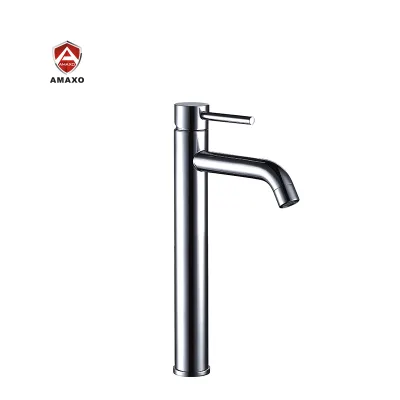


Fyeer Concealed Solid Brass Basin Mixer with Cross Handle Design in Chrome
$36.00 - $40.00
MOQ: 10 Pieces


Comprehensive Sourcing Guide
Brass Basin Mixer Sourcing Guide
The Brass Basin Mixer represents a critical fixture in commercial and residential plumbing, valued for its durability and thermal stability. Based on observed market data, these units are predominantly manufactured in regions like Taizhou, Zhejiang, and Guangdong, China, where supply chains for brass casting and finishing are well-established. Buyers should note that the core material is consistently identified as brass, often paired with zinc handles, creating a robust assembly designed for high-frequency use in common basins. The functional design varies between single and double handle configurations, allowing procurement teams to select units that match specific ergonomic requirements or aesthetic preferences for contemporary installations.
When evaluating listings, the observed price range spans from $0.50 to $81.69, reflecting significant variance in component quality, finish complexity, and included accessories. This wide spectrum necessitates a careful review of the Bill of Materials to ensure the brass body thickness and cartridge quality align with the intended application. The observed Minimum Order Quantity (MOQ) ranges from 1 to 3,000 units, offering flexibility for both small-scale renovations and large-scale hospitality projects. Procurement strategies must account for these commercial terms, as the unit price often correlates with the volume commitment and the specific customization options available, such as surface treatments or specialized packaging configurations.
Product Scope and Observed Listing Signals
The product scope for brass basin mixers encompasses a variety of structural designs, including deck-mounted units with either single or double hole configurations. Market observations indicate a strong preference for contemporary styling with polished chrome finishes, which provide a durable, silver-colored aesthetic suitable for modern interiors. The functional design is a primary differentiator, with some models featuring single handles for ease of operation while others utilize double handles for precise temperature control. Buyers must verify the specific installation type, as the deck-mounted requirement dictates the countertop preparation and plumbing alignment needed prior to delivery.
Listing signals often highlight specific accessories that define the completeness of the unit, such as the inclusion of stainless steel hoses with varying lengths like 35cm or 40cm. The presence of a pop-up mechanism is a critical signal, as observed data shows some models explicitly lack this feature, requiring a separate purchase or manual operation. Additionally, the aerator type, such as the Neoperl brand, serves as a quality indicator for water flow efficiency and splash reduction. Procurement teams should scrutinize the packing specifications, which typically list 12 pieces per carton, to accurately calculate shipping volumes and storage requirements for the project site.
Technical Specifications to Verify
Technical verification begins with the valve core material, which is frequently identified as ceramic or brass depending on the specific model. Ceramic cartridges are standard for their longevity and drip-free performance, while brass cartridges may offer different thermal characteristics. The weight of the unit is a tangible metric for quality assessment, with observed weights ranging from 900g to 1265g, suggesting variations in brass density and wall thickness. A heavier unit generally indicates a more substantial brass body, which contributes to better heat retention and resistance to physical stress during daily use.
The physical dimensions and finish details are equally critical for ensuring a seamless installation. The observed size specification of 35mm often refers to the spout or handle diameter, which must align with the basin's mounting holes. The surface treatment process, typically polished, results in a chrome finish that resists corrosion and maintains its luster over time. Buyers should also confirm the handle material, as zinc is commonly used for the lever mechanism, providing a balance of cost and structural integrity. Verifying the hose specifications, such as the 1/2" diameter and stainless steel construction, ensures compatibility with existing plumbing infrastructure and prevents leaks at the connection points.
Compliance and Safety Documentation
Compliance documentation is a non-negotiable aspect of sourcing brass basin mixers, particularly for projects in regulated markets. The observed certifications include CE, RoHS, and LFGB, which indicate adherence to European safety, environmental, and food contact standards. The CE mark confirms that the product meets EU health, safety, and environmental protection requirements, while RoHS restricts the use of specific hazardous materials in electrical and electronic equipment. For applications involving drinking water, the LFGB certification is essential, as it validates that the materials do not leach harmful substances into the water supply.
Additional standards such as ACS and WRAS may be present in specific listings, reflecting compliance with French and British water regulations respectively. The ISO9001 certification observed in some product data points to a manufacturer's commitment to quality management systems, ensuring consistent production standards. Buyers must request valid, up-to-date certificates for each batch to verify that the specific models ordered, such as the ZS41803 or 9423100BN, carry the necessary approvals. Relying on generic certification claims without batch-specific documentation poses a significant risk of non-compliance during final inspections or regulatory audits.
Cost Drivers and Commercial Terms
The cost of brass basin mixers is driven primarily by the raw material content, specifically the weight and purity of the brass used in the body. Heavier units, such as those weighing over 1,100g, command higher prices due to the increased material cost and the energy required for casting and machining. The finish quality, including the polishing and chrome plating process, also adds to the unit cost, as a superior finish requires more labor and higher-grade chemicals. Customization options, which are available in the market, further influence pricing, as bespoke designs or specific packaging requirements incur additional manufacturing setup fees.
Commercial terms are heavily influenced by the Minimum Order Quantity (MOQ), which can range from a single unit to 3,000 units. Higher volume orders typically unlock lower per-unit pricing, making the cost per piece a function of the total order size. The packing configuration, usually 12 pieces per carton, affects logistics costs, as the total number of cartons determines shipping volume and freight charges. Buyers should negotiate based on the total landed cost, considering that the observed price range of $0.50 to $81.69 reflects the interplay between material costs, customization, and order volume.
Supplier Qualification and Quality Control
Supplier qualification requires a rigorous assessment of the manufacturing location and production capabilities. The observed data points to major manufacturing hubs in Taizhou, Zhejiang, and Guangdong, China, where specialized clusters for brass fixtures exist. Buyers should verify the supplier's ability to maintain consistent quality across different models, such as the transition from single-handle to double-handle designs. The presence of specific certifications like CE, RoHS, and ISO9001 suggests a baseline level of operational maturity, but on-site audits or third-party inspections are recommended to validate these claims.
Quality control protocols must focus on the critical components identified in the product specifications, including the cartridge, hose, and finish. The ceramic cartridge is a key failure point, and suppliers should provide test results demonstrating leak-free performance and cycle life. The stainless steel hose and its connection points require pressure testing to ensure they can withstand the operating pressures of the building's water system. Additionally, the finish quality must be checked for uniformity and resistance to scratching or corrosion, as the polished chrome surface is a primary aesthetic driver for the end-user.
Long-Term Procurement Checks
Long-term procurement success depends on establishing a reliable supply chain that can maintain product consistency over time. Buyers should monitor the stability of the supply origin, ensuring that the production remains in the identified regions of Taizhou and Guangdong, as shifts in manufacturing location can impact quality and lead times. The availability of spare parts, such as replacement cartridges or hoses, is crucial for the lifecycle management of the installed fixtures. Procurement teams should verify that the supplier can provide consistent access to these components to minimize downtime during maintenance.
Performance tracking over the product lifecycle is essential to validate the initial quality assessments. Buyers should collect feedback on the durability of the chrome finish and the reliability of the ceramic cartridges in real-world conditions. The weight and material consistency of subsequent batches should be compared against the initial samples to detect any cost-cutting measures that might compromise quality. By maintaining a rigorous review process for certifications and technical specifications, procurement teams can ensure that the brass basin mixers continue to meet the required standards for safety, performance, and aesthetic appeal throughout their service life.
FAQs
What certifications do brass basin mixers typically have?
Brass basin mixers commonly hold CE, RoHS, and LFGB certifications. These standards ensure the product meets European safety and environmental requirements. Some models also carry ACS or WRAS approvals for water quality compliance. Buyers should verify specific certificates for their target market to ensure regulatory alignment and product safety.
Can brass basin mixers be customized for specific designs?
Yes, customization is available for many Brass Basin Mixer models. Manufacturers often allow adjustments to handle types, finishes, and packaging configurations. Buyers can request specific surface treatments like polished chrome or tailored packing quantities. This flexibility supports unique branding and functional requirements for diverse bathroom projects.
What is the typical weight of a Brass Basin Mixer?
The weight of brass basin mixers generally ranges from 900g to 1265g. Heavier units often indicate thicker brass bodies and higher material quality. For example, models like ZS64103A weigh 1265g, while ZS58603 weighs 900g. This variation helps buyers assess durability and material density when selecting fixtures for commercial or residential use.
Which cartridge types are used in brass basin mixers?
Brass basin mixers typically use ceramic or brass cartridges for valve cores. Ceramic cartridges are common for their durability and leak resistance. Some models specify brass cartridges for specific pressure requirements. The choice affects longevity and smoothness of operation, with ceramic being a standard for modern single or double handle designs.
Where are brass basin mixers typically manufactured?
Brass basin mixers are primarily manufactured in regions like Taizhou, Zhejiang, and Guangdong, China. These areas are known for established hardware production clusters. Buyers can source products directly from these origins to ensure supply chain transparency. The location often influences lead times and logistics costs for international orders.
What is the standard packaging for brass basin mixers?
Standard packaging for brass basin mixers is typically 12 pieces per carton. This quantity balances shipping efficiency with product protection. Some models may have specific packing requirements based on size or fragility. Buyers should confirm carton dimensions and weight to optimize freight costs and ensure safe delivery to the destination port.