Source Brandy Bottle Options for Daily Use and Beverage Storage
Explore 30 listings for Brandy Bottle solutions suitable for whisky, vodka, and brandy storage. Compare transparent and white glass options with capacities ranging from 350ml to 1750ml. Evaluate features like cork stoppers, square shapes, and FDA-certified materials for your packaging needs.
Key considerations
Products List


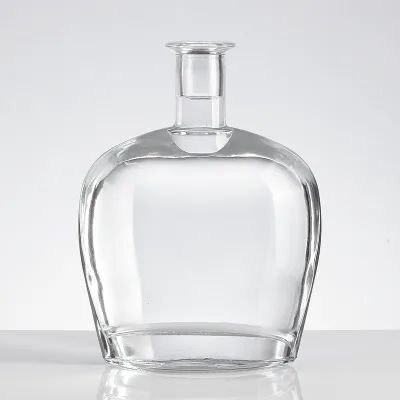


Glass Bottles 500ml Brandy Liquor Glass Caps Cork 750ml Square Glass Liquor Bottles
$0.25 - $0.50
MOQ: 6000 Pieces

Comprehensive Sourcing Guide
Brandy Bottle Sourcing Guide
Procuring brandy bottles requires distinguishing between specialized decanters and standard storage vessels, as the market offers distinct configurations for different usage scenarios. Buyers must verify whether the product is designed for direct consumption, such as a shaped bottle with a cork stopper, or for serving, like a glass decanter with a lid and wide base. The observed listings indicate a range of capacities from 350ml to 1750ml, necessitating a clear definition of volume requirements before engaging with suppliers.
The material composition and visual finish are equally critical, with options ranging from high-clear glass to ceramic and various color treatments including transparent, white, or custom hues. Sourcing decisions should account for the specific sealing mechanism, such as rubber or cork stoppers, which directly impacts the preservation of the spirit's aroma and flavor profile. Understanding these physical attributes ensures the selected vessel aligns with the intended application, whether for daily use, beverage service, or long-term aging.
Product Scope and Observed Listing Signals
The available inventory demonstrates a diverse scope, featuring glass bottles with capacities like 500ml and 750ml alongside larger decanters exceeding 1000ml. Listings highlight specific shapes such as square, horn-shaped, and shaped bottles, each serving different aesthetic and functional purposes in the brandy market. Buyers should note that some products are explicitly non-customized while others offer customization for logos and colors, requiring a precise assessment of branding needs.
Pricing signals in the observed range suggest significant variation based on material quality, volume, and finishing processes. The presence of pallet and carton packing options indicates that logistics planning must accommodate bulk shipping requirements, with minimum order quantities varying widely from 3,000 pieces to 300,000 units. Procurement teams must align their order volume with these MOQ thresholds to secure viable unit economics while ensuring the selected product matches the specific alcohol type, such as whisky, vodka, or brandy.
Technical Specifications to Verify
Technical due diligence must begin with the glass rank and clarity, as high-clear glass is often preferred for premium spirits to showcase color and viscosity. Buyers should confirm the specific model numbers, such as JN162 or JN165, to ensure consistency in dimensions and neck finishes across production batches. The sealing type, whether cork or rubber, requires verification against the intended storage duration, as different materials offer varying levels of airtightness and chemical resistance.
Capacity specifications must be cross-referenced with the actual liquid volume to prevent overfilling or underutilization of the vessel. Some listings specify capacities like 1750ml or 350ml, while others categorize ranges like 751-1000ml, demanding precise measurement protocols during the sampling phase. Additionally, features such as a wide base for stability or a long neck for easy handling should be validated through physical inspection to ensure they meet the operational demands of the end-user.
Compliance and Safety Documentation
Regulatory compliance is paramount when sourcing glass containers for beverage applications, particularly for spirits intended for international markets. The observed listings reference standards such as FDA, LFGB, and SGS, which are essential for verifying that the glass and sealing materials are safe for food contact. Buyers must request current test reports to confirm that the products meet these specific regulatory requirements before finalizing any purchase agreement.
Certification status extends beyond basic safety to include regional standards like EEC, Dgccrf, and CE/EU, which are critical for distribution in Europe. Documentation should explicitly state the material composition, ensuring that no harmful substances leach into the alcohol over time. Procurement teams should verify that the supplier maintains valid certificates for all listed standards, as the absence of these documents can lead to customs delays or product recalls in regulated markets.
Cost Drivers and Commercial Terms
Unit costs are heavily influenced by the complexity of the shape, the clarity of the glass, and the customization level of the final product. Custom colors and logos add significant value but also increase the per-unit price and minimum order requirements, as seen in listings offering customized logo acceptance. Buyers must balance the desire for unique branding against the higher MOQs and lead times associated with personalized production runs.
Commercial terms regarding packaging and shipping logistics play a vital role in the total landed cost of the procurement. Options like pallet-only, carton-only, or combined pallet-and-carton configurations affect both the efficiency of loading and the protection of goods during transit. Understanding the supplier's origin, whether Guangdong or Qingdao, helps in estimating freight costs and lead times, which are essential for accurate budgeting and inventory planning.
Supplier Qualification and Quality Control
Supplier qualification should focus on their ability to maintain consistent quality across large production runs, given the high MOQs observed in the market. Buyers must assess the supplier's track record for delivering products that meet the specified glass rank and sealing integrity, as defects in these areas can compromise the entire batch. Requesting samples is a critical step, as some suppliers provide them freely, allowing for a thorough evaluation of the physical product before committing to a large order.
Quality control processes must include checks for surface handling and structural integrity, ensuring that features like drip-free pouring and sediment filters function as advertised. The supplier's location in China suggests a need for rigorous pre-shipment inspections to verify that the final products match the agreed-upon specifications regarding color, shape, and capacity. Establishing a clear communication channel for defect reporting and resolution is essential for maintaining supply chain reliability.
Long-Term Procurement Checks
Sustainable procurement practices require verifying the recyclability of the materials used in the brandy bottles, as many listings highlight this feature as a key attribute. Buyers should ensure that the supplier adheres to environmental standards and that the packaging materials, such as cartons and pallets, are also eco-friendly or reusable. This consideration supports corporate sustainability goals and aligns with growing consumer demand for environmentally responsible products.
Long-term relationships depend on the supplier's ability to maintain consistent product availability and adapt to changing market demands. Regular audits of the production line and periodic re-verification of certifications ensure that the quality and compliance standards remain stable over time. Procurement teams should establish a schedule for reviewing supplier performance metrics, including lead times and defect rates, to mitigate risks and ensure a steady supply of high-quality brandy bottles.
FAQs
What materials are used for the Brandy Bottle options listed here?
The listings include glass bottles made from high-clear glass and a shaped ceramic bottle with a cork closure. Glass options emphasize transparency for daily beverage use, while the ceramic option suits liquid storage in a decorative white finish. Check each product page for the exact material before requesting samples, since material affects weight, decoration, and shipping cost.
What capacities are available for Brandy Bottle products?
Listed capacities include 350ml, 500ml, 750ml, and a large 1750ml glass bottle, so buyers can match volume to whisky, vodka, or brandy formats. Smaller sizes work well for samples and gift sets, while larger decanters suit home serving. Confirm the exact capacity on each listing and note that MOQ varies from 100 to 300000 pieces depending on the model.
Can Brandy Bottle products be customized with a logo or color?
Yes, customization is available on the listed products, and customized logos are acceptable. Color options include transparent, white, and custom color finishes depending on the model. Samples can be provided freely so you can verify the decoration quality before placing a bulk order. Discuss artwork files, printing methods, and any extra cost per unit with the supplier before confirming production.
Which closures are used on the Brandy Bottle listings?
The listed products use cork stoppers and rubber stoppers as sealing types, with a shaped or square bottle body depending on the model. Cork stoppers are common for whisky, vodka, and brandy presentation bottles. Choose the closure type based on how often the bottle will be opened, and confirm seal fit and leak performance through a sample before mass production.
What certifications do the Brandy Bottle products comply with?
Listed standards include SGS, FDA, and LFGB, and one product also cites FDA, EEC, DGCCRF, LFGB, CE / EU, and CIQ certification. These cover food-contact safety for beverage use in major markets. Always request current certificate copies and test reports for the specific bottle model you order, since compliance documents can differ between models and production batches.
How are Brandy Bottle orders packed for shipping?
Packing options include pallet, carton, or carton plus pallet, chosen by the supplier according to the bottle model and order size. Pallet packing protects glass during container shipping, while cartons suit mixed smaller orders. Confirm the packing configuration, carton quantity, and gross weight when requesting a quote, because packaging choices directly affect freight cost and breakage risk.
What is the typical MOQ for a Brandy Bottle order?
Observed MOQ values range from 100 pieces up to 300000 pieces across the listings, and one ceramic bottle model states an MOQ of 3000 pieces. Higher MOQs usually apply to custom-molded or fully customized bottles, while stock shapes accept lower quantities. Match the MOQ to your order volume and ask whether trial quantities are possible before committing to a production run.
Where are the Brandy Bottle products manufactured?
The listed products originate in China, with one model specifically noted as made in Guangdong and another linked to Qingdao. Both regions are established glass and ceramics production areas with export experience. Origin affects shipping ports, freight lead times, and factory visits, so confirm the exact production location and export arrangements with the supplier during initial discussions.