Source Bruce Design Mantus Anchor for Yacht Boat and Sailboat
Compare 30 listings for the Bruce Design Mantus Anchor suitable for yacht, boat, and sailboat applications. Buyers can evaluate materials like 316 stainless steel, surface treatments, and customization options from verified suppliers in Shandong.
Key considerations
Products List
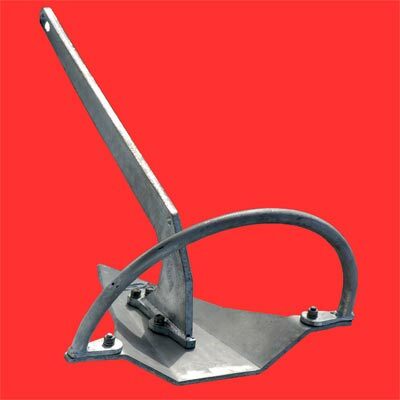


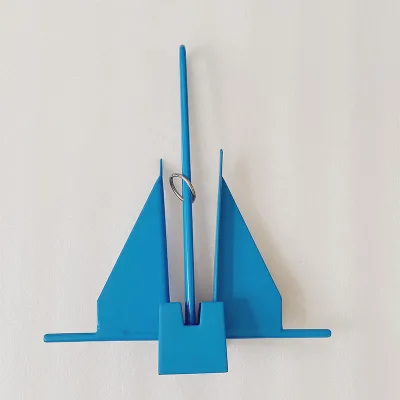

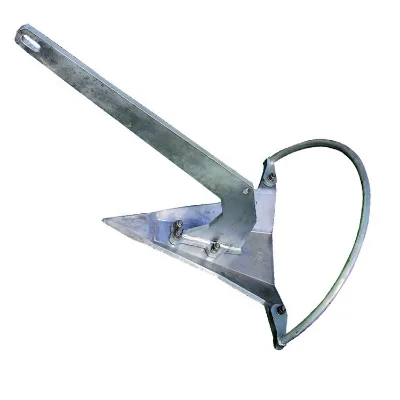


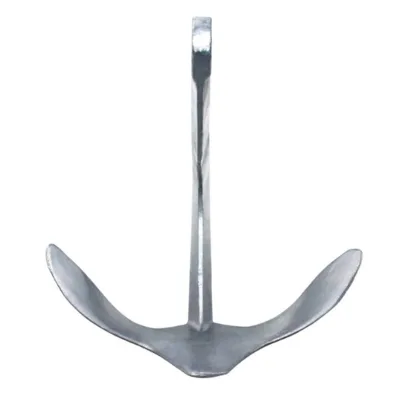
Comprehensive Sourcing Guide
Strategic Sourcing Guide for Bruce Design and Mantus Style Anchors
Understanding the Product Category and Design Characteristics
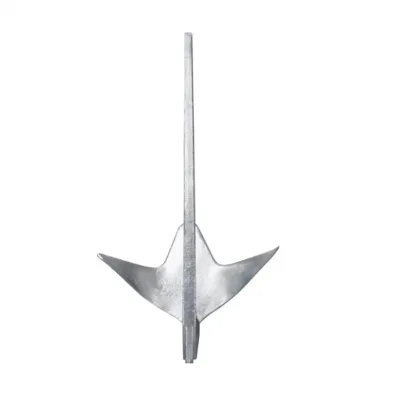
When sourcing marine hardware, specifically anchors described under the core keyword of "Bruce Design Mantus Anchor," buyers must navigate a complex landscape of terminology and design evolution. The term "Bruce" historically refers to a specific plow-style anchor design known for its ability to penetrate various seabeds, while "Mantus" represents a modern iteration of this concept, often featuring a more robust shank and a distinct fluke geometry optimized for high holding power in diverse conditions. The supplied product data indicates a convergence of these styles, with listings explicitly mentioning "Bruce Anchor," "Mantus Anchor," and "Rocna Anchor" as alternative names or design inspirations. This suggests that the market often groups these high-performance plow anchors under a single functional category, even if the specific geometric ratios vary between manufacturers.
The physical attributes observed in the current supply base reveal a product that is engineered for heavy-duty marine environments. The material composition is a critical differentiator, with the data specifying "316 Stainless Steel," "Galvanized Steel," and "Marine Grade Stainless Steel 316." This material selection is non-negotiable for saltwater applications, as 316 stainless steel offers superior corrosion resistance compared to standard 304 grades, which is essential for the "Marine Environment" and "Yacht, Boat" applications listed. The weight of these units is substantial, with observed specifications ranging from "1001 - 3000kg" for larger units, while other entries note sizes like "3.5lb" or "1kg-120kg," indicating a wide range of scales from small recreational craft to larger commercial vessels. The surface treatment is consistently described as "Sand Blasting+Mirror Polishing" or simply "Polished," a process that not only enhances aesthetic appeal but also reduces friction and prevents marine growth adhesion, which is vital for the "Function: Marine Grade" requirement.
Technical Specifications and Material Verification
Verifying the technical specifications of a Bruce or Mantus style anchor requires a rigorous examination of the material grade and dimensional tolerances. The supply data highlights "Aiss 316" and "Stainless Steel" as primary materials, alongside "Steel" and "Galvanized" options. Buyers must distinguish between these offerings based on their specific vessel's operational profile. For instance, while galvanized steel is a cost-effective solution for freshwater or short-term saltwater exposure, the "316 Stainless Steel" variant is the industry standard for long-term marine durability. The data also notes "Customized Size" as a standard offering, with specific models like "SH001-009" and weight classes ranging from "3.5lb" up to "120kg" or even heavier.
The manufacturing process plays a pivotal role in the structural integrity of these anchors. The observed production methods include "Welding" and "Precision Casting." Precision casting is generally preferred for complex geometries found in Mantus-style designs, as it allows for the creation of the specific fluke angles and shank curves required for optimal penetration. Conversely, welding may be used for assembling the shank and fluke in larger, heavier units. The "Craft" is further detailed as "Precision Casting" in some entries, suggesting a high level of manufacturing control. Buyers should verify that the "Surface Treatment" includes both sandblasting and mirror polishing, as this dual-process ensures a clean, uniform finish that is resistant to the corrosive elements of the "Marine Environment."
| Feature | Observed Specification | Sourcing Verification Requirement |
|---|---|---|
| Material | 316 Stainless Steel, Galvanized Steel | Request Mill Test Reports (MTR) for chemical composition. |
| Weight Range | 1kg - 120kg (Custom up to 3000kg) | Confirm weight tolerance and actual weight vs. nominal size. |
| Surface Finish | Sand Blasting + Mirror Polishing | Inspect for uniformity and absence of pitting or rough spots. |
| Design Style | Bruce, Mantus, Rocna, Claw | Verify fluke angle and shank curvature against design drawings. |
| Certification | LR (Lloyd's Register) | Validate certificate authenticity and scope of coverage. |
| Origin | Shandong, China (Mainland) | Confirm factory location and export compliance capabilities. |
Compliance, Certification, and Standard Adherence
In the marine industry, compliance is not merely a formality but a critical safety requirement. The supplied data explicitly lists "LR" (Lloyd's Register) as a certification available for these products. This is a significant indicator of quality, as LR certification implies that the anchor has undergone rigorous testing for holding power, structural integrity, and material quality according to marine classification society standards. However, the data also lists a broader range of standards including "ISO, JIS, ANSI, DIN, GB, ASTM." Buyers must be cautious here; while these standards are listed, the specific application of each to a given product must be verified. For example, "ASTM 514" is mentioned in the background context, but it is not explicitly confirmed as a current product standard in the high-confidence facts. Therefore, procurement teams should not assume a product meets ASTM 514 unless the specific manufacturer's documentation confirms it.
The "Standard" field also references "Threaded And Barbed Boat Thru Hull Fitting" in one entry, which appears to be a misclassification or a related accessory rather than the anchor itself. Buyers must ensure that the certification applies specifically to the anchor design (Bruce/Mantus) and not to ancillary hardware. The "prod_standard" field mentions "3.5LB," which likely refers to a specific model weight class rather than a regulatory standard. To ensure compliance, buyers should request the specific certificate number and verify it with the issuing body. The presence of "OEM Service" and "OEM ODM" indicates that suppliers are capable of customizing products to meet specific flag state or classification society requirements, which is essential for commercial vessels.
Cost Drivers and Pricing Dynamics
The pricing for Bruce and Mantus style anchors is influenced by several factors, primarily material costs, manufacturing complexity, and certification status. The observed price range in the market is vast, spanning from $0.1 to $1999 USD. This wide disparity reflects the difference between small, lightweight recreational anchors and heavy-duty, certified commercial units. The material cost is a primary driver; 316 Stainless Steel is significantly more expensive than galvanized steel due to the nickel and molybdenum content required for corrosion resistance. Furthermore, the "Precision Casting" process is more capital-intensive than simple welding, contributing to higher unit costs for cast anchors.
Certification also adds a premium to the price. An anchor certified by Lloyd's Register (LR) or other classification societies involves additional testing and quality control overhead, which is reflected in the higher end of the price spectrum. The "Customized Size" option allows buyers to tailor the anchor to their vessel, but customization often incurs additional tooling or setup costs. The "MOQ" (Minimum Order Quantity) ranges from 1 piece to 7500 pieces, indicating that small buyers can purchase single units, while large fleets or distributors can leverage bulk pricing. The "Delivery" time of 5-10 days suggests a relatively efficient supply chain, but buyers should verify if this lead time applies to stock items or requires production time for custom orders. The "Packaging Details," such as "Wooden box" or "Carton+Wooden Pallet," also factor into the final cost, especially for international shipping where wooden packaging must meet ISPM 15 standards.
Typical Applications and Operational Environments
The primary application for these anchors is clearly defined in the data as "Yacht, Boat," "Marine Parts & Accessories," and "Anchor for Boats." The "Use Environment" is specified as "Marine Environment, Home, Outdoor," though the "Home" designation likely refers to residential docks or private marinas rather than inland residential use. The "Function: Marine Grade" confirms that these products are engineered to withstand the harsh conditions of saltwater, including high humidity, salt spray, and potential impact with the seabed.
The versatility of the Bruce and Mantus designs makes them suitable for a wide range of vessel types. The "Claw Anchor" and "Bruce Anchor" styles are particularly effective in sandy, muddy, or weedy bottoms, which are common in coastal and offshore environments. The "3.5lb" to "120kg" weight range suggests suitability for everything from small dinghies to medium-sized sailboats and motor yachts. For larger vessels, the "1001 - 3000kg" weight class indicates heavy-duty applications for commercial ships or large superyachts. The "Customized Size" feature allows for precise matching of anchor weight to vessel displacement, ensuring optimal holding power without unnecessary weight that could affect the vessel's stability or handling.
Supplier Evaluation and Quality Control Protocols
Evaluating suppliers for Bruce and Mantus style anchors requires a focus on manufacturing capability and quality assurance. The data indicates that the "prod_origin" is "Shandong" and "Shandong China(Mainland)," a region known for its robust manufacturing base. Buyers should verify the specific factory location within this region to ensure they are dealing with a specialized marine hardware manufacturer rather than a general trading company. The "OEM" and "ODM" capabilities suggest that the supplier has the engineering capacity to produce custom designs, which is a positive indicator of technical competence.
Quality control should be a central part of the procurement process. Given the "Precision Casting" and "Welding" processes, buyers should request evidence of non-destructive testing (NDT) such as magnetic particle inspection or ultrasonic testing, especially for larger, heavier anchors. The "Surface Treatment" of "Sand Blasting+Mirror Polishing" should be inspected for consistency; any rough spots or uneven polishing can indicate poor quality control. The "Certificate: LR" is a strong indicator of quality, but buyers should also ask for internal quality control records, such as first-article inspection reports and batch testing results. The "Packaging" details, including "Wooden box" and "Carton+Wooden Pallet," should be inspected to ensure they provide adequate protection during transit, preventing damage to the polished surfaces.
Long-Term Procurement and Maintenance Considerations
Long-term procurement of marine anchors involves more than just the initial purchase; it requires a strategy for maintenance and replacement. The "316 Stainless Steel" material offers excellent longevity, but it is not immune to degradation. Buyers should plan for regular inspections to check for pitting, crevice corrosion, or stress cracks, particularly in the weld areas. The "Customized" nature of the product means that spare parts or replacement anchors may need to be ordered specifically, so maintaining a relationship with a supplier who can provide custom sizes is beneficial.
The "Delivery" time of 5-10 days is a significant advantage for emergency replacements, but buyers should also consider the "Lead Time" for custom orders, which may be longer. The "MOQ" of 1 piece allows for flexible purchasing, enabling buyers to replace a single lost anchor without committing to a large inventory. However, for fleet operators, establishing a standing order for standard sizes can streamline the procurement process. The "Service: OEM ODM" indicates that suppliers are willing to collaborate on long-term projects, which can be valuable for vessel owners looking to standardize their equipment across a fleet. Finally, the "Use" of the anchor in "Marine Environment" necessitates a proactive maintenance schedule, including rinsing with fresh water after saltwater exposure and periodic re-polishing to maintain the "Mirror Polished" finish and prevent marine growth.
FAQs
What materials are used for bruce design mantus anchors?
These anchors are manufactured using 316 Stainless Steel or Galvanized Steel to ensure marine durability. The material selection supports long-term use in saltwater environments while offering options for different budget requirements and corrosion resistance needs.
Can I get customized sizes for these marine anchors?
Yes, customized sizes are available to fit specific vessel requirements ranging from 1kg to 120kg or heavier. Buyers can request specific dimensions to match their yacht or boat needs while maintaining the structural integrity of the Bruce or Mantus design.
Which surface treatments are applied to these anchors?
The anchors undergo sand blasting followed by mirror polishing to achieve a high-quality finish. This dual process enhances corrosion resistance and reduces marine growth adhesion, ensuring the hardware remains functional and aesthetically pleasing in harsh marine environments.
How long is the delivery time for these anchors?
The standard delivery time is typically between 5 to 10 days for most orders. This lead time applies to stock items, though custom orders may require additional processing time depending on the specific size and certification requirements requested by the buyer.
What certifications are available for these marine anchors?
Lloyd's Register (LR) certification is available for these products to verify structural integrity and holding power. Additionally, the products adhere to various international standards including ISO, JIS, ANSI, DIN, GB, and ASTM for quality assurance and compliance.
Where are these anchors manufactured?
These anchors originate from Shandong, China, a region known for its robust manufacturing capabilities. The location supports efficient production and export logistics, ensuring timely delivery to international buyers seeking high-quality marine hardware solutions.
What is the minimum order quantity for these anchors?
The minimum order quantity can be as low as 1 piece for single item purchases. However, bulk orders may have different thresholds, with observed ranges extending up to 7500 pieces depending on the supplier and specific product configuration requested.