Source Brushless Alternator for Truck for PC650, PC1250, and Heavy Duty
Compare 30 Brushless Alternator for Truck options with varying current levels from 40A to 100A and models like HT012 and JFZ2312-1. These units feature copper wire, SKF bearings, and are available for replacement or repair in various truck applications; compare the available evidence and request quotations based on your requirements.
Key considerations
Products List








Comprehensive Sourcing Guide
Brushless Alternator for Truck Sourcing Guide
Sourcing a reliable Brushless Alternator for Truck applications requires a disciplined approach to technical verification and commercial due diligence. The market offers a diverse range of units, from compact 40A models to heavy-duty 100A+ variants, each tailored to specific vehicle architectures. Buyers must navigate this variety by focusing on core electrical parameters and mechanical fitment rather than generic marketing claims. This guide provides a structured framework for evaluating suppliers, ensuring that the selected alternator meets the rigorous demands of commercial transport operations.
The procurement process begins with a clear definition of operational requirements, including voltage stability, current output, and physical dimensions. Observed listings indicate a wide spectrum of capabilities, ranging from standard 12V systems to specialized high-current outputs for heavy machinery. Understanding these distinctions is critical for preventing mismatched installations that can lead to premature failure or electrical system instability. By adhering to a rigorous verification protocol, buyers can mitigate risks associated with quality inconsistencies and ensure long-term reliability in their fleet operations.
Product Scope and Observed Listing Signals
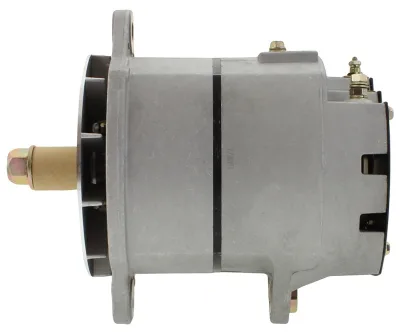
The current market landscape for brushless alternators includes a broad array of models, such as the HT012, JFZ2312-1, and KM208, each serving distinct power requirements. Listings reveal current levels spanning from 40A to 100A, with specific configurations like the 6.5-1000kVA unit indicating scalability for larger industrial or heavy-duty truck applications. These variations suggest that buyers must carefully match the alternator’s amperage rating to the vehicle’s electrical load to prevent underperformance or excessive strain on the engine. The presence of models with specific OEM numbers, such as 19011152, highlights the importance of cross-referencing part numbers to ensure compatibility with existing truck systems.
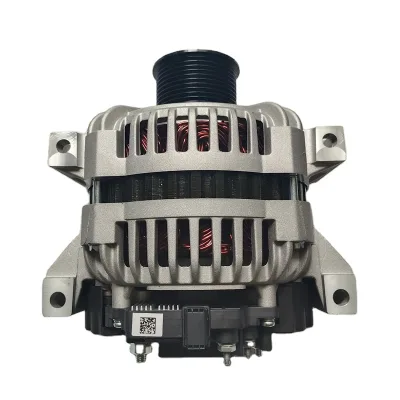
Physical and structural attributes also play a crucial role in product selection, with observed features including inner bonding for magnetic field windings and front head cover positions. These design elements influence heat dissipation, durability, and ease of installation, making them key factors in the evaluation process. Additionally, the use of copper wire and SKF bearings in some listings points to higher-tier construction standards that may justify premium pricing for critical applications. Buyers should verify these material specifications directly with suppliers, as not all listed products may share these high-quality attributes, and assumptions based on a single listing can lead to procurement errors.
Technical Specifications to Verify
Voltage regulation and current output are the primary technical metrics that must be validated before finalizing any purchase. The observed 12V standard is common, but buyers must confirm the exact voltage adjuster type, such as electronic regulators, to ensure stable power delivery under varying engine speeds. Current levels, ranging from 50A to 100A, require precise matching to the truck’s electrical demands, including auxiliary systems and lighting. Verifying the current level designation, such as 8(80~89A) or 5(50~59A), helps in selecting the appropriate unit for specific vehicle classes, ensuring that the alternator can sustain peak loads without overheating or failing.
Mechanical compatibility and mounting configurations are equally critical to avoid installation delays and operational downtime. Specifications such as pulley types, including the 2b85 variant, and model-specific dimensions like 252419cm, must be cross-checked against the truck’s engine bay and belt drive system. The structure type, identified as a magneto alternator in some listings, indicates a specific internal design that may affect performance characteristics. Buyers should request detailed dimensional drawings and mounting hole patterns from suppliers to ensure a seamless fit, particularly when sourcing replacement units for older or specialized truck models.
Compliance and Safety Documentation
While specific certification statuses like ISO 9001 or CE are mentioned in background data, buyers must independently verify the current compliance documentation for each supplier. These certifications indicate adherence to quality management systems and safety standards, which are essential for ensuring consistent product quality and regulatory compliance in international trade. Procurement teams should request valid, up-to-date certificates directly from the supplier, confirming that the manufacturing facility operates under recognized standards. This verification step is crucial for mitigating risks associated with non-compliant products that may fail to meet local regulatory requirements or insurance mandates.
Safety and performance documentation should also include test reports and warranty terms that guarantee the alternator’s reliability under operational stress. Buyers should inquire about the testing procedures used to validate current output, voltage stability, and thermal performance, ensuring that the product meets industry benchmarks. Additionally, understanding the warranty coverage and return policies is vital for managing potential defects or early failures. Clear documentation of these terms provides a safety net for the buyer, ensuring that any quality issues are addressed promptly without incurring additional costs or operational disruptions.
Cost Drivers and Commercial Terms
Pricing for brushless alternators varies significantly based on current output, material quality, and customization options, with observed ranges spanning from $1 to $10,000 USD. Higher current models, such as those rated at 100A, typically command higher prices due to increased material costs and complex manufacturing processes. Customization availability, as noted in some listings, can also impact pricing, as tailored solutions often require additional engineering and production setup. Buyers should request detailed quotes that break down costs by component and service, allowing for a transparent comparison of value across different suppliers and models.
Minimum order quantities (MOQ) and lead times are key commercial factors that influence procurement planning and inventory management. Observed MOQs range from 1 to 50 units, with some suppliers requiring higher volumes for specialized models, which can affect cash flow and storage requirements. Delivery times, such as the 25-30 day window noted in certain listings, must be factored into supply chain schedules to prevent stockouts or production delays. Buyers should negotiate flexible terms where possible, especially for urgent replacement needs, and consider the total cost of ownership, including shipping and handling, when evaluating supplier proposals.
Supplier Qualification and Quality Control
Evaluating supplier qualifications involves assessing their manufacturing capabilities, quality control processes, and track record in the automotive parts industry. Buyers should prioritize suppliers who offer OEM services and have a history of producing high-quality alternators for reputable brands. The presence of specific brand names, such as GJ, and quality descriptors like "High-Quality" in listings can serve as initial indicators, but direct verification of manufacturing standards is essential. Requesting samples for testing and reviewing customer references can provide valuable insights into the supplier’s reliability and product consistency.
Quality control measures should include rigorous inspection protocols for materials, assembly, and final testing before shipment. Buyers should inquire about the supplier’s defect rate and their procedures for handling non-conforming products. The use of premium components, such as SKF bearings and copper windings, should be verified through material certificates or factory audits. Establishing a clear quality agreement with the supplier, including acceptance criteria and rejection procedures, ensures that both parties have aligned expectations regarding product performance and durability, reducing the risk of receiving substandard goods.
Long-Term Procurement Checks
Establishing a long-term procurement strategy requires continuous monitoring of supplier performance and product reliability in real-world applications. Buyers should implement a feedback loop with their maintenance teams to track alternator lifespan, failure modes, and performance under various operating conditions. This data can inform future purchasing decisions, allowing for the refinement of technical specifications and the identification of preferred suppliers. Regular audits of supplier quality systems and periodic re-evaluation of product specifications ensure that the procurement process remains aligned with evolving industry standards and operational needs.
Building strong relationships with suppliers can lead to better pricing, priority service, and access to new product innovations. Buyers should engage in regular communication with their suppliers to discuss market trends, technological advancements, and potential supply chain risks. Collaborative planning for future needs, such as fleet expansions or model upgrades, can help secure favorable terms and ensure timely delivery of critical components. By maintaining a proactive approach to supplier management, buyers can enhance the resilience of their supply chain and optimize the total cost of ownership for their truck fleet’s electrical systems.
FAQs
What voltage and current levels are available for these alternators?
These brushless alternators operate at 12V with current levels ranging from 20 to 100 amps. Specific models support 40, 50, 80, and 100 amp outputs. Buyers can select units based on their specific power requirements for truck applications.
Can I request custom specifications for this alternator product?
Customization is available for many of the listed brushless alternator models. However, some specific items are marked as non-customized. Buyers should verify the customization status for each model number before placing an order to ensure compatibility.
Which bearing brands are used in these truck alternators?
The supplied product facts indicate that SKF bearings are used in these units. This component choice supports durability and performance for heavy-duty truck applications. Buyers seeking high-reliability parts will find this specification beneficial for long-term operation.
What is the typical lead time for delivery of these items?
The delivery time for these products is typically between 25 and 30 days. This timeframe applies to standard orders unless otherwise specified by the supplier. Buyers should plan their procurement schedules accordingly to avoid delays in their operations.
How are these alternators packaged for international shipping?
Packaging options include standard packing, plywood cases, and export cartons depending on the specific model. Some items use neutral packaging while others require robust protection. The choice of packaging ensures safe transport during global logistics operations.
What is the minimum order quantity for these alternators?
The minimum order quantity varies, with observed ranges from 1 to 50 units per order. Some specific models require a minimum of 50 pieces. Buyers should check the MOQ for their selected model to ensure they meet the supplier's purchasing requirements.
Which truck models are compatible with these alternator units?
These alternators are designed for applications including PC650 and PC1250 truck models. They serve as replacements or repairs for existing systems. Buyers should verify the specific model compatibility before installation to ensure proper fit and function.