Source Brushed Sueded Tear-Resistant Chenille Fabric for Sofa, Curtains, and Bedding
Explore 30 verified listings for brushed sueded tear-resistant chenille fabric suitable for sofa upholstery, curtains, and bedding. Buyers can compare specifications like weight, width, and material composition to find the right supplier for their textile needs.
Key considerations
Products List




Comprehensive Sourcing Guide
Strategic Sourcing Guide for Brushed Sueded Tear-Resistant Chenille Fabric
Understanding Technical Specifications and Material Composition
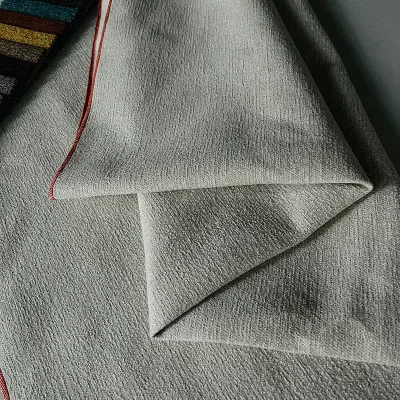
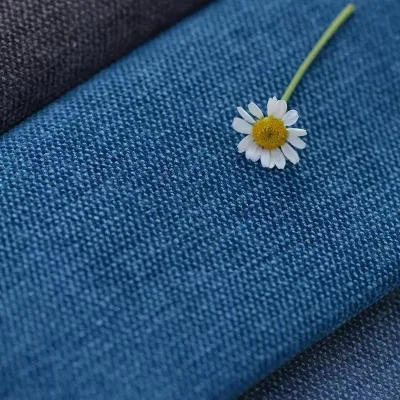
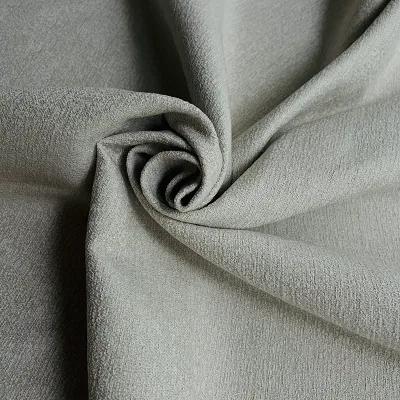
When sourcing brushed sueded tear-resistant chenille fabric, buyers must first establish a clear understanding of the technical baseline that defines this specific textile category. The core keyword implies a fabric that combines the soft, textured pile of chenille with a brushed sueded finish, engineered specifically for enhanced durability and resistance to tearing. Based on available product data, the material composition for these textiles is predominantly 100% polyester, though some variants may feature a customized blend of 80% polyester and 20% polyamide to achieve specific performance characteristics. This synthetic foundation is critical for ensuring the fabric meets the required strength metrics while maintaining the desired hand feel.
The physical specifications of the fabric vary by model, but several key parameters are consistent across high-quality offerings. The weight of the fabric is a primary indicator of its suitability for heavy-duty applications, with observed specifications indicating a minimum weight of ≥200g/m². This density contributes significantly to the tear-resistant properties required for end uses such as sofa upholstery and carpeting. The width of the material is typically standardized at 58/60 inches, which facilitates efficient cutting and pattern matching during the manufacturing process. Furthermore, the yarn count is a vital metric for quality assessment; data indicates yarn counts ranging from 100D to 144D, with higher counts often correlating to a finer, more uniform pile structure.
The production technique also plays a pivotal role in the final product's performance. The fabric is frequently manufactured using Tricot knitting techniques, a method that allows for the creation of the distinctive chenille structure. This process, combined with machine knitting, ensures a consistent loop formation that is subsequently brushed to create the sueded texture. The resulting fabric exhibits specific features such as stretch, which is essential for upholstery applications where the material must conform to complex furniture shapes without buckling. Additionally, the fabric is available in plain or solid patterns, though dyed options are also prevalent, allowing for extensive customization in color and design.
Compliance, Certification, and Quality Standards
Verifying compliance and certification is a non-negotiable step in the procurement of industrial textiles. For buyers sourcing brushed sueded tear-resistant chenille fabric, the presence of recognized quality management systems is a strong indicator of a supplier's reliability. Available data confirms that suppliers often hold certifications such as SGS and ISO9001-2000. These certifications validate that the manufacturing processes adhere to international standards for quality control, ensuring consistency in batch-to-batch production. While REACH compliance is a background consideration for European markets, buyers should explicitly request confirmation of this status if their target markets have strict chemical safety regulations.
Colorfastness and pilling resistance are critical performance metrics that must be verified through third-party testing. High-quality chenille fabrics in this category typically demonstrate a colorfastness grade of 4-5, indicating excellent resistance to fading from light, washing, or rubbing. Similarly, pilling resistance is rated at 4-5, which means the fabric is highly resistant to the formation of small balls of fiber on the surface, a common issue with softer, brushed fabrics. These metrics are not merely aesthetic; they directly impact the longevity and perceived value of the final product, whether it is a sofa cover or a set of bed sheets.
Buyers should also scrutinize the bursting strength of the fabric. Data indicates that robust variants of this fabric can withstand a bursting strength of up to 1000kpa. This mechanical property is essential for applications subject to high stress, such as children's toys or heavy-use carpets. When evaluating a potential supplier, procurement teams should request test reports that specifically cite these numerical values. Relying on general claims of "durability" without supporting test data can lead to significant quality issues in the final product. Furthermore, the supply type is often "Make to Order," which requires close coordination between the buyer and the supplier to ensure that the specific technical requirements are met before production begins.
Cost Drivers and Pricing Structures
The pricing of brushed sueded tear-resistant chenille fabric is influenced by a complex interplay of material costs, production complexity, and order volume. The observed price range for these textiles in the market is typically between 1 and 5 USD per unit, though this figure can fluctuate based on the specific model, customization level, and current raw material prices. Polyester, the primary raw material, is subject to global market volatility, which can impact the final cost. Additionally, the inclusion of polyamide in customized blends may introduce a slight premium due to the higher cost of the component and the specialized processing required.
Order volume is a significant determinant of the final unit price. Most suppliers operate with a Minimum Order Quantity (MOQ) ranging from 100 to 1000 meters per color. This range allows for flexibility, but buyers must be aware that orders falling below the standard MOQ may incur higher per-unit costs or require a discussion to negotiate terms. The supply ability of suppliers, often cited as 300,000 meters per month, suggests that large-scale orders can be fulfilled without significant delays, provided the order is placed within the standard lead time.
Lead time is another critical cost driver. The standard lead time for production is observed to be between 25 and 30 days. This duration accounts for the time required for dyeing, knitting, brushing, and quality inspection. Any requests for expedited shipping or custom specifications that deviate from standard offerings may extend this timeline, potentially impacting the overall project schedule and associated costs. Payment terms are also a factor in the financial structure of the deal, with common methods including T/T, L/C, and Dp at Sight. Buyers should negotiate terms that align with their cash flow needs while ensuring the supplier has sufficient security to commence production.
Typical Applications and End-Use Scenarios
The versatility of brushed sueded tear-resistant chenille fabric makes it suitable for a wide array of applications across multiple industries. The primary end-use categories include sofa upholstery, curtains, bedding, bed sheets, toys, and carpets. The combination of a soft hand feel, durability, and tear resistance makes it particularly ideal for furniture where both aesthetics and longevity are paramount. For sofa applications, the fabric's ability to withstand high stress and its resistance to pilling ensure that the furniture maintains its appearance over years of use.
In the home textile sector, the fabric is frequently used for bed sheets and curtains. The breathability and moisture-wicking properties, often listed as key features, contribute to a comfortable sleeping environment and effective light control in window treatments. The waterproof capability of certain variants adds an extra layer of protection, making the fabric suitable for environments where spills or moisture are a concern. For children's toys, the tear-resistant nature of the fabric is a critical safety feature, preventing the material from fraying or tearing under the rough handling typical of play.
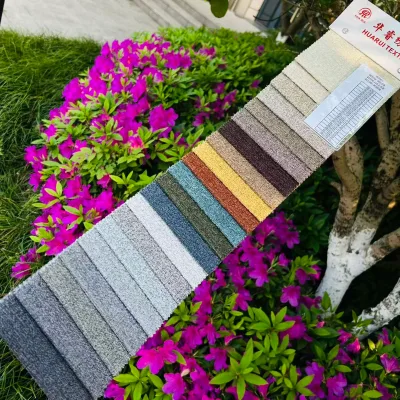
The automotive and interior design sectors also benefit from this material. The stretch and tear-resistant properties allow the fabric to be used in car seat covers and interior trim, where it must conform to complex shapes while resisting wear and tear. The availability of customization in color and pattern allows designers to match specific interior themes, while the standard plain and solid options provide a versatile base for mass production. When selecting the fabric for a specific application, buyers should consider the specific weight and width requirements to ensure the material performs optimally in its intended environment.
Supplier Evaluation and Production Capabilities
Evaluating a supplier for brushed sueded tear-resistant chenille fabric requires a comprehensive assessment of their production capabilities, location, and logistical infrastructure. The origin of the fabric is a key factor, with Haining City in Zhejiang Province, China, emerging as a significant hub for textile manufacturing. This region is known for its established supply chain and expertise in producing high-quality polyester fabrics. Buyers should verify the specific location of the supplier to ensure they are dealing with a manufacturer that has direct access to the raw materials and production facilities.
The supply type, often described as "Make to Order," indicates that the supplier is capable of customizing the fabric to meet specific buyer requirements. This flexibility is crucial for buyers who need unique colors, patterns, or specifications. However, it also necessitates a higher level of communication and coordination. Buyers should assess the supplier's ability to handle customization requests, including the availability of samples and the turnaround time for sample approval. The packing methods, which include poly bags, roll packages by sea or air, and plastic packages, should be evaluated to ensure they protect the fabric during transit and minimize damage.
Lead time and production capacity are also vital considerations. A supplier with a supply ability of 300,000 meters per month is well-positioned to handle large orders, but buyers must confirm that this capacity is available for their specific timeline. The standard lead time of 25-30 days should be factored into the overall project schedule. Additionally, the supplier's payment terms, such as T/T, L/C, or Dp at Sight, should be reviewed to ensure they align with the buyer's financial policies. A supplier that offers flexible payment options and has a proven track record of meeting deadlines is generally a more reliable partner.
Quality Control and Long-Term Procurement Strategy
Implementing a robust quality control (QC) strategy is essential for maintaining the integrity of the supply chain. Buyers should establish clear acceptance criteria based on the technical specifications observed in the market, such as colorfastness grade 4-5, pilling resistance 4-5, and bursting strength up to 1000kpa. Regular inspections during the production process and before shipment are necessary to ensure that the fabric meets these standards. Third-party inspection services, such as SGS, can provide an objective assessment of the product quality, adding an extra layer of assurance.
Long-term procurement considerations involve building a sustainable relationship with suppliers that can adapt to changing market demands. Buyers should focus on suppliers who offer customization options and have the capacity to scale production as needed. The ability to discuss MOQs, particularly for orders less than the standard 100 meters per color, can be a significant advantage for smaller buyers or those testing new product lines. Furthermore, maintaining open communication regarding lead times and potential delays can help mitigate risks and ensure timely delivery.
In conclusion, sourcing brushed sueded tear-resistant chenille fabric requires a meticulous approach that balances technical specifications, compliance, cost, and supplier reliability. By understanding the material composition, verifying certifications, and establishing clear quality control measures, buyers can secure a supply of high-quality fabric that meets the demands of their specific applications. The strategic selection of a supplier with the right production capabilities and logistical support will ultimately contribute to the success of the final product and the long-term satisfaction of the end consumer.
FAQs
What certifications do brushed sueded tear-resistant chenille fabric suppliers hold?
Suppliers typically hold SGS and ISO9001-2000 certifications to validate quality control. These credentials ensure manufacturing processes meet international standards for consistency and safety in industrial textile production.
How much is the minimum order quantity for this chenille fabric?
The standard minimum order quantity is 1000 meters per color for most models. Some vendors may discuss specific terms for orders below this threshold, but 100 meters is the absolute lower limit observed.
Which material composition is standard for brushed sueded tear-resistant chenille fabric?
The standard composition is 100% polyester, though customized blends of 80% polyester and 20% polyamide are available. This synthetic foundation ensures the fabric meets durability and tear-resistance requirements.
Can I customize the color and pattern of this chenille fabric?
Yes, customization is available for color and pattern to meet specific buyer requirements. Suppliers offer plain, solid, and dyed options, allowing for extensive design flexibility while maintaining the fabric's structural integrity.
What is the typical lead time for production of this fabric?
The standard lead time for production is between 25 and 30 days. This duration accounts for dyeing, knitting, brushing, and quality inspection processes required to meet the specified technical standards.
How is the brushed sueded tear-resistant chenille fabric packed for shipping?
The fabric is packed in poly bags or plastic packages and rolled for sea or air transport. Each roll typically measures 0.05 to 0.06 cubic meters, ensuring protection during transit.
What are the key performance metrics for colorfastness and pilling resistance?
High-quality variants achieve a colorfastness grade of 4-5 and a pilling resistance rating of 4-5. These metrics indicate excellent resistance to fading and surface balling, ensuring long-lasting aesthetic appeal.