Source Bulk Disposable Laundry Detergent Pods for homes, hotels, and laundromats
Compare 30 listings for Bulk Disposable Laundry Detergent Pods from verified Chinese manufacturers. Buyers can evaluate customization options, active ingredient content, supply capabilities, and packaging details for apparel washing needs across various room spaces including laundry rooms; compare the available evidence and request quotations based on your requirements.
Updated
Key considerations
Products List


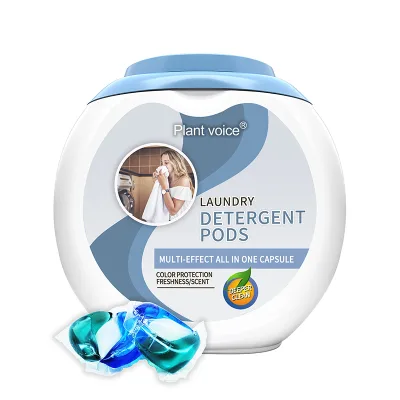
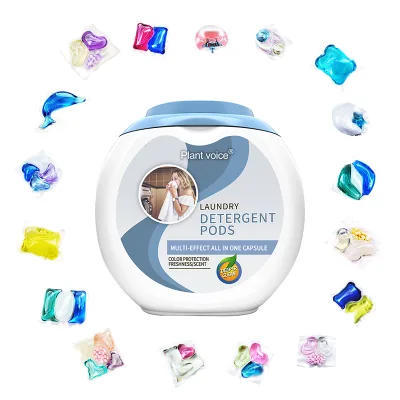
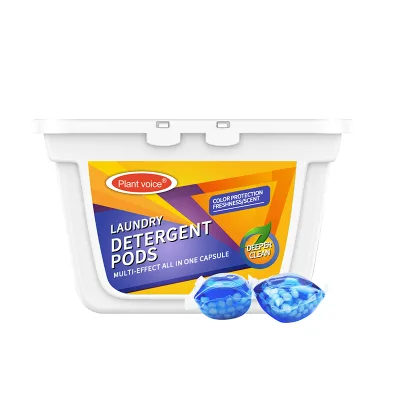
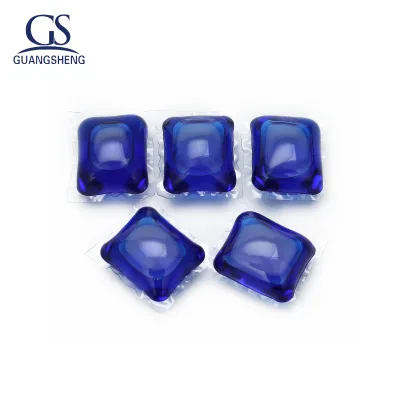
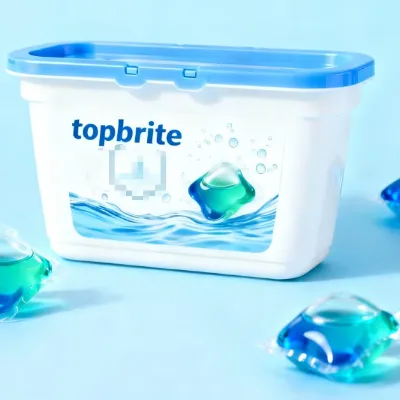
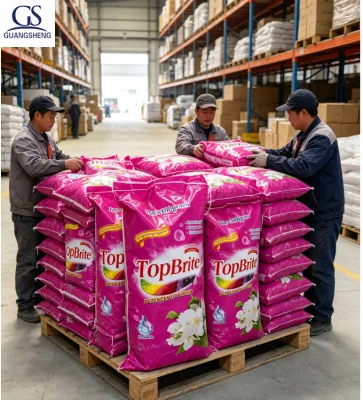


Powerful Eco-Friendly Laundry Pods Safe Convenient Fast Dissolving
$350.00 - $1000.00
MOQ: 25 metric ton
Hangzhou Miuge Chemical Commodities Science & Technology Co., Ltd.

All-in-1 Pods Washing Liquid Laundry Detergent Tablet Pods
$0.04 - $0.06
MOQ: 100000 Pieces
Hangzhou Miuge Chemical Commodities Science & Technology Co., Ltd.

Eco-Friendly Detergent Pods Designed for a Cleaner Planet and Future
$350.00 - $1000.00
MOQ: 25 metric ton
Hangzhou Miuge Chemical Commodities Science & Technology Co., Ltd.

Dissolvable Laundry Pods Washing Capsules for Machine Washing
$0.129 - $0.145
MOQ: 200000 Pieces
Hangzhou Miuge Chemical Commodities Science & Technology Co., Ltd.




Comprehensive Sourcing Guide
Bulk Disposable Laundry Detergent Pods Sourcing Guide
Sourcing Bulk Disposable Laundry Detergent Pods requires a strategic approach to balancing cost efficiency with product performance and safety. These concentrated cleaning units are designed for convenience, offering pre-measured doses that simplify the laundry process for end-users while reducing packaging waste compared to traditional liquid detergents. Buyers must navigate a market characterized by significant variability in formulation, packaging technology, and supplier capabilities. The core appeal lies in the ability to customize scent, color, and active ingredient concentration to meet specific regional preferences and regulatory requirements.
Procurement teams should prioritize suppliers who demonstrate robust manufacturing capabilities and transparent supply chain practices. The observed market indicates a wide range of product attributes, from low-foam formulations suitable for automatic machines to high-foam variants for hand washing. Understanding these distinctions is critical for aligning product selection with target market needs. Furthermore, the availability of OEM and ODM services allows brands to differentiate their offerings through private labeling, making supplier flexibility a key evaluation criterion during the sourcing process.
Product Scope and Observed Listing Signals
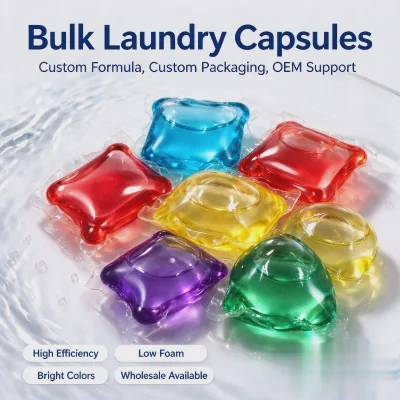
The current market landscape for bulk laundry pods reveals a diverse array of product configurations tailored to different consumer segments. Listings indicate that products are available in liquid gel forms with fruit, floral, or natural scents, catering to specific fragrance preferences. Buyers will encounter variations in active ingredient content, ranging from 15% to 80%, which directly impacts cleaning efficacy and cost structure. Additionally, color options are highly customizable, with suppliers offering blue, yellow, green, purple, pink, and white variants to support brand identity and product differentiation strategies.
Packaging and logistical attributes also vary significantly across suppliers, influencing total landed costs and storage requirements. Observed data shows single package sizes ranging from compact 10x10x10 cm units to larger 45x50x45 cm configurations, reflecting different bulk shipping strategies. The supply ability of major manufacturers can reach up to 500,000 pieces per day, indicating strong production capacity for large-volume orders. Buyers should note that products are often marketed with advantages such as fabric protection, easy rinsing, and deep cleaning capabilities, which serve as key selling points in competitive markets.
Technical Specifications to Verify
Verifying technical specifications is essential to ensure that the selected laundry pods meet performance expectations and compatibility requirements. Buyers must confirm the foam level, as products are categorized into low-foam or high-foam types, each suited for different washing machine technologies. The shape of the pod, typically gel-based, should be evaluated for stability and dissolution rate to prevent residue buildup in laundry machines. Additionally, the volume and weight of individual units, such as 500ml equivalents or 0.500 kg gross weights, must be aligned with labeling regulations and consumer usage patterns.
Active ingredient content is a critical technical parameter that influences both cleaning power and regulatory compliance. Suppliers may offer formulations with active ingredients ranging from 15% to 80%, requiring buyers to specify the desired concentration based on their target market's standards. The application method, whether for automatic machine washing or general detergency, must be clearly defined to avoid mismatches between product capabilities and user expectations. Buyers should also verify the single gross weight and package dimensions to optimize logistics planning and ensure accurate freight cost calculations.
Compliance and Safety Documentation
Compliance and safety documentation form the foundation of a responsible procurement strategy for household chemical products. Buyers must ensure that suppliers provide necessary safety data sheets and ingredient disclosures to meet regional regulatory requirements. The classification of these products as household chemicals or detergents necessitates adherence to specific labeling and packaging standards to prevent misuse and ensure consumer safety. Verification of eco-friendly claims is also important, as some listings highlight environmental benefits, which may require third-party certification or verified manufacturing practices.
Safety testing for child-resistant packaging and chemical stability is crucial for disposable laundry pods, given their attractive appearance and potential hazards. Buyers should request test results demonstrating the integrity of the water-soluble film and the non-toxic nature of the gel contents. Additionally, compliance with local import regulations regarding chemical imports must be confirmed, including any restrictions on specific fragrance components or active ingredients. Establishing a clear audit trail for compliance documentation helps mitigate legal risks and ensures that products can be legally sold and distributed in the target market.
Cost Drivers and Commercial Terms
Cost drivers for bulk laundry detergent pods include raw material prices, active ingredient concentration, and customization complexity. Higher active ingredient content, such as formulations with 50-80% concentration, typically commands a premium price due to increased material costs and processing requirements. Customization options, including private labeling, unique scents, and specific packaging designs, add to the overall cost but can enhance brand value and market competitiveness. Buyers should analyze the total cost of ownership, including packaging, logistics, and potential tariffs, rather than focusing solely on the unit price.
Commercial terms such as minimum order quantity (MOQ) and lead times significantly impact procurement planning and cash flow. Observed MOQs range from 1 to 200,000 pieces, allowing flexibility for both small-scale trials and large-volume contracts. Delivery times are typically estimated at 7-15 days, but this can vary based on production schedules and customization requirements. Buyers should negotiate clear terms regarding payment methods, shipping responsibilities, and penalties for delays to protect their interests. Understanding these commercial dynamics enables more accurate budgeting and inventory management strategies.
Supplier Qualification and Quality Control
Supplier qualification involves assessing manufacturing capabilities, quality management systems, and past performance records. Buyers should prioritize suppliers with proven experience in producing laundry pods, as indicated by their supply ability and product range. Verification of OEM and ODM services ensures that the supplier can accommodate custom branding and formulation requirements. Additionally, assessing the supplier's location, such as Guangdong or Hebei in China, can provide insights into their logistical advantages and access to raw materials.
Quality control measures must be rigorously evaluated to ensure consistent product quality and safety. Buyers should request samples for testing dissolution rates, scent longevity, and cleaning efficacy before placing large orders. Implementing pre-shipment inspections and third-party quality audits can help identify potential defects or deviations from specifications. Establishing clear quality standards and acceptance criteria in the contract ensures that both parties have a shared understanding of product expectations. Continuous monitoring of supplier performance through regular audits and feedback loops helps maintain high quality standards over time.
Long-Term Procurement Checks
Long-term procurement checks focus on sustaining supplier relationships and adapting to market changes. Buyers should regularly review supplier performance metrics, including on-time delivery rates, product quality consistency, and responsiveness to issues. Building a diversified supplier base can mitigate risks associated with single-source dependencies and supply chain disruptions. Additionally, staying informed about regulatory changes and consumer trends in the laundry care industry helps buyers anticipate shifts in demand and adjust their sourcing strategies accordingly.
Continuous improvement initiatives, such as exploring new formulations or packaging technologies, can enhance product competitiveness and customer satisfaction. Buyers should engage in open communication with suppliers to identify opportunities for cost reduction and efficiency gains. Regularly updating quality control protocols and compliance documentation ensures that products remain aligned with evolving standards and consumer expectations. By maintaining a proactive approach to supplier management, buyers can secure a reliable supply of high-quality laundry detergent pods that support their brand's long-term success.
FAQs
Can I customize the scent and packaging for bulk laundry pods?
Yes, customization is available for both scent and packaging. Buyers can select from fruity, floral, or natural fragrances to meet specific requirements. The product supports OEM and ODM services, allowing for private labeling. Custom packaging options include bags, plastic boxes, or tailored designs to suit brand identity and market needs.
What is the minimum order quantity for these detergent pods?
The standard minimum order quantity is 1000 pieces. However, observed listings indicate a broader range from 1 to 200,000 units depending on the supplier. Buyers should verify specific MOQ requirements with manufacturers, as some may offer lower thresholds for initial trials while others require larger volumes for optimal pricing.
How long does delivery take for bulk orders?
Delivery time typically ranges from 7 to 15 days after order confirmation. This lead time applies to standard production runs for laundry detergent pods. Buyers should confirm exact schedules with suppliers, as capacity and customization needs may affect production timelines. The supply ability is reported at 500,000 pieces per day.
What are the active ingredient contents in these pods?
Active ingredient content varies by product model, ranging from 15% to 80%. Some listings specify 15% to 30% for certain variants, while others indicate 50% to 80% for high-concentration formulas. Buyers should check specific product specifications to ensure the concentration meets their cleaning performance requirements and regulatory standards.
Where are these laundry detergent pods manufactured?
These products are manufactured in China, with origins in Guangdong and Hebei provinces. Shenzhen serves as a common port of dispatch for international shipments. Buyers can source from various factories in these regions, ensuring access to established supply chains and efficient logistics for global distribution of bulk laundry detergent pods.
What features do these laundry pods offer for fabric care?
The pods are designed to protect fabrics while providing deep cleaning. They offer low foam or high foam options that are easy to rinse. Functions include anti-bacterial cleaning, softening, brightening, and color protection. These features ensure effective washing for automatic machines while maintaining fabric quality and reducing residue on clothes.