Source Fruit Scent Fabric Softener Sheet for Home Hotel and Travel
Compare 30 listings of Fruit Scent Fabric Softener Sheet from verified suppliers. Buyers can evaluate options based on scent type, packaging, and minimum order quantities to find the best fit for their needs; compare the available evidence and request quotations based on your requirements.
Key considerations
Products List




China Liquid Detergent Fabric Softener
$350.00 - $1000.00
MOQ: 25 metric ton
Hangzhou Miuge Chemical Commodities Science & Technology Co., Ltd.

Clean Breeze Liquid Fabric Conditioner
$350.00 - $1000.00
MOQ: 25 metric ton
Hangzhou Miuge Chemical Commodities Science & Technology Co., Ltd.

Comprehensive Sourcing Guide
Fruit Scent Fabric Softener Sheet Sourcing Guide
Sourcing fruit-scented fabric softener sheets requires balancing olfactory appeal with functional performance, as these products serve dual roles in laundry care and home fragrance. Buyers must distinguish between standard unscented or floral variants and specialized fruit profiles, which often demand stricter quality control to prevent scent degradation during storage. The observed market data indicates a wide range of product models, from basic dryer sheets to specialized household chemicals, suggesting that "fruit scent" is a specific customization rather than a default industry standard. Procurement teams should prioritize suppliers who explicitly confirm scent stability and active ingredient consistency, as generic listings may not guarantee the desired aromatic intensity or longevity on textiles.
Commercial viability depends heavily on understanding the underlying formulation, particularly the active ingredient content and the physical state of the sheet. While some observed listings highlight high active ingredient percentages for traditional softeners, others specify lower concentrations for specialized applications, indicating that scent intensity does not always correlate with softening efficacy. Buyers should verify whether the fruit scent is derived from natural fragrances or synthetic compounds, as this impacts both regulatory compliance and consumer perception. Additionally, the physical attributes, such as sheet shape and single gross weight, influence packaging density and shipping costs, making it essential to align product specifications with logistical constraints before finalizing supplier agreements.
Product Scope and Observed Listing Signals
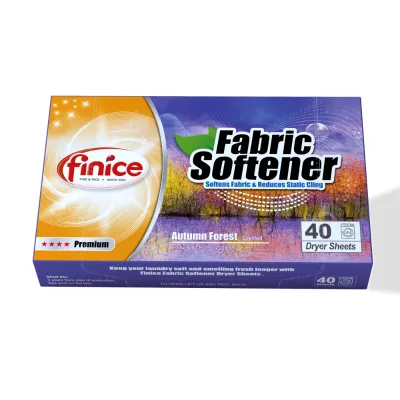
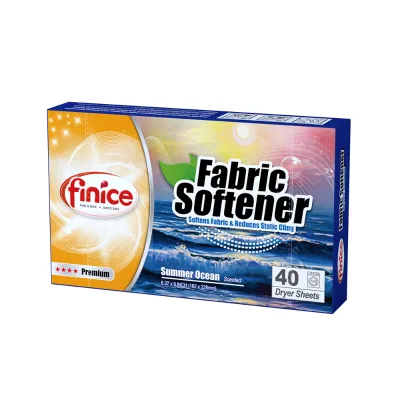
The current market landscape for fabric softener sheets includes a diverse array of models, such as SDS40, FNC790, FNC789, and FNC792, each catering to different functional needs and packaging requirements. Observed listings reveal that products are typically box-packed, with standard configurations like 40 or 80 pieces per box, though customized packing options are frequently available to meet specific retail or industrial demands. The presence of both "Flower" and "Unscented" variants in the data suggests that fruit scents are a niche customization, requiring explicit confirmation from suppliers to ensure the desired olfactory profile is maintained throughout the supply chain. Buyers should scrutinize product names and descriptions to identify true fruit-scented offerings, as generic terms may mask the actual fragrance type.
Functional attributes vary significantly across the observed product range, with some sheets designed primarily for leaving a scent while others focus on softening cloth and reducing static. The "Disposable" and "Stocked" features indicate that these products are ready for immediate distribution, but buyers must verify the recommended dosage and detergent use instructions to ensure proper application. For instance, some products are intended for placement in dryers, while others may be used in bathrooms or for general apparel care, highlighting the importance of matching product function with end-user expectations. Understanding these distinctions helps buyers avoid mismatches between supplier capabilities and their specific market requirements, ensuring that the selected fruit-scented sheets deliver the intended user experience.
Technical Specifications to Verify
Technical verification begins with confirming the physical dimensions and weight of individual sheets and their packaging, as these factors directly impact storage efficiency and shipping costs. Observed data shows single package sizes ranging from 17.8x10.8x3 cm to 17.8x10.8x6 cm, with single gross weights varying from 0.097 kg to 0.4 kg depending on the model. Buyers should request detailed specifications for the fruit-scented variant, including the exact sheet shape, whether it is solid or porous, and the volume of the product, typically measured in kilograms. These metrics are crucial for calculating palletization strategies and ensuring that the product fits within the logistical constraints of the target market, particularly for e-commerce or retail distribution channels.
The formulation details, particularly the active ingredient content and detergent type, must be rigorously verified to ensure product efficacy and safety. While some listings indicate active ingredient contents above 80%, others specify ranges between 0% and 5%, suggesting that fruit-scented sheets may rely on different chemical bases for scent delivery and fabric care. Buyers should confirm whether the product is classified as a standard softener, a specialized sheet, or another household chemical, as this classification affects handling and storage requirements. Additionally, verifying the recommended dosage, such as routine single-use instructions, helps in estimating consumption rates and customer satisfaction, ensuring that the product performs consistently across different laundry loads and water conditions.
Compliance and Safety Documentation
Compliance with international safety standards is paramount when sourcing fruit-scented fabric softener sheets, particularly due to the potential for skin irritation or allergic reactions from fragrance components. Buyers must ensure that suppliers provide comprehensive Safety Data Sheets (SDS) that detail the chemical composition, handling precautions, and first-aid measures, especially if the product contains high concentrations of active ingredients. The origin of the product, often listed as China or specifically Shanghai, may subject the goods to specific export regulations and quality control requirements, necessitating verification of local manufacturing standards and international compliance certifications. Procurement teams should request evidence of adherence to relevant chemical safety directives to mitigate liability and ensure market access in regulated regions.
Labeling and packaging compliance are equally critical, as mislabeling can lead to regulatory penalties and consumer distrust. Buyers should verify that the product packaging clearly states the scent type, active ingredients, usage instructions, and any necessary warning labels, particularly if the product is intended for use in specific environments like hotels or homes. The observed "Box-Packed" format must be evaluated for its durability and suitability for protecting the sheets from moisture and odor contamination during transit. Additionally, confirming that the packaging materials are recyclable or meet environmental standards can enhance brand appeal, particularly in markets with growing sustainability concerns. Ensuring that all documentation is accurate and up-to-date is essential for smooth customs clearance and retail acceptance.
Cost Drivers and Commercial Terms
Cost structures for fruit-scented fabric softener sheets are influenced by several key factors, including the complexity of scent formulation, packaging customization, and order volume. The observed minimum order quantities (MOQ) range widely, from 40 boxes to millions of units, indicating that smaller buyers may face higher per-unit costs due to limited economies of scale. Buyers should negotiate pricing based on their specific volume requirements, keeping in mind that customized scents and packaging may incur additional setup fees or premium pricing. Understanding the relationship between MOQ and unit price is essential for optimizing inventory levels and cash flow, particularly for new product launches or seasonal promotions.
Commercial terms, including payment methods, lead times, and shipping arrangements, must be clearly defined to avoid disruptions in the supply chain. While specific lead times are not provided in the observed data, buyers should establish realistic expectations based on supplier capacity and production schedules. The availability of stock versus made-to-order items can significantly impact delivery speed, with stocked items offering faster turnaround but potentially limited customization options. Buyers should also consider the total landed cost, including freight, insurance, and duties, to accurately assess the profitability of the product. Clear communication of these terms ensures that both parties have aligned expectations, reducing the risk of delays or disputes during the procurement process.
Supplier Qualification and Quality Control
Supplier qualification is a critical step in ensuring the reliability and consistency of fruit-scented fabric softener sheets. Buyers should conduct thorough due diligence on potential suppliers, verifying their manufacturing capabilities, quality management systems, and track record in producing scented laundry products. The presence of multiple product models and customization options suggests that experienced suppliers can adapt to specific buyer requirements, but this flexibility must be balanced with rigorous quality control measures. Procurement teams should request samples of the fruit-scented variant to evaluate scent accuracy, sheet durability, and softening performance before committing to large orders.
Quality control protocols should include regular inspections of raw materials, production processes, and finished goods to ensure consistency and safety. Buyers should verify that suppliers implement statistical process control and have mechanisms for identifying and correcting defects, such as uneven scent distribution or sheet tearing. Additionally, establishing clear acceptance criteria for scent intensity and active ingredient concentration helps maintain product standards across batches. Regular audits and performance reviews can further enhance supplier accountability, ensuring that the delivered products meet the specified requirements and maintain customer satisfaction. Building a strong partnership with a qualified supplier is essential for long-term success in the fabric softener market.
Long-Term Procurement Checks
Long-term procurement success depends on continuous monitoring of supplier performance and market trends to ensure that fruit-scented fabric softener sheets remain competitive and compliant. Buyers should establish key performance indicators (KPIs) for quality, delivery, and responsiveness, reviewing these metrics regularly to identify areas for improvement. The dynamic nature of consumer preferences, particularly regarding scents and sustainability, requires suppliers to be agile and innovative, capable of introducing new fragrances or eco-friendly formulations as needed. Procurement teams should maintain open communication with suppliers to stay informed about product updates and regulatory changes that may impact sourcing decisions.
Additionally, buyers should periodically reassess their supplier base to ensure they are leveraging the best available options in terms of cost, quality, and service. Diversifying suppliers can mitigate risks associated with single-source dependencies, particularly for specialized products like fruit-scented sheets. Engaging in collaborative planning with suppliers can also lead to joint improvements in efficiency and product development, fostering a more resilient supply chain. By staying proactive and adaptable, buyers can ensure that their procurement strategies align with evolving market demands and maintain a competitive edge in the fabric softener industry.
FAQs
What is the primary function of these fabric softener sheets?
The primary function is to leave a scent and soften cloth. These sheets are designed to make fabric softer while providing a pleasant aroma. They are suitable for home and hotel use, ensuring clothes feel comfortable after drying.
Can I customize the packaging for these dryer sheets?
Yes, customization is available for the packaging of these dryer sheets. The standard packing options include 40 pieces per box or 80 pieces per box, but you can also request a customized box configuration to meet your specific branding needs.
Which model numbers are available for fruit scent fabric softener sheets?
Several model numbers are available, including FNC789, FNC790, FNC792, and FNC795. Each model has distinct specifications regarding weight and package size, allowing you to select the variant that best fits your inventory requirements and product specifications.
How should these fabric softener sheets be used in a dryer?
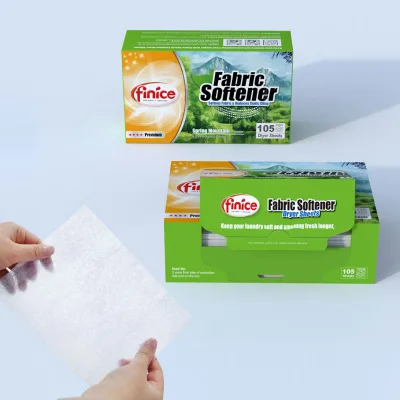
You should place the sheet directly into the dryer with your laundry. The recommended usage is routine application, typically one sheet per load, to effectively soften clothes and leave a lasting fragrance without leaving residue on the fabric.
What is the minimum order quantity for these fabric softener sheets?
The minimum order quantity is 40 boxes for this product. This MOQ ensures efficient shipping and handling while allowing buyers to test the market with a manageable initial stock before committing to larger bulk orders for their business needs.
Where are these fabric softener sheets manufactured and shipped from?
These sheets are manufactured in Shanghai, China, and the origin is listed as China. The products are shipped from this location, ensuring they meet international standards for household chemicals and fabric care products distributed globally.
Are these fabric softener sheets suitable for all age groups?
Yes, these fabric softener sheets are suitable for adults. They are designed for general household and hotel use, providing a safe and effective solution for softening clothes without posing risks to adult users during routine laundry tasks.