Eco-Friendly Disposable Toilet Bowl Cleaner Suppliers and Manufacturers
Source 31 verified suppliers for Eco-Friendly Disposable Toilet Bowl Cleaner. Compare key dimensions including Zhejiang location, 5-7 day response times, and MOQs ranging from 6,000 to 10,000 units. Review pricing and lead times to identify the right partner for your procurement needs.
Suppliers List
Taizhou Huangyan Honghan Industry And Trade Co., Ltd.
- Manufacturer
- Zhejiang, China
- Lead time30 days
- Avg. response≤ 5h
Main productsToilet Cleaner, Air Freshener, Bath Bombs
Main marketsNorthern Europe(30.00%), Domestic Market(28.00%), North America(20.00%), Eastern Asia(10.00%), Africa(7.00%), Mid East(3.00%), Southeast Asia(2.00%)
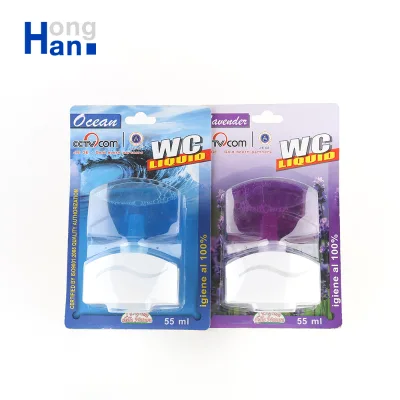
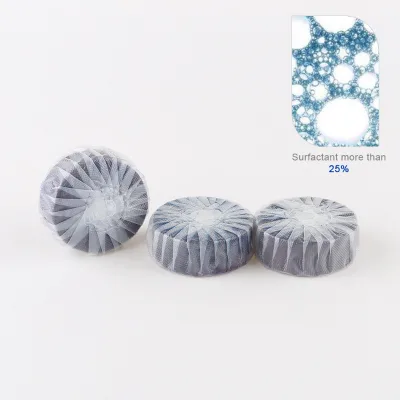
Environmentally Friendly Thickener Formulas Flushable Liquid Bottle Toilet Cleaner
$0.23 - $0.30
MOQ: 10000 packs
Yiwu Zhangsha Daily Necessities Co., Ltd.
- Trading Company
- Zhejiang, China
- Lead time20 days
- Avg. response≤ 7h
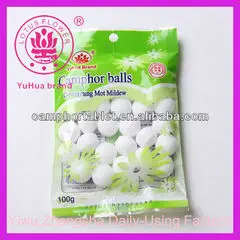
Main productscamphor ball,camphor tablet,PDCB freshener,medicated oil,glass cleaner
Main marketsMid East(30.00%), Domestic Market(20.00%), Africa(20.00%), South Asia(10.00%), Northern Europe(3.00%), Eastern Europe(3.00%), Central America(3.00%), North America(2.00%), South America(2.00%), Southeast Asia(2.00%), Eastern Asia(2.00%), Oceania(1.00%), Western Europe(1.00%), Southern Europe(1.00%)
Shijiazhuang Shunyang Daily Chemical Co., Ltd.
- Manufacturer, Trading Company
- Hebei, China
- Lead time30 days
- Avg. response≤ 20h
Main productsLaundry Detergent, Oil Stain Cleaner, Floor Cleaner, Soap, Washing Powder
Main marketsDomestic Market(20.00%), Africa(15.00%), Mid East(15.00%), Eastern Asia(5.00%), North America(5.00%), South America(5.00%), Southern Europe(5.00%), Northern Europe(5.00%), Southeast Asia(5.00%), South Asia(4.00%), Oceania(4.00%), Western Europe(4.00%), Central America(4.00%), Eastern Europe(4.00%)
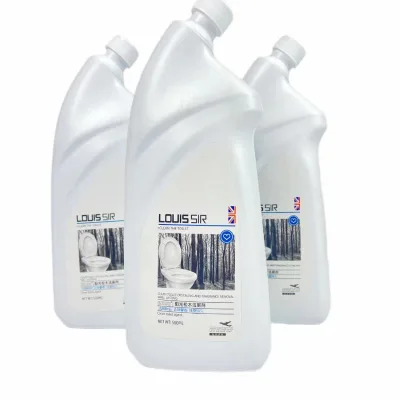
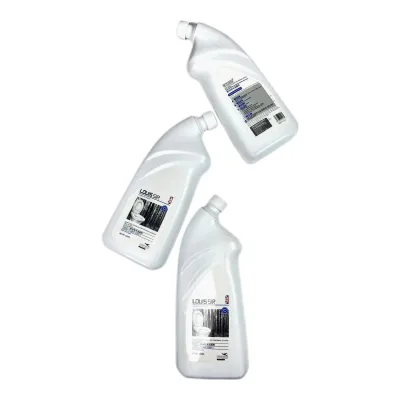
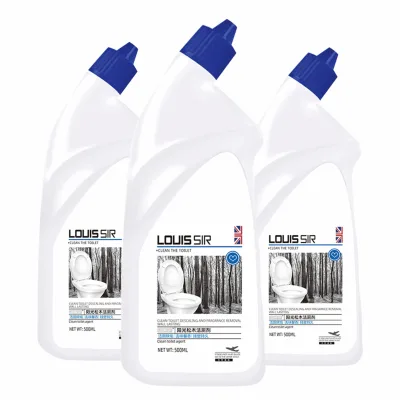
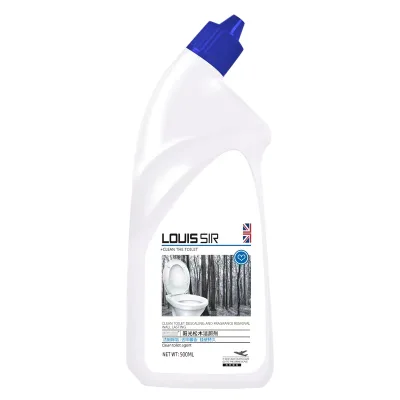
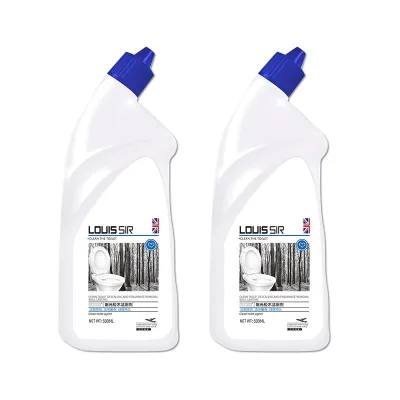
Efficient Foam Toilet Bathroom Bowl Cleaner Liquid
$0.50 - $0.55
Guangzhou Darui Daily Chemical Co., Ltd.
- Manufacturer, Trading Company
- Guangdong, China
- Lead time30 days
- Avg. response≤ 2h
Main productscolor catcher,laundry detergent sheets,toilet cleaner block,Laundry Fabric Softener,floor cleaning sheets
Main marketsOceania(20.00%), Southeast Asia(20.00%), Eastern Europe(20.00%), South America(20.00%), North America(20.00%)
Ningbo Summit Cleaning Products Co., Ltd.
- Verified by TüVRheinland
- Trading Company
- Lead time30 days
Main productsBrush, Broom, Squeegee, Dustpan, Bucket
Main marketsNorth America(70%), Africa(10%), Mid East(10%)
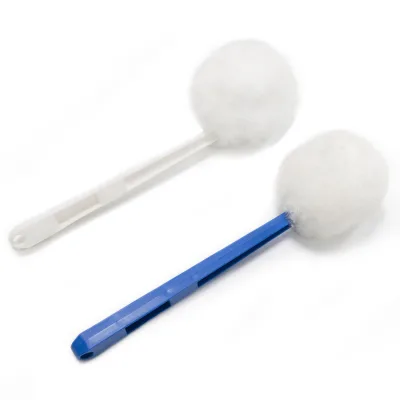
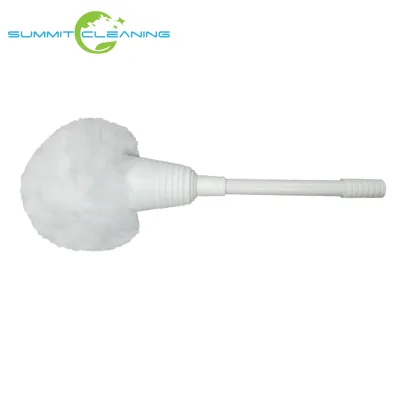
Cheap Price Plastic Brush and Self Wringing Bowl Swabs Toilet Cleaner Disposable NO. 7207
$0.29 - $0.31
MOQ: 10000

Hangzhou Zonki New Materials Co., Ltd.
- Verified by BV
- Trading Company
- China Zhejiang
- Lead time30 days
- Avg. response≤ 2h
Main productsAir Freshener, Detergent, AC Cleaner, Carburetor Cleaner, Rust Remover & Lubricant, Brake & Parts Cleaner, Refrigerant Gas, PU Sealant, Spray Paint, Engine Degreaser
Main marketsNorth America


Premium Bathroom Toilet Cleaner - Powerful Stain Remover and Disinfectant
$1.29 - $1.70
MOQ: 100 Pieces


Guangzhou Junkai Cleaning Detergent Ltd.
- Verified by Intertek
- Manufacturer, Trading Company
- Lead time0 days
Main productsStain Remover Pen, Mold Remover Gel, Toilet Cleaner, Cookware Cleaner, Drain Pipe Cleaner
Main marketsDomestic Market(45%), Southeast Asia(25%), Mid East(10%)
Zhejiang Jifu Daily Chemical Co., Ltd
- Verified by SGS
- Combined
- China Zhejiang
- Lead time30 days
- Avg. response≤ 3h
Main productsDetergent, Laundry Detergent, Shampoo, Liquid Hand Soap, Hand Sanitizer, Softner, Shower Gel, Body Wash, Dishwash Detergent, Conditioner
Main marketsSouth America,Africa,East Asia(Japan/ South Korea),Domestic,Australia,North America

Household Toilet Cleaner Liquid Disinfectant Bathroom Cleaner for Daily Toilet Bowl Cleaning
$1.19 - $1.88
MOQ: 10000 Pieces

$1.19 - $1.88
MOQ: 10000 Pieces

Eco Friendly Toilet Cleaner Liquid Bathroom Wc Cleaner for Daily Maintenance
$1.19 - $1.88
MOQ: 10000 Pieces

The Best Liquid Toilet Bowl Cleaner 380ml 500ml 750ml Liquid Toilet Detergent Cleaner
$1.19 - $1.88
MOQ: 10000 Pieces

YiWu HongCheng Commodity Co., Ltd.
- Trading Company
- ZHEJIANG, China
- Lead time15 days
- Avg. response≤ 2h
Main productsWarm Patch,Insole,Foot Patch,Hand Warmer,Steam Eye Mask
Main marketsDomestic Market(74.00%), North America(14.00%), Eastern Europe(8.00%), Africa(1.00%), Northern Europe(1.00%), Central America(1.00%), Eastern Asia(1.00%)

CLEANUP Industrial & Trading Co., Ltd.
- Trading Company,Manufacturer/Factory
- China Zhejiang
- Lead time45 days
- Avg. response≤ 6h
Main productsMop, Microfiber Cloth, Cleaning Brush, Window Cleaner, Duster, Lint Roller, Broom
Main marketsEastern Europe,Mid East,North America,Western Europe

$1.50 - $2.50
MOQ: 3000 Pieces

- Verified by TUVRHEINLAND
- Combined
- China Zhejiang
- Lead time23 days
- Avg. response≤ 24h
Main marketsDomestic
Shijiazhuang Brightgail Daily Chemical Co., Ltd.
- Verified by SGS Group
- Manufacturer, Trading Company
- Lead time35 days
Main productsLaundry Detergent, Dishwashing Detergent, Laundry Soap, Laundry Powder, Grease Cleaner
Main marketsDomestic Market(100%)
Fujian Blue-Touch Products Inc.
- Verified by TüVRheinland
- Manufacturer, Trading Company
- Lead time20 days
Main productsDishwashing Liquid, Laundry Detergent, Household Cleaner, Hand Wash, Glue Trap
Main marketsSoutheast Asia(35%), North America(25%), Mid East(15%)

Hangzhou Huiji Biotechnology Co., Ltd.
- Verified by BV
- Combined
- China Zhejiang
- Lead time30 days
- Avg. response≤ 7h
Main productsShampoo, Detergent, Dish Washing, Hand Liquid Soap, Air Freshener, Conditioner, Urinal Block, Shower Gel, Glass Cleaner, Floor Cleaner
Main marketsSouth America,Africa,Southeast Asia/ Mideast,East Asia(Japan/ South Korea),Domestic,Europe,Australia,North America


Toilet Cleaner Toilet Bowl Cleaner 500ml 750ml Detergent Toilet Cleaner Liquid
$0.45 - $0.65
MOQ: 5000 Pieces


- Trading Company
- China Fujian
- Lead time30 days
- Avg. response≤ 9h
Main productsToilet Bidet, Toilet Bidet Attachment, Toilet Fill Valve, Toilet Flush Valve, Toilet Tank Fittings, Dual Flush Valve, Toilet Parts, Flush Valve, Toilet Fittings, Toilet Flush Sensor
Main marketsSouth America,Southeast Asia/ Mideast,Europe,Australia,North America

MOQ: 1000 Pieces

Hygienic Automatic Toilet Cleaner 2018
MOQ: 1000 Pieces
Hangzhou U-life Technology Co., Ltd
- Verified by CTI
- Trading Company
- China Zhejiang
- Lead time30 days
- Avg. response≤ 2h
Main marketsSouth America,Southeast Asia/ Mideast,East Asia(Japan/ South Korea),Europe,Australia,North America

Hangzhou Miuge Chemical Commodities Science & Technology Co., Ltd.
- Verified by SGS
- Combined
- China Zhejiang
- Lead time30 days
- Avg. response≤ 23h
Main productsWashing Powder, Dishwasher Tablet/Powder, Washing Capsule, Liquid Detergent, Kitchen Cleaner, Dishwashing Liquid, Toilet Cleaner, Handwashing Liquid, Soap
Main marketsSouth America,Africa,East Asia(Japan/ South Korea),Domestic,Australia,North America

Fujian Yifa Healthcare Products Co., Ltd.
- Verified by TUVRHEINLAND
- Combined
- China Fujian
- Lead time30 days
- Avg. response≤ 4h
Main productsBaby Diaper, Face Mask, Wet Wipes, Adult Diaper, Underpad, Paper, 3D Mask, Chird Mask, Nursing Pads, Baby Pants
Main marketsAfrica,Europe,North America

- Verified by BV
- Trading Company
- China Zhejiang
- Lead time30 days
- Avg. response≤ 8h
Main productsLunch Box
Main marketsSouth America,Africa,Southeast Asia/ Mideast,East Asia(Japan/ South Korea),Europe,Australia,North America

Long Handle Toilet Brush Set, Flexible Detachable Silicone Cleaner with Holder
$1.06 - $1.12
MOQ: 3000 Pieces


Premium Quality Toilet Bowl Brush with Durable Bristles and Automatic Holder
$1.26 - $1.32
MOQ: 3000 Sets
Tianjin Huayue International Trade Co., Ltd.
- Verified by SGS
- Manufacturer/Factory
- China Tianjin
- Lead time15 days
- Avg. response≤ 4h
Main productsFoam Glass, Rock Wool, Glass Wool, Rubber Foam, Pumice Stone, Ion Exchange Resin
Main marketsSouth America,Eastern Europe,Mid East,North America,Southeast Asia,Eastern Asia,Oceania,Western Europe,Africa

Efficient Cleaning Without Detergents Safe Healthy Toilet Bowl Ring Cleaner Pumice
$0.50 - $0.60
MOQ: 2000 Pieces


Ningbo Riway Industrial Co., Ltd.
- Verified by TUVRHEINLAND
- Combined
- China Zhejiang
- Lead time30 days
- Avg. response≤ 4h
Main productsWet Wipes, Nonwoven Folding Machines, Nonwoven Wet Machines, Towel Rolls
Main marketsDomestic

Suzhou ForestBurg Medical Technology Co., Ltd.
- Verified by SGS
- Combined
- China Jiangsu
- Lead time23 days
- Avg. response≤ 4h
Main productsWet Wipes, Baby Wipes, Dry Wipes, Cleaning Wipes, Body Face Wipes, Laundry Detergent Pods, Fragrance Beads, Fragrance Booster, Pet Cleaning Wipes, Laundry Washing Pods
Main marketsDomestic

$0.20 - $0.40
MOQ: 20000 Pieces


$0.30 - $0.70
MOQ: 20000 Bags
Guangdong Jieyi Group Co., Ltd.
- Verified by Intertek
- Manufacturer, Trading Company
- Lead time30 days
Main productsLaundry Detergent, Bleach, Dishwashing Detergents, Toilet Cleaners, Kitchenware Degreaser
Main marketsSoutheast Asia(70%), Eastern Asia(10%), Domestic Market(10%)
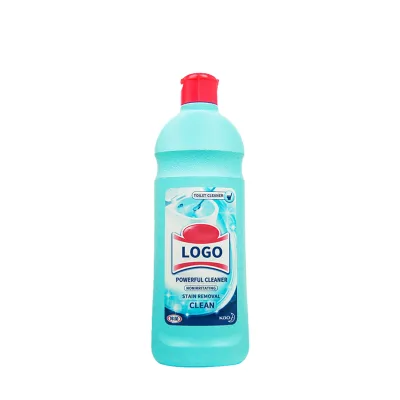
Eco Friendly Best High Quality Household Non Toxic Liquid Toilet Bowl Detergent Cleaner
$0.62 - $0.82
MOQ: 5000
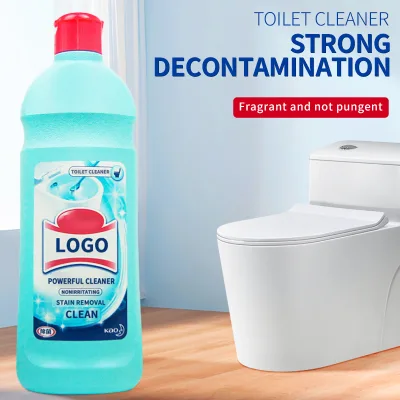

Guangdong Garcia Daily Necessities Technology Co., Ltd.
- Verified by TUVRHEINLAND
- Combined
- China Guangdong
- Lead time23 days
- Avg. response≤ 11h
Main productsHousehold Cleaning&Home Care Products, Fabric Cleaning&Care, Disinfectant, Bathroom Cleaner, Homeliving Cleaner, Kitchen Cleaner, Laundry Detergent Liquid, Laundry Detergent Pod, Pet Care Product, Scent Booster Beads
Main marketsDomestic


Biodegradable Toilet Solution Strong Flushing Urine Detergent Fragrant Toilet Cleaner
$0.65
MOQ: 10000 Pieces


Guangzhou Fangpai Daily Necessities Co., Ltd.
- Trading Company
- Guangdong, China
- Lead time20 days
- Avg. response≤ 1h
Main productsWashing Powder,Laundry Liquid,Laundry Pods,Laundry Tablet,Dishwashing Liquid
Main marketsDomestic Market(100.00%)
Guangzhou Joy Beating Technology Development Co,.Ltd
- Verified by SGS Group
- Trading Company
- Lead time15 days
Main productsLaundry Care, Dishwasher Care, Household Cleaning, Kitchen Cleaning, Bathroom Clean
Main marketsEastern Europe(64%), Africa(16%), Southeast Asia(13%)

Beijing Junjing Hotel Necessities Supply Co. Ltd.
- Verified by TUVRHEINLAND
- Combined
- China Beijing
- Lead time15 days
- Avg. response≤ 3h
Main productsCoffee Machine Cleaning Tablet, Dishwasher Cleaner, Descaler Tablets, Ice Machine Cleaner, Steam Oven Cleaner, Washing Machine Cleaner, Baby Care Cleaner, Coffee Grinder Cleaner, Laundry Beads, Commercial Hotel Cleaning Product
Main marketsSoutheast Asia/ Mideast,Domestic,Europe,North America

Factory Outlet Toilet Cleaner Stain Remover Toilet Bowl Cleaner for Household Cleaning
$0.07 - $0.10
MOQ: 1000


Zhucheng Lizhou Paper Co., Ltd.
- Verified by SGS
- Combined
- China Shandong
- Lead time30 days
- Avg. response≤ 3h
Main productsTissue Paper, Toilet Paper, Toilet Tissue, Jumbo Roll, Kitchen Towel Paper, Napkin
Main marketsAfrica,Domestic,Australia,North America
Guangzhou Jieti Biotechnology Co., Ltd.
- Verified by TüVRheinland
- Manufacturer, Trading Company
- Lead time15 days
Main productsLaundry Detergent Pods, Scent Booster Beads
Main marketsEastern Europe(40%), North America(27%), South America(10%)
Guangzhou Lijie Daily Chemical Co., Ltd.
- Manufacturer, Trading Company
- Guangdong, China
- Lead time30 days
- Avg. response≤ 9h
Main productslaundry pods,detergent liquid,dishwashing liquid,fabric softener,Scent Booster Beads
Main marketsDomestic Market(70.00%), Eastern Europe(20.00%), South America(5.00%), Mid East(5.00%)
Jiashan Donghui Sponge Co., Ltd.
- Manufacturer
- Zhejiang, China
- Lead time23 days
- Avg. response≤ 3h
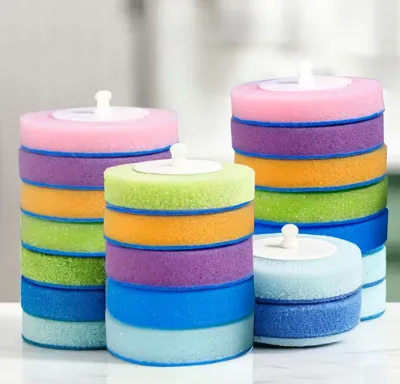
Main productsScouring Pad,Kitchen sponge,Cellulose sponge,magic sponge,toilet sponge refills
Main marketsDomestic Market(90.00%), North America(8.00%), Eastern Europe(2.00%)






Comprehensive Sourcing Guide
Eco-Friendly Disposable Toilet Bowl Cleaner Supplier Concentration and Factory Types
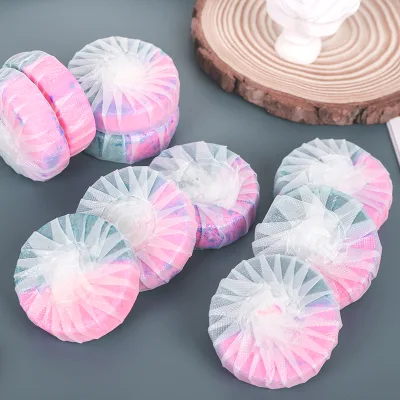
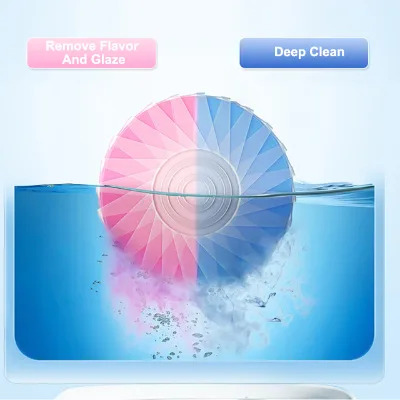
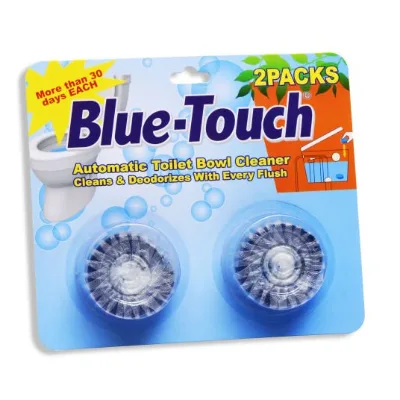
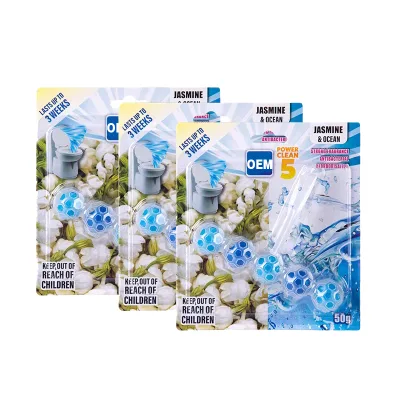
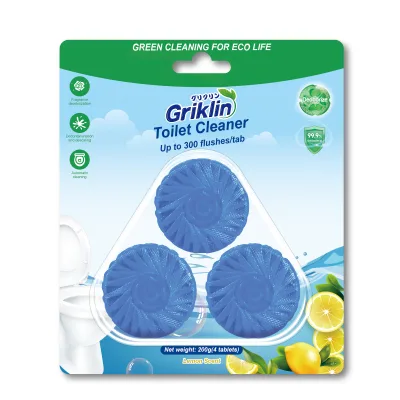
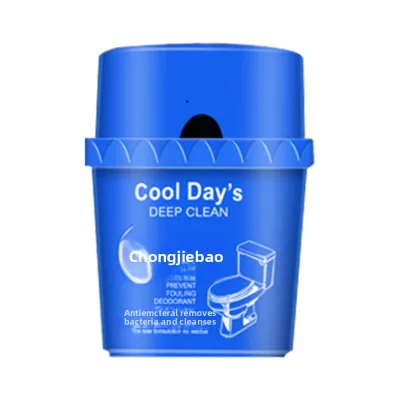
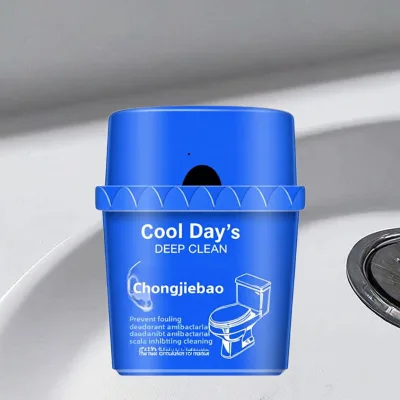
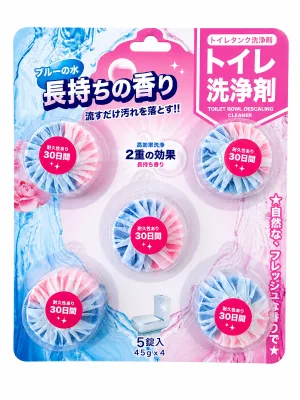
When evaluating the landscape for Eco-Friendly Disposable Toilet Bowl Cleaner, it is crucial to distinguish between manufacturing capabilities and trading operations, as this distinction directly impacts your supply chain reliability and cost structure. The available data indicates that a significant portion of suppliers in this niche are located in Zhejiang, China, a region known for its robust chemical manufacturing infrastructure. Specifically, the results highlight manufacturers who produce items such as automatic block toilet bowl cleaners and liquid bottle cleaners, often featuring brand names like HongHan or JieGe. These entities typically list main products that include toilet cleaners, air fresheners, and bath bombs, suggesting a diversified production line that can offer economies of scale. Understanding that these are manufacturers rather than pure trading companies allows buyers to anticipate more direct communication regarding production adjustments and quality control measures.
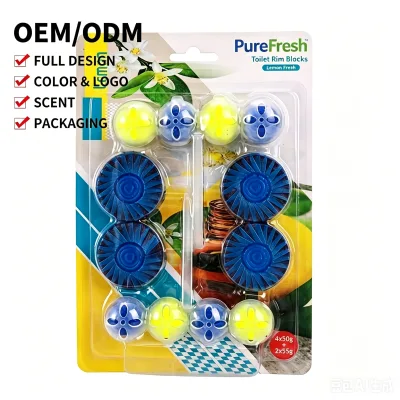
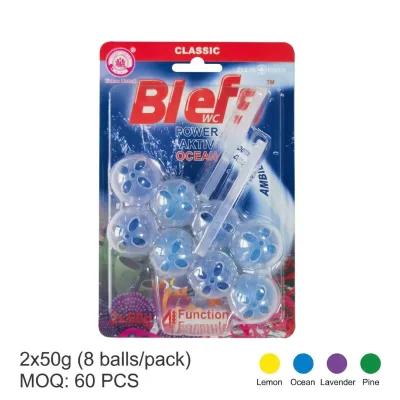
Conversely, the presence of trading companies in the search results introduces a different dynamic for sourcing Eco-Friendly Disposable Toilet Bowl Cleaner. These entities may offer a broader variety of styles, such as mixed color toilet bowl cleaners or high-quality disposable toilet rim blocks, which might not be available from a single specialized factory. The data shows that trading companies often have different operational metrics, such as a response time of seven days and a lead time of twenty days, which contrasts with the five-day response and thirty-day lead times observed for some manufacturers. This variance suggests that buyers must carefully assess whether they prioritize the direct factory relationship and potentially lower unit costs associated with manufacturers, or the curated selection and potentially faster turnaround times offered by trading companies. Recognizing these structural differences helps in aligning supplier selection with specific business needs, whether that be volume production or diverse product assortment.
How to Verify Eco-Friendly Disposable Toilet Bowl Cleaner Suppliers
Verifying the legitimacy and capability of suppliers for Eco-Friendly Disposable Toilet Bowl Cleaner requires a meticulous examination of their operational metrics and product specifications. One of the primary indicators of a supplier's reliability is their response time, which serves as a proxy for their customer service efficiency and organizational maturity. In the current results, response times vary, with some entities demonstrating a five-day response window while others take seven days. Buyers should prioritize suppliers with quicker response times, as this often correlates with better communication throughout the order fulfillment process. Additionally, the lead time is a critical factor; while some manufacturers list a thirty-day lead time, others may offer twenty days. It is essential to confirm these timelines directly with the supplier, as they can fluctuate based on raw material availability and production schedules, ensuring that your inventory planning remains accurate and realistic.
Beyond operational speeds, verifying the specific product attributes is paramount when sourcing Eco-Friendly Disposable Toilet Bowl Cleaner. Buyers should scrutinize details such as the active ingredient content, which in some cases is listed as more than twenty-five percent, and the shape of the product, whether it is solid or liquid. For instance, some products are described as having an eco-friendly feature or being stocked and disposable, which aligns with specific market demands. It is also important to check the place of origin, with Zhejiang, China, being a frequently cited location, and to verify the productivity capacity, which may be listed as one million pieces per month for certain manufacturers. By cross-referencing these technical specifications with your own quality requirements, you can ensure that the supplier’s offerings meet your standards for efficacy and environmental claims. This due diligence prevents mismatches between expected and delivered product qualities, safeguarding your brand reputation.
What to Compare Across Eco-Friendly Disposable Toilet Bowl Cleaner Suppliers
When comparing suppliers for Eco-Friendly Disposable Toilet Bowl Cleaner, price and minimum order quantity (MOQ) are often the most immediate differentiators. The data reveals a wide range in pricing, with some solid block cleaners starting at approximately zero point three five dollars per unit, while others may go up to zero point five six dollars. Liquid bottle variants might be priced between zero point two three and zero point three dollars, whereas high-quality gel options could be significantly higher at around zero point eight dollars. Similarly, MOQs vary considerably, with some suppliers requiring as few as six thousand units, while others demand ten thousand or more. Buyers must weigh these costs against their sales volume and storage capabilities, recognizing that lower prices might come with higher MOQs that could strain cash flow. It is advisable to request detailed quotations that include all potential fees to avoid hidden costs that could erode profit margins.
Another critical dimension for comparison is the main product focus and the supplier’s company type. Manufacturers may offer specialized products like automatic block cleaners with specific model numbers such as HH-2001 or HH-9060, indicating a focused production line. In contrast, trading companies might list a broader array of main products, including camphor balls and glass cleaners, which could suggest a more generalized inventory. The feature set of the products, such as whether they are eco-friendly, disposable, or suitable for travel, should also be compared across suppliers. Additionally, the commercial buyer profile, often listed as super markets, can provide insight into the target market and quality standards expected by these suppliers. By systematically comparing these attributes, buyers can identify suppliers that not only offer competitive pricing but also align with their specific product strategy and target customer base, ensuring a more cohesive supply chain integration.
Common Eco-Friendly Disposable Toilet Bowl Cleaner Sourcing Risks
One of the primary risks in sourcing Eco-Friendly Disposable Toilet Bowl Cleaner is the potential discrepancy between claimed environmental attributes and actual product composition. Buyers must be cautious of vague terms like "eco-friendly" without supporting evidence or certifications, as these claims can be misleading. The data shows products with specific active ingredient contents, such as more than twenty-five percent, but it does not provide information on biodegradability or toxicity levels. Without verified test results or recognized environmental standards, buyers risk stocking products that do not meet regulatory requirements in their target markets. This is particularly relevant for liquid cleaners and gels, where chemical formulations can vary significantly. To mitigate this risk, buyers should request detailed ingredient lists and third-party testing reports that confirm the safety and environmental impact of the products, ensuring compliance with local regulations and consumer expectations.
Another significant risk involves the reliability of supply chain timelines and product consistency. The variation in lead times, ranging from twenty to thirty days, and response times, from five to seven days, indicates a lack of standardization among suppliers. This inconsistency can lead to stockouts or delayed shipments, disrupting business operations. Furthermore, the diversity in product shapes, colors, and capacities, such as one hundred milliliter bottles or solid blocks, suggests that quality control may vary across different product lines. Buyers should be wary of suppliers who offer a wide range of unrelated products, as this may indicate a lack of focus and expertise in toilet cleaners. To address these risks, it is essential to establish clear communication channels and request samples before placing large orders. Conducting regular audits and maintaining open dialogue about production schedules can help ensure that suppliers meet their commitments and maintain consistent product quality.
Eco-Friendly Disposable Toilet Bowl Cleaner Regional Sourcing and Logistics
Sourcing Eco-Friendly Disposable Toilet Bowl Cleaner from specific regions, such as Zhejiang, China, offers distinct logistical advantages and challenges. Zhejiang is a well-established manufacturing hub, which often translates to efficient production processes and a robust network of suppliers. However, buyers must consider the implications of shipping from this region, including transit times and customs procedures. The data indicates that many products originate from Zhejiang, which suggests a concentration of expertise and infrastructure in this area. This concentration can facilitate easier coordination for buyers who are sourcing multiple items, as they may be able to consolidate shipments from a single geographic region. Understanding the local logistics landscape can help buyers optimize their supply chain, reducing lead times and potentially lowering freight costs through volume consolidation.
Logistical planning also involves managing the physical characteristics of the products, such as their weight and volume, which impact shipping costs. For instance, liquid cleaners in one hundred milliliter bottles may have different shipping requirements compared to solid block cleaners. Buyers should work closely with their suppliers to determine the most cost-effective shipping methods, whether by sea or air, depending on the urgency of the order. Additionally, the productivity capacity of suppliers, such as one million pieces per month, can influence logistics planning, as larger orders may require more extensive shipping arrangements. It is advisable to discuss packaging options that minimize damage during transit and reduce volumetric weight, thereby optimizing shipping efficiency. By carefully considering these regional and logistical factors, buyers can ensure a smooth and cost-effective supply chain for their Eco-Friendly Disposable Toilet Bowl Cleaner products.
Eco-Friendly Disposable Toilet Bowl Cleaner Commercial Terms and Order Planning
Effective order planning for Eco-Friendly Disposable Toilet Bowl Cleaner requires a thorough understanding of commercial terms, including payment structures and delivery conditions. The variation in MOQs, from six thousand to ten thousand units, necessitates careful financial planning to ensure that inventory levels align with sales forecasts. Buyers should negotiate terms that allow for flexibility, such as partial shipments or staggered deliveries, to manage cash flow more effectively. Additionally, the price ranges, which can vary from zero point one dollars to zero point eight dollars per unit, highlight the importance of cost analysis in order planning. By understanding the cost drivers, such as active ingredient content and packaging materials, buyers can make informed decisions about which products offer the best value for their target market. This strategic approach helps in maximizing profitability while maintaining competitive pricing.
Furthermore, establishing clear commercial terms with suppliers is essential for mitigating risks and ensuring smooth transactions. Buyers should verify the supplier’s response time and lead time commitments, as these factors directly impact order fulfillment and customer satisfaction. It is also important to discuss after-sales support and return policies, particularly for products with specific features like eco-friendly formulations or disposable designs. By setting clear expectations and documenting these terms in the purchase agreement, buyers can protect their interests and foster a collaborative relationship with their suppliers. Regularly reviewing and updating these terms based on performance metrics can help in continuously improving the supply chain efficiency. This proactive approach to commercial terms and order planning ensures that buyers can reliably source high-quality Eco-Friendly Disposable Toilet Bowl Cleaner products that meet their business objectives.
FAQs
What is an Eco-Friendly Disposable Toilet Bowl Cleaner?
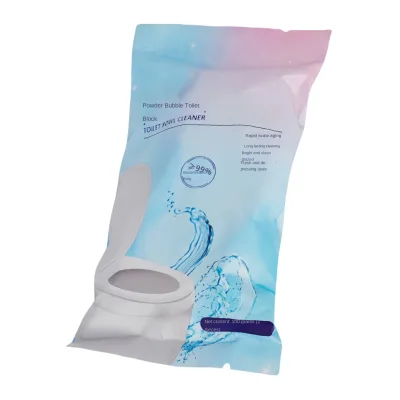
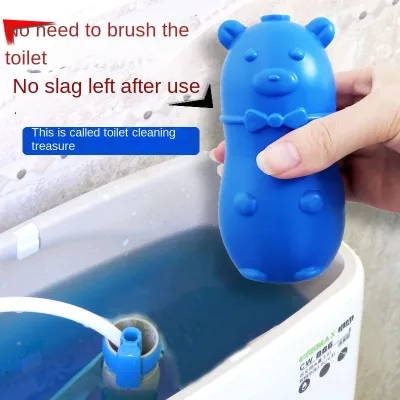
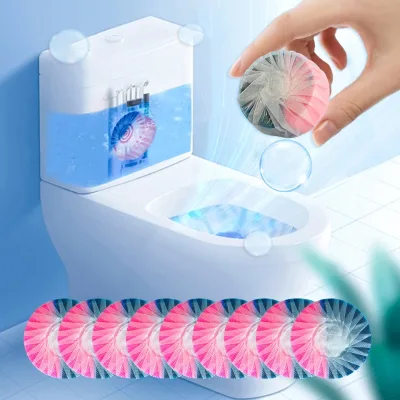
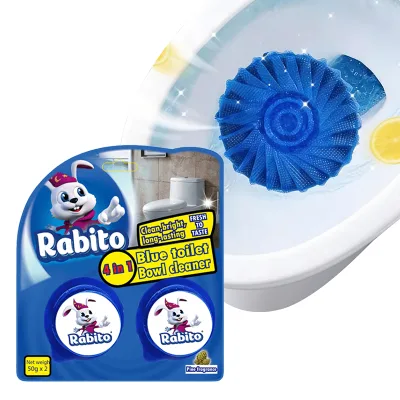
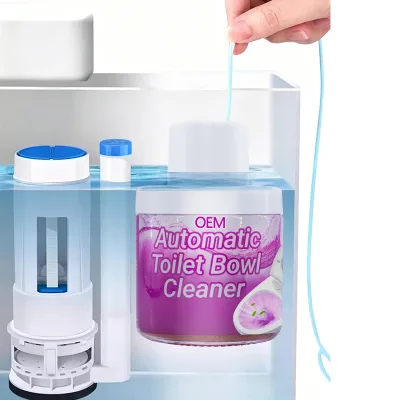
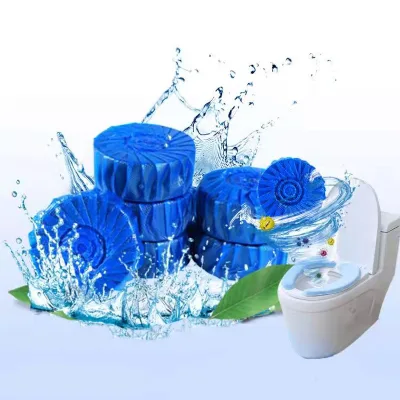
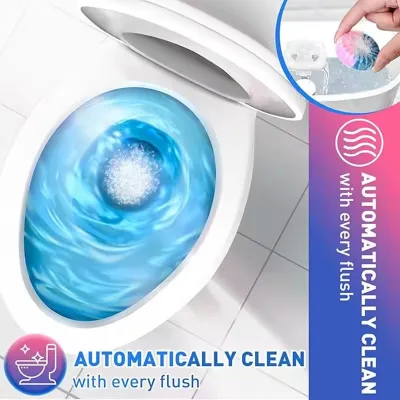
It is a single-use cleaning product, usually a solid block or gel, designed to clean toilet bowls without harsh persistent chemicals. Eco friendly versions typically use biodegradable formulas with active ingredient content often above 15 to 25 percent. Disposable formats are placed in the bowl or tank, dissolve gradually, and require no packaging waste or reusable dispensers.
What price range should buyers expect for disposable toilet bowl cleaners?
Listed unit prices for these products commonly range from about 0.10 to 0.80 US dollars per piece depending on format. Solid blue blocks and mixed color blocks sit at the lower end, while gel cleaners cost more. Final pricing depends on order quantity, formula complexity, packaging, and whether the buyer requests custom branding or private label options.
What is a typical MOQ when sourcing toilet bowl cleaners from China?
Typical minimum order quantities range from 6,000 pieces for solid block cleaners to 10,000 pieces for liquid bottle formats. Blocks generally carry lower MOQs because they are simpler to produce and pack. Liquid toilet cleaners require bottle filling lines, so suppliers usually set higher quantity minimums. Always confirm MOQ in writing before sampling.
How long is the production lead time for toilet bowl cleaners?
Lead times around 20 to 30 days are commonly quoted by suppliers of these cleaning products. Solid blocks and rim blocks often fall near 20 days, while liquid formulations with bottling and curing can extend toward 30 days. Lead time may lengthen during peak seasons or when custom colors, fragrances, and printed packaging are required.
Which toilet cleaner formats are most suitable for supermarkets and retail?
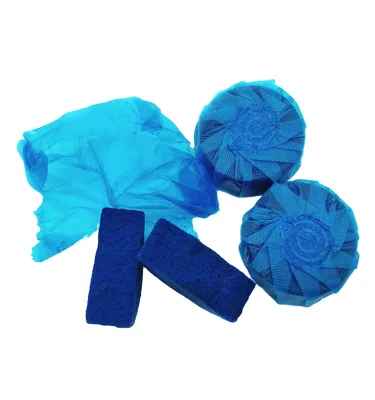
Solid blue blocks, rim blocks, and small liquid bottles are the most common retail formats, with some suppliers noting supermarket commercial buyers and monthly productivity around one million pieces. These formats are compact, low priced, and easy to shelve. Retail buyers should verify packaging dimensions, barcodes, and labeling compliance for their target market before placing bulk orders.
Do suppliers offer customized or private label toilet bowl cleaners?
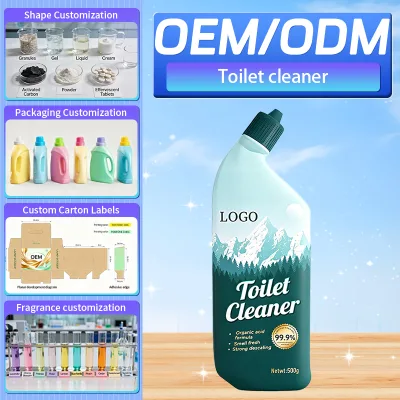
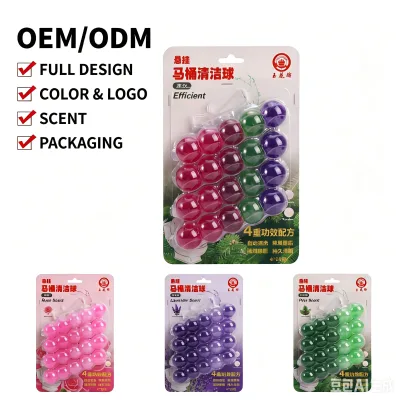
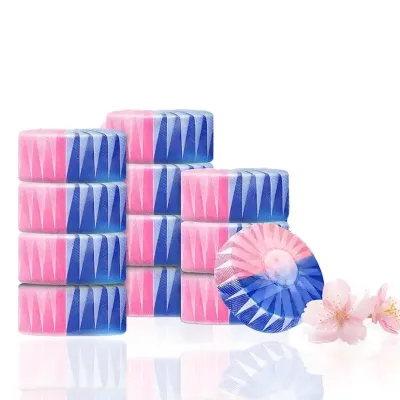
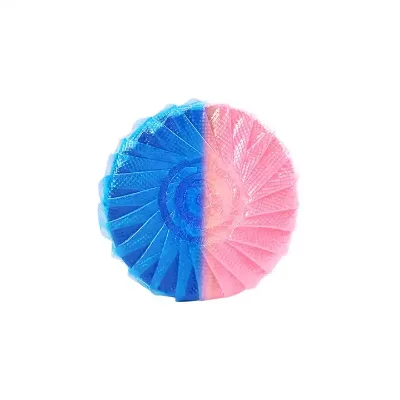
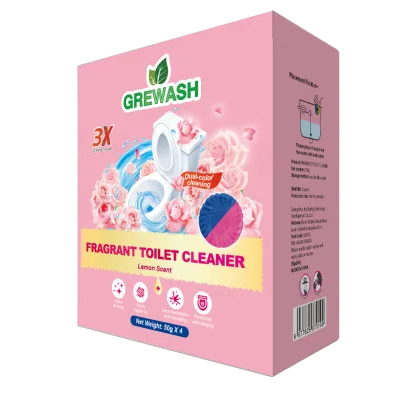
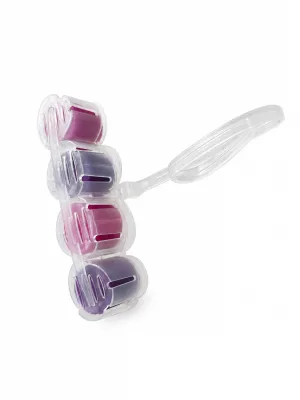
Many suppliers offer customized versions, including custom colors such as blue, pink, green, and purple, plus private label packaging. Product listings for customized blue block cleaners appear regularly in this category. Buyers should request samples of the exact formula, confirm active ingredient content, and check whether custom molds, fragrance choices, or printed packaging affect MOQ and unit price.
How quickly do toilet cleaner suppliers usually respond to inquiries?
Average response times of around 5 to 7 hours are typical among suppliers in this category. Faster response usually signals an active export sales team and smoother communication during sampling and production. Buyers comparing multiple suppliers should message each with identical questions so response speed and answer quality can be judged on the same basis.
What should buyers verify about active ingredient content and safety?
Listed products commonly state active ingredient content above 25 percent for solid blocks, or between 15 and 30 percent for liquids. Buyers should request material safety data sheets, confirm whether the formula is septic safe and biodegradable, and verify any eco friendly claims with documentation. Third party test reports relevant to the destination market should be reviewed before mass production.