Source eco-friendly disposable fabric softener sheets for Home, Hotel, and Dryer Use
Compare 30 listings for eco-friendly disposable fabric softener sheets from China. Options include OEM services, various scents like fresh linen and lavender, and non-woven materials. Find suppliers offering customizable packaging and professional manufacturing for apparel care; compare the available evidence and request quotations based on your requirements.
Updated
Key considerations
Products List
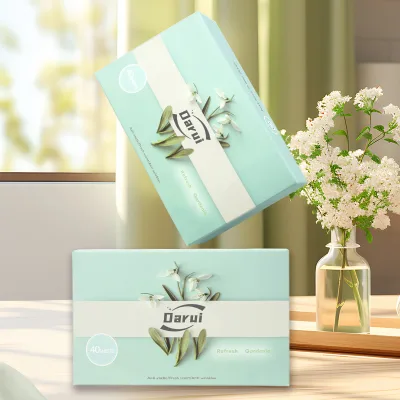
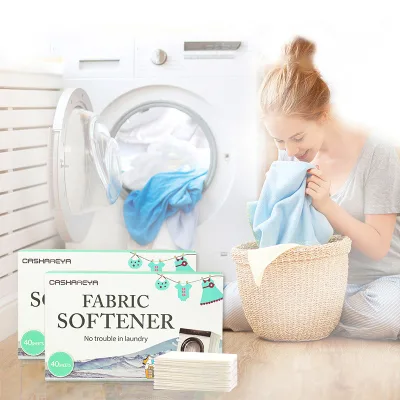
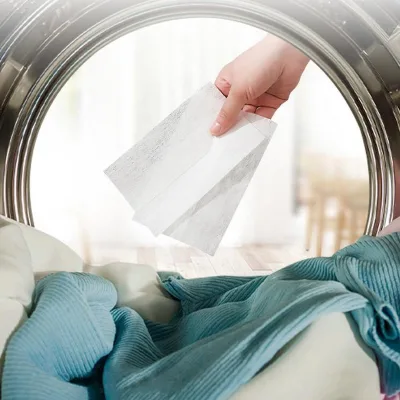
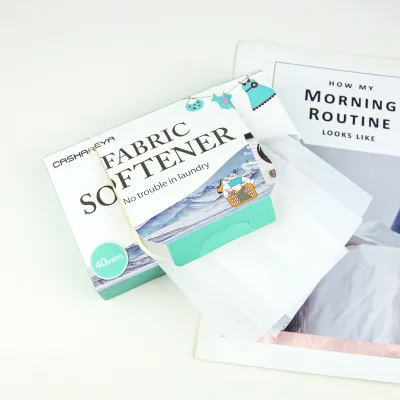
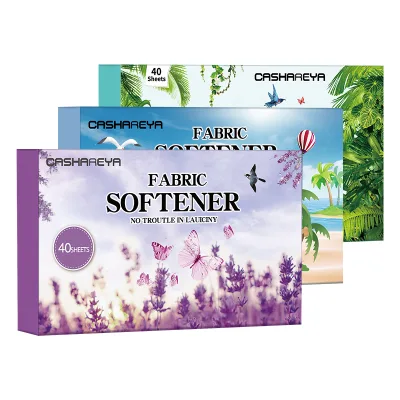


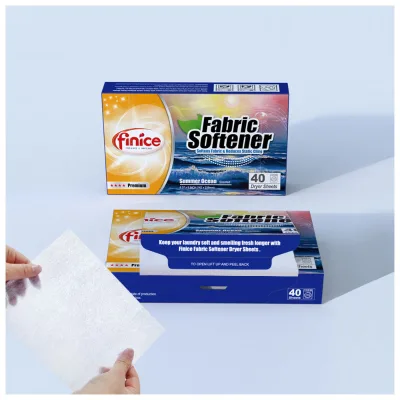
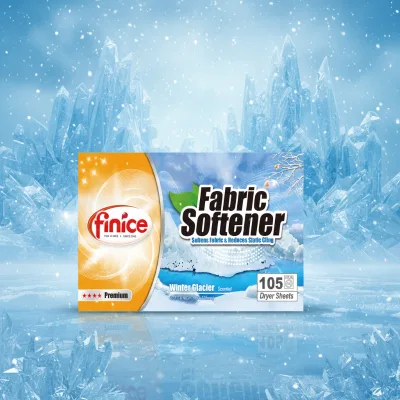
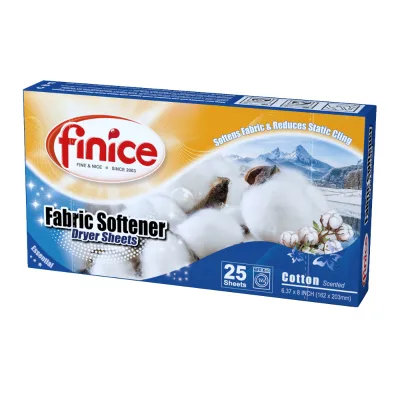
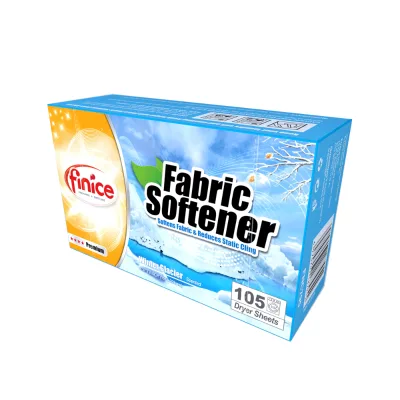
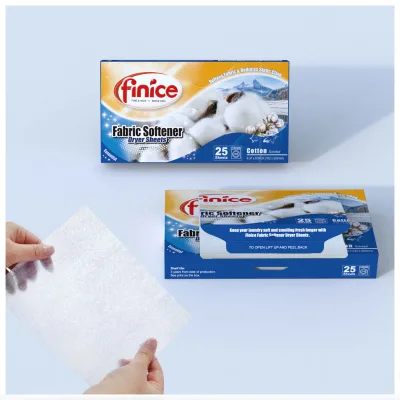
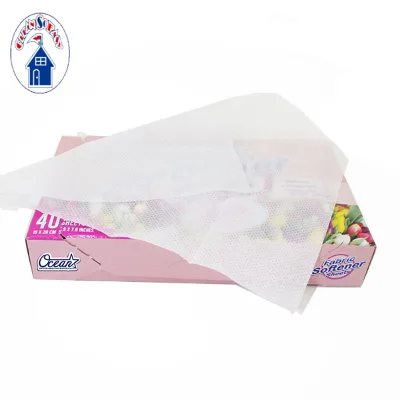
OEM Disposable Nonwovens Fabric Softener Sheets for Dryer Fabric Conditioner Sheets
$0.2842 - $0.2947
MOQ: 12000 boxes
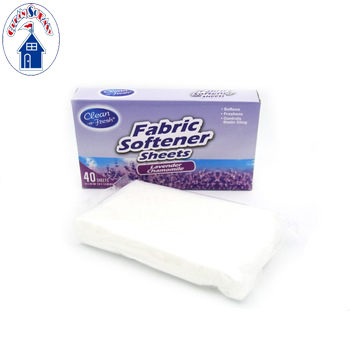
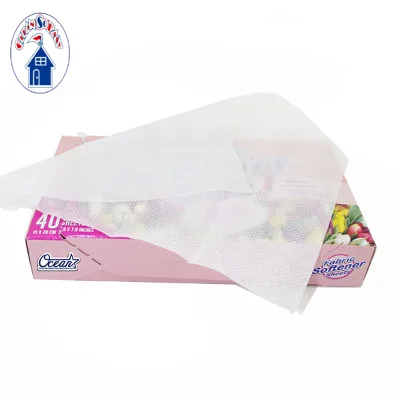
Factory Clothes Laundry Conditioner Sheets Fabric Softener Sheets Dryer Sheets
$0.26 - $0.27
MOQ: 12000 boxes
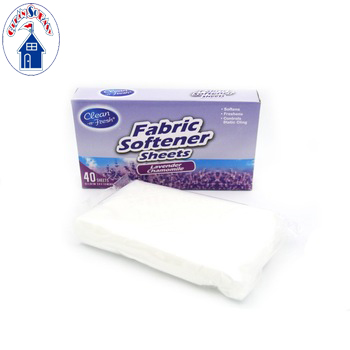
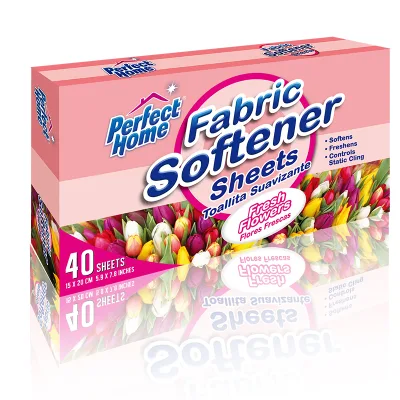

Eco Friendly Natural Detergent Sheet Biodeqradable Fabric Softener Sheets
$3.54 - $3.56
MOQ: 5000 Boxes


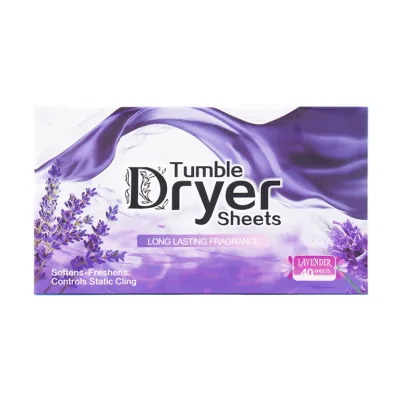
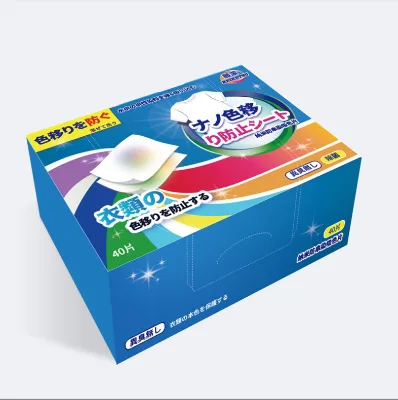
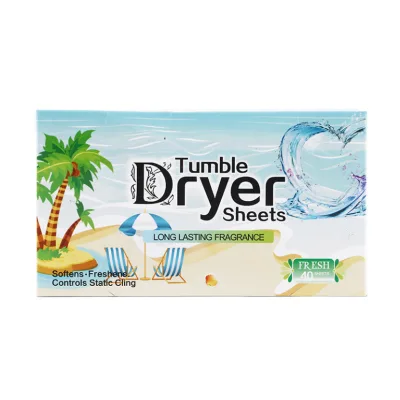
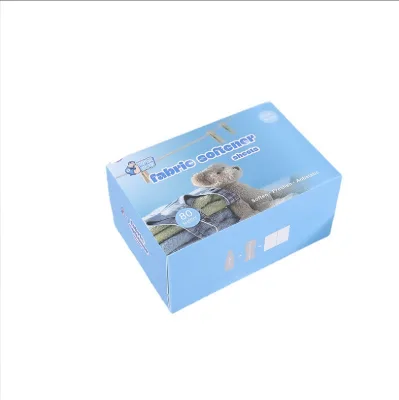
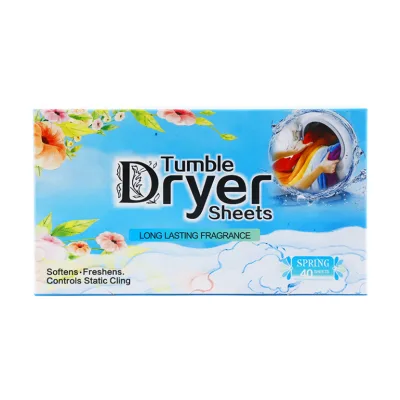

Ultimate Freshness Disposable Fabric Softener Sheets for Soft Laundry
$2.26 - $2.37
MOQ: 3000 box/boxes
Comprehensive Sourcing Guide
Eco-Friendly Disposable Fabric Softener Sheets Sourcing Guide
Procuring eco-friendly disposable fabric softener sheets requires a strategic approach that balances functional performance with sustainable material claims. Buyers must navigate a market where terms like "zero plastic" and "eco-friendly" are frequently used, necessitating rigorous verification of actual product attributes. The core value proposition lies in the convenience of dryer-safe sheets that reduce laundry time while offering fragrance and softening benefits. Sourcing decisions should prioritize suppliers who provide transparent data on active ingredient content and material composition, ensuring that the product meets both operational needs and corporate sustainability goals.
The observed market signals indicate a diverse range of options, from standard white sheets to those with specific scents like lavender, fresh linen, or coconut. These variations cater to different end-user preferences, particularly in hospitality and home care sectors. Buyers should evaluate the physical characteristics of the sheets, such as their solid shape and non-woven material base, to ensure compatibility with standard dryer machines. Understanding the specific scent profiles and sheet counts per box is essential for accurate inventory planning and customer satisfaction, as these factors directly influence repeat purchase rates and brand loyalty in competitive retail environments.
Product Scope and Observed Listing Signals
The current product landscape features fabric softener sheets primarily manufactured in Guangdong, China, with brands such as Darui and Finice offering distinct value propositions. Listings reveal a wide price range, observed between $0.03 and $9.22 USD, reflecting variations in scent complexity, sheet count, and packaging quality. Minimum order quantities (MOQs) vary significantly, ranging from small trial orders of one unit to bulk commitments of up to 12,000 units, allowing buyers of all sizes to find suitable entry points. This flexibility supports both small boutique brands seeking custom OEM services and large retailers requiring standardized, high-volume supply chains for consistent product availability.
Product attributes highlight key functional benefits, including decontamination, bacteriostasis, and fragrance retention, with many sheets designed for single-use convenience. The active ingredient content is a critical differentiator, with some products listing contents between 50% and 80%, while others claim above 80% inclusivity. Buyers must carefully review these specifications to align product performance with their target market expectations. Additionally, the availability of customized packaging, such as 40 or 80 sheets per box, and various scent options like cherry blossom or coconut, provides opportunities for brand differentiation. Understanding these nuances helps buyers select products that best fit their specific distribution channels and consumer demographics.
Technical Specifications to Verify
Verifying technical specifications is crucial to ensure product compatibility and performance consistency across supply batches. Buyers should confirm the physical dimensions and weight of individual packages, as observed single package sizes range from 18x11x3.3 cm to larger batch dimensions of 48x38x24 cm. The gross weight per unit is typically low, around 0.093 kg or 0.001 kg depending on the specific listing, which impacts shipping costs and storage efficiency. It is essential to verify the material composition, specifically the non-woven fabric used for the sheets, to ensure it dissolves or breaks down appropriately without leaving residue in dryer machines or causing mechanical issues.
Scent longevity and fragrance type are also key technical considerations, with options ranging from natural fragrances to OEM-customized scents. Buyers must verify the recommended dosage and usage instructions, such as placing one sheet per load in the dryer, to ensure end-users achieve the desired softening and decontamination effects. The presence of foam should be confirmed as non-existent, as excessive foam can interfere with dryer operation and cleaning efficiency. Additionally, checking the model numbers, such as SDS40 or FNC789, helps in tracking product revisions and ensuring that future orders match the approved samples in terms of texture, absorbency, and scent release profiles.
Compliance and Safety Documentation
While specific certification statuses like REACH, ISO 9001, or ISO 45001 are mentioned in background contexts, buyers must independently verify the current validity and scope of these certifications for each supplier. Compliance with international safety standards is non-negotiable for products that come into contact with clothing and skin. Buyers should request up-to-date certificates of analysis and safety data sheets (SDS) to confirm that the active ingredients and fragrance components meet regulatory requirements in their target markets. This due diligence helps mitigate risks associated with chemical exposure and ensures that the products are safe for adult use in both home and hotel environments.
Documentation should also cover the environmental claims made by the supplier, such as "zero plastic" or "eco-friendly" labels. Buyers need to understand the basis of these claims, including the biodegradability of the non-woven material and the sourcing of raw ingredients. Requesting third-party audit reports, such as BSCI or FSC, can provide additional assurance regarding social responsibility and sustainable sourcing practices. However, these should be treated as background indicators rather than guaranteed facts, requiring direct confirmation from the supplier. Ensuring that all safety and environmental documentation is current and verifiable protects the buyer from reputational damage and potential legal liabilities in regulated markets.
Cost Drivers and Commercial Terms
Several factors influence the final cost of eco-friendly fabric softener sheets, including the concentration of active ingredients, the complexity of the fragrance formulation, and the level of customization required. Products with higher active ingredient content, such as those exceeding 80%, may command a premium price due to enhanced performance and reduced usage rates. Customization services, including OEM branding and unique packaging designs, also add to the cost structure. Buyers should analyze the price per sheet rather than just the box price to accurately compare value across different suppliers and product tiers, ensuring that they are paying for genuine quality improvements.
Commercial terms, such as MOQs and payment conditions, vary widely among suppliers, with some accepting orders as low as 40 boxes while others require larger commitments. Lead times and shipping terms should be clearly defined in contracts to avoid delays and unexpected freight costs. Buyers should negotiate flexible payment terms and clarify responsibilities for quality disputes, ensuring that defective products can be returned or replaced without significant financial loss. Understanding these commercial dynamics allows buyers to structure orders that optimize cash flow while maintaining a reliable supply chain, balancing cost efficiency with operational flexibility.
Supplier Qualification and Quality Control
Selecting a qualified supplier involves assessing their manufacturing capabilities, quality control processes, and ability to meet specific product requirements. Buyers should verify the supplier's experience in producing fabric softener sheets, particularly their expertise in handling non-woven materials and fragrance encapsulation technologies. Requesting samples for rigorous testing is essential to evaluate the sheets' softening efficacy, scent longevity, and compatibility with various dryer models. Suppliers who offer professional services and have a track record of successful OEM/ODM projects are better positioned to deliver consistent quality and innovative solutions tailored to the buyer's brand identity.
Quality control measures should include regular inspections of raw materials, in-process checks during manufacturing, and final product audits before shipment. Buyers should inquire about the supplier's defect rate and their procedures for handling non-conforming products. Establishing clear quality standards and acceptance criteria in the purchase agreement helps ensure that every batch meets the agreed-upon specifications. Additionally, suppliers who provide detailed product information, such as single gross weight and package dimensions, demonstrate a commitment to transparency and operational efficiency, which are critical for smooth logistics and inventory management.
Long-Term Procurement Checks
Sustainable procurement requires ongoing monitoring of supplier performance and product marketability to ensure long-term success. Buyers should regularly review customer feedback and sales data to assess the popularity of different scents and sheet counts, adjusting future orders accordingly. Monitoring changes in regulatory requirements and consumer preferences for eco-friendly products is also vital, as trends in sustainability can shift rapidly. Maintaining open communication with suppliers allows buyers to stay informed about new product developments, potential supply chain disruptions, and opportunities for cost optimization through volume discounts or process improvements.
Building a resilient supply chain involves diversifying suppliers and maintaining safety stock to mitigate risks associated with production delays or quality issues. Buyers should periodically re-evaluate supplier contracts and performance metrics to ensure continued alignment with business goals. Engaging in collaborative planning with suppliers can lead to better forecasting, reduced lead times, and improved product quality. By staying proactive in supplier management and market analysis, buyers can secure a competitive advantage in the growing market for eco-friendly laundry solutions, ensuring consistent product availability and customer satisfaction over time.
FAQs
What is the active ingredient content in these sheets?
The active ingredient content ranges from 50% to 80% inclusive. Some specific product listings indicate active ingredients above 80% inclusive. This ensures effective softening while maintaining safety for apparel use in dryer machines.
Which scents are available for the fabric softener sheets?
Available scents include Fresh Linen, Lavender, Coconut, Cherry Blossom, and Fresh Scent. Specific sheet counts vary by scent, such as 40 sheets for Lavender or 100 sheets for Cherry Blossom. OEM fragrance options are also available for customization.
Can I customize the packaging and brand name?
Yes, customization is available for both packaging and brand names. You can choose between 40 or 80 sheets per box, or request custom sizes. Brands like Darui and Finice are listed, but OEM services allow you to apply your own branding.
What is the minimum order quantity for these sheets?
The minimum order quantity varies significantly, ranging from 1 to 12,000 units depending on the supplier. Some specific listings require a minimum of 40 boxes. Buyers should verify the exact MOQ with the manufacturer before placing an order.
How are the sheets packaged and what is the weight?
The sheets are typically packed in boxes with 40 or 80 pieces per unit. The single gross weight is approximately 0.093 kg, while batch weights can reach 7.5 kg. Customized packing options are accepted to meet specific logistical requirements.
Where are these fabric softener sheets manufactured?
These sheets are manufactured in Guangdong, China. The place of origin is consistently listed as China for the various product models. This location supports the production of eco-friendly and disposable laundry care items for global export.
Are these sheets suitable for both hand and machine washing?
Yes, the product is designed for use in both hand wash and machine wash applications. They are specifically intended to be placed in a dryer machine for optimal softening. The sheets are disposable and feature a non-woven material for easy use.