Source Heavy Duty Business Metal Lanyard for Luggage, Keys, and Cards
Compare 30 Heavy Duty Business Metal Lanyard options featuring polyester straps, woven or printed techniques, and metal locks. Buyers can evaluate customization, colors, and delivery times for luggage belts, key lanyards, and card holders; compare the available evidence and request quotations based on your requirements.
Key considerations
Products List


OEM Custom Polyester Lanyard Neck Strap Metal Keychain Lanyards for Outings Activities
$0.15 - $0.20
MOQ: 1000 Pieces


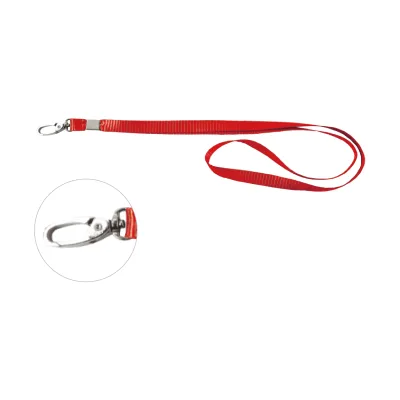


Manufacturer Custom Logo Printing ID Card Holder Lanyard with Metal Clasp
$0.10 - $0.35
MOQ: 100 Pieces


Comprehensive Sourcing Guide
Heavy Duty Business Metal Lanyard Sourcing Guide
Procuring heavy-duty business metal lanyards requires a strategic approach that balances aesthetic professionalism with functional durability. These accessories are frequently utilized in corporate environments for branding, identification, and secure attachment of essential items. The market offers a variety of configurations, including woven and printed techniques, with materials predominantly centered around polyester for strength and longevity. Buyers must navigate a landscape where customization options, such as logo placement and color selection, are standard expectations rather than premium add-ons.
The sourcing process involves evaluating multiple product models, each with distinct specifications regarding size, attachment mechanisms, and finish quality. Observed listings indicate a wide range of available styles, from simple single-side designs to more complex multi-functional attachments. Understanding the specific requirements for your organization, such as the need for metal locks or specific shipping methods, is crucial. This guide provides a structured framework for evaluating suppliers, verifying technical details, and ensuring that the final product meets both operational needs and compliance standards.
Product Scope and Observed Listing Signals
The current market for heavy-duty business metal lanyards presents a diverse array of options, primarily characterized by polyester construction and metal locking mechanisms. Listings frequently highlight customization capabilities, allowing businesses to incorporate their own logos or designs into the product. Common usage scenarios include luggage belts, bottle lanyards, card holders, mobile phone straps, and key chains, indicating a versatile utility that extends beyond simple identification. The presence of various models, such as L-00124 and L-5800, suggests that suppliers offer standardized templates that can be adapted to specific client needs.
Color options are varied, with blue, red, yellow, and black being commonly observed in product listings. This variety allows for brand alignment or departmental differentiation within large organizations. The technical execution of these lanyards often involves woven or printed techniques, each offering different aesthetic and durability profiles. Buyers should note that while some listings emphasize "best quality" or eco-friendly attributes, these are observational claims that require independent verification. The scope of available products is broad, covering everything from basic single-side designs to more intricate multi-functional attachments, necessitating careful selection based on specific use cases.
Technical Specifications to Verify
When evaluating technical specifications, the width and size of the lanyard are critical factors that impact both comfort and functionality. Standard widths observed in the market are often around 20mm, providing a balance between visibility and wearability. The length is typically standardized, with common sizes like 2x90cm being prevalent, ensuring that the lanyard is suitable for most adult users. Buyers must verify these dimensions against their specific requirements, as deviations can affect how items are carried or displayed. The attachment mechanism, often made of metal, is another key specification that determines the security and ease of use of the lanyard.
The model numbers associated with these products, such as L-01024 or AL-Lanyard-11044, serve as unique identifiers for suppliers and buyers alike. These codes help in tracking specific designs and ensuring consistency across large orders. Additionally, the design of the lanyard, whether it features one-side or two-side printing, significantly influences the final appearance and branding impact. Buyers should request detailed technical drawings or samples to confirm that the attachment points, such as the Al-01 clip, are robust and suitable for the intended load. Verifying these technical details early in the sourcing process helps prevent mismatches between expectations and delivered goods.
Compliance and Safety Documentation
Compliance and safety are paramount when sourcing business accessories, even those that appear simple. Listings often mention standards such as CE and FDA, which may relate to the materials used or the manufacturing processes. However, buyers must verify the specific applicability of these certifications to the final product, as they do not automatically guarantee safety for all uses. For instance, if the lanyard is intended for use in environments where chemical exposure is a risk, material safety data sheets should be requested to ensure compliance with relevant regulations. The "eco-friendly" claims made by some suppliers also require substantiation through recognized environmental certifications or material disclosures.
Documentation should also cover the origin of the materials and the manufacturing location, with Ningbo, China, being a common source for these products. Understanding the supply chain helps in assessing the reliability of the compliance claims. Buyers should insist on clear documentation regarding the metal components, ensuring they are free from harmful substances like lead or nickel, which can cause allergic reactions. Additionally, any claims regarding the durability or strength of the lanyard should be supported by test results or quality assurance reports. This due diligence ensures that the purchased lanyards meet both legal requirements and ethical sourcing standards.
Cost Drivers and Commercial Terms
The cost of heavy-duty business metal lanyards is influenced by several factors, including the complexity of the design, the quantity ordered, and the customization level. Observed price ranges in the market are quite broad, reflecting the variability in materials and production methods. Minimum order quantities (MOQs) can vary significantly, with some suppliers requiring as few as 1000 pieces, while others may have higher thresholds. Buyers should negotiate these terms carefully, considering the balance between unit cost and inventory holding costs. Payment terms, such as TT (Telegraphic Transfer), are common, but the timing of payments can impact cash flow and supplier commitment.
Shipping and delivery times are also critical commercial considerations. Options for shipping by sea, air, or courier offer flexibility but come with different cost and time implications. Lead times for production can range from 10 to 30 days, depending on the order size and complexity. Sample times, typically around 5-7 days, are essential for verifying quality before committing to a large order. Buyers should factor in these logistical details when planning their procurement cycles. Understanding the total cost of ownership, including shipping and potential duties, is crucial for accurate budgeting and avoiding unexpected expenses.
Supplier Qualification and Quality Control
Supplier qualification is a vital step in ensuring the reliability of the sourcing process. Buyers should assess suppliers based on their production capabilities, quality control systems, and past performance. The ability to accept OEM (Original Equipment Manufacturer) orders and provide customized designs is a key indicator of a supplier's flexibility and expertise. Verification of the supplier's location, such as Ningbo, China, can provide insights into their logistical advantages and supply chain integration. Additionally, the availability of free samples, albeit with a lead time, allows buyers to physically inspect the product quality before making a bulk purchase.
Quality control measures should be clearly defined and agreed upon with the supplier. This includes specifications for material quality, stitching integrity, and the durability of metal attachments. Buyers should request information on the supplier's internal testing procedures and any third-party inspections they may conduct. Establishing clear acceptance criteria for defects and returns is essential for maintaining quality standards. Regular communication with the supplier during the production process can help identify and resolve issues early. By prioritizing supplier qualification and robust quality control, buyers can mitigate risks and ensure consistent product quality.
Long-Term Procurement Checks
Long-term procurement success depends on continuous monitoring and evaluation of supplier performance. Buyers should establish key performance indicators (KPIs) to track delivery times, product quality, and responsiveness to issues. Regular audits of the supplier's facilities and processes can help ensure ongoing compliance with agreed-upon standards. Building a strong relationship with the supplier can lead to better pricing, priority production, and improved service levels over time. Additionally, staying informed about market trends and new technologies can help buyers identify opportunities for innovation and cost savings.
Feedback loops between the procurement team and the end-users are crucial for refining product specifications and meeting evolving needs. Collecting data on product usage and durability can inform future purchasing decisions and help identify areas for improvement. Buyers should also consider diversifying their supplier base to mitigate risks associated with single-source dependencies. Regularly reviewing commercial terms and market conditions can help ensure that the procurement strategy remains competitive and aligned with business objectives. By implementing these long-term checks, buyers can sustain a reliable and efficient supply chain for heavy-duty business metal lanyards.
FAQs
How is the Heavy Duty Business Metal Lanyard customized with a logo?
The lanyard accepts any client design logo, applied through woven or printed technics depending on the model. You supply artwork, the supplier confirms placement on one side or both, and samples are typically produced in 5-7 days. OEM orders are accepted, and customization is available across patterns, colors such as blue, red, yellow, and black.
What materials and attachments are used in these lanyards?
The strap is made of polyester, 20mm wide, with a metal lock material for the business-style attachment. Attachment options include models such as AL-01, suitable for key lanyard, card lanyard, mobile phone lanyard, and luggage belt usage. Polyester provides durable daily wear, while the metal hardware supports secure attachment for corporate and event applications.
Which sizes and dimensions are available for ordering?
Listed sizes include 2*90cm and 2X90cm, with a 20mm strap width across woven and printed variants. These proportions suit standard business card holders, keys, and mobile phone lanyard configurations. If your project needs a different length or width, customization is available, though you should confirm feasibility and any sample requirements before placing a production order.
Can I order samples before confirming a bulk purchase?
Yes, samples are offered free of charge and can typically be prepared in around 5-7 days. This lets you check the polyester strap quality, metal lock, logo printing, and overall business styling before committing. For custom logos, confirm artwork format with the supplier so the sample accurately represents the woven or printed production result.
How long does delivery take and what are the shipping options?
Delivery time ranges listed include 15 days, 25 days, and 10-30 days depending on the model and order scale. Shipping is available by sea, by air, by courier, or via express services such as TNT, UPS, and DHL. The port of shipment is Ningbo, China, so sea freight suits large orders while air or courier suits urgent needs.
What is the minimum order quantity and payment method?
The stated minimum order quantity is 1000 pieces for customized logo production, though individual listings in the category show MOQs ranging from 1 to 50000 pieces. Payment terms are T/T, which commonly involves a deposit with the balance before shipment. Confirm the exact MOQ and payment schedule with the specific listing before arranging samples or production.