Source Butane Gas Can for Chemical, Aerosol, and Industrial Uses
Compare 30 listings for Butane Gas Can options from Guangdong and Shandong suppliers. Buyers can evaluate tinplate materials, custom sizes, and OEM services for chemical and aerosol applications.
Key considerations
Products List


BBQ Gas Customized Disposable Butane Gas Canister Customized Camping Gas
$0.40 - $0.55
MOQ: 30000 Pieces


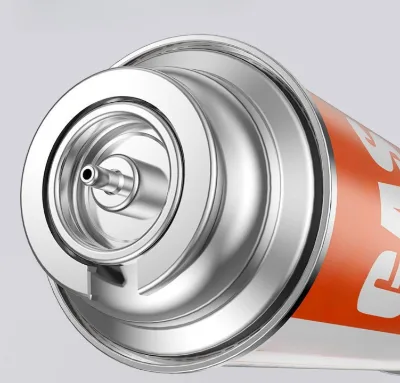


Portable Gas Can Valve Tinplate Butane Canister Gas Valve Butane Gas Can Valve
$0.04 - $0.06
MOQ: 30000 Pieces

Comprehensive Sourcing Guide
Strategic Sourcing Guide for Butane Gas Can Procurement
Understanding Product Specifications and Material Integrity
When sourcing butane gas cans, often categorized under aerosol tin cans or small package tanks, buyers must first establish a clear understanding of the technical specifications that define product viability. The core material for these containers is typically tinplate, a steel sheet coated with a thin layer of tin to provide essential corrosion resistance. This material selection is critical because the container must withstand internal pressure while maintaining structural integrity during transport and storage. The observed industry data indicates that tin thickness generally ranges between 0.2mm and 0.35mm. This range represents a standard baseline for durability, though specific applications may require verification of exact gauges to ensure the can does not deform under pressure or during handling.
The physical dimensions of the can are equally vital. While standard diameters often fall within the 52mm to 65mm range, the market also supports a broader spectrum from 22mm to 66mm depending on the specific valve and nozzle configuration required. Height is another variable that typically spans from 100mm to 300mm. Crucially, the industry standard for these products frequently allows for custom sizing, meaning buyers are not strictly bound to a single fixed dimension. The shape is predominantly round, which offers the most efficient structural strength for pressurized vessels. However, the single gross weight of these units is relatively light, often observed around 0.100 Kg per unit, which significantly influences shipping cost calculations. Buyers should verify that the supplier can accommodate the specific height and diameter requirements of their end-use application, as the "Standard Export Carton" packing often relies on these dimensions to optimize pallet loading.
Compliance, Certification, and Regulatory Verification
Navigating the regulatory landscape for pressurized gas containers requires rigorous attention to certifications and standards. In the context of sourcing from major manufacturing hubs like Guangdong, China, or Shandong, buyers must verify that suppliers hold recognized quality management certifications. The most frequently observed certifications in this sector include ISO and CE marks, alongside specific quality standards such as ISO9001:2008. These certifications indicate that the manufacturer adheres to established procedures for quality control and production consistency. It is important to note that while these certifications are common, they are not universal guarantees for every single product listing; therefore, buyers must request current, valid certificates for the specific batch or production line they intend to purchase.
Beyond general quality certifications, the specific standards governing gas containers are paramount. While general industry knowledge often references standards like EN417 for aerosol containers, buyers should treat this as a benchmark for verification rather than an automatic attribute of every supplier. The procurement process must include a direct inquiry to the supplier regarding their compliance with relevant international safety standards for pressurized vessels. This includes verifying that the manufacturing process ensures the can's ability to hold butane gas without leakage or failure. The presence of a "Corrosion Resistance" feature is a key attribute to confirm, as butane can be corrosive to certain metals if the tin coating is compromised. Buyers should explicitly ask for test reports or documentation proving that the tin thickness and coating quality meet the necessary safety thresholds for gas containment.
Cost Drivers and Economic Factors in Procurement
The economics of sourcing butane gas cans are influenced by several distinct variables, primarily driven by material costs, customization levels, and order volume. The observed price range for these units in the market is approximately 0.04 to 0.55 USD per piece. This wide variance is not arbitrary; it is directly correlated with the complexity of the product. A basic, unprinted can will sit at the lower end of this spectrum, while a unit featuring custom colors, specialized logos, and complex printing techniques will command a higher price. The printing method is a significant cost driver, with CMYK 4-color offset printing being a standard offering. This process allows for high-quality branding but adds to the unit cost compared to single-color or no-print options.
Minimum Order Quantity (MOQ) is another critical economic factor. The market data suggests an MOQ range between 4,000 and 50,000 pieces, with a common baseline of 10,000 pieces. This high entry threshold means that small buyers must consolidate orders or partner with larger distributors to achieve viable unit economics. The MOQ is often tied to the setup costs for custom tooling and printing plates. For buyers requiring custom sizes or specific diameters outside the standard 52/65mm range, the MOQ may increase due to the need for dedicated production runs. Additionally, the choice of packaging affects the total landed cost. While standard export cartons are common, custom packing requests, such as wooden pallets or specific carton configurations, can alter the logistics expenses. Buyers should calculate the total cost per unit, including shipping and potential customs duties, rather than focusing solely on the ex-factory price, as the single package size of roughly 150x130x120 cm can significantly impact freight efficiency.
Typical Applications and Industrial Use Cases
Butane gas cans are versatile components used across various industrial and consumer sectors. The primary application is for aerosol products, where the can serves as the reservoir for the propellant and the active ingredient. These containers are specifically designed for chemical uses, making them suitable for a wide array of products including cleaning agents, personal care items, and industrial lubricants. The "Small Package Tank" classification highlights their utility in applications where portability and precise dispensing are required. The customizability of the product allows manufacturers to tailor the can to specific chemical formulations, ensuring compatibility between the container material and the product contents.
The industrial use extends beyond simple aerosol sprays. The robust nature of the tinplate construction makes these cans suitable for packaging butane gas itself, which is commonly used for lighters, camping stoves, and portable heating units. The ability to accept customized logos and colors is particularly valuable for brands in the consumer electronics and lifestyle sectors, where packaging is a key differentiator. The "Eco-Friendly" attribute observed in many listings suggests a growing trend toward sustainable packaging solutions, which is increasingly important for brands aiming to meet environmental regulations and consumer expectations. Buyers should consider the end-user's requirements when selecting the can's specifications; for instance, a can intended for outdoor camping equipment may require higher pressure ratings and more robust sealing than a can for indoor cleaning products.
Supplier Evaluation and Sourcing Strategy
Evaluating potential suppliers for butane gas cans requires a multi-faceted approach that goes beyond price comparison. Geographic location is a primary indicator of supply chain reliability. The majority of manufacturers in this sector are located in China, with significant clusters in Guangdong, Guangzhou, and Shandong. These regions offer mature supply chains for metal packaging and printing services. However, buyers should verify the specific origin of the product, as "Guangdong" and "Shandong" may imply different logistical advantages depending on the buyer's location. A supplier in Guangdong might offer faster access to ports in the Pearl River Delta, while a Shandong-based supplier might be more cost-effective for shipments to northern regions or Europe.
When assessing a supplier, buyers should look for evidence of OEM (Original Equipment Manufacturer) service acceptance. This indicates that the supplier is capable of producing custom designs, including specific sizes, colors, and logos. The availability of customization is a key differentiator, as it allows buyers to create a unique product identity. However, buyers must be cautious of suppliers who claim "Customized" status without providing concrete examples or case studies. It is essential to request samples that match the exact specifications of the intended order, including the tin thickness, printing quality, and valve compatibility. The supplier's ability to handle "Custom Size Accepted" requests is a strong indicator of their manufacturing flexibility. Furthermore, buyers should evaluate the supplier's capacity to handle large volumes, given the high MOQs typical in this industry. A supplier with a proven track record of meeting lead times for orders exceeding 10,000 pieces is preferable to one that struggles with smaller batches.
Quality Control and Long-Term Procurement Considerations
Ensuring consistent quality in Butane Gas Can procurement requires a robust quality control (QC) framework. Given the safety implications of pressurized containers, buyers should implement a multi-stage QC process. This begins with raw material inspection, verifying that the tinplate meets the specified thickness and coating standards. During production, regular checks on the welding and sealing processes are necessary to prevent leaks. The final inspection should focus on the printing quality, ensuring that the CMYK 4-color offset printing is accurate and that the custom logos are applied correctly without smudging or misalignment.
Long-term procurement considerations involve building a sustainable relationship with suppliers who can adapt to changing market demands. The "Eco-Friendly" attribute suggests that future regulations may require more sustainable materials or manufacturing processes. Buyers should engage with suppliers who are proactive about environmental compliance and can demonstrate their commitment to reducing waste and energy consumption. Additionally, the flexibility of the supplier to accommodate design changes is crucial. As product formulations evolve, the can specifications may need to adjust, and a supplier with a history of successful customization will be better equipped to handle these transitions. Buyers should also consider the packaging logistics, ensuring that the "Standard Export Carton" or custom packing options provided by the supplier are durable enough to protect the cans during long-distance shipping. Finally, maintaining open communication regarding lead times and production schedules is vital to avoid supply chain disruptions, especially when dealing with high-volume orders that require precise timing.
Comparative Analysis of Product Attributes
To facilitate decision-making, buyers can utilize the following comparison of key product attributes observed in the market. This table highlights the variability in specifications and helps identify the most suitable options for specific procurement needs.
| Attribute | Standard Observation | Customization Potential | Impact on Procurement |
|---|---|---|---|
| Material | Tinplate (Tin) | High | Determines corrosion resistance and cost. |
| Shape | Round Shape | Low | Structural integrity is standard; shape changes are rare. |
| Diameter | 52mm / 65mm | High (22-66mm range) | Affects valve compatibility and internal volume. |
| Height | 100-300mm | High | Influences total capacity and stacking efficiency. |
| Printing | CMYK 4 Color Offset | High | Adds branding value but increases unit cost. |
| Certification | ISO, CE, ISO9001:2008 | Variable | Essential for regulatory compliance and safety. |
| MOQ | 10,000 PCS (Typical) | Variable | Higher MOQs may be required for custom runs. |
| Origin | Guangdong, China | N/A | Affects lead time and shipping logistics. |
This comparison underscores that while the core material and shape remain relatively consistent, the dimensions, printing, and certifications offer significant flexibility. Buyers should prioritize their specific needs—whether that is cost efficiency, branding, or regulatory compliance—when selecting a supplier. By focusing on these attributes, procurement teams can make informed decisions that align with their strategic goals and ensure the successful integration of butane gas cans into their product lines.
FAQs
What certifications do Butane Gas Can suppliers typically hold?
Suppliers typically hold ISO and CE certifications, along with ISO9001:2008 for quality management. These marks indicate adherence to established production procedures, though buyers must verify current certificates for specific batches before purchasing.
Can I order custom sizes for butane gas cans?
Yes, custom sizes are accepted with diameters ranging from 22mm to 66mm and heights from 100mm to 300mm. The industry standard supports round shapes, allowing manufacturers to tailor dimensions to specific valve and nozzle configurations.
What is the minimum order quantity for these cans?
The minimum order quantity typically ranges from 4,000 to 50,000 pieces, with a common baseline of 10,000 units. High entry thresholds reflect setup costs for custom tooling and printing plates required for specialized orders.
How is the Butane Gas Can material constructed?
The cans are constructed from tinplate, a steel sheet coated with tin to provide corrosion resistance. Tin thickness generally ranges between 0.2mm and 0.35mm to ensure structural integrity while withstanding internal pressure during transport.
What printing options are available for branding?
CMYK 4-color offset printing is a standard offering for high-quality branding and custom logos. This process allows for detailed color application, though unit costs vary based on the complexity of the design and color count.
Where are these Butane Gas Can manufacturers located?
Manufacturers are primarily located in China, with significant clusters in Guangdong, Guangzhou, and Shandong regions. These areas offer mature supply chains for metal packaging, though specific origins may influence logistics costs and port access.