Source Recyclable Tea Tin Box for coffee, gifts, and beverages
Explore 30 options for the Recyclable Tea Tin Box, featuring metal construction, custom sizes, and eco-friendly designs suitable for coffee, gifts, and beverages. Buyers can compare specifications like dimensions, certifications, and printing options from verified suppliers in Guangdong.
Key considerations
Products List
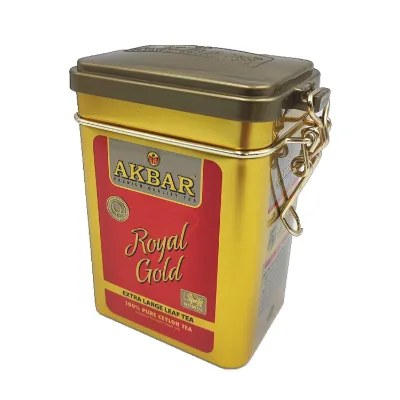
Classic Coffee Tin Packaging Rectangle Shape Tea Tin Box With Plastic Lid
$0.61 - $0.71
MOQ: 3000 pieces


Custom Printing Tin Packaging Rectangle Metal Tea Box Sealed Coffee Tin Can
$1.50 - $1.80
MOQ: 1000 Pieces


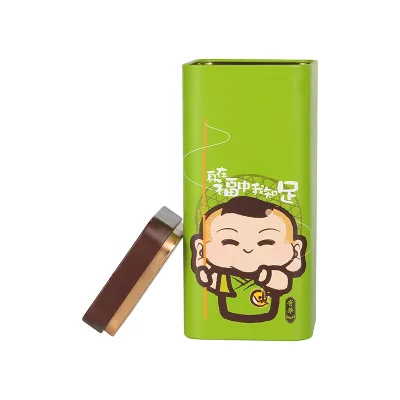

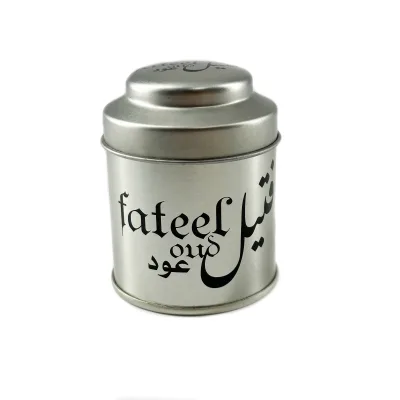


Rectangle Red Tea Canister Tin Metal Coffee Bean Storage Packaging Gift Boxes
$0.18 - $0.90
MOQ: 3000 Pieces


Comprehensive Sourcing Guide
Strategic Sourcing Guide for Recyclable Tea Tin Boxes
Understanding Material Composition and Technical Specifications
When sourcing a Recyclable Tea Tin Box, the primary focus must be on the material integrity and dimensional precision that ensure product safety and brand presentation. The core material for these containers is typically tinplate, a steel sheet coated with a thin layer of tin. This combination offers the necessary rigidity to protect tea leaves from moisture and light while maintaining the structural integrity required for stacking and shipping. The observed market data indicates that these containers are often available in various shapes, including rectangle and oval configurations, with specific models like the WM83-707-41 and WM22-145-1 representing common industry standards.
Dimensional customization is a critical feature for buyers seeking unique branding opportunities. While standard sizes exist, the market supports "Custom" sizing to fit specific tea blends or promotional needs. For instance, specific volume configurations such as 80 x 60 x 115 mmH are observed, but buyers should verify exact internal capacity against their product weight. The wall thickness is another vital technical parameter; data points suggest a thickness of approximately 0.23mm for standard models, though this can vary based on the desired durability. Buyers must confirm that the chosen thickness aligns with the weight of the tea being packaged, as insufficient thickness may lead to deformation during transit.
The lid mechanism is equally important for preserving the freshness of the tea. Options range from flush lids that provide an airtight seal to hinged designs that offer convenience. The rectangular tin box models often feature a flush air-tight lid, which is essential for preventing oxidation and moisture ingress. Conversely, oval tin boxes may come without hinges, relying on a friction fit or embossing to secure the lid. The choice between these mechanisms depends on the target consumer's usage habits and the required shelf life of the tea product.
Compliance Standards and Certification Verification
Ensuring that a tea tin box meets international safety and environmental standards is non-negotiable for B2B procurement. The packaging must be safe for direct contact with food products, necessitating rigorous testing and certification. The supply chain data highlights several key certifications that reputable manufacturers should possess, including ISO, BSCI, Sedex, and BRC. These certifications indicate that the supplier adheres to specific management systems regarding quality, social responsibility, and ethical sourcing.
Food safety compliance is paramount. The relevant testing standards observed in the market include FDA, LFGB, EN71-3, and BPA-free assurances. FDA compliance ensures the materials are safe for use in the United States, while LFGB is the German standard for food contact materials, often required for European markets. EN71-3 relates to the migration of certain elements from toys and children's products, but its inclusion here suggests a high standard of material purity. BPA-free status is crucial, as buyers must verify that the tin coating or any internal lacquers do not contain Bisphenol A, which can leach into food products.
Environmental certifications further validate the "recyclable" claim. The products are often marketed as eco-friendly and durable, with a specific feature of being recyclable. Buyers should request documentation proving that the tinplate used is 100% recyclable and that the manufacturing process minimizes waste. While ISO9001 is a common background standard for quality management, the specific presence of ISO, BRC, and BSCI in the product data provides a stronger basis for evaluating the supplier's commitment to consistent quality and ethical labor practices.
Cost Drivers and Pricing Structure Analysis
The pricing of recyclable tea tin boxes is influenced by several dynamic factors, including material costs, customization complexity, and order volume. The observed price range in the market spans from $0.01 to $1.80 USD per unit, a wide variance that reflects differences in size, thickness, and decoration. The minimum order quantity (MOQ) typically ranges from 1,000 to 5,000 units, with a high-confidence data point indicating an MOQ of 3,000 pieces for certain models. This volume requirement is a significant cost driver, as smaller orders often incur higher per-unit costs due to setup fees and machine changeover times.
Material costs are a primary component of the final price. Tinplate prices fluctuate based on global steel and tin markets. The thickness of the tinplate, such as the 0.23mm specification, directly impacts the amount of raw material used and, consequently, the cost. Thicker gauges will result in higher prices but offer better protection for the tea. Customization also plays a major role in pricing. Features like logo printing, embossing, and specific color finishes add to the production cost. The "Any Color" option suggests flexibility, but achieving specific Pantone matches or complex multi-color printing requires additional setup and quality control, which increases the unit price.
Supply ability is another factor to consider. A supplier with a high supply ability, such as 20,000 pieces per day, may offer more competitive pricing due to economies of scale. However, buyers must balance this with lead times and the supplier's capacity to handle custom orders. The packaging details, such as individual polybagging and export cartons, also add to the overall cost. Buyers should request a detailed breakdown of costs to understand how much is attributed to the raw material versus the finishing and packaging processes.
Typical Applications and Usage Scenarios
Recyclable tea tin boxes serve a dual purpose: functional storage and premium branding. The primary industrial use is for beverages, specifically tea, but the versatility of these containers extends to other food items and gifts. The product attributes list "Food" and "Gifts" as usage categories, highlighting their adaptability. For tea brands, these tins provide an excellent medium for storytelling and brand identity, allowing for high-quality logo printing and unique shapes that stand out on retail shelves.
The specific applications vary based on the tea type. Loose-leaf teas often require larger volumes and airtight seals to maintain freshness, making the rectangular tin boxes with flush air-tight lids ideal. Smaller, more decorative oval tin boxes might be used for premium gift sets or single-serving tea blends. The "Flower Shaped Tin Box" with a flush lid offers a unique aesthetic for luxury markets, while the "Simplicity" style caters to minimalist branding trends.
Beyond retail, these tins are frequently used for corporate gifting and promotional events. The recyclable nature of the product aligns with corporate sustainability goals, making them an attractive choice for companies looking to reduce their environmental footprint. The ability to customize the shape, size, and color allows businesses to create cohesive packaging lines that match their brand guidelines. Whether for a high-end tea retailer or a local coffee shop, the tin box serves as a durable vessel that enhances the perceived value of the product inside.
Supplier Evaluation and Production Capabilities
Evaluating a supplier for tea tin box production requires a thorough assessment of their manufacturing capabilities, location, and logistical infrastructure. The supply chain data indicates that many manufacturers are located in Guangdong, China, specifically in Dong Guan, a hub for metal packaging production. This concentration of suppliers often leads to competitive pricing and a mature supply chain for raw materials and finishing services. However, buyers should verify the specific factory location to ensure it aligns with their logistical preferences and risk management strategies.
Production capacity is a critical metric. A supplier with a supply ability of 20,000 pieces per day demonstrates the capacity to handle large orders and meet tight deadlines. Buyers should inquire about the supplier's current order book and their ability to scale production during peak seasons. The model numbers observed, such as WM83-707-41 and WM22-145-1, suggest that the supplier has established production lines for specific designs. Buyers should confirm if the supplier can replicate these designs or if they offer custom tooling for unique shapes.
Logistics and shipping are also key considerations. The port of dispatch is often Yantian, a major container port in Shenzhen. Buyers should verify the shipping terms and the supplier's experience with international freight. Packaging details, such as "Each pc in polybag" and "Carton" packing, indicate a standard export-ready process. However, buyers with specific requirements, such as custom labeling or special palletization, should discuss these needs upfront. The supplier's ability to accommodate "requirements of the guests" suggests flexibility, but clear communication is essential to avoid misunderstandings.
Quality Control and Long-Term Procurement Strategy
Implementing a robust quality control (QC) strategy is essential for ensuring that every batch of tea tin boxes meets the required standards. Buyers should establish clear acceptance criteria based on the technical specifications, including dimensions, thickness, and finish quality. Visual inspections should check for defects such as scratches, dents, or uneven printing. Functional tests should verify the airtight seal of the lid and the durability of the container under stacking pressure.
For long-term procurement, building a relationship with a reliable supplier is more beneficial than constantly switching vendors. A supplier with certifications like ISO, BSCI, and Sedex is more likely to maintain consistent quality and ethical standards over time. Buyers should request regular quality reports and conduct periodic audits to ensure compliance. The ability to customize and the availability of various models indicate a supplier that can adapt to changing market needs, making them a valuable long-term partner.
Sustainability should be a core component of the procurement strategy. Given the "recyclable" and "eco-friendly" attributes of the product, buyers should work with suppliers who prioritize sustainable practices in their manufacturing process. This includes using recycled materials where possible and minimizing waste during production. By focusing on long-term partnerships and continuous improvement, buyers can ensure a steady supply of high-quality, recyclable tea tin boxes that meet both functional and environmental requirements.
Comparison of Common Tin Box Specifications
| Feature | Rectangle Tin Box | Oval Tin Box | Flower Shaped Tin Box |
|---|---|---|---|
| Typical Model | WM83-707-41, WM21-135-2 | WM23-158 | WM83-707-25 |
| Lid Type | Flush Air Tight Lid | Without Hinge | Flush Lid |
| Shape | Rectangle | Oval | Flower |
| Embossing | Available | With Embossing | Available |
| Style | Simplicity | Standard | Decorative |
| Primary Use | Bulk Tea Storage | Gift Sets | Premium Packaging |
This comparison highlights the diversity in design and functionality available to buyers. The choice between these types depends on the specific needs of the tea product and the target market. By understanding these distinctions, buyers can make informed decisions that align with their brand strategy and operational requirements.
FAQs
What certifications do recyclable tea tin boxes typically have?
These boxes often carry ISO, BSCI, Sedex, and BRC certifications to ensure quality and ethical sourcing. Some models also meet FDA, LFGB, and EN71-3 standards for food safety and material purity.
How can I customize the size of a tea tin box?
Custom sizing is available to fit specific tea blends or promotional needs. Buyers should verify exact internal capacity against their product weight before finalizing dimensions like the 80 x 60 x 115 mmH model.
Which lid type ensures the best freshness for loose tea?
Rectangular tin boxes with flush air-tight lids provide the best seal to prevent oxidation and moisture ingress. Oval options may lack hinges and rely on friction fits instead.
Can I order recyclable tea tins with a minimum of 1000 units?
Yes, minimum order quantities typically range from 1000 to 5000 units. Some specific models require a higher threshold of 3000 pieces per order to proceed with production.
What material is used to make these recyclable tea containers?
The containers are made from tinplate, a steel sheet coated with a thin layer of tin. This material offers rigidity for protection while remaining fully recyclable and eco-friendly.
How thick is the standard tinplate used for these boxes?
Standard models often feature a thickness of approximately 0.23mm. Buyers must confirm this aligns with the weight of the tea to prevent deformation during transit.