Source Food Grade Rectangle Cookie Tin for Food Gifts and Toys
Explore 30 options for Food Grade Rectangle Cookie Tin boxes designed for food, gifts, and toys. Buyers can compare customization, certifications, and dimensions to find the right packaging solution.
Key considerations
Products List


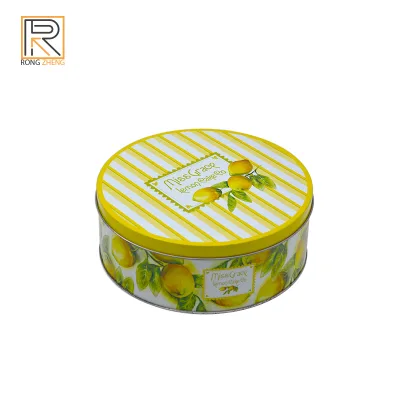


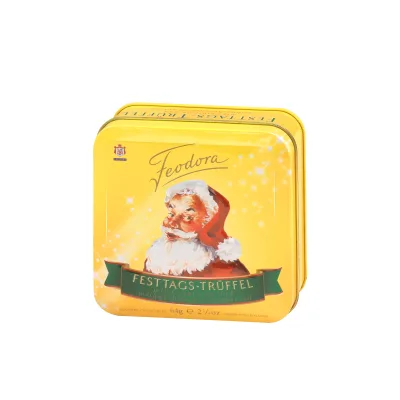


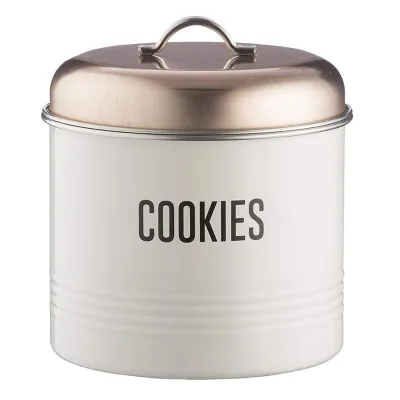


Wholesale Rectangular Silver Metal Packaging Container Food Grade Chocolate Box Tin
$0.39 - $0.55
MOQ: 10000 Pieces

Comprehensive Sourcing Guide
Strategic Sourcing Guide for Food Grade Rectangle Cookie Tins
Understanding Product Specifications and Material Integrity
When sourcing food-grade rectangle cookie tins, the primary objective is to secure packaging that ensures product safety while maintaining structural integrity during transit and storage. The core material for these containers is typically tinplate, a steel sheet coated with a thin layer of tin to prevent rust and ensure compatibility with food products. Based on observed market data, high-quality options often utilize First Grade Tinplate with a specific material thickness of 0.23mm. This thickness is critical; it provides the necessary rigidity to protect delicate items like biscuits and cookies from crushing while remaining lightweight enough to manage shipping costs efficiently.
The physical dimensions of the tin are a decisive factor in procurement. Buyers should expect to encounter a variety of standard sizes, ranging from compact units measuring approximately 104x79x40mmH to larger formats reaching 260x170x72mmH. The shape is predominantly rectangular, though square variations are also available in the market. For instance, specific models may feature dimensions of 110x110x65mmH, offering a distinct footprint for different branding strategies. The "Large" and "Middle" size classifications often appear in product listings, indicating that buyers must verify the exact internal volume required for their specific cookie batch size before placing an order. The surface handling of these tins usually involves varnishing, which serves a dual purpose: it enhances the aesthetic appeal by providing a smooth finish for printing and creates a protective barrier against moisture and corrosion.
Compliance and Certification Verification
For any packaging intended to hold food items, regulatory compliance is non-negotiable. The procurement process must prioritize verifying that the supplier can provide documentation for relevant safety certifications. In the context of tinplate food containers, the market standard often includes a suite of certifications such as ISO, SGS, RoHS, FDA, BPA-free status, and Reach compliance. These certifications are not merely marketing terms; they represent independent verification that the materials used do not leach harmful substances into the food product.
Buyers must specifically look for FDA certification, which indicates that the tinplate and the internal lacquer coatings are safe for direct food contact. Similarly, BPA-free certification is essential to ensure that the epoxy resins used in the lining do not contain Bisphenol A, a chemical of concern in food packaging. The presence of RoHS and Reach certifications further confirms that the product adheres to strict regulations regarding hazardous substances, which is particularly important for exports to the European Union and other regulated markets. While some listings may claim these certifications, a prudent buyer will request valid test reports or certificates of analysis from the supplier to confirm the current status of these approvals. The absence of these specific certifications should be treated as a red flag, regardless of the product's aesthetic appeal or price point.
Cost Drivers and Economic Factors
The pricing of food-grade rectangle cookie tins is influenced by several dynamic factors, primarily the raw material costs of steel and tin, which fluctuate based on global commodity markets. The observed price range for these items in the current market spans from $0.04 to $5.00 per unit. This wide variance is not arbitrary; it reflects differences in material thickness, printing complexity, order volume, and customization levels. A unit at the lower end of the spectrum typically represents a standard, non-customized design with minimal printing, whereas the higher end accounts for complex multi-color printing, custom molds, and premium finishes.
Minimum Order Quantity (MOQ) is another significant cost driver. Suppliers typically enforce MOQs ranging from 500 to 15,000 units. For small businesses or those testing a new product line, the lower MOQ of 500 units offers a manageable entry point, though the per-unit cost may be slightly higher due to setup fees. Conversely, larger orders of 15,000 units often benefit from economies of scale, reducing the unit price significantly. Buyers should also consider the cost of tooling. While many suppliers claim to have existing molds for standard models, custom designs require the creation of new molds, which adds to the initial investment. The "Have Existing Mould" attribute found in many listings suggests that buyers can save on tooling costs by selecting from pre-existing designs, which is a strategic way to reduce upfront expenses.
Typical Applications and Usage Scenarios
The versatility of rectangle cookie tins makes them suitable for a broad spectrum of applications beyond simple food storage. The primary usage category is undoubtedly food, specifically for biscuits, cookies, candies, and confectionery. The airtight nature of a well-sealed tin helps preserve the freshness and crunch of baked goods, extending their shelf life significantly compared to paper or plastic alternatives. However, the utility of these containers extends into the gift and promotional sectors. The "Gifts" usage category highlights their role in holiday packaging, corporate gifting, and special occasion favors.
Furthermore, the market data indicates that these tins are increasingly used for non-food items such as jewelry, electronics, cosmetics, toys, drinks, and health care products. This diversification is driven by the tin's durability and the premium perception it conveys to the consumer. The "Leisure" and "Simplicity" styles observed in product attributes suggest that these tins are designed to appeal to modern consumers who value both functionality and aesthetic minimalism. For brands in the health care or cosmetic sectors, the recyclable nature of the metal tin aligns well with sustainability goals, allowing the container to be repurposed by the end-user for storage after the initial product is consumed.
Supplier Evaluation and Customization Capabilities
Evaluating a supplier for this category requires a deep dive into their customization capabilities and production flexibility. The market supports a high degree of personalization, with attributes such as "Logo Printing," "Custom Order," and "OEM/ODM" being widely available. Buyers should verify the supplier's ability to handle specific printing requirements, such as CMYK 4-color printing, Pantone (PMS) matching, or a combination of both. The ability to customize colors and logos is crucial for brand identity, and suppliers with "Existing Moulds" can often accommodate these changes without the need for new tooling, provided the design fits within the standard tin dimensions.
Lead time and sample availability are critical metrics for supplier evaluation. Typical sample times range from 1 to 7 working days, depending on the complexity of the design and the supplier's current workload. Once the sample is approved, the production lead time generally falls between 3 to 5 weeks. Buyers must account for this timeline when planning their product launches or inventory replenishment. Additionally, the origin of the product, often Guangdong, China, is a significant hub for tin manufacturing, offering a mature supply chain and competitive labor costs. However, buyers should also assess the supplier's quality control processes and their ability to maintain consistent standards across large production runs.
Quality Control and Long-Term Procurement Strategy
Ensuring consistent quality in tinplate packaging requires a robust quality control (QC) strategy. The physical attributes of the tin, such as its weight (typically under 0.5 kg) and shape (rectangle or square), must be consistent across the entire batch. Buyers should establish clear acceptance criteria for visual defects, such as scratches, dents, or uneven varnishing. The packaging method, often involving polybags and cartons, must be sufficient to prevent damage during shipping.
For long-term procurement, buyers should consider the sustainability and recyclability of the product. The "Eco-Friendly and Durable" features of tinplate make it a superior choice for brands aiming to reduce their environmental footprint. Unlike single-use plastics, tin tins can be infinitely recycled without loss of quality. When negotiating long-term contracts, buyers should lock in pricing structures that account for raw material volatility and establish clear protocols for reordering existing designs. Maintaining a relationship with a supplier who offers "Customized" options allows for future product line expansions without the need to source from a new vendor. By focusing on suppliers with verified certifications and a track record of reliable delivery, buyers can secure a supply chain that supports both immediate operational needs and long-term brand growth.
Summary of Key Procurement Parameters
To facilitate a streamlined decision-making process, the following table summarizes the critical parameters buyers should verify when sourcing food-grade rectangle cookie tins. This comparison highlights the range of options available and the specific attributes that define a high-quality supplier offering.
| Parameter | Standard Observation | Verification Requirement |
|---|---|---|
| Material | First Grade Tinplate (0.23mm) | Request material thickness certificate |
| Shape | Rectangle, Square | Confirm internal dimensions match needs |
| Certifications | ISO, SGS, RoHS, FDA, BPA, Reach | Demand valid test reports for each |
| Printing | CMYK, PMS, Customized | Verify color matching accuracy (PMS) |
| MOQ | 500 - 15,000 Units | Negotiate based on initial volume |
| Sample Time | 1 - 7 Working Days | Confirm timeline before design finalization |
| Lead Time | 3 - 5 Weeks | Plan production schedule accordingly |
| Origin | Guangdong, China | Verify factory location and logistics |
By adhering to these guidelines and rigorously checking the provided specifications against actual supplier capabilities, buyers can secure high-quality, compliant, and cost-effective packaging solutions for their food-grade rectangle cookie tins.
FAQs
What certifications do food grade rectangle cookie tins typically have?
These tins typically hold ISO, SGS, RoHS, FDA, BPA, and Reach certifications. Buyers should verify valid test reports to ensure the materials are safe for direct food contact and comply with international safety standards for hazardous substances.
How thick is the tinplate material used for these cookie tins?
The material is usually First Grade Tinplate with a thickness of 0.23mm. This specific thickness provides necessary rigidity to protect delicate items like biscuits from crushing while remaining lightweight enough to manage shipping costs efficiently.
Can I customize the logo and colors on these tin containers?
Yes, customization is available with options for CMYK, PMS, or combined printing. Suppliers often have existing molds, allowing for customized logos and colors without the need for new tooling costs, provided the design fits standard dimensions.
What is the typical lead time for production after sample approval?
Production lead time is generally 3 to 5 weeks after the approval of samples. Buyers must account for this timeline when planning product launches, as sample times can vary from 1 to 7 working days depending on design complexity.
Which minimum order quantities are common for these metal cookie tins?
Minimum order quantities typically range from 500 to 15,000 units. Lower MOQs offer an entry point for testing new lines, while larger orders often benefit from economies of scale that significantly reduce the per-unit cost.
What shapes are available for food grade rectangle cookie tins?
While predominantly rectangular, square variations are also available in the market. Specific models feature dimensions like 110x110x65mmH, offering distinct footprints for different branding strategies and internal volume requirements.