Source Custom Shape Playing Card Tin for Food, Electronics, Gifts
Compare 30 suppliers offering Custom Shape Playing Card Tin boxes with varying sizes, hinge options, and eco-friendly tinplate materials. Buyers can evaluate MOQs, certifications, and printing styles for food, electronics, and gift packaging needs.
Key considerations
Products List


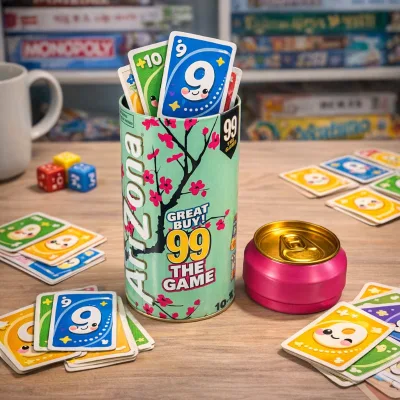
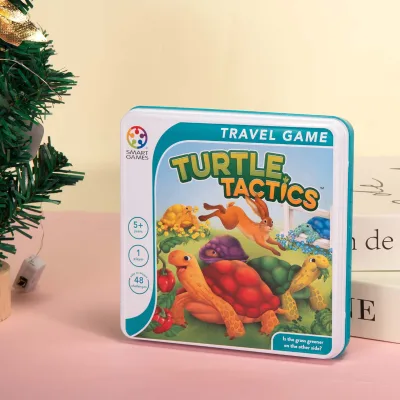
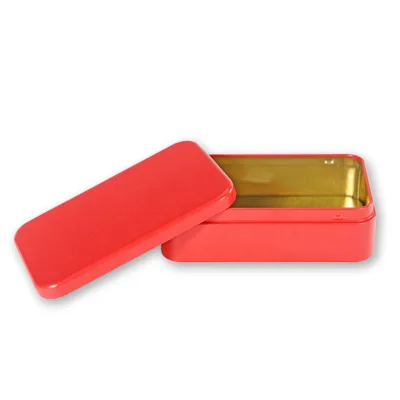
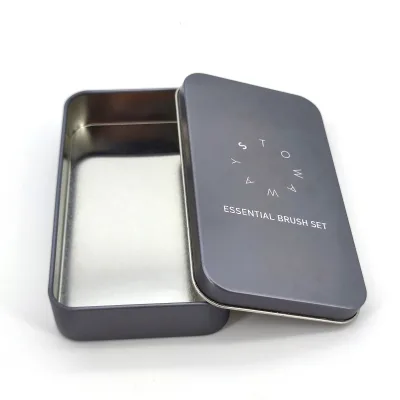
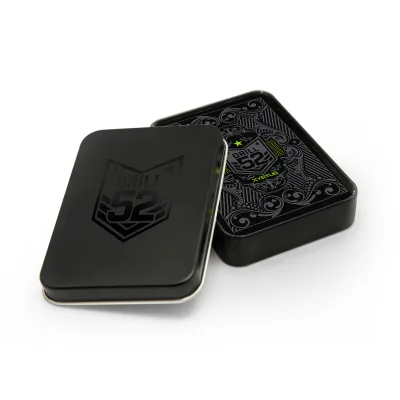
Playing Cards Storage Metal Tin Can Poker Packing Metal Tin Box Custom Brand
$0.31 - $1.22
MOQ: 5000 Minimum
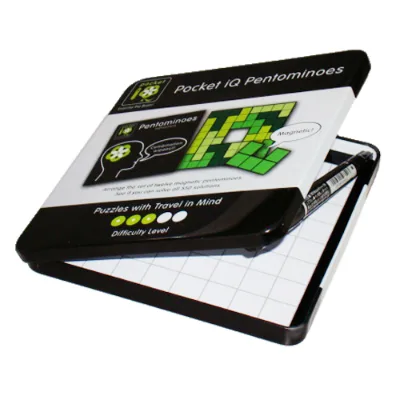
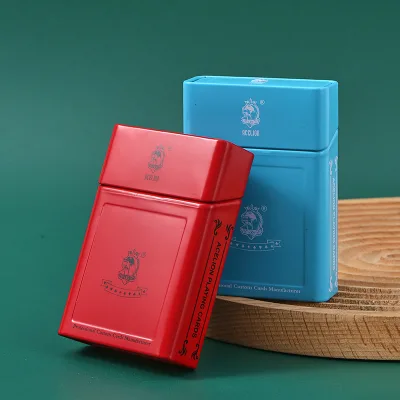

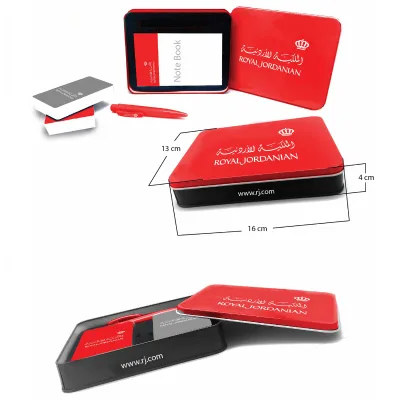
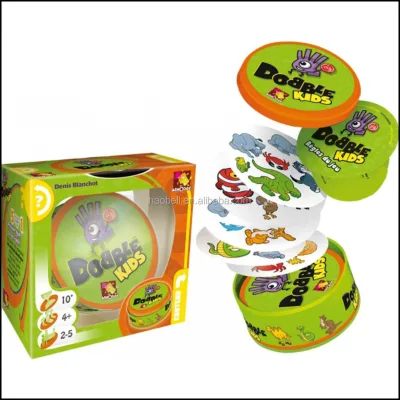
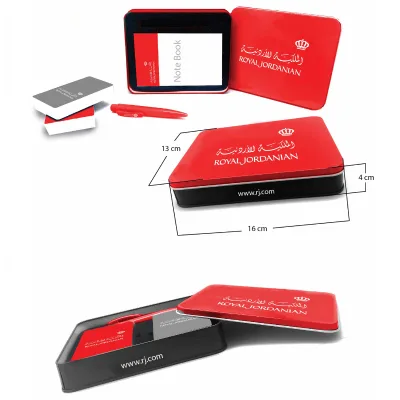


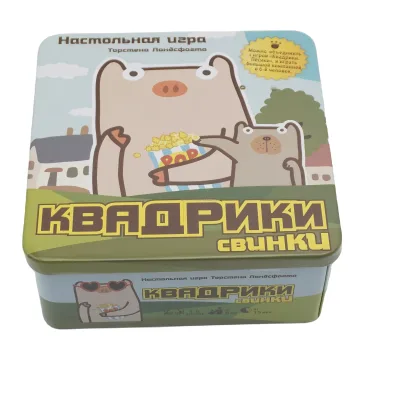

Comprehensive Sourcing Guide
Strategic Sourcing Guide for Custom Shape Playing Card Tin Packaging
Navigating the procurement landscape for Custom Shape Playing Card Tin packaging requires a disciplined approach that balances aesthetic customization with rigorous technical and compliance verification. The market for tinplate containers is vast, yet the specific requirements for playing card packaging demand precision in dimensions, structural integrity, and surface finishing to ensure the cards remain protected and the product presentation remains premium. This guide synthesizes observed market data and standard industry practices to provide a comprehensive framework for buyers evaluating potential suppliers for these specialized containers.
Technical Specifications and Dimensional Precision
The foundation of any successful procurement for tin packaging lies in the precise definition of technical specifications. For playing cards, the internal volume and shape must accommodate standard card dimensions while allowing for the desired custom aesthetic. Market observations indicate that tinplate thickness is a critical variable, typically ranging from 0.18mm to 0.35mm. This range offers a balance between durability and cost-efficiency; thinner gauges may be suitable for lightweight gift sets, while thicker gauges provide superior protection for high-volume card decks. Buyers must verify that the selected thickness aligns with the specific weight and fragility of the cards being packaged.
Shape is another paramount specification. While the industry standard often leans toward rectangular forms, custom requests frequently include square, cylindrical, or unique geometric profiles. Data suggests that rectangular tins often feature dimensions around 220mm in length, 165mm in width, and 70mm in height, though custom sizes are widely available. Square variants and cylindrical shapes, such as those with a diameter of 74mm and a height of 195mm, are also common options. The structural design, including the presence or absence of hinges, significantly impacts the user experience. Some designs utilize a hinge mechanism for a "game tin" feel, while others employ a friction-fit or snap-closure design without hinges, often featuring embossing for added texture.
Surface finishing processes are equally vital for the tactile quality of the product. Varnishing and glossy finishes are standard methods to enhance visual appeal and protect the printed graphics. The printing technology typically employed is CMYK 4-color offset printing, which allows for high-fidelity reproduction of complex designs required for playing card branding. Buyers should confirm that the supplier utilizes this specific printing method to ensure color accuracy and consistency across large production runs.
Compliance and Certification Verification
In the realm of consumer goods, particularly those involving toys and gifts, regulatory compliance is non-negotiable. Playing cards are often categorized alongside toys, necessitating strict adherence to safety standards. Suppliers should demonstrate compliance with recognized international certifications such as BSCI, ISO, Sedex, and BRC. These certifications indicate that the manufacturer adheres to social compliance, quality management, and food safety standards, which are often prerequisites for major retailers.
Specific to the material safety of the tin and its contents, testing against standards like FDA, LFGB, EN71-3, and BPA is essential. EN71-3 is particularly relevant for toys, focusing on the migration of specific elements, while FDA and LFGB ensure that the packaging materials do not leach harmful substances, even if the cards themselves are not food items, as the packaging may come into contact with hands or other surfaces. The presence of BPA-free claims or testing results further validates the safety profile of the tinplate material.
Buyers must treat these certifications as verified facts rather than marketing claims. It is imperative to request current, valid certificates from the supplier and verify their scope to ensure they cover the specific product line being manufactured. The origin of the product also plays a role in compliance; manufacturing hubs in regions like Zhejiang and Dong Guan in China are known for their concentration of tinplate manufacturers, but the specific factory's compliance record must be validated independently.
Cost Drivers and Economic Factors
Understanding the cost structure of custom tin packaging is crucial for budgeting and negotiation. The primary cost drivers include the material thickness, the complexity of the shape, and the volume of the order. The observed Minimum Order Quantity (MOQ) ranges significantly, from 144 pieces to as high as 10,000 pieces. This variance suggests that suppliers have different tiers of production capability, with lower MOQs often commanding a higher unit price due to setup costs, while higher volumes benefit from economies of scale.
The customization level is another significant factor. Options such as custom logo printing, embossing, and unique shapes add to the production complexity and cost. While some suppliers offer "without logo printing" as a standard option, the ability to accept custom logos and designs is a key value-add. The payment terms, typically structured as a 30% deposit followed by a balance upon shipment, are standard in the industry but should be clearly defined in the contract.
Lead times and sample availability also influence the overall cost of procurement. A sample time of 5-7 days is a common benchmark, allowing buyers to verify quality before committing to a full production run. However, delays in sample approval can cascade into longer lead times for the final order. Buyers should factor in the time required for design iterations and testing when planning their product launch schedules.
Typical Applications and Market Usage
Custom shape playing card tins serve a diverse range of applications beyond simple storage. The versatility of the product allows it to be utilized in the food, electronics, gifts, cosmetics, toys, drinks, and health care product sectors. For playing cards specifically, the tin acts as a premium packaging solution that enhances the perceived value of the game. The "eco-friendly and recyclable" nature of tinplate is a strong selling point for brands targeting environmentally conscious consumers.
The application extends to gift sets where the tin itself becomes a collectible item. In the toy sector, the durability of the tin ensures that the cards remain in pristine condition despite frequent handling. The "simplicity" style often associated with these tins makes them suitable for a wide array of branding strategies, from minimalist designs to elaborate, colorful graphics. The ability to customize the packing, such as using 1 piece per polybag within an export carton, allows for flexible logistics and retail display options.
Supplier Evaluation and Selection Criteria
Selecting the right supplier requires a multi-faceted evaluation process. Buyers should prioritize suppliers who demonstrate transparency in their production capabilities and quality control measures. The location of the supplier, whether in Zhejiang or Dong Guan, can impact logistics costs and lead times, but the primary focus should remain on the supplier's track record with similar products.
Key evaluation criteria include the supplier's ability to handle custom requests, their certification status, and their responsiveness to sample requests. A supplier that offers "OEM" (Original Equipment Manufacturer) services indicates a willingness to work closely with the buyer to bring a specific design to life. The availability of a "small-sized" or "middle-sized" packaging standard can also be a deciding factor depending on the target market's shipping requirements.
Buyers should also assess the supplier's capacity for volume production. An MOQ of 10,000 pieces might be suitable for large-scale distributors, while smaller brands may need to negotiate lower thresholds or consolidate orders with other products. The supplier's experience with specific printing techniques, such as CMYK offset printing, and their ability to maintain color consistency are critical indicators of quality.
Quality Control and Testing Protocols
Implementing a robust quality control (QC) protocol is essential to ensure that the final product meets the buyer's expectations. QC should begin at the raw material stage, verifying the tinplate thickness and quality. During production, regular inspections should be conducted to check for defects in printing, embossing, and structural integrity. The "without hinge" or "with hinge" design must be tested for durability to ensure the tin opens and closes smoothly without damaging the contents.
Testing for compliance with standards like EN71-3 and BPA should be performed on a batch basis. Buyers should request test reports from the supplier and, if necessary, engage third-party laboratories to verify these results. The surface finishing, whether glossy or varnished, should be inspected for uniformity and resistance to scratching or fading.
Long-Term Procurement Considerations
Sourcing custom shape playing card tins is not a one-time transaction but a long-term partnership. Buyers should consider the scalability of the supplier's operations and their ability to adapt to changing market demands. The "eco-friendly" attribute of tinplate is likely to remain a key differentiator, and suppliers who can innovate in this area will be valuable partners.
Flexibility in packaging and customization is also crucial. As market trends shift, the ability to quickly adapt designs and specifications will be a competitive advantage. Buyers should establish clear communication channels and contractual agreements that define quality standards, delivery timelines, and dispute resolution mechanisms. By focusing on these long-term considerations, buyers can build a resilient supply chain that supports their brand's growth and reputation.
| Feature Category | Standard Observation | Verification Requirement |
|---|---|---|
| Material Thickness | 0.18mm - 0.35mm | Confirm specific gauge for card weight |
| Certifications | BSCI, ISO, Sedex, BRC | Request valid, current certificates |
| Safety Standards | FDA, LFGB, EN71-3, BPA | Verify test reports for specific batch |
| Printing Method | CMYK 4 Color Offset | Check color proof samples |
| MOQ Range | 144 - 10,000 Pcs | Negotiate based on order volume |
| Sample Time | 5-7 Days | Confirm lead time for rush orders |
| Origin | Zhejiang, Dong Guan | Verify factory location and capacity |
By adhering to these guidelines and maintaining a rigorous approach to specification, compliance, and supplier evaluation, buyers can successfully source high-quality Custom Shape Playing Card Tin packaging that meets both functional and aesthetic requirements.
FAQs
What certifications do Custom Shape Playing Card Tin suppliers typically hold?
Suppliers often hold BSCI, ISO, Sedex, and BRC certifications to ensure social and quality compliance. Some products also meet FDA, LFGB, EN71-3, and BPA safety standards for toys and food contact, which is critical for playing card packaging.
How is the tinplate thickness specified for these custom containers?
The tinplate thickness typically ranges from 0.18mm to 0.35mm depending on the specific model and durability needs. This gauge provides a balance between structural integrity for card protection and cost-efficiency for large volume orders.
Can suppliers customize the logo and printing details for these tins?
Yes, suppliers accept custom logo printing and offer CMYK 4-color offset printing for high-fidelity designs. Options include varnishing or glossy finishes, and some models allow for embossing without hinges to enhance the tactile experience.
What are the typical minimum order quantities for custom tin packaging?
Minimum order quantities vary significantly, ranging from 144 pieces to 10,000 pieces depending on the supplier and customization level. Lower MOQs may incur higher unit costs due to setup fees, while larger volumes benefit from economies of scale.
Which shapes are available for custom playing card tin packaging?
Available shapes include rectangle, square, and cylinder profiles with dimensions like 220x165x70mm or 74mm diameter. Designs may feature hinges for game tins or friction-fit closures without hinges, often with embossing for texture.
Where are the manufacturing origins for these tin containers located?
Manufacturing origins are primarily located in Zhejiang and Dong Guan, China, which are known industrial hubs for tinplate production. Buyers should verify the specific factory location to assess logistics costs and lead times for their orders.
How long does it take to receive samples for these custom tins?
Sample times typically range from 5 to 7 days for standard custom requests. This allows buyers to verify quality, printing accuracy, and structural integrity before committing to a full production run with the agreed payment terms.