Source Cabin Excavator Grapple Bucket for Wood, Scrap, and Recycling
Find 30 Cabin Excavator Grapple Bucket options tailored for wood handling, scrap processing, and recycling applications. Compare specifications such as jaw opening, weight, and oil pressure to identify the right attachment for your excavator tonnage and operational needs; compare the available evidence and request quotations based on your requirements.
Key considerations
Products List


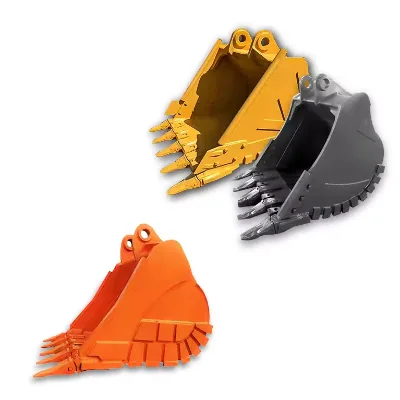


Comprehensive Sourcing Guide
Cabin Excavator Grapple Bucket Sourcing Guide
The Cabin Excavator Grapple Bucket serves as a critical attachment for material handling, specifically designed to integrate with standard excavator hydraulic systems for efficient sorting and lifting operations. Based on observed market data, these units are available in various configurations, ranging from compact models suitable for 1-3 ton excavators to heavy-duty variants capable of handling loads for machines up to 150 tons. Buyers must recognize that the specific application dictates the required hydraulic flow and pressure ratings, which vary significantly between the smaller Hawk 02 models and larger industrial units.
Procurement decisions should prioritize the compatibility between the grapple's hydraulic requirements and the host excavator's pump capacity. The observed data indicates oil flow ranges from 25-40 L/Min for lighter units to 50-100 L/Min for mid-range models, with pressure requirements spanning 100-180 bar. Selecting a unit with mismatched hydraulic specifications can lead to operational inefficiency or potential damage to the excavator's hydraulic system. Therefore, verifying the exact oil pressure and flow needs against the machine's specifications is the first essential step in the sourcing process.
Product Scope and Observed Listing Signals
The current market listings reveal a diverse product scope that includes specialized grapple models like the Hawk 02 and Hawk 04, alongside general excavator bucket teeth and standard bucket configurations. These products are frequently listed with specific attributes such as a maximum jaw opening of 750 mm for smaller units and up to 2500 mm for larger industrial applications. The observed weight variations, ranging from 135 kg to 1850 kg, reflect the structural differences required to handle different material densities and excavation depths. Buyers should carefully cross-reference these physical dimensions with their specific job site requirements to ensure the attachment can operate effectively within the intended workspace.
Listing signals also highlight the availability of customization options, with many suppliers offering standard export packing or wooden box packaging to protect the equipment during transit. The presence of video outgoing-inspection services suggests that visual verification of the product condition is a common practice in this sector. However, buyers must remain vigilant as some listings contain inconsistent data, such as weight figures that appear disproportionately high for the stated model numbers. It is crucial to treat these listed attributes as observations rather than universal guarantees, requiring direct confirmation from the supplier before finalizing any purchase agreement.
Technical Specifications to Verify
Technical verification must begin with the hydraulic interface, specifically confirming the oil pressure and flow rate compatibility with the excavator's existing system. The observed data shows pressure requirements ranging from 100-130 Kg/Cm2 for lighter models to 160-180 bar for heavier units, with corresponding oil flow rates between 25-100 L/Min. A mismatch in these parameters can result in slow cycle times or excessive wear on hydraulic seals. Buyers should request detailed hydraulic schematics from the supplier to ensure the grapple's cylinder requirements align precisely with the excavator's pump output and valve configuration.
Structural integrity and dimensional accuracy are equally critical, particularly regarding the maximum jaw opening and overall weight. Listings indicate jaw openings from 750 mm to 2500 mm, with weights varying from 135 kg to 400 kg for specific models, though some entries list weights that seem inconsistent with the model class. The width and height dimensions, such as a 1524 mm width or 1650 mm height, must be measured against the excavator's carrier dimensions to prevent clearance issues during operation. Verifying these physical specifications against the actual machine's capacity ensures the attachment will not compromise the stability or maneuverability of the excavator during heavy lifting tasks.
Compliance and Safety Documentation
Compliance documentation is a fundamental requirement for any industrial equipment purchase, with CE and ISO9001 certifications appearing as standard markers of quality assurance in the observed listings. These certifications indicate that the manufacturer adheres to specific European safety standards and maintains a quality management system, which is essential for ensuring the grapple bucket meets international safety regulations. Buyers should explicitly request copies of these certificates to verify their validity and ensure they cover the specific model being purchased, as certification status can vary between different product lines within the same supplier.
Safety documentation must also include detailed operational manuals and maintenance guides that outline the proper usage limits and inspection intervals for the grapple. The observed data mentions a one-year warranty period, which serves as a baseline for the manufacturer's confidence in the product's durability. However, buyers should not rely solely on the warranty period as a proxy for safety; instead, they must verify that the supplier provides comprehensive safety warnings regarding load limits, hydraulic pressure thresholds, and emergency shutdown procedures. Ensuring that all safety documentation is available in the buyer's native language is also a critical step to prevent operational errors caused by language barriers.
Cost Drivers and Commercial Terms
Cost drivers for cabin excavator grapple buckets are primarily influenced by the unit's weight, hydraulic complexity, and the level of customization required. The observed price range spans from 10 to 10,000 USD, reflecting the vast difference between small, standard buckets and large, heavy-duty grapples designed for massive excavators. Buyers should understand that higher costs often correlate with increased jaw opening capabilities, higher pressure ratings, and more robust structural materials. It is essential to analyze the total cost of ownership, including potential maintenance costs and the availability of spare parts, rather than focusing solely on the initial purchase price.
Commercial terms such as Minimum Order Quantity (MOQ) and lead times are significant factors that can impact the overall procurement strategy. The observed MOQ ranges from 1 to 500 units, offering flexibility for small projects while potentially requiring bulk commitments for larger industrial contracts. Lead times are not explicitly detailed in the provided data, but buyers should anticipate delays based on the customization level and the supplier's production capacity. Negotiating clear terms regarding payment schedules, shipping responsibilities, and warranty claim procedures is vital to mitigate financial risks and ensure a smooth transaction process.
Supplier Qualification and Quality Control
Supplier qualification should focus on verifying the manufacturer's origin and their track record in producing heavy machinery attachments. The observed data indicates that many suppliers are located in regions such as Shandong and Guangdong in China, which are known hubs for construction equipment manufacturing. Buyers should investigate the specific factory's production capabilities and quality control processes to ensure consistency in product quality. Requesting references from previous clients and reviewing case studies of similar projects can provide valuable insights into the supplier's reliability and ability to meet delivery schedules.
Quality control measures must be rigorously applied before accepting any shipment, particularly given the variations observed in product attributes across different listings. Buyers should insist on pre-shipment inspections, utilizing the video outgoing-inspection services mentioned in the listings to verify the physical condition of the grapple. This visual verification should include checking for structural defects, verifying hydraulic connections, and confirming that the product matches the agreed-upon specifications. Establishing a clear quality acceptance criteria and involving a third-party inspection agency can further reduce the risk of receiving substandard equipment that could lead to costly downtime.
Long-Term Procurement Checks
Long-term procurement success depends on establishing a robust relationship with the supplier that extends beyond the initial transaction. Buyers should prioritize suppliers who offer comprehensive after-sales support, including technical assistance, spare parts availability, and responsive warranty service. The observed one-year warranty period is a starting point, but buyers should negotiate extended coverage or service level agreements that address potential long-term operational needs. A reliable supplier will provide ongoing support to ensure the grapple bucket remains in optimal condition throughout its service life.
Continuous monitoring of the product's performance and the supplier's responsiveness is essential for maintaining operational efficiency. Buyers should track key performance indicators such as the frequency of maintenance required, the durability of the hydraulic seals, and the overall lifespan of the grapple under typical working conditions. Regular feedback loops with the supplier can help identify areas for improvement and foster a collaborative environment for future product development. By maintaining a proactive approach to supplier management, buyers can ensure a steady supply of high-quality equipment that meets their evolving operational demands.
FAQs
What is the weight range for these excavator grapple buckets?
The weight varies significantly by model and capacity. For instance, the Hawk 04 model weighs 220 kg, while the Hawk 02 model weighs 135 kg. Larger industrial units can weigh up to 680 kg or even 1850 kg depending on the specific application and excavator tonnage. Buyers should select the weight class that matches their machine's lifting capacity and hydraulic system requirements.
Which certifications are available for these grapple buckets?
These products typically come with CE and ISO9001 certifications, ensuring compliance with international quality and safety standards. The condition is listed as new, and customization is available for specific operational needs. Buyers requiring strict regulatory compliance for export or domestic use should verify these certifications with the supplier before finalizing the order to ensure they meet local machinery regulations.
Can the grapple bucket be customized for specific excavators?
Yes, customization is explicitly available for these grapple buckets. Manufacturers offer standard export packing and wooden box packaging to protect the unit during transit. Buyers can specify compatible excavator tonnage ranges, such as 1-3 tons or 5-10 tons, to ensure proper hydraulic flow and pressure matching. This flexibility allows for tailored solutions across various construction and waste management applications.
What is the maximum jaw opening size for these buckets?
The maximum jaw opening depends on the specific model selected. The Hawk 04 features a 1050 mm opening, while the Hawk 02 offers 750 mm. Larger heavy-duty models can provide openings up to 2500 mm or 1600 mm to handle bulky materials. Buyers must choose the appropriate opening size based on the volume and type of debris or material they intend to process efficiently.
Where are these excavator grapple buckets manufactured?
These products are manufactured in China, with specific origins noted in Shandong and Guangdong provinces. The brand DONGJUN is associated with some of these units, which are marketed as ordinary products with a one-year warranty. Buyers should consider the shipping logistics from these regions and verify the exact place of origin to understand lead times and potential import duties for their specific destination market.