Source Cabinet Handles for Drawers, Wardrobes, and Dressers
Source 30 Cabinet Handle options for drawers, wardrobes, and dressers. Compare aluminum alloy and stainless steel models with surface-mounted or recessed styles. View specifications for hole distances, finishes, and dimensions to find the right fit for your furniture needs; compare the available evidence and request quotations based on your requirements.
Key considerations
Products List


T Bar Handles Furniture Hardware Stainless Steel Metal Handle Cabinet Handle
$0.16 - $3.60
MOQ: 1000 Pieces


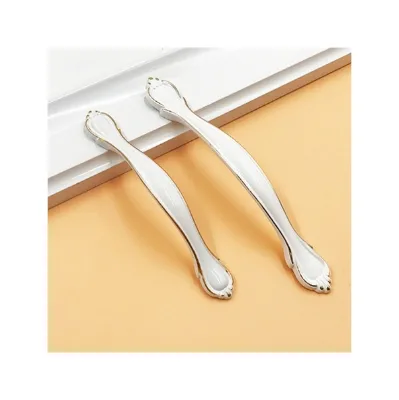
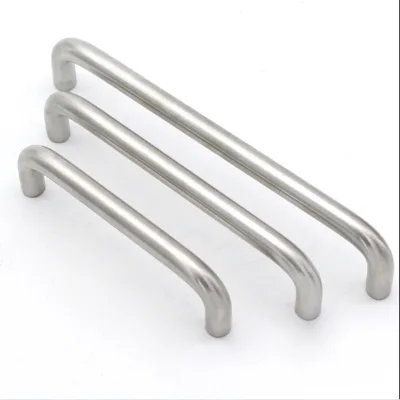


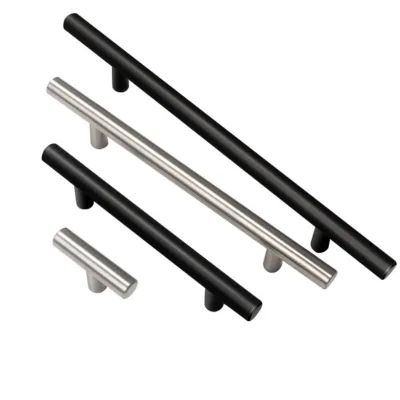


Comprehensive Sourcing Guide
Cabinet Handle Sourcing Guide
Procurement teams must first distinguish between the diverse material compositions observed in the current market, ranging from robust Aluminium Alloy and Stainless Steel to composite options like ABS plus Crystal. The observed listings indicate that material selection directly influences the intended application, with specific models designed for heavy-duty use in cabinets, drawers, dressers, and wardrobes, while others target general furniture or door installations. Buyers should verify the specific alloy grade or composite ratio to ensure the handle meets the structural demands of the final assembly, as the choice between a fixed rotary mechanism and a surface-mounted strip type dictates the hardware's longevity under different usage frequencies.
Commercial listings reveal a significant variance in customization capabilities, with some suppliers offering fully tailored solutions while others provide standardized non-customized units. This distinction is critical when aligning procurement with brand identity, as the observed data shows options for specific finishes such as Nb, Cp, Sc, Mc, Oxidize, SSS, Pss, PVD, and various paint treatments. Sourcing strategies must account for whether the project requires a simple, modern, or specific style to match existing interior designs, ensuring that the selected handle's aesthetic and functional attributes, such as the absence of a lock or the presence of a specific hole distance, align perfectly with the furniture manufacturer's design specifications.
Product Scope and Observed Listing Signals
The observed product range demonstrates a clear segmentation based on dimensional standards, with hole distances and widths varying significantly to accommodate different furniture architectures. Buyers will encounter models with a standard hole distance of 128mm alongside others adhering to a 192mm standard, while width specifications span from 10mm to 40mm or 51mm depending on the specific model series. This variability necessitates a rigorous review of the technical drawings provided by the supplier to confirm that the selected handle's width, height, and length dimensions, such as the 120mm or 150mm lengths observed, will physically fit the pre-drilled holes or surface mounting points of the target cabinetry.
Listing signals also highlight a wide array of diameter and height options, ranging from 8mm to 32mm in diameter and 28mm to 50mm in height, which allows for precise aesthetic matching. The data indicates that some products are available in specific shapes like strip-types, while others offer a single type configuration, and the installation style varies between surface mounted and recessed handle types. Procurement teams must carefully cross-reference these physical attributes with the furniture design to avoid compatibility issues, ensuring that the chosen handle's profile, whether it is a simple 10mm strip or a more complex 35mm diameter unit, integrates seamlessly with the overall product line.
Technical Specifications to Verify
Verification of the installation type is paramount, as the market presents distinct options including surface mounted, surface installation, and recessed handle configurations. Buyers must confirm that the selected model's installation method matches the furniture's construction, as a surface-mounted handle requires a different mounting approach than a recessed unit, and the observed data shows specific models designed for each scenario. Additionally, the rotary nature of some handles is noted as fixed, which implies a specific operational mechanism that must be validated against the intended user interaction to ensure smooth operation and durability in high-traffic environments like wardrobes or dressers.
Dimensional precision is another critical technical parameter, with observed standards ranging from 30mm to 50mm for height and specific width combinations like 10x10mm or 20x20mm. The presence of multiple standard lengths, such as 102mm, 120mm, 125mm, and 150mm, requires buyers to verify the exact fit for their specific drawer or cabinet depth. Furthermore, the finish processes, including oxidation, PVD, and paint treatments, must be evaluated for their resistance to wear and corrosion, ensuring that the selected surface treatment, whether it is a simple paint or a complex PVD coating, will maintain its appearance and structural integrity over the product's lifecycle.
Compliance and Safety Documentation
While the observed data explicitly mentions ISO certification conditions, procurement teams must request and verify the specific scope of this certification to ensure it covers the manufacturing processes relevant to the cabinet handles. The presence of an ISO condition suggests a baseline level of quality management, but buyers should confirm that the certification applies to the specific material production, such as the Aluminium Alloy or Stainless Steel components, and the surface treatment processes like PVD or oxidation. This verification ensures that the supplier adheres to recognized international standards for quality control, which is essential for maintaining consistency across large production runs and meeting the safety expectations of end consumers.
Safety documentation should also address the chemical composition of the finishes and materials, particularly when the handles are intended for residential or commercial furniture that may be subject to strict environmental regulations. Although specific test results are not provided in the listing data, buyers must inquire about compliance with relevant safety standards regarding heavy metals, volatile organic compounds, and other hazardous substances that might be present in the paint or surface treatments. Ensuring that the supplier can provide documentation proving the safety of the materials, such as the ABS+Crystal composite or the various metal alloys, is crucial for mitigating liability and ensuring the final product meets all regulatory requirements for the target market.
Cost Drivers and Commercial Terms
The observed price range of 0.1 to 10 USD indicates that cost is heavily influenced by material selection, finish complexity, and the degree of customization required. Buyers should anticipate that handles made from Stainless Steel or those featuring advanced finishes like PVD and Ab will command higher prices compared to basic Aluminium Alloy or painted options. Additionally, the availability of custom colors and specific dimensions, such as the 128mm hole distance or unique width combinations, often incurs additional tooling or setup costs, which must be factored into the total landed cost calculation to ensure the procurement budget remains viable.
Minimum Order Quantity (MOQ) requirements vary significantly, with observed ranges spanning from 10 to 5000 units, directly impacting the economic feasibility of the purchase. Smaller MOQs may be suitable for prototyping or niche projects, but larger orders often benefit from economies of scale that reduce the unit price. Procurement teams must negotiate terms that balance the need for inventory flexibility with the cost benefits of bulk purchasing, while also clarifying the packaging requirements, which are noted as customizable to the buyer's needs, to avoid unexpected logistics costs or damage during transit.
Supplier Qualification and Quality Control
Supplier qualification should focus on verifying the consistency of their production capabilities, particularly regarding the diverse range of finishes and materials observed in the market. Buyers must assess whether the supplier can reliably produce the specific finishes, such as Nb, Cp, Sc, Mc, or Oxidize, and maintain the dimensional tolerances required for the various models, including the SS921 and AH726 series. A robust quality control system is essential to ensure that every batch of handles meets the specified standards, from the initial material selection to the final surface treatment, minimizing the risk of defects that could compromise the aesthetic or functional integrity of the furniture.
Quality control protocols must also address the variability in product attributes, such as the different height and diameter options, to ensure that the final product matches the ordered specifications exactly. Buyers should request evidence of in-process inspections and final quality checks, particularly for custom orders where the risk of deviation is higher. Establishing clear acceptance criteria for surface treatments, installation types, and dimensional accuracy is crucial, as these factors directly impact the customer experience and the reputation of the furniture brand, making supplier reliability a key determinant in the selection process.
Long-Term Procurement Checks
Long-term procurement success depends on establishing a reliable supply chain that can consistently deliver products meeting the evolving needs of the furniture market. Buyers should monitor the supplier's ability to maintain the observed standards, such as the 192mm or 35mm specifications, and their capacity to adapt to new design trends, such as the shift towards modern or simple styles. Regular audits of the supplier's production lines and quality control processes will help ensure that the handles continue to meet the required performance and safety standards, preventing disruptions in the supply chain and maintaining the quality of the final furniture products.
Continuous evaluation of the supplier's responsiveness to customization requests and their ability to manage lead times is also vital for long-term partnerships. As the market demand shifts, the supplier must be able to adjust production schedules to accommodate changes in order volumes or specifications, such as the transition from non-customized to customized units. By maintaining open communication and setting clear expectations for delivery and quality, buyers can foster a collaborative relationship that supports the long-term growth and stability of their furniture manufacturing operations, ensuring a steady supply of high-quality cabinet handles.
FAQs
How do I choose the right hole distance for a Cabinet Handle?
Measure the distance between the center of one screw hole to the other, as the most common standard is 128mm. Match this measurement to the listed hole distance before ordering, since an incorrect spacing will not fit pre-drilled drawers or doors. If you are drilling new cabinets, you can select any spacing, but confirm the specification with the supplier for custom hole distances.
What materials are commonly used for these cabinet handles?
The listed handles are made from aluminium alloy or stainless steel, and some models use ABS combined with crystal for decorative knobs. Aluminium alloy and stainless steel offer durability and corrosion resistance for daily furniture use, while ABS crystal suits wardrobe and dresser accents. Choose based on the finish, strength, and style requirements of your furniture project.
Can cabinet handles be customized in size, finish, or packaging?
Yes, customization is available for many listed models, including finish options such as Nb, Cp, Sc, Mc, Oxidize, SSS, Pss, PVD, Ab, AC, or any color, and packing can follow your requirement. Provide drawings, sample dimensions, or packaging specifications when requesting a quotation. Note that some models are non-customized, so confirm availability for the specific model you select.
Which surface mounting options are available for cabinet handles?
Most listed handles use surface mounted or surface installation, which means they attach to the front of the drawer or door without recessing. Some models are also designed as recessed handles, set into a slot cut into the furniture surface. Surface mounted types are easier to install and replace, while recessed styles provide a flush, low-profile appearance for modern furniture.
What sizes and diameters are offered for cabinet handles?
Available diameters range from 6mm to 35mm depending on the model, including 8, 10, 12, 14, 16, 19, 25, and 32mm variations. Heights range from 28mm to 50mm, and widths include square or strip profiles such as 10x10, 12x12, 15x15, and 20x20mm. Check the individual model specifications, since each model covers a specific size range rather than all options.
How are cabinet handles typically packed for shipment?
Packing can be arranged according to your requirement, which is useful for retail boxes, bulk cartons, or mixed-model shipments. Standard export packing usually protects handles from scratching during transit, and finish types such as polished or PVD coatings benefit from individual bagging. Discuss your packing needs with the supplier before confirming the order so costs and carton sizes are agreed in advance.
Which finishes work best for stainless steel cabinet handles?
Popular stainless steel finishes include SSS, PSS, PVD, Ab, and AC, with paint treatment also available on some models. PVD coatings provide strong wear and corrosion resistance for high-use doors, while satin or polished finishes offer a simple look for furniture and wardrobes. Choose a finish based on usage frequency, cleaning needs, and the surrounding hardware color on the cabinet.